
Cozy Chicken and Rice Soup with a Savory Miso Twist
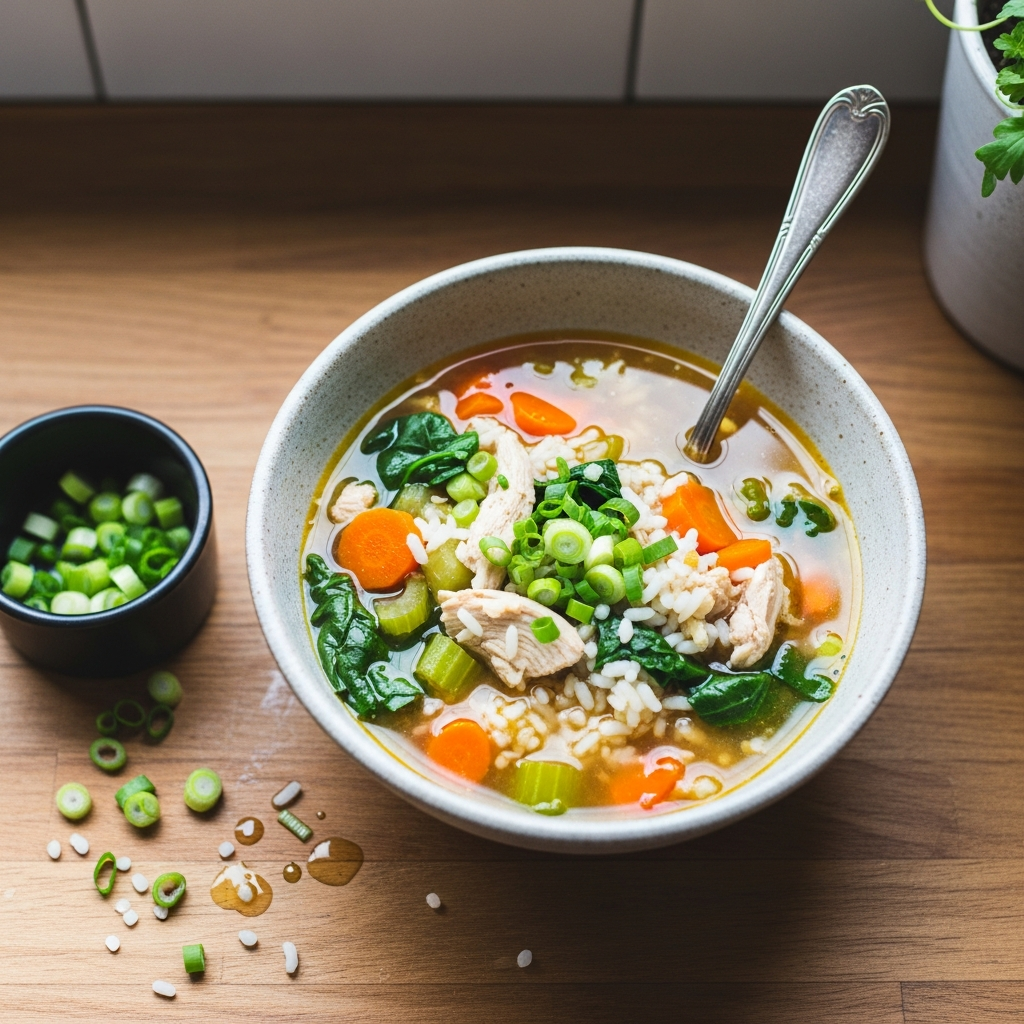
There are some meals that feel like a warm hug in a bowl, and for the longest time, a simple chicken and rice soup was that for me. It was my go-to whenever someone was feeling under the weather or when a chilly, rainy day settled over the house. It was comfort, pure and simple. But, if I’m being honest, it could also be a little… predictable.
I was craving that same comfort but wanted something with a little more depth, a flavor that made you pause after the first spoonful and say, “Ooh, what is that?” My mind went back to a little ramen spot my husband and I found on a weekend trip to Asheville. The broth was so incredibly savory and rich, and I remembered the chef talking about the importance of miso.
A lightbulb went on. What if I took the soul of a classic Southern-style rice soup and gave it a secret weapon? A spoonful of white miso paste, whisked in at the end. The result was everything I hoped for. It’s still the cozy, comforting soup I love, but now it has this wonderful, subtle, savory depth that elevates the whole dish. It’s my little twist that makes this simple soup something truly special.
Why This Rice Soup Recipe Works
At its heart, rice soup is a universal comfort food. You’ll find versions of it across the globe, from Italian wedding soup to Asian congee. It’s beloved because it’s simple, nourishing, and incredibly easy to make with staple ingredients. The combination of a flavorful broth, tender rice, and soft vegetables is timeless. It’s the kind of meal that feels both restorative and satisfying, which is why we turn to it time and time again.
The classic American version, often with chicken, is built on a foundation of mirepoix, which is just a fancy name for the onion, carrot, and celery trio that starts so many wonderful dishes. This gives the broth a familiar, aromatic base that we all recognize and love. The rice cooks directly in the broth, releasing its starches and naturally thickening the soup into something hearty and substantial.
So, why mess with a good thing? Because we can make it even better. My little secret, the white miso paste, is the key. Miso adds a profound layer of umami, the fifth taste that translates to a rich, savory deliciousness. It deepens the flavor of the chicken broth and vegetables without overpowering them. It gives the soup a “little something extra” that you can’t quite put your finger on, making it taste like it’s been simmering for hours, even on a busy weeknight. This one small addition transforms a simple, lovely soup into an unforgettable one.
Ingredients for Rice Soup
The beauty of this rice soup is its reliance on simple, wholesome ingredients. But the magic truly happens when you bring them together with one special addition. Here’s what you’ll need to have on hand.
- 1 tablespoon olive oil: For sautéing our vegetables and building that first layer of flavor.
- 1 large yellow onion, chopped: Provides a sweet, aromatic base.
- 2 medium carrots, diced: Adds a touch of sweetness and beautiful color.
- 2 celery stalks, diced: Gives the soup a fresh, slightly savory backbone.
- 3 cloves garlic, minced: Essential for that pungent, savory aroma. Fresh is always best.
- 8 cups low-sodium chicken or vegetable broth: Using low-sodium broth allows you to control the saltiness, which is important since we’re adding soy sauce and miso. A quality broth makes a huge difference.
- 1 cup uncooked long-grain white rice: Long-grain rice holds its shape well and won’t turn to mush as easily as shorter grains.
- 2 cups shredded cooked chicken (optional): A great way to use up leftover rotisserie or baked chicken to make the soup a full meal.
- 2 tablespoons white miso paste: This is my secret weapon! White miso (or shiro miso) is milder and slightly sweeter than its red counterpart, making it perfect for adding a smooth, savory depth without overwhelming the other flavors. Find it in the refrigerated section of most grocery stores.
- 1 tablespoon soy sauce or tamari: Adds another layer of umami and salty complexity. Use tamari for a gluten-free option.
- 1 cup chopped fresh spinach or kale: For a boost of color, nutrients, and texture.
- 2 teaspoons toasted sesame oil: A finishing touch that adds a wonderful nutty aroma. A little goes a long way.
- Salt and freshly ground black pepper to taste: To season and bring all the flavors together.
- Freshly chopped parsley or scallions, for garnish: Adds a pop of fresh, bright flavor right before serving.
Step-by-Step Instructions For Making Rice Soup
This soup comes together in one pot, making it perfect for a weeknight dinner. Following these steps will help you build layers of flavor for the most delicious rice soup you’ve ever had. Let’s get cooking!
Step 1: Sauté the Aromatics
First, grab a large pot or a Dutch oven. These heavy-bottomed pots are wonderful because they distribute heat so evenly. Heat your tablespoon of olive oil over medium heat. Once it shimmers, add the chopped onion, carrots, and celery. This trio is your flavor base. Cook them for about 5 to 7 minutes, stirring occasionally, until they’ve softened and the onion looks translucent. Don’t rush this step; you’re gently sweating the vegetables to release their natural sweetness.
Step 2: Add the Garlic
Now, stir in your minced garlic. You only need to cook it for about a minute, just until you can smell that amazing garlic aroma. Be careful not to let it brown or burn, as it can become bitter and ruin the delicate flavor of your soup base.
Step 3: Simmer the Broth and Rice
Pour in your 8 cups of chicken or vegetable broth. Turn the heat up to bring it to a lively simmer. Once it’s bubbling gently, stir in the uncooked long-grain white rice. Give it a good stir to make sure the rice isn’t clumping at the bottom of the pot.
Step 4: Cook the Rice
Reduce the heat to low, so the soup is just barely simmering. Place a lid on your pot and let it cook for 15 to 20 minutes. The goal is to get the rice perfectly tender. The exact time can vary depending on your stove, so you can test a grain of rice around the 15-minute mark.
Step 5: Add the Chicken
If you’re making this a chicken rice soup, now is the time to stir in your shredded cooked chicken. Since the chicken is already cooked, you’re just warming it through in the hot broth.
Step 6: Whisk and Add the Miso
This is my favorite part! In a small bowl, place your two tablespoons of white miso paste. Ladle a few tablespoons of the hot soup broth into the bowl. Whisk it together until the miso is completely dissolved and you have a smooth, creamy mixture. This technique, called tempering, is crucial. It prevents the miso from clumping when you add it to the big pot. Pour this mixture back into the soup and stir in the soy sauce as well.
Step 7: Wilt the Greens
Add your chopped fresh spinach or kale to the pot. It will look like a lot at first, but don’t worry. Stir it in, and it will wilt down in just 2 or 3 minutes, adding beautiful color and nutrients.
Step 8: Finish and Season
Remove the soup from the heat. This is important because high heat can damage the delicate flavor of our final ingredient. Stir in the toasted sesame oil. Now, give it a taste. Add salt and freshly ground black pepper until it’s seasoned just right for you. Remember that the miso and soy sauce already added salt, so you might not need much.
Step 9: Garnish and Serve
Ladle your beautiful, aromatic rice soup into bowls. Top it with a sprinkle of freshly chopped parsley or scallions for a burst of freshness. Serve it hot and enjoy every spoonful!
How To Serve Rice Soup
Serving this rice soup is all about leaning into its comforting nature. It’s absolutely wonderful on its own, ladled hot into a big, cozy mug or bowl, especially on a chilly evening. The aroma alone is enough to make the whole house feel warm and inviting. But if you want to turn it into a more substantial meal or just add a little extra flair for guests, there are so many simple and delicious ways to dress it up.
I love thinking about textures and complementary flavors. A little crunch, a bit of creaminess, or a pop of acidity can take this soup from great to absolutely spectacular. It’s a fantastic canvas for all sorts of toppings and sides.
Here are a few of my favorite ways to serve this rice soup:
- Crusty Bread or Crackers: You can’t go wrong with a classic. A slice of crusty sourdough, a warm dinner roll, or a handful of saltine crackers are perfect for dipping into that savory broth.
- A Squeeze of Fresh Citrus: A small wedge of lemon or lime served on the side can work wonders. A quick squeeze over the top of the soup just before eating brightens all the flavors and cuts through the richness beautifully.
- Add a Little Heat: For those who like a kick, a drizzle of chili oil or a sprinkle of red pepper flakes adds a pleasant warmth that complements the savory miso broth.
- Top with a Soft-Boiled Egg: This is a wonderful trick I picked up from ramen shops. A perfectly soft-boiled egg, halved to show off its jammy yolk, adds incredible richness and protein.
- Garnish Galore: Beyond parsley and scallions, consider fresh cilantro, a few toasted sesame seeds, or even some crunchy fried onions or garlic for texture.
Pair it with a simple green salad with a light vinaigrette for a complete and balanced meal. No matter how you serve it, this soup is sure to be a hit.
How To Store & Reuse Rice Soup Leftovers
One of the best things about making a big pot of soup is having leftovers for the next day. This rice soup stores beautifully, and I almost think the flavors get even better as they sit and meld together in the refrigerator. However, there is one thing to keep in mind, the rice will continue to absorb the broth as it sits, so your leftover soup will be much thicker than it was on day one. It becomes more of a hearty stew, which is delicious in its own right!
Proper storage is key to keeping it fresh and tasty. Let the soup cool down on the counter for a bit, but don’t leave it out for more than two hours. Once it’s closer to room temperature, transfer it to an airtight container. This will keep it from absorbing any other odors from your fridge and will keep it fresh for longer.
Here are my go-to tips for storing and reheating:
- Refrigeration: Store the soup in an airtight container in the refrigerator for up to 3 to 4 days. This is perfect for easy lunches or quick dinners throughout the week.
- Reheating on the Stovetop: My preferred method is to gently reheat the soup in a saucepan over medium-low heat. As it warms up, the thickened soup will loosen. I almost always add a splash of extra chicken broth or even just a little water to thin it back out to my desired consistency. Stir occasionally until it’s heated through.
- Reheating in the Microwave: For a single serving, the microwave is quick and easy. Place the soup in a microwave-safe bowl, cover it to prevent splatters, and heat it in 1-minute increments, stirring in between, until it’s hot. Again, you can stir in a splash of broth or water to adjust the thickness.
- Freezing: You can absolutely freeze this soup! However, be aware that the texture of the rice can change slightly upon thawing, becoming a bit softer. Freeze it in airtight, freezer-safe containers or freezer bags for up to 3 months. To serve, let it thaw overnight in the refrigerator before reheating on the stovetop.
Having a container of this rice soup ready to go is such a treat. It’s the perfect, effortless meal for a busy day when you still want something wholesome and comforting.
Substitutions & Variations For Rice Soup
This rice soup recipe is a fantastic starting point, but don’t be afraid to make it your own! It’s incredibly forgiving and adapts well to different tastes, dietary needs, or simply what you happen to have in your pantry. Playing with the ingredients is half the fun of cooking, after all. Whether you want to add more veggies, try a different grain, or spice things up, there are plenty of delicious possibilities.
Think of this recipe as a template for your own comforting creation. These are some of the swaps and additions I’ve tried over the years that have all turned out wonderfully. They are a great way to use up leftover ingredients and keep the recipe feeling fresh and new each time you make it.
Here are some simple substitutions and fun variations to try:
- Make it Vegetarian or Vegan: This is an easy swap! Simply use a hearty vegetable broth instead of chicken broth. To replace the chicken, you can add a can of drained and rinsed chickpeas or white beans along with the rice. For a heartier option, add some cubed firm tofu or sautéed mushrooms for a meaty texture.
- Try Different Grains: While long-grain white rice is classic, you can certainly use other grains. Brown rice works well but will need a longer cooking time, likely 35 to 40 minutes. You could also use wild rice, quinoa, or barley, adjusting the simmering time according to the package directions.
- Add More Vegetables: Feel free to clean out your crisper drawer! Diced mushrooms, green beans, peas, corn, or even diced zucchini would be wonderful additions. Add heartier vegetables like mushrooms with the onions and carrots, and stir in quicker-cooking ones like peas or corn in the last 5 minutes.
- Change Up the Greens: Instead of spinach or kale, try some chopped bok choy, napa cabbage, or Swiss chard. They all wilt down beautifully and add great nutrients.
- Spice It Up: For a little warmth and complexity, add a pinch of ginger or turmeric along with the garlic. A dash of white pepper at the end is also a lovely, subtle touch. If you like it spicy, a few slices of fresh jalapeño can be sautéed with the onions for a nice kick.
No matter what little changes you make, the core of this comforting soup will shine through. Have fun with it and enjoy your unique creation!
The Coziest Rice Soup with a Savory Twist
Description: A classic, comforting chicken and rice soup elevated with a secret ingredient, white miso paste, for an incredibly deep and savory broth. It’s the perfect one-pot meal for a cozy night in.
Yield: 6-8 servings | Category: Soup | Cuisine: American
Prep Time: 10 minutes | Cook Time: 30 minutes
Ingredients
- 1 tablespoon olive oil
- 1 large yellow onion, chopped
- 2 medium carrots, diced
- 2 celery stalks, diced
- 3 cloves garlic, minced
- 8 cups low-sodium chicken or vegetable broth
- 1 cup uncooked long-grain white rice
- 2 cups shredded cooked chicken (optional)
- 2 tablespoons white miso paste
- 1 tablespoon soy sauce or tamari
- 1 cup chopped fresh spinach or kale
- 2 teaspoons toasted sesame oil
- Salt and freshly ground black pepper to taste
- Freshly chopped parsley or scallions, for garnish
Instructions
- Heat olive oil in a large pot over medium heat. Add onion, carrots, and celery; cook for 5-7 minutes until soft. Stir in garlic and cook for 1 minute more.
- Pour in broth, bring to a simmer, and stir in the rice.
- Reduce heat to low, cover, and simmer for 15-20 minutes until rice is tender.
- Stir in cooked chicken, if using.
- In a small bowl, whisk miso paste with a few tablespoons of hot broth until smooth. Stir the miso mixture and soy sauce into the soup.
- Stir in spinach or kale until wilted, about 2-3 minutes.
- Remove from heat and stir in toasted sesame oil. Season with salt and pepper to taste.
- Garnish with parsley or scallions before serving.
Notes
The rice will absorb more broth as it sits, so leftovers will be thicker. Add a splash of broth when reheating to return it to a soupy consistency. For a gluten-free version, be sure to use tamari instead of soy sauce.
Servings: 8 servings | Calories: 250 kcal | Fat: 7g | Carbohydrates: 30g | Protein: 16g
5 FAQs About Rice Soup
Here are some straightforward answers to the most common questions I receive about this rice soup recipe.
What kind of rice is best for this rice soup?
For this specific rice soup recipe, I highly recommend using a long-grain white rice, like Jasmine or Basmati. The reason is structural. Long-grain rice varieties tend to be firmer and stay more separate when cooked. They hold their shape well in the broth without breaking down and releasing too much starch, which helps keep the soup from becoming overly thick or mushy. You get distinct, tender grains of rice in every spoonful, which is the texture I really love in this soup.
You can certainly experiment with other types of rice, but you may need to adjust the cooking time. For example, brown rice is a wonderful, nutritious option, but it will require a much longer simmering time, probably closer to 40-45 minutes, to become tender. Short-grain rice, like Arborio, is designed to release a lot of starch to create a creamy consistency, so it would make your soup very thick, more like a risotto or congee. That can be delicious, but it’s a different dish entirely! So for the classic soup texture we’re aiming for here, long-grain white rice is your most reliable choice.
Can I make this rice soup ahead of time?
Yes, you can absolutely make this rice soup ahead of time, and it makes for fantastic leftovers. It’s a great recipe for meal prep at the beginning of the week. However, there is one important thing to know: the rice will continue to soak up the broth as it sits in the refrigerator. This means that when you pull it out the next day, it will be significantly thicker, almost like a stew. I personally find this delicious, but if you want to maintain a more soup-like consistency, you have two options.
Your first option is to simply thin it out when you reheat it. Just add a generous splash of chicken broth or water to the pot as you warm it up on the stove, stirring until it reaches the consistency you like. Your second option, which requires a little more planning, is to cook the rice separately and store it in a different container from the soup base. Then, you can just add a scoop of rice to your bowl before ladling the hot soup over it. This method perfectly preserves the original texture of both the broth and the rice, making it a great choice if you’re serving it to guests a day or two later.
How do I keep the rice from getting mushy in my rice soup?
This is a very common concern with any rice soup! The key to avoiding mushy rice is to control the cooking time carefully. Start checking the rice for doneness at the 15-minute mark. You want it to be just tender, or “al dente,” with a slight bite to it. Remember that the rice will continue to cook a little bit from the residual heat in the pot even after you turn off the stove. Overcooking is the number one cause of mushy rice.
Another helpful tip is to use the right kind of rice. As mentioned earlier, long-grain white rice holds its shape much better than short-grain varieties. Rinsing the rice in a fine-mesh sieve under cold water before adding it to the pot can also help. This washes away excess surface starch that contributes to gumminess. If you are making a very large batch of soup that you know will be eaten over several days, consider the strategy of cooking the rice separately and adding it to individual bowls upon serving. This gives you the most control and guarantees perfect rice every time.
What does the miso add to this chicken rice soup recipe?
The white miso paste is my secret ingredient, and it adds a beautiful layer of complexity and depth to the soup. Miso is a fermented soybean paste that is a cornerstone of Japanese cuisine, and it’s prized for its rich “umami” flavor. Umami is often described as the fifth taste, alongside sweet, sour, salty, and bitter. It translates to a pleasant, savory, and almost meaty deliciousness that makes food incredibly satisfying.
In this chicken rice soup, the miso paste works in the background to enhance all the other flavors. It makes the chicken broth taste richer and more robust, and it complements the sweetness of the carrots and onions. It adds a subtle, savory depth that you might not be able to name if you didn’t know it was there, but you would definitely notice its absence. It gives the soup a “simmered-all-day” taste in just about 30 minutes. I use white miso specifically because it’s the mildest and sweetest variety, so it adds this wonderful flavor without overpowering the classic comfort of the soup.
Can I make this rice soup in a slow cooker or Instant Pot?
Yes, this rice soup recipe is very adaptable to both a slow cooker and an Instant Pot, which can be great hands-off options. For a slow cooker, I would recommend sautéing the onion, carrots, celery, and garlic on the stovetop first to build that flavor base, then transferring them to the slow cooker. Add the broth and uncooked rice, and cook on low for 4-6 hours or on high for 2-3 hours, until the rice is tender. Then, stir in the cooked chicken, the tempered miso-broth mixture, soy sauce, spinach, and sesame oil in the last 15-20 minutes of cooking.
For the Instant Pot, use the “Sauté” function to cook the onions, carrots, celery, and garlic directly in the pot. Then, turn it off, pour in the broth and rice, and give it a good stir. Secure the lid, set the vent to “Sealing,” and cook on high pressure for 5 minutes. Let the pressure release naturally for 10 minutes before doing a quick release for the remaining pressure. Carefully open the lid and stir in the cooked chicken, miso mixture, soy sauce, spinach, and sesame oil. The spinach will wilt quickly in the residual heat. Both methods yield a delicious and convenient pot of soup!
Try These Recipes Next
If you loved the cozy and comforting flavors of this soup, I think you’ll really enjoy some of my other popular soup and rice recipes.
- Hearty Turkey Wild Rice Soup: A perfect way to use up leftover turkey, this soup is creamy, savory, and packed with nutritious wild rice and vegetables.
- Creamy Chicken Wild Rice Soup (Crockpot Style): Let your slow cooker do all the work with this incredibly easy and delicious set-it-and-forget-it recipe.
- Easy Chicken and Rice with Smoked Paprika: If you’re craving a one-pan meal, this flavorful chicken and rice bake is a weeknight dinner lifesaver.
Each of these recipes brings its own unique and comforting twist to the table, and I hope you’ll give them a try soon!