
Hearty Maryland Crab Soup: My Family’s Favorite Recipe
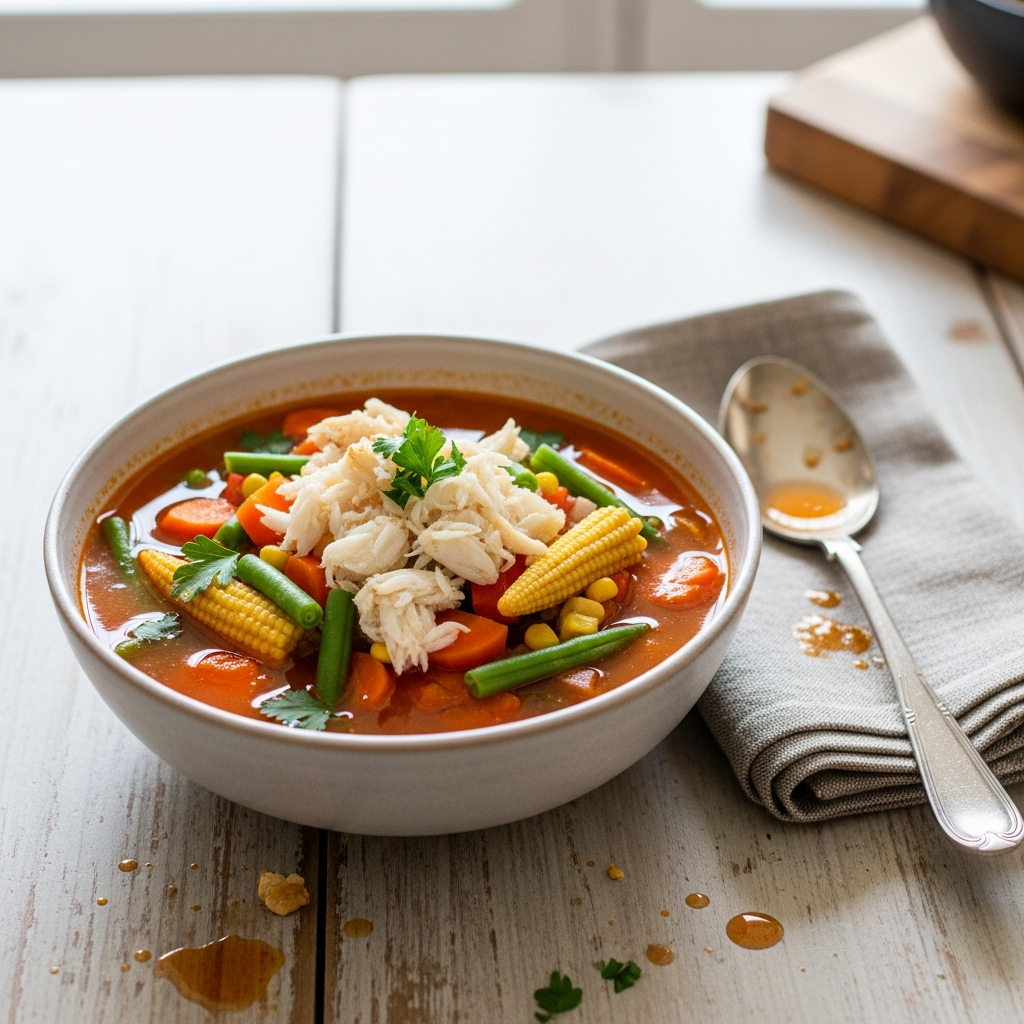
There are some flavors that transport you right back to a specific time and place. For me, the taste of a truly great Maryland crab soup takes me straight to a breezy afternoon on the Chesapeake Bay. My husband and I were visiting old college friends just outside of Annapolis, and they insisted our first meal had to be this local classic. I grew up on hearty vegetable soups, so the sight of a broth packed with corn, beans, and potatoes felt familiar and comforting.
But that first spoonful was a revelation. The savory, tomato-based broth was seasoned in a way I’d never tasted before, and those sweet, delicate lumps of blue crab were pure luxury. It was love at first bite. Of course, the moment I got back to my own kitchen, I knew I had to recreate it. But you know me, I can never leave well enough alone. I wanted to capture that classic flavor but give it my own little signature.
I started playing with the base. Traditional recipes are fantastic, but I felt they could use just a little more depth. A whisper of smoke, a little more complexity. That’s when I landed on my secret combination: fire-roasted tomatoes, a touch of smoked paprika, and a pinch of dry mustard. It was exactly what the soup needed. It’s still the classic I fell in love with, but with a richer, slightly smoky backbone that makes every single bite sing.
This is the version I’ve been making for years now. It’s the one my family requests for special occasions and the one I ladle into bowls on a chilly evening. It’s my little taste of that bayside memory, with a twist that makes it completely my own.
Why This Maryland Crab Soup Recipe Works
Maryland crab soup is a cornerstone of Chesapeake cuisine for a reason. It’s a beautiful, humble dish that makes the most of the region’s bounty. Historically, it was a way to stretch precious crab meat by combining it with a hearty and flavorful vegetable soup. Its broth is traditionally a mix of tomato and beef stock, seasoned generously with the one and only Old Bay. It’s a soup that feels both light and substantial at the same time.
It’s beloved because it’s pure comfort in a bowl. Each spoonful is packed with different textures from the potatoes, corn, lima beans, and green beans, all leading up to the star of the show, the sweet lump crab. It’s a complete meal that warms you from the inside out without the heaviness of a cream-based chowder. This soup is a celebration of simple, good ingredients coming together perfectly.
So, what makes my version stand out? It all comes down to building deeper layers of flavor right into that beautiful broth. I swapped standard crushed tomatoes for fire-roasted crushed tomatoes. This simple change introduces a subtle smokiness and a slight sweetness that elevates the entire soup. It cuts through the acidity of the tomatoes and complements the savory beef broth beautifully.
To enhance that smoky note, I add a teaspoon of smoked paprika. It not only deepens the flavor but also gives the broth a gorgeous, rich color. My final little trick is a half-teaspoon of dried mustard powder. You won’t taste “mustard,” I promise. Instead, it acts as a flavor enhancer, making the Old Bay pop and brightening up the whole pot. These small additions create a truly special Maryland crab soup that honors the original while offering a uniquely delicious experience.
Ingredients for Maryland Crab Soup
The beauty of this soup is in its wholesome, straightforward ingredients. While the list might look a little long, it’s mostly pantry staples and vegetables that come together to create something truly magical. The key is to use quality ingredients, as each one plays an important role in the final flavor.
My special touches, the ones that add that smoky depth I love, are the fire-roasted tomatoes, smoked paprika, and dried mustard powder. Don’t skip these! They are what make this version of Maryland crab soup my absolute favorite and a real showstopper for guests. They work in harmony to create a broth that is complex and deeply satisfying.
Of course, the most critical ingredient is the crab. For the best possible soup, you must use fresh, hand-picked lump crab meat. You’ll find it in the refrigerated seafood section of your grocery store. Please, avoid the shelf-stable canned stuff near the tuna. It simply won’t have the right texture or sweet, delicate flavor. Gently picking through it for any stray bits of shell is a small but necessary step to ensure every bite is perfect.
- 1 tbsp olive oil
- 1 large yellow onion, diced
- 2 medium carrots, peeled and sliced into rounds
- 2 celery stalks, diced
- 2 cloves garlic, minced
- 1 (28-ounce) can fire-roasted crushed tomatoes
- 4 cups beef broth
- 2 cups water
- 2 tbsp Old Bay seasoning
- 1 tbsp Worcestershire sauce
- 1 tsp smoked paprika
- 1/2 tsp dried mustard powder
- 2 medium potatoes, peeled and diced
- 1 1/2 cups frozen corn
- 1 1/2 cups frozen green beans
- 1 cup frozen lima beans
- 1 lb fresh lump crab meat, picked over for shells
- 2 tbsp fresh parsley, chopped
- Salt and freshly ground black pepper to taste
Step-by-Step Instructions For Making Maryland Crab Soup
Making this soup is a lovely way to spend an hour or so in the kitchen. It’s a process of layering flavors, starting with a solid foundation and building up to the grand finale of adding that beautiful crab meat. I recommend using a large, heavy-bottomed Dutch oven or stockpot. It will distribute the heat evenly and prevent any scorching on the bottom, which is especially important during the long simmer.
Step 1: Sauté the Aromatics
Start by heating your olive oil in the Dutch oven over medium heat. Once it shimmers, add the diced yellow onion, sliced carrots, and diced celery. This classic trio, known as a mirepoix, is the flavor base of so many wonderful dishes. Cook them, stirring occasionally, for about 5 to 7 minutes. You want them to soften and become tender, not brown. This gentle cooking coaxes out their sweetness. Once they’re soft, stir in the minced garlic and cook for just one more minute until you can smell its wonderful aroma. Be careful not to let the garlic burn, or it will turn bitter.
Step 2: Build the Broth
Now it’s time to create that signature broth. Pour in the fire-roasted crushed tomatoes, beef broth, and water. Then, add all your seasonings: the Old Bay, Worcestershire sauce, my secret weapons of smoked paprika and dried mustard powder. Give everything a good stir to make sure all those spices are well combined and dissolved into the liquid. This is where the magic really starts to happen.
Step 3: Simmer and Meld Flavors
Bring the soup up to a gentle simmer, then immediately reduce the heat to low. Cover the pot and let it cook for a minimum of 30 minutes. An hour is even better if you have the time. This step is crucial. Do not rush it! This is when all those individual ingredients get to know each other and meld into one cohesive, deeply flavorful broth. The longer it simmers, the richer the taste will be.
Step 4: Cook the Potatoes
After the broth has had time to develop its flavor, add your diced potatoes. I like to use a waxy potato like Yukon Gold because they hold their shape well in soup. Stir them in, put the lid back on, and continue to simmer for about 15 minutes. You want the potatoes to be almost tender, but not quite fully cooked, as they’ll continue to cook with the other vegetables.
Step 5: Add the Frozen Vegetables
Now, stir in the frozen corn, green beans, and lima beans. Using frozen vegetables is a great time-saver, and they work perfectly in this soup. Continue to cook for another 10 to 15 minutes. This is just enough time for the frozen veggies to cook through and for the potatoes to become perfectly tender without turning to mush.
Step 6: Fold in the Crab Meat
This is the moment we’ve all been waiting for. Turn the heat down to its lowest setting. Gently, and I mean gently, fold the lump crab meat into the soup. The goal here is to warm the crab through without breaking up those gorgeous, meaty lumps you paid for. Use a folding motion with your spoon rather than a vigorous stir. This should only take about 5 minutes.
Step 7: Finish and Season
Finally, stir in the fresh, chopped parsley. This adds a wonderful burst of freshness and color that brightens everything up. Now, taste the soup. Add salt and freshly ground black pepper as needed. The amount you’ll need will depend on the saltiness of your broth and tomatoes. Once it’s seasoned to your liking, it’s ready to serve hot.
How To Serve Maryland Crab Soup
Serving this Maryland crab soup is all about celebrating its comforting, rustic nature. There’s no need for anything too fussy. My favorite way to serve it is simply ladled high in big, warm ceramic bowls. The vibrant colors of the vegetables and the rich red of the broth are beautiful all on their own. It’s a meal that feels both special and incredibly welcoming.
Of course, you need something on the side for dipping. It’s practically a requirement! The right accompaniment helps you get every last delicious drop from the bottom of the bowl. Here are a few of my go-to serving suggestions:
- Classic Oyster Crackers: You simply can’t go wrong with the classic. Sprinkle a generous amount on top right before serving. They add a perfect little crunch that contrasts beautifully with the tender vegetables and crab.
- Crusty Bread: A thick slice of warm, crusty sourdough or a hearty French baguette is absolute heaven for sopping up the savory broth. I like to toast it and rub it with a clove of garlic for extra flavor.
- Saltine Crackers: For a true taste of tradition, serve it with a sleeve of saltines on the side. It’s a simple, nostalgic pairing that just feels right.
- Cornbread: A slightly sweet, buttery cornbread is a fantastic Southern-style pairing. The sweetness of the corn in the bread echoes the corn in the soup, creating a lovely connection between the two.
If you want to add a little flourish right in the bowl, consider a few simple garnishes. A dollop of sour cream or crème fraîche can add a touch of creamy coolness. A sprinkle of extra Old Bay seasoning on top gives a little extra kick, and a few fresh parsley leaves add a final pop of color. For those who enjoy some heat, have a bottle of your favorite hot sauce on the table for everyone to add to their own liking.
How To Store & Reuse Maryland Crab Soup Leftovers
One of the best things about making a big pot of soup is having leftovers. I swear, this Maryland crab soup tastes even better the next day after the flavors have had more time to sit and mingle together in the refrigerator. Storing it properly is key to enjoying it again later.
First, always let the soup cool down to room temperature before you store it. Placing a large, hot pot of soup directly into the fridge can raise the internal temperature and put other foods at risk. Once it’s cooled, transfer it to an airtight container. It will keep beautifully in the refrigerator for up to 3 or 4 days. When you’re ready to enjoy it again, simply reheat it gently on the stovetop over low to medium heat, stirring occasionally until it’s warmed through. Avoid boiling it, as this can make the crab tough.
If you want to store it for longer, this soup also freezes quite well. Here are a few tips for the best results:
- Freezing with Crab: You can freeze the soup with the crab in it. The texture of the crab and potatoes may change slightly upon thawing, but it will still be delicious. Store in a freezer-safe, airtight container, leaving about an inch of space at the top for expansion. It will last for up to 3 months.
- Freezing without Crab: For the absolute best texture, consider this method. Follow the recipe up until the point of adding the crab. Let that vegetable soup base cool, then freeze it. When you’re ready to serve, thaw the soup base, reheat it on the stove, and then fold in fresh lump crab meat at the end. It’s an extra step, but it ensures the crab is perfectly tender.
To reuse leftovers, simply reheating a bowl is wonderful. You can also get a little creative. Try serving a smaller portion of the soup over a scoop of fluffy white rice to turn it into a heartier, more stew-like meal. It’s a fantastic way to stretch the leftovers and create a whole new dish.
Substitutions & Variations For Maryland Crab Soup
While I adore this recipe just the way it is, one of the joys of home cooking is making a dish your own. This Maryland crab soup is wonderfully adaptable, so feel free to play around with it to suit your tastes or what you have on hand in your kitchen. It’s a sturdy recipe that welcomes a bit of creativity.
You can easily adjust the ingredients based on dietary needs or preferences. For example, if you don’t eat beef, you can easily swap the beef broth for a high-quality vegetable broth or even a seafood stock. This will change the flavor profile slightly, making it a bit lighter, but it will still be absolutely delicious. This swap also makes the entire dish pescatarian.
Here are a few more substitution and variation ideas to get you started:
- Add Some Heat: If you like your soup with a kick, it’s easy to spice it up. Add a pinch of cayenne pepper or red pepper flakes along with the other seasonings. For a fresh heat, you could also sauté a finely diced jalapeño along with the onion, carrots, and celery.
- Vegetable Swaps: The vegetable combination is very flexible. Feel free to use what you love or what’s in season. Diced zucchini, yellow squash, fresh or frozen okra, or even some chopped kale or spinach stirred in at the end would be wonderful additions.
- Different Seafood: While it wouldn’t technically be Maryland crab soup anymore, you could certainly use this beautiful broth as a base for other seafood. Cooked shrimp, mussels, or even chunks of a firm white fish like cod could be folded in at the end instead of the crab.
- For a Richer Broth: If you want a slightly richer, more tomato-forward broth, you can add a tablespoon or two of tomato paste. Sauté it for a minute after the garlic is fragrant before adding the liquids to cook out the raw flavor.
Don’t be afraid to experiment. Cooking should be fun, and this recipe is a great canvas for your culinary imagination. The core elements, the crab and the Old Bay-seasoned broth, are what make it a classic, but the supporting players can always be changed up.
Smoky Maryland Crab Soup
Description: A classic Maryland crab soup with a modern, smoky twist. This recipe features a rich, tomato-based broth loaded with vegetables and sweet lump crab meat, enhanced with fire-roasted tomatoes and smoked paprika for incredible depth of flavor.
Yield: 8 servings | Category: Soup | Cuisine: American
Prep Time: 15 minutes | Cook Time: 1 hour 15 minutes
Ingredients
- 1 tbsp olive oil
- 1 large yellow onion, diced
- 2 medium carrots, peeled and sliced into rounds
- 2 celery stalks, diced
- 2 cloves garlic, minced
- 1 (28-ounce) can fire-roasted crushed tomatoes
- 4 cups beef broth
- 2 cups water
- 2 tbsp Old Bay seasoning
- 1 tbsp Worcestershire sauce
- 1 tsp smoked paprika
- 1/2 tsp dried mustard powder
- 2 medium potatoes, peeled and diced
- 1 1/2 cups frozen corn
- 1 1/2 cups frozen green beans
- 1 cup frozen lima beans
- 1 lb fresh lump crab meat, picked over for shells
- 2 tbsp fresh parsley, chopped
- Salt and freshly ground black pepper to taste
Instructions
- Heat olive oil in a large Dutch oven over medium heat. Sauté onion, carrots, and celery until soft, about 5-7 minutes. Stir in garlic and cook for 1 minute.
- Add fire-roasted tomatoes, beef broth, water, Old Bay, Worcestershire, smoked paprika, and mustard powder. Stir well.
- Bring to a simmer, then reduce heat to low, cover, and cook for at least 30 minutes.
- Add potatoes and simmer for 15 minutes until nearly tender.
- Stir in frozen corn, green beans, and lima beans. Cook for another 10-15 minutes until vegetables are tender.
- Gently fold in lump crab meat and heat through for 5 minutes. Do not boil.
- Stir in fresh parsley and season with salt and pepper to taste. Serve hot.
Notes
For the best flavor and texture, use fresh lump crab meat from the refrigerated seafood section. Be very gentle when stirring in the crab to keep the lumps intact.
Servings: 8 | Calories: 250 kcal | Fat: 5g | Carbohydrates: 28g | Protein: 23g
5 FAQs About Maryland Crab Soup
Here are some straightforward answers to the most common questions I receive about this Maryland crab soup recipe.
What is the difference between Maryland crab soup and cream of crab soup?
This is probably the most frequent question I get, and it’s a great one because these are two very different, yet equally famous, Maryland soups. The primary difference is the base. Maryland crab soup, the recipe we’re making here, has a vegetable and tomato-based broth. It’s often made with beef or vegetable stock, is reddish in color, and is absolutely packed with vegetables like potatoes, corn, green beans, and lima beans. It’s hearty and savory but not heavy.
Cream of crab soup, on the other hand, is rich, decadent, and creamy. Its base is made from milk or heavy cream and a flour-and-butter roux. It’s velvety smooth, often flavored with a splash of sherry, and has very few, if any, vegetables. The focus is entirely on the creamy soup and the delicate crab meat. While both celebrate Maryland’s famous blue crab, they are entirely different culinary experiences. One is a rustic vegetable soup, and the other is a luxurious, creamy bisque.
Can I use frozen or canned crab meat for this Maryland crab soup recipe?
I will always, always recommend using fresh lump crab meat from the refrigerated seafood section of your grocery store. The flavor is sweet and clean, and the texture of the large, tender lumps is what makes this soup truly special. Pasteurized fresh crab meat, which also comes in a refrigerated tub, is your next best option and works very well.
If those are absolutely not available, you could use frozen crab meat, but be sure to thaw it completely and drain any excess water before adding it to the soup. The texture may be slightly softer. I strongly advise against using shelf-stable canned crab meat (the kind found in the aisle with canned tuna). It often has a tinny, metallic taste and a stringy, shredded texture that gets lost in the soup. If it’s your only option, be sure to drain it and rinse it well, but please know the final result will be significantly different from the intended recipe.
Why is my Maryland crab soup broth bitter?
A bitter broth is a common kitchen frustration, and it usually comes down to the tomatoes. Canned tomato products can sometimes have a harsh acidity or a slightly metallic taste that can be perceived as bitterness. My choice of fire-roasted tomatoes in this recipe helps to mitigate that because the roasting process brings out their natural sweetness and adds a smoky depth that balances the acidity. Using a good quality brand of canned tomatoes can also make a big difference.
If you’ve made the soup and it still tastes a little bitter, there’s an easy fix. Try adding a tiny pinch of sugar or even a small squeeze of honey. Just a little bit will do the trick. Add about a quarter teaspoon, stir it in well, and taste again. The sweetness will counteract the bitterness without making your soup taste sweet. Another potential cause could be burning the garlic, so be sure to only cook it for a minute until it’s fragrant before adding your liquids.
Can I make Maryland crab soup in a slow cooker?
Yes, you absolutely can adapt this recipe for a slow cooker, which is perfect for a busy day. To get the best flavor, I still recommend doing the first step on the stovetop. Sauté the onion, carrots, celery, and garlic in a separate skillet as directed. This step builds a crucial layer of flavor that you won’t achieve by just putting raw vegetables in the slow cooker.
After sautéing, transfer the vegetable mixture to your slow cooker. Add the fire-roasted tomatoes, beef broth, water, seasonings, and the diced potatoes. Stir everything together, cover, and cook on low for 6 to 8 hours or on high for 3 to 4 hours, until the potatoes are tender. About 30 minutes before you’re ready to serve, stir in the frozen vegetables. Then, in the last 10 minutes of cooking, gently fold in the lump crab meat and fresh parsley. This ensures the crab stays tender and the frozen veggies don’t get mushy.
What gives Maryland crab soup its signature flavor?
The iconic flavor of a great Maryland crab soup is a beautiful symphony of several key components working together. First and foremost is the Old Bay seasoning. This famous blend of celery salt, black pepper, red pepper flakes, and paprika is the quintessential taste of the Chesapeake region. It’s savory, a little spicy, and completely distinctive. You simply cannot make authentic-tasting Maryland crab soup without it.
Beyond the Old Bay, the flavor comes from the combination of the savory beef broth and the bright tomato base. This duo creates a broth that is both rich and tangy. Then you have the sweetness from the carrots, onions, and especially the corn, which balances the savory notes. Finally, and most importantly, is the sweet, delicate flavor of the blue crab meat itself. My additions of smoked paprika and fire-roasted tomatoes build on this classic foundation, adding a subtle smokiness and depth that makes the traditional flavors shine even brighter.
Try These Recipes Next
If you loved this bowl of cozy, seafood-packed soup, you’ll definitely want to try some of my other favorite chowders and bisques.
- Spicy Crab and Corn Chowder: For those who love a creamy soup with a little bit of a kick, this one is for you.
- Roasted Poblano Crab Chowder: A wonderfully smoky and rich chowder where roasted peppers and crab meet in perfect harmony.
- Easy Clam Chowder: A true classic that’s simple to make and delivers all the creamy, comforting flavor you crave.
I hope you enjoy making these recipes as much as my family and I enjoy eating them!