
A Cozy Brown Butter Udon Noodle Soup with Crispy Sage
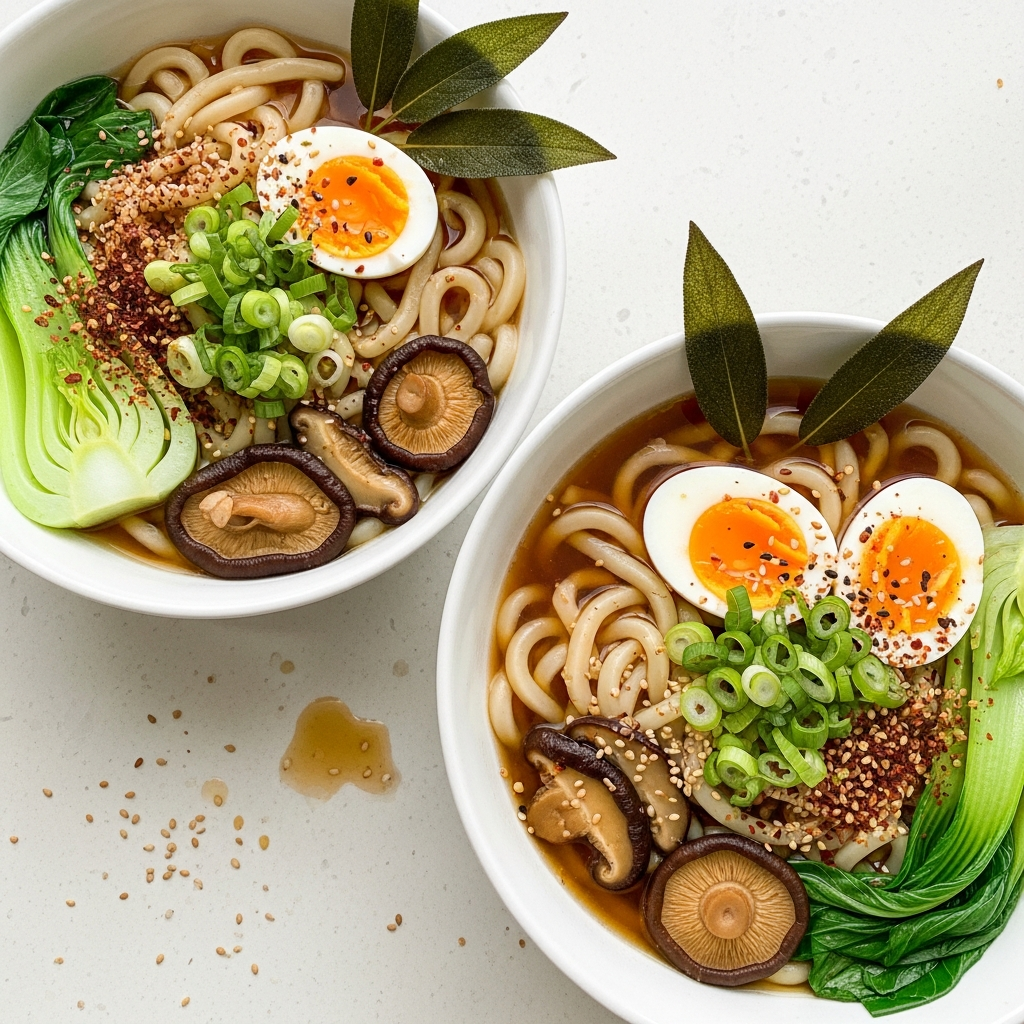
The first time I had a truly great bowl of udon noodle soup, it was on a surprisingly chilly spring evening. My husband and I had found a tiny, unassuming Japanese restaurant tucked away on a side street during a weekend trip. The air was filled with the savory scent of simmering broth, and I ordered their house special udon. When it arrived, steaming and beautiful, I was instantly in love with those thick, chewy noodles and that deeply flavorful broth. It was pure, simple comfort in a bowl.
I came home determined to recreate that experience. For weeks, I tinkered with dashi and soy sauce, trying to get that perfect balance of salty, sweet, and umami. I got close, but it felt like it was missing a little something, a touch of richness that would make it my own. One afternoon, while making a pasta dish with a brown butter sage sauce, it hit me. That nutty, complex flavor of browned butter was exactly the secret ingredient my udon noodle soup needed.
I know, I know. Brown butter in a traditional Japanese soup? It sounds a little wild, but trust me on this. It adds an incredible layer of warmth and depth that complements the classic flavors without overpowering them. The crispy sage leaves are the perfect final touch. This is that restaurant-quality soup, but with a little bit of Southern kitchen magic swirled right in.
Why This Brown Butter Udon Noodle Soup Recipe Works
Udon noodle soup is a beloved classic in Japanese cuisine, known for its comforting and restorative qualities. At its heart, it is a simple dish built on a foundation of three key elements: thick, chewy udon noodles, a savory broth called kakejiru, and various toppings. The broth is traditionally made from dashi, soy sauce, and mirin, creating a delicate balance of smoky, salty, and sweet umami flavors. Its simplicity is its strength, making it a perfect canvas for all sorts of additions, from tempura to thinly sliced beef.
This recipe honors that beautiful tradition while introducing a technique straight from a European kitchen that takes the broth to a whole new level. The secret is browning the butter before building the rest of the broth. This simple step transforms the butter, toasting the milk solids and creating a rich, nutty, and incredibly fragrant base. It adds a layer of complexity and a silky mouthfeel that you just don’t get from a traditional broth.
When you pour the dashi into that pan of browned butter, the two meld together into something truly special. The nutty butter deepens the smoky notes of the dashi, and the salty soy sauce and sweet mirin balance everything out perfectly. Then, we add fresh sage leaves to the butter for a moment, crisping them up and infusing the fat with their earthy, aromatic flavor. These crispy sage leaves become a garnish that provides a delightful textural contrast and a hint of unexpected fragrance with each bite. It’s a fusion of techniques that feels both familiar and exciting, creating an udon noodle soup that is deeply satisfying and unforgettable.
This recipe works because it doesn’t try to reinvent the wheel. Instead, it adds one special, thoughtful touch that elevates all the other components. It’s the perfect example of how a small twist can make a classic dish really pop and become a signature meal you’ll be proud to serve.
Ingredients for Udon Noodle Soup
The magic of this recipe comes from combining classic Japanese pantry staples with a couple of my favorite flavor enhancers. Quality matters here, especially for the broth, so choose the best ingredients you can find. It really makes a difference in the final bowl of soup.
Here’s what you’ll need to gather:
- 2 tablespoons unsalted butter: This is half of our secret weapon duo. Using unsalted butter allows you to control the browning process and the final saltiness of the broth. When browned, it develops a deep, nutty flavor that is simply divine.
- 4-6 fresh sage leaves: The other half of our twist. These get crisped in the brown butter, adding an earthy, savory aroma and a lovely textural crunch to the finished soup.
- 4 cups dashi (Japanese soup stock): This is the backbone of our broth. Dashi is a deeply savory stock made from kombu (kelp) and bonito flakes. You can make it from scratch or use a quality instant dashi powder or liquid concentrate. Either way, a good dashi is non-negotiable for authentic flavor.
- 3 tablespoons soy sauce: Provides the salty, umami depth. I prefer a naturally brewed Japanese soy sauce like Kikkoman for its balanced flavor.
- 2 tablespoons mirin: This is a sweet Japanese rice wine that adds a touch of sweetness and gloss to the broth, balancing the saltiness of the soy sauce.
- 1 tablespoon sake (optional): A splash of sake can add another layer of complexity and depth to the broth, but feel free to leave it out if you don’t have any on hand.
- 1 pound fresh or frozen udon noodles: The star of the show. I highly recommend using frozen udon noodles. They have a superior chewy, bouncy texture compared to the shelf-stable or dried varieties. Look for them in the freezer section of an Asian market or a well-stocked grocery store.
- 1 cup sliced shiitake mushrooms: These add a meaty texture and earthy flavor that pairs beautifully with the broth.
- 1 baby bok choy, halved lengthwise: Provides a fresh, crisp-tender element and a pop of green color.
- 2 soft-boiled eggs, halved: A creamy, jammy yolk is the perfect enrichment for the savory broth.
- 2 scallions, thinly sliced: For a fresh, mild oniony bite.
- Toasted sesame seeds, for garnish: Adds a little texture and nutty flavor.
- Shichimi togarashi (Japanese seven spice), for garnish (optional): A sprinkle of this spice blend adds a little heat and complexity. It’s a mix of chili pepper, orange peel, sesame seeds, and more.
Step-by-Step Instructions For Making Udon Noodle Soup
This soup comes together surprisingly quickly, making it a perfect meal for a busy weeknight. The key is to have all your ingredients prepped and ready to go before you start cooking. We’ll build the broth first, then cook the noodles and vegetables right before serving to make sure everything is perfect.
Step 1: Make the Brown Butter Sage Base
Start with a medium saucepan over medium heat. Add your two tablespoons of unsalted butter. Let it melt completely. Now, the important part: keep cooking it. The butter will foam up, then the foam will subside. Swirl the pan occasionally to ensure it cooks evenly. You’re looking for the milk solids at the bottom of the pan to turn a lovely golden-brown, and the butter will smell wonderfully nutty. This takes about 3 to 5 minutes. Be patient and keep a close eye on it, as it can go from perfectly browned to burnt in a matter of seconds. Once it’s that perfect color, toss in the whole sage leaves. They will sizzle and crisp up in about 30 seconds. Carefully fish them out with a fork and set them on a paper towel. They are now a delicious, crispy garnish.
Step 2: Build the Soup Broth
With the pan still over the heat, carefully pour your four cups of dashi directly into the fragrant browned butter. It will sputter and steam, so be cautious. This step is where the magic happens, as the dashi mingles with all those toasty butter notes. Bring the mixture to a simmer over medium-high heat. Once it’s simmering, stir in the soy sauce, mirin, and sake, if you’re using it. Give it all a good stir to combine. Now, reduce the heat to low just to keep the broth warm while you prepare the other components.
Step 3: Cook the Udon Noodles and Vegetables
In a separate large pot, bring a generous amount of water to a rolling boil. Add your udon noodles and cook them according to the package instructions. Frozen udon usually only takes a few minutes. They are ready when they are plump and chewy. Drain them well in a colander, shaking out any excess water. While those noodles are boiling, turn your attention back to the broth. Add the sliced shiitake mushrooms and the halved baby bok choy directly into the simmering broth. Let them cook for just 2 to 3 minutes. You want the mushrooms to be tender and the bok choy to be vibrant green and tender-crisp, not mushy.
Step 4: Assemble and Serve Your Soup
Now for the fun part, putting it all together. Divide the cooked and drained udon noodles evenly between two large, deep soup bowls. Ladle the hot, fragrant broth over the noodles, making sure to distribute the cooked mushrooms and bok choy evenly between the bowls. Top each bowl with a halved soft-boiled egg, placing it yolk-side up. Sprinkle generously with the thinly sliced scallions and toasted sesame seeds. Finally, place your reserved crispy sage leaves on top. For a little kick, finish with a dash of shichimi togarashi. Serve immediately while it’s piping hot.
How To Serve Udon Noodle Soup
Serving this udon noodle soup is all about creating a beautiful, comforting, and delicious experience. The presentation is almost as important as the taste, as it sets the stage for the wonderful meal to come. Think of each bowl as a work of art. I like to use large, deep ceramic bowls, often called donburi bowls, which are perfect for holding a generous portion of noodles and broth while giving you plenty of room for all the tasty toppings.
When you assemble the bowls, do it with a little care. Start with a neat pile of the chewy udon noodles at the bottom. Then, ladle the broth over top, arranging the shiitake mushrooms and bok choy artfully around the noodles. The goal is to let every ingredient shine. Here are a few more ideas for serving:
- Create a Toppings Bar: If you’re serving a crowd or just want to have some fun, set up a small toppings bar. In addition to the scallions, sesame seeds, and crispy sage, you could offer things like tempura flakes (tenkasu), thinly sliced narutomaki (fish cake), or extra shichimi togarashi so everyone can customize their own bowl.
- Perfect the Soft-Boiled Egg: A jammy egg is a must. The creamy yolk melts into the hot broth, adding another layer of richness. I place the egg half right in the center so it’s the first thing you see.
- Side Dish Pairings: While this soup is a complete meal on its own, sometimes it’s nice to have a little something on the side. A simple plate of salted edamame, a small dish of Japanese pickles (tsukemono), or some crispy gyoza would all be wonderful accompaniments.
- The Right Utensils: To get the full experience, serve the soup with a pair of chopsticks and a large soup spoon. The chopsticks are for grabbing the noodles and toppings, and the spoon is for sipping that incredible brown butter broth.
However you choose to serve it, the most important thing is to do it right away. Udon noodle soup is at its absolute best when it’s piping hot, the noodles are perfectly chewy, and the broth is steaming with that incredible nutty, savory aroma. It’s a dish meant to be savored the moment it’s ready.
How To Store & Reuse Udon Noodle Soup Leftovers
While this udon noodle soup is definitely best enjoyed fresh, you can absolutely save the leftovers for another day. The key to successful storage is to keep the main components separate. If you store the noodles in the broth, they will continue to soak up the liquid, becoming soft, mushy, and losing that wonderful chewy texture we worked so hard to achieve. No one wants a bowl of soggy noodles.
So, if you know you’re going to have leftovers, plan ahead as you’re serving. It’s best to store everything in airtight containers in the refrigerator. Proper separation will ensure that your next-day soup is nearly as delicious as the first time around.
Here’s the best way to store everything:
- Broth: Let the broth cool down slightly, then pour it into an airtight container. It will keep in the refrigerator for up to 3 days. The butter may solidify at the top when chilled, but it will melt right back into the broth when you reheat it.
- Noodles: Store the cooked udon noodles in a separate airtight container. You can toss them with a tiny bit of sesame oil to prevent them from sticking together. They will also last for about 2-3 days in the fridge.
- Toppings: Keep any leftover toppings like the soft-boiled eggs, mushrooms, and bok choy in their own container. Store fresh garnishes like scallions separately as well.
When you’re ready to enjoy your leftovers, reheating is simple. Pour the broth into a saucepan and gently warm it over medium heat until it’s simmering. While the broth is heating, you can quickly refresh the noodles. Either dip them in the simmering broth for about 30 seconds or pour some boiling water over them in a colander to warm them through. Place the reheated noodles in a bowl, ladle the hot broth and veggies over them, and top with your reserved eggs and fresh garnishes. It’s a fantastic and quick lunch for the next day.
Substitutions & Variations For Udon Noodle Soup
One of the things I love most about a good soup recipe is how easily you can adapt it to your own tastes or what you happen to have in your kitchen. This brown butter udon noodle soup is wonderfully versatile. While I adore the combination of shiitake mushrooms and bok choy, feel free to get creative with your additions and swaps. Think of this recipe as a starting point for your own perfect bowl of udon.
Here are some of my favorite substitutions and variations to try:
- Add Some Protein: To make the soup even more substantial, consider adding some protein. Thinly sliced chicken breast or thigh, sautéed shrimp, or even pan-seared tofu would be delicious. Just cook the protein separately and add it to the bowl before ladling the hot broth over top.
- Try Different Vegetables: Don’t have bok choy? No problem. A handful of fresh spinach wilted into the hot broth at the last minute is a great option. You could also use sliced cremini mushrooms, steamed broccoli florets, or snow peas for a different texture and flavor.
- Make it Vegetarian or Vegan: To make a vegetarian version, simply swap the standard bonito-based dashi for a kombu dashi, which is made only from kelp, or a shiitake mushroom dashi. For a vegan soup, use a vegan dashi and omit the soft-boiled egg. You could top it with pan-fried tofu instead.
- Spice It Up: If you like a little more heat, add a dash of chili oil or a spoonful of gochujang (Korean chili paste) to the broth for a spicy kick. You could also add some fresh grated ginger to the broth as it simmers for a warming, zesty note.
- Broth Variations: While the brown butter dashi is the star here, you could experiment with other broth bases. Try adding a tablespoon of white or red miso paste to the broth for an even deeper, funkier umami flavor. Just be sure to whisk it with a little bit of warm broth first to avoid clumps.
Don’t be afraid to experiment. The core of this recipe, the brown butter broth and chewy noodles, provides a fantastic foundation. Changing up the toppings is an easy way to make this dish feel new and exciting every time you make it.
Brown Butter Udon Noodle Soup with Crispy Sage
Description: A comforting and deeply flavorful udon noodle soup featuring a rich, nutty brown butter and crispy sage broth, chewy noodles, and classic toppings. A simple twist that makes this Japanese classic unforgettable.
Yield: 2 servings | Category: Soup | Cuisine: Japanese-Inspired
Prep Time: 10 minutes | Cook Time: 15 minutes
Ingredients
- 2 tablespoons unsalted butter
- 4-6 fresh sage leaves
- 4 cups dashi (Japanese soup stock)
- 3 tablespoons soy sauce
- 2 tablespoons mirin
- 1 tablespoon sake (optional)
- 1 pound fresh or frozen udon noodles
- 1 cup sliced shiitake mushrooms
- 1 baby bok choy, halved lengthwise
- 2 soft-boiled eggs, halved
- 2 scallions, thinly sliced
- Toasted sesame seeds, for garnish
- Shichimi togarashi (Japanese seven spice), for garnish (optional)
Instructions
- In a saucepan over medium heat, melt the butter. Cook until it turns golden-brown and nutty, about 3-5 minutes. Add sage leaves and cook for 30 seconds until crisp. Remove sage and set aside.
- Carefully pour dashi into the brown butter. Bring to a simmer.
- Stir in soy sauce, mirin, and sake (if using). Reduce heat to low to keep warm.
- In a separate pot, cook udon noodles according to package directions. Drain well.
- Add shiitake mushrooms and bok choy to the simmering broth and cook for 2-3 minutes until tender-crisp.
- Divide noodles between two bowls. Pour the hot broth and vegetables over the noodles.
- Top with a soft-boiled egg, scallions, crispy sage leaves, toasted sesame seeds, and shichimi togarashi. Serve immediately.
Notes
For the best texture, use frozen udon noodles. They are far superior to the dried or shelf-stable varieties. Don’t walk away from the butter while it’s browning, as it can burn quickly.
Servings: 2 | Calories: 650 kcal | Fat: 20g | Carbohydrates: 90g | Protein: 25g
5 FAQs About Udon Noodle Soup
Here are some straightforward answers to the most common questions I receive about this udon noodle soup recipe.
What is the best type of udon noodle for this soup?
This is a fantastic question, because the noodle choice really does make a huge difference in the final dish. When you go to the store, you’ll likely see three main types of udon noodles: frozen, dried, and shelf-stable (the ones vacuum-packed in plastic). Hands down, my absolute favorite for any udon noodle soup is the frozen kind. Frozen udon noodles are typically pre-cooked and then flash-frozen, which does an amazing job of preserving their texture. When you cook them, they come out perfectly plump, bouncy, and delightfully chewy, which is the signature characteristic of a great udon noodle.
Dried udon noodles are a decent second choice. They cook up much like Italian pasta and have a good texture, though sometimes not quite as bouncy as the frozen variety. The ones I recommend avoiding, if possible, are the shelf-stable, vacuum-packed noodles. While they are very convenient, I find they often have a slightly sour taste from the preservatives and can have a softer, less satisfying texture. If you can find frozen udon at an Asian market or even in the international freezer section of your regular grocery store, I promise it’s worth the extra effort to seek them out.
Can I make this udon noodle soup vegetarian or vegan?
Absolutely! This recipe is incredibly easy to adapt for a vegetarian or vegan diet. The main component you need to address is the broth, as traditional dashi is made with bonito flakes, which are dried fish flakes. To make the broth vegetarian-friendly, you need to use a plant-based dashi. The two most common types are kombu dashi, made by steeping dried kelp in water, or shiitake dashi, made from dried shiitake mushrooms. Both create a broth rich in natural umami and are a perfect substitute.
To make the dish fully vegan, you would use one of those vegan dashi options and simply omit the soft-boiled egg. To replace the richness and protein from the egg, you could add some pan-fried or baked tofu, edamame, or extra mushrooms to the soup. The rest of the ingredients, from the brown butter and sage to the soy sauce and mirin, are all plant-based, so it’s a very simple switch. The resulting vegan udon noodle soup is just as comforting and deeply flavorful.
What makes the broth in this udon noodle soup so special?
The secret to this broth is the fusion of a classic Japanese base with a French cooking technique. The foundation is a traditional dashi, which provides that essential smoky and savory umami flavor profile that is the heart of any good udon soup. We still use the classic seasonings of soy sauce for saltiness and mirin for a touch of sweetness. Where this recipe takes a delicious detour is with the addition of brown butter, or beurre noisette, and crispy sage.
Browning the butter is a simple step that has a massive impact on the flavor. By cooking the butter past the melting point, you toast the milk solids, transforming its flavor from simple and creamy to complex, nutty, and deeply aromatic. When you add the dashi to this brown butter base, it creates a broth with an incredible depth and a silky, rich mouthfeel that is truly unique. Infusing that butter with sage adds another layer of earthy, savory fragrance. It’s this unexpected but harmonious combination of nutty, savory, and smoky flavors that makes this udon noodle soup broth so special and memorable.
How do I get a perfect soft-boiled egg for udon noodle soup?
Ah, the jammy egg. It’s the crowning glory of a great bowl of noodle soup. Getting that perfectly set white and liquid gold yolk can feel intimidating, but I have a foolproof method. The key is timing and an ice bath. Start by bringing a small pot of water to a gentle, rolling boil. You want enough water to fully submerge the eggs. Using a slotted spoon, carefully lower your eggs, straight from the fridge, into the boiling water. Lowering them gently prevents them from cracking.
Set a timer for exactly 7 minutes. This is my magic number for a large egg to get firm whites and a perfectly jammy, slightly runny yolk. While the eggs are boiling, prepare an ice bath by filling a bowl with cold water and plenty of ice cubes. As soon as the timer goes off, use your slotted spoon to immediately transfer the eggs from the boiling water into the ice bath. This shocks them and, most importantly, stops the cooking process right in its tracks, ensuring the yolk doesn’t cook any further. Let them sit in the ice bath for at least 5 minutes before peeling. The cold water also helps the shell separate from the egg, making them much easier to peel. Slice them in half right before serving and place them on top of your soup.
Can I prepare parts of this udon noodle soup ahead of time?
Yes, this is a great recipe to prep ahead, which makes it even easier for a weeknight meal. The best component to make in advance is the broth. You can prepare the brown butter sage broth completely, let it cool, and then store it in an airtight container in the refrigerator for up to three days. The flavors will actually meld and deepen a bit overnight. When you’re ready to eat, you just have to gently reheat it on the stove.
You can also prepare many of the toppings in advance. The soft-boiled eggs can be cooked, peeled, and stored in the fridge for a day or two. All your vegetables, like the shiitake mushrooms and scallions, can be sliced and kept in airtight containers. With the broth made and the toppings prepped, all you have to do at dinnertime is boil the udon noodles, heat up the broth, and cook the mushrooms and bok choy for a few minutes. This turns a 25-minute recipe into a 10-minute assembly job, which is a lifesaver on busy days.
Try These Recipes Next
If you loved the comforting, savory flavors in this udon noodle soup, I have a few other soup recipes I think you’ll really enjoy.
- Quick Ground Beef Ramen: A super speedy and satisfying ramen that uses ground beef for a rich, flavorful broth in under 30 minutes.
- Simple 10 Minute Egg Drop Soup: The ultimate quick and easy comfort food. It’s light, savory, and comes together in just a few minutes.
- Crock Pot Thai Chicken Soup: Let your slow cooker do the work with this creamy, fragrant Thai-inspired soup filled with coconut milk, chicken, and wonderful spices.
Each of these will bring a little warmth and a lot of flavor to your kitchen table.