
The Coziest White Bean and Kale Soup with a Secret Flavor Boost
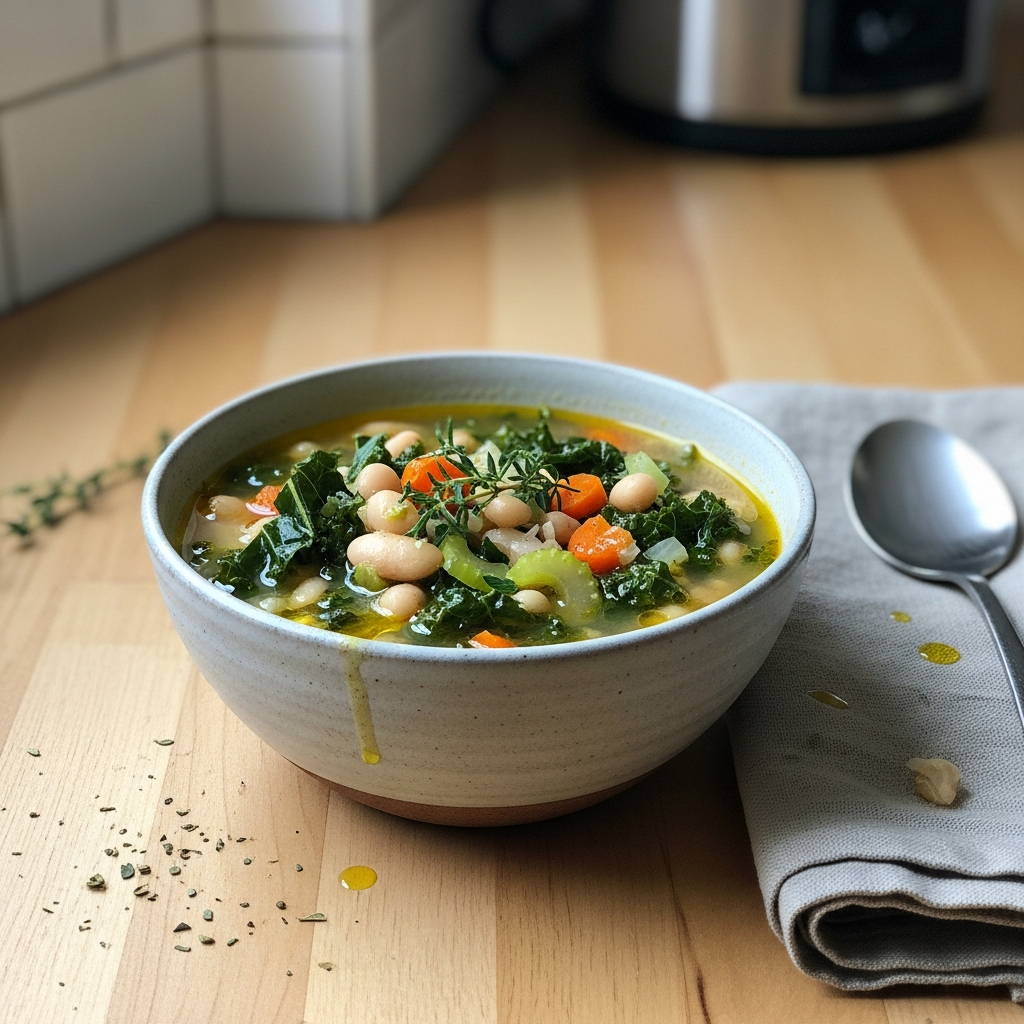
I’ll never forget the first time I tried a simple white bean and kale soup. It was at a friend’s house on one of those first truly chilly nights of fall, the kind that makes you want to curl up in a blanket with a good book. She served this soup, and it was warm, comforting, and wholesome. I loved the simplicity of it, but my mind immediately started turning, thinking of ways to give it that little extra something.
That’s just how my brain works. I can’t leave a classic recipe alone without wondering how a little tweak could make it truly sing. For weeks, I played around with this soup in my own kitchen. I tried different herbs, a splash of cream, a squeeze of lime instead of lemon. They were all fine, but none of them gave me that “wow” moment I was looking for.
Then, one afternoon, while making a salad dressing, I reached for the white miso paste in my fridge. A lightbulb went off. What if I added that savory, umami depth to the soup? I whisked a little into the broth at the very end, and y’all, that was it. That was the magic. The miso paste melts into the background, adding a rich, savory complexity that makes the entire pot of soup taste like it’s been simmering for hours. It’s the secret ingredient that makes my white bean and kale soup the one everyone asks for.
Why This White Bean and Kale Soup Recipe Works
White bean and kale soup has its roots in rustic, peasant-style Italian cooking, where it’s known for being incredibly resourceful and delicious. It’s a cousin to famous dishes like Ribollita, designed to use simple, inexpensive ingredients like beans, hardy greens, and stale bread to create something truly nourishing. It has remained popular for generations because it hits all the right notes. It is healthy, budget friendly, and comes together in under an hour.
It’s the kind of meal that feels both light and satisfying, packed with fiber from the beans and vitamins from the kale. The classic version is wonderful on its own, a testament to the power of simple ingredients cooked with care. The aromatic base of onion, carrot, and celery, known as a soffritto, builds a foundation of flavor that is both humble and profound. It’s a soup that feels good to eat.
But my version takes that solid foundation and builds something truly special on top of it. The secret is the white miso paste. Traditionally, a recipe like this might get its savory depth from a Parmesan cheese rind simmered in the broth. The miso accomplishes the same goal, but in a way that is so much more complex and interesting, and it keeps the recipe completely plant based.
The miso adds a salty, savory, almost buttery richness that you just can’t get from salt alone. It deepens the flavor of the vegetable broth, complements the earthy notes of the kale, and makes the creamy cannellini beans taste even creamier. It’s stirred in at the very end to preserve its delicate flavor and beneficial properties. This one simple step transforms a lovely, classic soup into an absolutely unforgettable one.
Ingredients for White Bean and Kale Soup
What I love about this soup is how it takes humble pantry staples and turns them into something elegant. Every ingredient plays a role, but the real star is our little secret ingredient that brings it all together. Here’s exactly what you’ll need.
- 1 tablespoon olive oil: A good quality extra virgin olive oil adds a nice, fruity note right at the start. Since it’s the base of our soup, using one you enjoy the taste of makes a difference.
- 1 large yellow onion, chopped: Yellow onions provide a sweet, aromatic base when they’re softened.
- 2 medium carrots, diced: Carrots add a touch of sweetness and beautiful color.
- 2 celery stalks, diced: Celery brings a savory, slightly peppery flavor that rounds out the base.
- 4 cloves garlic, minced: Don’t be shy with the garlic. Four cloves give the soup a wonderful, pungent kick without being overpowering.
- 1 teaspoon dried thyme: Thyme has a lovely earthy, minty flavor that pairs perfectly with beans and greens.
- 1/2 teaspoon red pepper flakes (optional): I love the little bit of warmth this adds. You can adjust the amount or leave it out entirely if you prefer a milder soup.
- 6 cups vegetable broth, divided: I recommend using a low sodium broth so you can control the final saltiness of the soup, which is important since miso is also salty.
- 2 (15-ounce) cans cannellini beans, rinsed and drained: Also known as white kidney beans, these are wonderfully creamy and hold their shape well in the soup.
- 1 bunch lacinato or curly kale, stems removed and leaves chopped: Lacinato kale, also called dinosaur kale, is my favorite for this as it becomes silky and tender. Curly kale works just as well.
- 2 tablespoons white miso paste: This is the secret weapon. White miso (or shiro miso) is fermented soybean paste and it adds an incredible savory, umami depth. Find it in the refrigerated section of most grocery stores, often near the tofu.
- 1 tablespoon fresh lemon juice: A bright splash of acid at the end lifts all the flavors and keeps the soup from tasting flat.
- Salt and freshly ground black pepper to taste: Essential for seasoning.
Step-by-Step Instructions For Making White Bean and Kale Soup
This soup comes together so quickly, making it perfect for a weeknight. The process is all about building layers of flavor, one step at a time. Grab a large pot or a Dutch oven, my preferred vessel for soups, as its heavy bottom distributes heat so evenly.
Step 1: Sauté the Vegetables
Heat the olive oil in your Dutch oven over medium heat. Once it shimmers, add the chopped onion, diced carrots, and diced celery. This trio is your flavor base. Cook them, stirring occasionally, for about 5 to 7 minutes. You want them to soften and become tender, not brown. A common mistake is rushing this part, but allowing them to slowly soften releases their natural sweetness, which is crucial for a flavorful broth.
Step 2: Bloom the Aromatics
Now, stir in the minced garlic, dried thyme, and the red pepper flakes, if you’re using them. Cook for just one more minute, stirring constantly, until you can smell that wonderful garlic and thyme aroma filling your kitchen. This quick step, called blooming, toasts the spices lightly in the oil and intensifies their flavor.
Step 3: Simmer the Broth and Beans
Pour in 5 and a half cups of the vegetable broth, reserving the last half cup for later. Bring the liquid to a gentle simmer. Add the rinsed and drained cannellini beans to the pot. Let everything simmer together for about 10 minutes. This gives the beans a chance to absorb some of the flavorful broth and for all the flavors to meld together.
Step 4: Prepare the Miso Slurry
While the soup is simmering, it’s time to prepare our secret ingredient. In a small bowl, combine the remaining half cup of vegetable broth with the two tablespoons of white miso paste. Whisk it vigorously until the miso is completely dissolved and the mixture is smooth. This is called a slurry, and it ensures the miso distributes evenly throughout the soup without any clumps.
Step 5: Wilt the Kale and Finish the Soup
Stir the chopped kale into the simmering soup. It might look like a lot at first, but it will wilt down considerably. Cook for about 5 minutes, or until the kale is tender but still has a vibrant green color. Now, for the most important part, remove the pot from the heat completely. Stir in the miso slurry and the fresh lemon juice. Waiting to add the miso until the soup is off the heat protects its delicate flavors. Finally, taste the soup and season with salt and freshly ground black pepper as needed.
How To Serve White Bean and Kale Soup
This white bean and kale soup is a complete meal in a bowl, but the right accompaniments can turn it into a truly memorable dining experience. The beauty of this soup is its versatility, it can be dressed up or down depending on the occasion. I love serving it piping hot, with a little steam rising from the bowl, especially on a cool evening.
For a simple and classic presentation, you can’t go wrong with bread. A thick slice of crusty, rustic bread, a warm baguette, or even some homemade cornbread is perfect for dipping into the flavorful broth and sopping up every last drop. Sometimes I like to rub a toasted slice of bread with a raw garlic clove and drizzle it with olive oil to make a quick bruschetta to serve alongside.
If you want to add a few finishing touches directly to the soup, here are some of my favorite ways to garnish each bowl:
- A Drizzle of Good Olive Oil: A finishing drizzle of a high quality, peppery extra virgin olive oil adds a touch of richness and fruity flavor.
- Freshly Grated Parmesan: For those who aren’t keeping it vegan, a generous sprinkle of salty, nutty Parmesan or Pecorino Romano cheese is a classic and delicious addition.
- Homemade Croutons: Toss cubes of day old bread with olive oil, salt, and herbs and toast them until golden brown for a wonderful crunch.
- Fresh Herbs: A sprinkle of fresh chopped parsley or a few fresh thyme leaves can add a pop of color and fresh flavor.
To make it an even more substantial meal, you could serve a smaller portion of the soup as a starter course, followed by a main like roasted chicken or a hearty pasta dish. It also pairs beautifully with a simple green salad tossed in a lemon vinaigrette, creating a light yet completely satisfying lunch or dinner.
How To Store & Reuse White Bean and Kale Soup Leftovers
One of the best things about making a big pot of soup is having leftovers for the next day. I think this white bean and kale soup tastes even better on day two, after the flavors have had more time to sit and mingle together. Storing it properly is key to enjoying it again later in the week.
First, always let the soup cool down to room temperature before storing it. Putting a hot pot of soup directly into the refrigerator can raise the internal temperature of the fridge, which isn’t safe for the other food in there. Once it’s cool, you have a couple of great options for storing it.
Here’s how I recommend storing your leftovers for best results:
- Refrigerating: Pour the cooled soup into an airtight container. It will keep beautifully in the refrigerator for up to 5 days. The kale will soften a bit more, but the flavor will be fantastic. When you’re ready to eat, simply reheat it gently on the stovetop over medium low heat until it’s warmed through. I find stovetop reheating preserves the texture better than a microwave.
- Freezing: This soup also freezes exceptionally well. I like to portion it into individual servings using freezer safe containers or zip top bags. This makes for a perfect quick lunch or dinner down the road. Lay the bags flat in the freezer until they are solid to save space. It can be stored in the freezer for up to 3 months. To reheat, let it thaw overnight in the refrigerator and then warm it on the stovetop.
As for reusing, beyond just reheating a bowl, you can get creative. Try blending a cup of the leftover soup with a little extra broth to create a creamy, flavorful sauce to toss with pasta. You could also use it as a base, adding in other vegetables or some leftover cooked chicken or sausage to create a whole new stew. It’s a wonderful way to make sure not a single delicious drop goes to waste.
Substitutions & Variations For White Bean and Kale Soup
This white bean and kale soup recipe is a fantastic starting point, but it’s also incredibly forgiving and adaptable. Don’t be afraid to play around with it based on what you have in your pantry or what your family prefers. It’s easy to make swaps to suit different dietary needs or just to create a new flavor profile.
The core of the recipe, the aromatic base and the beans, provides a solid foundation for your own culinary creativity. Here are a few substitutions and variations that I’ve tried and loved over the years. These ideas can help you make the soup your own.
Here are some simple ways to change things up:
- Swap the Beans: While cannellini beans are my favorite for their creamy texture, you can easily substitute them. Great Northern beans, navy beans, or even chickpeas would work wonderfully in this recipe.
- Use Different Greens: If you’re not a fan of kale or just don’t have any on hand, feel free to use other hearty greens. Swiss chard is a great option, as is spinach. Just remember to add spinach at the very end, as it wilts in a matter of seconds.
- Make it Heartier: To add some extra protein and make the soup even more substantial, you could add cooked, crumbled Italian sausage, diced pancetta, or shredded rotisserie chicken. If adding sausage or pancetta, I recommend browning it first and then using the rendered fat to sauté the vegetables.
- Change the Broth: If you don’t need the soup to be vegetarian, you can use chicken broth instead of vegetable broth for a slightly richer flavor.
- Spice It Up: For a different kind of warmth, try adding a half teaspoon of smoked paprika along with the thyme and red pepper flakes. Or, for a more herbaceous flavor, a bay leaf simmered with the broth would be lovely, just remember to remove it before serving.
These are just a few ideas to get you started. The best part about a rustic soup like this is that it’s meant to be flexible. So go ahead and experiment, and you might just discover your own secret ingredient to make it perfect for you.
White Bean and Kale Soup with a Secret Ingredient
Description: A comforting and healthy white bean and kale soup made extraordinary with the addition of white miso paste for an incredible depth of savory flavor. It’s a simple, rustic soup that’s quick enough for a weeknight but special enough for company.
Yield: 6 servings | Category: Soup | Cuisine: American, Italian-inspired
Prep Time: 15 minutes | Cook Time: 30 minutes
Ingredients
- 1 tablespoon olive oil
- 1 large yellow onion, chopped
- 2 medium carrots, diced
- 2 celery stalks, diced
- 4 cloves garlic, minced
- 1 teaspoon dried thyme
- 1/2 teaspoon red pepper flakes (optional)
- 6 cups vegetable broth, divided
- 2 (15-ounce) cans cannellini beans, rinsed and drained
- 1 bunch lacinato or curly kale, stems removed and leaves chopped
- 2 tablespoons white miso paste
- 1 tablespoon fresh lemon juice
- Salt and freshly ground black pepper to taste
Instructions
- Heat olive oil in a large pot or Dutch oven over medium heat. Add onion, carrots, and celery; cook until softened, about 5-7 minutes.
- Stir in garlic, thyme, and red pepper flakes. Cook for 1 minute until fragrant.
- Pour in 5 ½ cups of vegetable broth and add the cannellini beans. Bring to a simmer and cook for 10 minutes.
- In a small bowl, whisk the remaining ½ cup of broth with the white miso paste until smooth.
- Stir the chopped kale into the soup and cook for 5 minutes until wilted.
- Remove the pot from the heat. Stir in the miso mixture and fresh lemon juice.
- Season to taste with salt and pepper before serving.
Notes
Ensure you add the miso paste mixture off the heat to preserve its delicate flavor and beneficial probiotics. For a creamier soup, you can blend one cup of the soup (beans and broth) and stir it back into the pot.
Servings: 6 | Calories: 250 kcal | Fat: 5g | Carbohydrates: 40g | Protein: 12g
5 FAQs About White Bean and Kale Soup
Here are some straightforward answers to the most common questions I receive about this white bean and kale soup recipe.
Can I make this white bean and kale soup in a slow cooker?
Yes, you certainly can adapt this recipe for a slow cooker, which is a fantastic option for having dinner ready when you walk in the door. To do it, I would recommend still sautéing the onion, carrots, celery, and garlic on the stovetop first. This step builds a crucial layer of flavor that you would miss by just adding everything raw to the slow cooker.
After you’ve softened the vegetables and bloomed the aromatics, you can transfer everything to the slow cooker. Add the 5 and a half cups of broth and the rinsed beans, then give it all a good stir. Cook on low for 4 to 6 hours or on high for 2 to 3 hours. About 20 to 30 minutes before you plan to serve it, stir in the chopped kale. Then, right before serving, turn off the slow cooker and stir in the miso slurry (whisked with the remaining half cup of broth) and the fresh lemon juice. It’s a wonderful hands-off method for this comforting soup.
Is this white bean and kale soup recipe healthy?
Absolutely. This is one of the healthiest and most nourishing soups you can make. It’s packed with plant based goodness from top to bottom. The cannellini beans are an excellent source of plant based protein and dietary fiber, which helps keep you feeling full and satisfied. Fiber is also wonderful for digestive health. Kale is a true superfood, loaded with vitamins like A, C, and K, as well as minerals and antioxidants.
The aromatic vegetables like onions, carrots, celery, and garlic provide their own array of vitamins and health benefits. By using a low sodium vegetable broth and seasoning it yourself, you have complete control over the sodium content. The addition of miso paste not only adds flavor but also contains beneficial probiotics, which are great for gut health. This soup is naturally vegetarian, vegan, and can easily be gluten free, making it a wonderful choice for almost any dietary preference.
Why is my white bean and kale soup bitter?
A bitter taste in your white bean and kale soup can be disappointing, but it’s usually easy to fix and prevent. The most common culprit for bitterness is the kale itself. Some varieties of kale are naturally more bitter than others. Also, the thick, fibrous stems of the kale can be quite bitter, which is why the recipe specifically calls for removing them before chopping the leaves. Lacinato kale tends to be a bit sweeter and less bitter than curly kale.
Another potential source of bitterness is burnt garlic. It’s very important to cook the garlic for only about a minute, until it’s fragrant, before adding the liquid. If it cooks for too long or at too high a temperature, it can burn and impart a harsh, bitter flavor to the entire dish. If you find your finished soup is a little bitter, a squeeze of lemon juice can help balance it out. The bright acidity cuts through any bitterness and brightens the overall flavor.
How can I make my white bean and kale soup creamier without adding dairy?
This is a great question, and there are a couple of excellent techniques to achieve a creamier texture without using any cream or milk. My favorite method, which is very simple, is to use the beans themselves as a thickening agent. Once the soup has simmered for a bit, carefully ladle out about one to two cups of the soup, making sure to get plenty of beans and broth.
You can transfer this portion to a blender and blend until completely smooth, or use an immersion blender directly in the pot for a few pulses. Then, stir the pureed portion back into the soup. This will give the entire soup a wonderfully creamy body without changing the flavor. The miso paste in this recipe also contributes a certain creamy, buttery mouthfeel that enhances the overall texture. These two tricks together will give you a luxuriously creamy soup that is completely dairy free.
Can I use dried beans instead of canned for this white bean and kale soup?
Yes, using dried beans is a fantastic and very budget friendly option. It does require a bit more planning, but the flavor and texture of beans cooked from scratch are truly wonderful. You will need about 1 cup of dried cannellini beans to equal the two 15 ounce cans called for in the recipe. First, you’ll need to soak the beans. You can either do a long soak overnight in plenty of water, or a quick soak by bringing the beans and water to a boil, turning off the heat, and letting them sit for one hour.
After soaking, drain the beans and cook them in fresh water or broth until they are tender, which can take anywhere from 1 to 2 hours depending on the age of the beans. Once your beans are fully cooked and tender, you can drain them and proceed with the soup recipe exactly as written, adding them in at step 3. The soup will have an even deeper, more robust bean flavor when you cook them from scratch.
Try These Recipes Next
If you loved the comforting and flavorful nature of this soup, I have a few other recipes I know you’ll enjoy.
- Easy White Chicken Chili: A creamy and hearty chili that’s perfect for a crowd and comes together with minimal fuss.
- Moroccan Chickpea and Lentil Stew: Full of warm spices, this stew is both incredibly flavorful and wonderfully nourishing.
- Slow Cooker Moroccan Lentil Soup: Let your slow cooker do the work with this fragrant and delicious lentil soup.
Each of these dishes is packed with flavor and perfect for a cozy meal at home.