
Cozy Pork Soup with a Savory Apple Broth and Crispy Sage
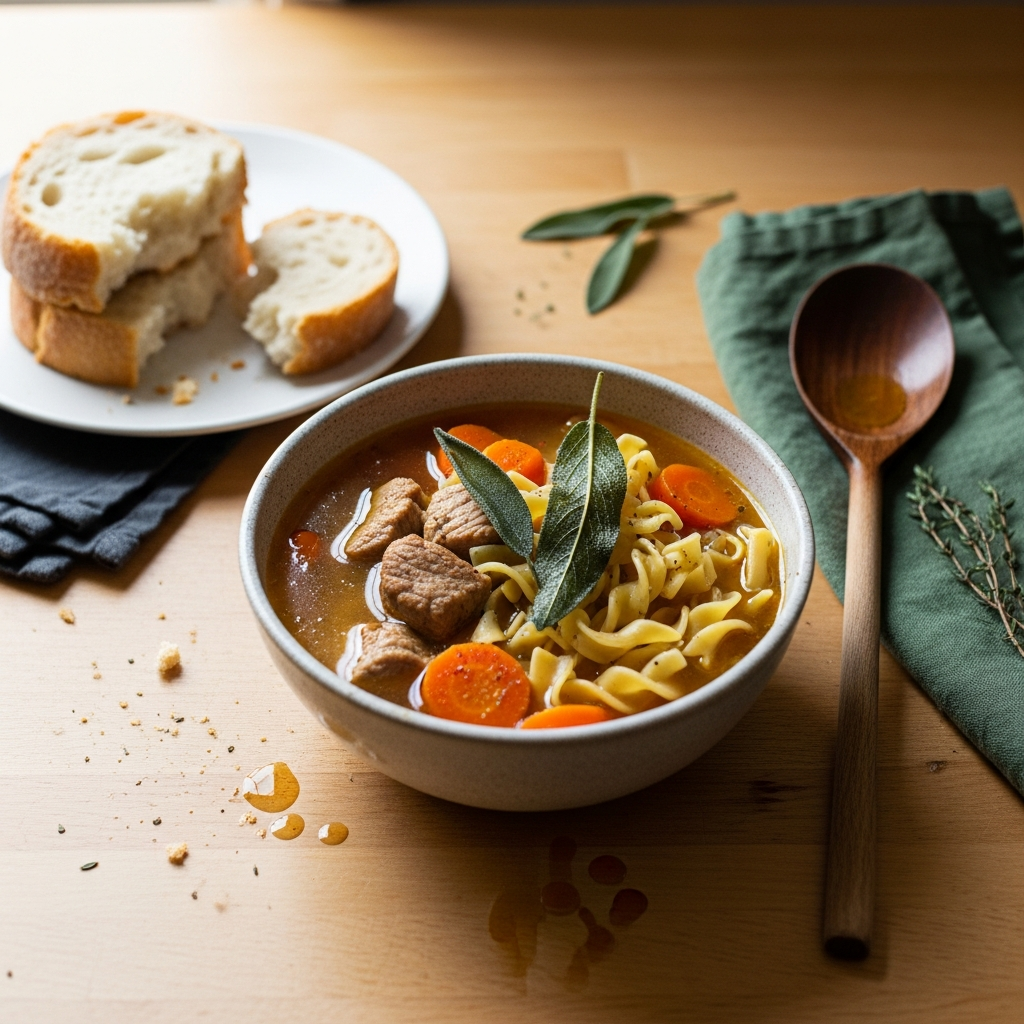
There are some flavors that just feel like fall has wrapped its arms around you. I remember my first real taste of this kind of comfort. I was visiting a friend up in the Virginia mountains one October, and the air had that perfect crispness to it. She made a simple pork soup that was hearty and warming, but I couldn’t help but think it needed a little something extra, a bit of brightness to cut through the richness.
Pork and apples are a classic Southern pairing, something my grandmother taught me early on. So when I got home, I started playing around. I thought about how the tartness of a Granny Smith apple could liven up the savory broth and how a splash of apple cider could add a subtle, sweet depth.
The real game-changer, though, came to me when I was looking at my little herb garden. Sage and pork are another match made in heaven. Frying the sage leaves in a little butter until they’re shatteringly crisp adds this incredible texture and an earthy, fragrant aroma that makes the whole dish sing. This pork and apple-infused broth soup is the result of that chilly mountain visit, a little kitchen tinkering, and a whole lot of Southern tradition.
It’s become my go to recipe for that first truly cold day of the year, the kind of meal that makes everyone at the table quiet down and just enjoy the moment.
Why This Pork Soup Recipe Works
A good pork soup is a cornerstone of comfort food for a reason. It’s hearty, satisfying, and uses simple ingredients to create something truly nourishing. Historically, soups like this were a way to make a tougher cut of meat go a long way, simmering it down with vegetables until it was fall-apart tender and had infused the broth with all its savory goodness. It’s a dish built on patience and flavor development.
Many traditional pork soup recipes stick to the basics: pork, root vegetables, broth, and some simple herbs. They are delicious and reliable, but I always felt they were missing a little spark. That’s where the magic of this particular recipe comes in. The secret lies in a trio of ingredients that elevates this classic dish into something memorable.
The grated Granny Smith apple melts into the broth, lending a subtle, bright tartness that beautifully balances the richness of the pork shoulder. It’s not an overpowering apple flavor. Instead, it adds a layer of complexity that keeps you coming back for another spoonful. The apple cider deepens this note and helps deglaze the pan, pulling up all those delicious browned bits of pork for maximum flavor.
Then comes the garnish, which is so much more than just a pretty topping. Frying fresh sage leaves in butter until they’re crisp transforms them. They become fragrant, delicate, and slightly nutty. Sprinkling these crispy sage leaves over the finished soup adds an incredible textural contrast and a final burst of earthy, aromatic flavor that perfectly complements the pork and apple. It’s this thoughtful combination that makes the recipe truly special.
Ingredients for Pork Soup
The beauty of this soup is how it uses humble, accessible ingredients to build layers of incredible flavor. While the list might look simple, each component plays a crucial role in creating the final, comforting bowl. The real star, the twist that sets this recipe apart, is the apple and sage combination. It’s a classic pairing for pork that feels brand new in this cozy soup.
Quality matters, especially with the pork. I call for pork shoulder because it has wonderful marbling. That fat renders down during the long, slow simmer, making the meat incredibly tender and enriching the broth with a deep, savory flavor. Don’t be tempted to use a leaner cut like loin, as it can become dry and tough with this cooking method.
Here’s everything you’ll need to make this delicious pork soup:
- 1 tbsp olive oil
- 1 lb pork shoulder, cut into 1/2-inch cubes
- 1 large yellow onion, chopped
- 2 carrots, peeled and diced
- 2 celery stalks, diced
- 3 cloves garlic, minced
- 1 Granny Smith apple, peeled, cored, and grated
- 1/2 cup apple cider
- 6 cups chicken or vegetable broth
- 1 tsp dried thyme
- 1 bay leaf
- Salt and freshly ground black pepper to taste
- 2 tbsp fresh sage leaves
- 1 tbsp butter
- Cooked egg noodles or crusty bread for serving
For the apple, a Granny Smith is my first choice because its tartness holds up beautifully against the richness of the pork. A sweeter apple might get lost or make the soup too sweet. And please, use fresh sage leaves. The dried, powdered kind just won’t give you that same crispy texture or intense, fresh aroma that makes the garnish so special. This is one of those small details that makes a huge difference.
Step-by-Step Instructions For Making Pork Soup
This recipe is all about building flavor in layers, starting with a good sear on the pork and ending with a fragrant, crispy garnish. Don’t rush the steps. The patience you put in will pay off in the final taste. A heavy-bottomed pot or a Dutch oven is your best friend here, as it distributes heat evenly and helps you get a perfect brown on the meat without scorching.
Step 1: Sear the Pork
First things first, pat your pork cubes completely dry with a paper towel. This is a critical step for getting a good sear. Moisture is the enemy of browning! Season the dry pork generously with salt and pepper. Heat your olive oil in the Dutch oven over medium-high heat until it shimmers, then carefully place the pork in a single layer. You might need to do this in two batches to avoid overcrowding the pot, which would steam the meat instead of searing it. Let the pork get deeply browned on all sides before removing it and setting it aside on a plate.
Step 2: Sauté the Vegetables
Lower the heat to medium and add your chopped onion, carrots, and celery to the same pot. There’s no need to clean it out. All those browned bits left from the pork are pure flavor. Sauté the vegetables for about 5 to 7 minutes, stirring occasionally, until they’ve softened and the onion is translucent. Then, add the minced garlic and cook for just one more minute until you can smell its wonderful aroma. Be careful not to let the garlic burn.
Step 3: Add the Grated Apple
Now for our secret ingredient. Stir in the grated Granny Smith apple. Cook it for a couple of minutes, stirring it in with the vegetables. It will start to soften and release some of its juices, mingling with the savory flavors already in the pot.
Step 4: Deglaze with Apple Cider
Pour in the apple cider. This is where the magic happens. As the cider hits the hot pan, use a wooden spoon to scrape up all those flavorful browned bits stuck to the bottom. This process, called deglazing, is key to a rich broth. Let the cider simmer and bubble away until it has reduced by about half, which concentrates its flavor.
Step 5: Simmer the Soup
Return the seared pork and any accumulated juices back to the pot. Pour in the chicken or vegetable broth, add the dried thyme and the bay leaf, and give everything a good stir. Bring the mixture to a lively simmer over medium-high heat.
Step 6: Low and Slow Cooking
Once the soup is simmering, reduce the heat to low, put the lid on the pot, and let it all gently simmer for at least an hour. This long, slow cook is what makes the pork shoulder incredibly tender. The longer it simmers, the more tender it will get.
Step 7: Prepare the Crispy Sage
While the soup is working its magic, you can make the garnish. Melt the butter in a small skillet over medium heat. Once it’s foamy, add the fresh sage leaves in a single layer. Cook them for one to two minutes per side. They’re done when they turn a darker green, become stiff, and smell incredibly fragrant. Use tongs to remove them to a paper towel-lined plate to drain.
Step 8: Final Seasoning
After an hour of simmering, your pork should be perfectly tender. Fish out the bay leaf and discard it. Give the soup a taste. Now is the time to adjust the seasoning, adding more salt and freshly ground black pepper until it tastes just right to you.
Step 9: Garnish and Serve
Ladle your beautiful, hot pork soup into bowls. You can serve it over a bed of cooked egg noodles or with a thick slice of crusty bread on the side for dipping. Just before you serve, crumble the crispy sage leaves over the top of each bowl. Enjoy immediately!
How To Serve Pork Soup
Serving this pork soup is almost as much fun as making it. The rich, apple-infused broth and tender pork create a perfect canvas for a few simple but elegant touches. The crispy sage is non-negotiable in my house, as it adds that final flourish of texture and aroma that brings the whole dish together. But beyond that, there are plenty of ways to present this beautiful soup.
My go to method is to ladle the soup over a generous portion of wide egg noodles right in the bowl. The noodles soak up the delicious broth, and it turns the soup into a complete, hearty meal. Alternatively, serving it with a thick slice of crusty, artisan bread is just heavenly. There’s nothing better than dipping a piece of good bread into that savory broth to soak up every last drop.
If you want to get a little fancier or add some different layers of flavor and texture, here are a few of my favorite ideas:
- A Dollop of Dairy: A spoonful of full-fat sour cream or crème fraîche stirred into the soup just before eating adds a wonderful creamy tang that complements the apple and pork beautifully.
- Add Some Greens: For a bit of freshness and color, you can wilt a handful of spinach or kale into the soup during the last five minutes of simmering. It adds extra nutrients and a lovely texture.
- Cheese, Please: Serve the soup with a side of sharp cheddar cheese slices and crackers, or even a savory cheddar scone. The sharpness of the cheese is a fantastic contrast to the subtle sweetness of the soup.
- A Bit of Spice: For those who like a little heat, a small sprinkle of red pepper flakes on top can add a nice, gentle warmth that works surprisingly well with the other flavors.
No matter how you choose to serve it, make sure the soup is piping hot. This is the ultimate cozy meal, meant to be enjoyed on a chilly day when you need something to warm you from the inside out. Gather your family, fill some bowls, and enjoy the comforting flavors you’ve created.
How To Store & Reuse Pork Soup Leftovers
One of the best things about making a big pot of soup is having leftovers. This pork soup is one of those dishes that I think tastes even better the next day, after all the flavors have had more time to meld and deepen. Storing it properly is key to enjoying it again, whether it’s for lunch tomorrow or a quick dinner next month.
The most important thing is to let the soup cool down completely before you store it. Placing a hot pot of soup directly into the refrigerator can raise the internal temperature of the fridge, which isn’t safe for the other food in there. I usually let it sit on the counter for about an hour before transferring it to storage containers.
Here’s how I handle storing and reheating my leftover pork soup:
- Refrigerating: For short-term storage, ladle the cooled soup into airtight containers. It will keep beautifully in the refrigerator for up to 4 days. When you’re ready to eat, simply reheat it gently in a saucepan over medium-low heat until it’s warmed through. Avoid boiling it, as this can make the pork a bit tough.
- Freezing: This soup freezes wonderfully! It’s a perfect meal to have on hand for a busy weeknight. Pour the cooled soup into freezer-safe containers or heavy-duty freezer bags, leaving about an inch of space at the top for expansion. It can be frozen for up to 3 months. To serve, thaw it overnight in the refrigerator and then reheat on the stovetop.
- Reusing Creatively: If you want to transform your leftovers into something new, try this. Reheat the soup in a pot and add a cornstarch slurry (1 tablespoon of cornstarch mixed with 2 tablespoons of cold water) to thicken it into a rich stew. You can then serve this over mashed potatoes or even use it as a filling for a savory pot pie. It’s a delicious way to give your leftovers a second life.
Just a quick note, if you served the soup with noodles, it’s best to store the soup and noodles separately. The noodles can become mushy if they sit in the broth for too long. The crispy sage garnish should always be made fresh just before serving for the best texture and flavor.
Substitutions & Variations For Pork Soup
While I absolutely adore this pork soup exactly as written, a great recipe should always have a little room for you to play and make it your own. Whether you’re missing an ingredient or want to experiment with different flavors, this soup is very forgiving and adaptable. You can easily tweak it to suit your tastes or what you happen to have in your pantry.
The core components, pork, broth, and aromatics, provide a solid foundation. From there, you can swap things in and out. For instance, if pork shoulder isn’t available, you could use a pork butt or even boneless country-style ribs, cut into cubes. Just be sure to choose a cut with some fat for the best flavor and tenderness. Even the apple can be swapped, though it will change the flavor profile. A Honeycrisp or Braeburn would lend a sweeter note if you prefer that over the tartness of a Granny Smith.
Here are some of my favorite substitutions and variations to try:
- Protein Swaps: If you’re not a fan of pork, this soup works wonderfully with boneless, skinless chicken thighs. Cut them into chunks and follow the same searing and simmering instructions. For a richer flavor, you could even use beef chuck roast.
- Add More Veggies: Feel free to bulk up the soup with more vegetables. Diced potatoes (like Yukon Gold), parsnips, or even cubes of butternut squash would be delicious additions. Add them along with the carrots and celery.
- Herb Variations: If you don’t have sage, fresh rosemary is another classic pairing with pork and apple. You could add a sprig to the pot while the soup simmers. For the garnish, crispy fried rosemary leaves are just as delightful as sage.
- Make it Creamy: For a richer, creamier soup, stir in a half-cup of heavy cream at the very end of cooking, just before you serve. Let it heat through but do not let it come to a boil.
- Gluten-Free Option: To make this recipe gluten-free, simply serve it on its own or with your favorite gluten-free bread for dipping. The soup itself is naturally gluten-free.
Don’t be afraid to experiment. Cooking is all about making food that you and your family love, so use this recipe as a starting point and let your creativity shine.
Pork and Apple-Infused Broth Soup with Crispy Sage
Description: A heartwarming pork soup with tender pork shoulder, a savory broth infused with the subtle tartness of apple, and a crispy sage garnish for a perfect finishing touch.
Yield: 6 servings | Category: Soup | Cuisine: American
Prep Time: 15 minutes | Cook Time: 1 hour 30 minutes
Ingredients
- 1 tbsp olive oil
- 1 lb pork shoulder, cut into 1/2-inch cubes
- 1 large yellow onion, chopped
- 2 carrots, peeled and diced
- 2 celery stalks, diced
- 3 cloves garlic, minced
- 1 Granny Smith apple, peeled, cored, and grated
- 1/2 cup apple cider
- 6 cups chicken or vegetable broth
- 1 tsp dried thyme
- 1 bay leaf
- Salt and freshly ground black pepper to taste
- 2 tbsp fresh sage leaves
- 1 tbsp butter
- Cooked egg noodles or crusty bread for serving
Instructions
- Pat pork dry and season with salt and pepper. Heat olive oil in a large pot over medium-high heat and sear pork until browned. Remove and set aside.
- Reduce heat to medium, add onion, carrots, and celery. Sauté for 5-7 minutes until soft. Add garlic and cook for 1 minute.
- Stir in grated apple and cook for 2-3 minutes.
- Pour in apple cider to deglaze the pot, scraping up browned bits. Simmer until reduced by half.
- Return pork to the pot. Add broth, thyme, and bay leaf. Bring to a simmer.
- Reduce heat to low, cover, and simmer for at least 1 hour, until pork is tender.
- While soup simmers, melt butter in a small skillet. Fry sage leaves until crispy. Drain on a paper towel.
- Remove bay leaf from soup. Season with salt and pepper to taste.
- Serve hot, garnished with crispy sage leaves, over noodles or with bread.
Notes
Ensure pork is well-browned for maximum flavor. Use fresh sage for the best crispy garnish. The soup’s flavor deepens and is even better the next day.
Servings: 6 | Calories: 350kcal | Fat: 20g | Carbohydrates: 15g | Protein: 25g
5 FAQs About Pork Soup
Here are some straightforward answers to the most common questions I receive about this pork soup recipe.
What is the best cut of pork for pork soup?
For a brothy, slow-simmered soup like this one, the best cut of pork is definitely the pork shoulder, which is also sometimes called a pork butt or Boston butt. This cut comes from the upper part of the pig’s shoulder and has a fantastic amount of fat marbling and connective tissue. While that might not sound appealing, those are the exact qualities you want for this type of cooking. As the soup simmers gently for a long time, the fat renders out, adding incredible richness and depth to the broth.
Simultaneously, the connective tissue, which is mostly collagen, breaks down and melts into gelatin. This process is what transforms the pork from a potentially tough cut into something incredibly tender, juicy, and fall-apart delicious. Using a leaner cut, like pork loin or tenderloin, would be a mistake here. Those cuts lack the necessary fat and collagen, and they would likely become dry, chewy, and tough after an hour of simmering. Stick with pork shoulder for the best, most succulent results in your pork soup.
Can I make this pork soup in a slow cooker?
Yes, you absolutely can adapt this pork soup recipe for a slow cooker, and it’s a wonderful way to have a hot, delicious meal waiting for you at the end of the day. The slow, gentle heat of a Crock-Pot is perfect for tenderizing the pork shoulder. However, for the best flavor, you should not skip the initial steps on the stovetop. Searing the pork and sautéing the vegetables are crucial for developing the deep, savory base of the soup. That browning process, known as the Maillard reaction, creates complex flavors that you just can’t get by putting raw ingredients directly into the slow cooker.
To convert the recipe, follow the first four steps as written in a skillet on the stove: sear the pork, sauté the vegetables and apple, and deglaze the pan with apple cider. Once you have deglazed the pan, transfer everything from the skillet into your slow cooker. Add the seared pork, broth, thyme, and bay leaf. Stir it all together, cover, and cook on low for 6 to 8 hours or on high for 3 to 4 hours. The pork should be perfectly tender. You can prepare the crispy sage garnish on the stovetop just before serving.
How do I prevent the pork in my soup from becoming tough?
The key to tender, juicy pork in your soup comes down to two main factors: choosing the right cut of meat and using the right cooking method. As mentioned before, pork shoulder is the ideal choice. Its inherent fat and connective tissue are your insurance against dry, tough meat. A leaner cut will almost always result in a chewy texture, no matter how carefully you cook it. So, start with the right foundation.
The second, equally important factor is cooking it low and slow. After you bring the soup to a simmer, it’s vital to reduce the heat so that it maintains a very gentle, lazy bubble, not a rolling boil. A vigorous boil will cause the muscle fibers in the meat to seize up and tighten, squeezing out moisture and making the pork tough. A gentle simmer allows the connective tissue to slowly break down and dissolve, tenderizing the meat fibers and keeping them moist and succulent. So, be patient. Give the soup at least an hour, or even an hour and a half, on that low simmer. You’ll be rewarded with pork that is melt-in-your-mouth tender.
What makes the broth in this pork soup so flavorful?
The rich, complex broth in this pork soup is the result of building flavors in deliberate layers throughout the cooking process. It doesn’t come from just one ingredient, but from the combination of techniques and components working together in harmony. The first layer of flavor comes from searing the pork shoulder. Getting a deep, golden-brown crust on the meat creates a foundational savory, roasted flavor that you can’t achieve otherwise. Those browned bits left in the bottom of the pot, known as the fond, are concentrated flavor bombs.
The next layer is built by sautéing the mirepoix, the classic trio of onion, carrots, and celery, in the rendered pork fat. This adds a sweet, aromatic base. Then, we add the twist: the grated Granny Smith apple and the apple cider. The apple adds a subtle tartness and sweetness, while the cider deglazes the pan, lifting all that flavorful fond into the liquid. Finally, the long, slow simmer allows all these individual flavors, along with the thyme and bay leaf, to meld together into a cohesive, deeply satisfying, and well-balanced broth that is both savory and bright.
Is this pork soup recipe healthy?
“Healthy” can mean different things to different people, but I would consider this pork soup to be a wonderfully nourishing and wholesome meal. It’s packed with real, unprocessed ingredients. You have high-quality protein from the pork, which is essential for muscle repair and satiety. The soup is also loaded with vegetables like carrots, celery, and onions, which provide essential vitamins, minerals, and fiber. The broth itself is hydrating and can be very soothing, especially on a cold day.
While pork shoulder does contain fat, much of it renders during the cooking process. If you are concerned about the fat content, you can easily chill the soup after cooking and skim the solidified fat from the surface before reheating and serving. The recipe uses minimal added oil and butter. Overall, it’s a balanced, hearty dish made from scratch. When served as part of a balanced diet, this homemade pork soup is a comforting and nutritious choice that is far better for you than many processed or canned soup alternatives.
Try These Recipes Next
If you loved the cozy, comforting flavors of this soup, I have a few others I think you’ll really enjoy.
- Creamy Sausage Tortellini Soup: This one is pure comfort in a bowl, with savory Italian sausage, cheesy tortellini, and a rich, creamy tomato broth. It’s a family favorite for a reason!
- Spicy Chorizo Crockpot Tortellini Soup: For those who like a little kick, this slow cooker soup features spicy chorizo sausage and smoky paprika for a deep, complex flavor that’s incredibly easy to make.
- Slow Cooker Potato, Ham & Leek Soup: A classic combination that’s both elegant and hearty. The sweet leeks, salty ham, and creamy potatoes come together beautifully in this simple slow cooker recipe.
I hope you find a new favorite among them. Happy cooking, y’all!