
Savory Cottage Cheese Bread with Roasted Garlic and Sun-Dried Tomatoes
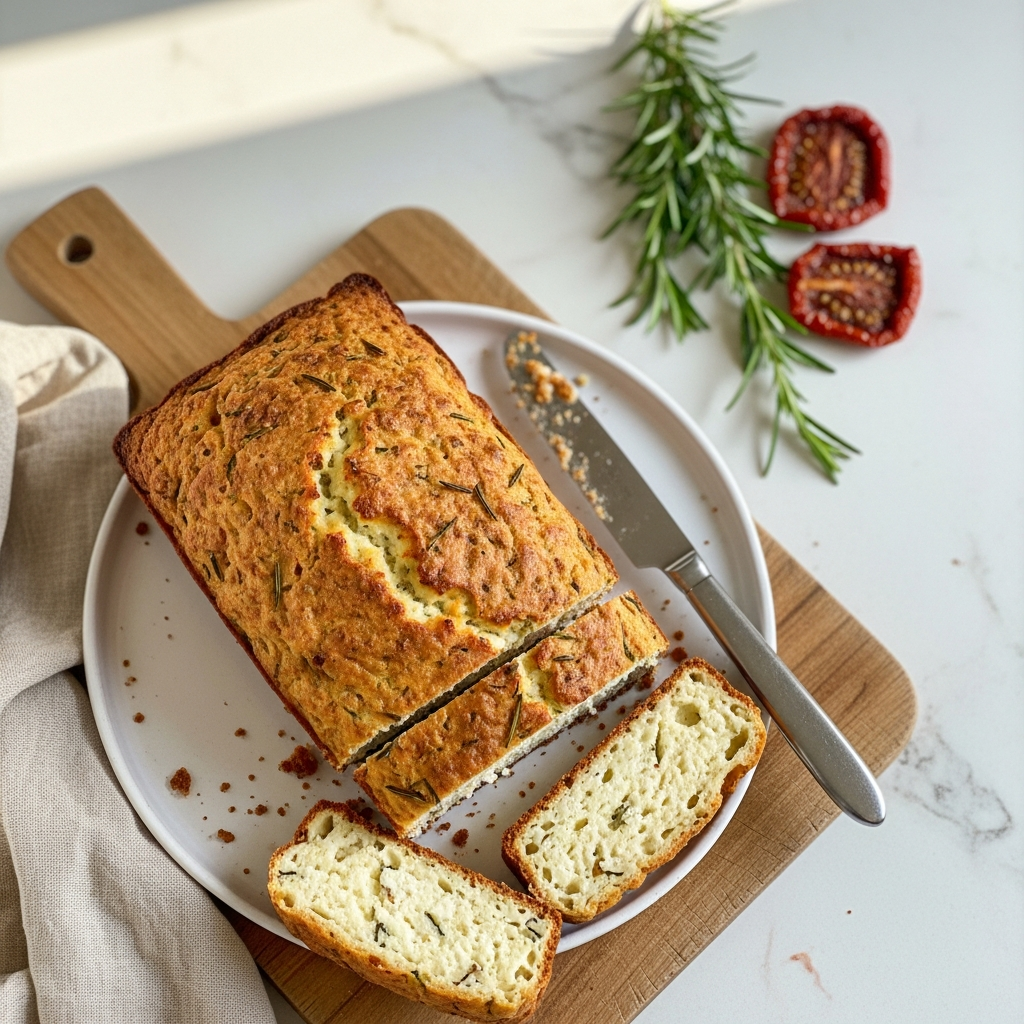
I remember scrolling through my phone one afternoon, seeing video after video of folks blending cottage cheese into just about everything. Ice cream, pasta sauce, and even bread. I have to admit, my Southern sensibilities were a little bit scandalized at first. Cottage cheese was for fruit plates or maybe a lasagna, not for the foundation of a good, sturdy loaf of bread.
But the more I saw it, the more my curiosity got the better of me. A bread that was packed with protein and naturally gluten-free? The challenge was just too tempting. I knew I couldn’t just make the plain version, though. It needed a little something extra, a twist to make it feel like it came from my kitchen. This Savory Roasted Garlic and Sun-Dried Tomato Cottage Cheese Bread is the result of that curiosity.
I decided to lean into a savory, almost Mediterranean profile. Roasting a whole head of garlic until it’s sweet and creamy, then blending it right into the batter, gives the bread a depth of flavor that is just heavenly. Paired with chewy, tangy sun-dried tomatoes and the buttery crunch of toasted pine nuts, this bread is more than just a trend. It’s a genuinely delicious, hearty loaf that’s become a staple for quick lunches and easy appetizers in my house.
It’s become my go-to for a sophisticated yet simple bite to serve when friends drop by.
Why This Cottage Cheese Bread Recipe Works
The original viral cottage cheese bread took the internet by storm for a few very good reasons. It’s incredibly simple, requiring just a handful of ingredients, most of which you might already have. It’s also a powerhouse of protein and is completely gluten-free, thanks to the use of oat flour, which appeals to so many of us looking for healthier alternatives to traditional baked goods. The basic recipe creates a wonderfully moist, slightly dense bread with a soft crust and a tender crumb.
It’s a fantastic blank canvas. While the plain version is pleasant, it can be a little one-note. That’s where my special twist comes in to elevate it from a simple snack to a show-stopping savory loaf. The real magic in this recipe is the addition of roasted garlic, sun-dried tomatoes, and pine nuts. Roasting a whole head of garlic transforms it from pungent and sharp into something sweet, mellow, and deeply aromatic. When blended into the cottage cheese base, it infuses the entire loaf with a sophisticated flavor that you just can’t get from garlic powder.
Then, we fold in chopped sun-dried tomatoes. These little gems provide bursts of tangy, concentrated tomato flavor and a wonderful, slightly chewy texture that contrasts beautifully with the soft bread. The toasted pine nuts add another layer of texture with their satisfying crunch and rich, buttery taste. Together, these ingredients turn a simple, high-protein bread into a flavorful, gourmet experience. It’s the kind of bread you’d expect to find at a fancy bakery, but it’s easy enough to make right in your own kitchen. It makes the bread feel intentional and special, a loaf worthy of a dinner party or a really, really good sandwich.
Ingredients for Cottage Cheese Bread
The beauty of this recipe is its simplicity, but the quality of your ingredients truly makes a difference in the final loaf. Each component is chosen to build a rich, savory flavor profile that feels both comforting and a little bit fancy. Here’s exactly what you’ll need to make this incredible Cottage Cheese Bread.
- 2 cups full-fat cottage cheese
- 4 large eggs
- 2 cups oat flour (or rolled oats blended into a fine flour)
- 1 tablespoon baking powder
- 1/2 teaspoon salt
- 1 whole head of garlic
- 1 tablespoon olive oil
- 1/2 cup oil-packed sun-dried tomatoes, drained and chopped
- 1/4 cup toasted pine nuts
- 1 tablespoon fresh rosemary, finely chopped (optional)
A few notes on these ingredients are in order. For the cottage cheese, please use full-fat. The fat content is crucial for a moist, tender crumb. Low-fat or non-fat versions have more water and can result in a gummy texture. Small curd or large curd works just fine since you’ll be blending it smooth.
The star of the show, and my special twist, is the whole head of roasted garlic. This isn’t the time for garlic powder. Roasting the garlic brings out a deep, caramelized sweetness that is the heart and soul of this savory loaf. It’s a simple step that yields a huge flavor payoff.
For the sun-dried tomatoes, I strongly recommend using the kind packed in oil. They are more pliable and flavorful than the dry-packed variety and they contribute a little extra moisture to the bread. Just be sure to drain them well before chopping and adding them to the batter. The toasted pine nuts and fresh rosemary round everything out, adding texture, aroma, and that perfect Mediterranean touch that makes this cottage cheese bread recipe unforgettable.
Step-by-Step Instructions For Making Cottage Cheese Bread
Making this bread is surprisingly straightforward. The most time-consuming part is roasting the garlic, but it’s mostly hands-off time that fills your kitchen with the most wonderful aroma. Let’s walk through it together, step by step.
Step 1: Roast the Garlic
First, preheat your oven to 400°F. Take your whole head of garlic and, using a sharp knife, slice off about a quarter-inch from the top to expose the tops of the cloves. Place the garlic head on a small piece of aluminum foil, drizzle it with olive oil, and use your fingers to rub it in a little. Loosely wrap the foil around the garlic and place it in the oven to roast for 30-35 minutes. You’ll know it’s ready when the cloves are soft, fragrant, and lightly golden. Let it cool for a few minutes until you can handle it.
Step 2: Prepare the Pan and Oven
Once the garlic is out, reduce the oven temperature to 375°F. This is the temperature we’ll use to bake the bread. Prepare a 9×5 inch loaf pan by greasing it well and lining it with a sheet of parchment paper, allowing some to hang over the sides. This “sling” will make it much easier to lift the finished loaf out of the pan.
Step 3: Blend the Wet Ingredients
In a high-powered blender or a food processor, combine the full-fat cottage cheese and the four large eggs. Now for the best part. Squeeze the cooled roasted garlic cloves out of their papery skins directly into the blender. The soft, caramelized cloves should pop right out. Blend this mixture on high until it is completely smooth and creamy. Scrape down the sides once or twice to make sure there are no lumps of cottage cheese left.
Step 4: Combine Dry and Wet Ingredients
In a separate large bowl, whisk together your oat flour, baking powder, and salt. Pour the smooth cottage cheese mixture from the blender into the bowl with the dry ingredients. Use a spatula to stir everything together until it’s just combined. Be careful not to overmix; a few little streaks of flour are okay.
Step 5: Fold in the Add-ins
Gently fold in your chopped sun-dried tomatoes, toasted pine nuts, and the optional fresh rosemary. This is what makes the bread so special, so distribute them evenly throughout the batter. Pour the final batter into your prepared loaf pan and use your spatula to spread it into an even layer.
Step 6: Bake and Cool the Bread
Bake for 45 to 55 minutes. The bread is done when the top is a beautiful golden brown and a toothpick or cake tester inserted into the center comes out clean. Let the loaf cool in the pan on a wire rack for about 10 minutes. Then, use the parchment paper sling to lift it out of the pan and let it cool completely on the wire rack before slicing. This last step is important, as slicing it while warm can make it seem gummy inside.
How To Serve Cottage Cheese Bread
This savory cottage cheese bread is wonderfully versatile and can be served in so many delicious ways. Because of the roasted garlic, sun-dried tomatoes, and pine nuts, it stands up beautifully on its own, but it also serves as a fantastic base for all sorts of toppings and pairings. It’s perfect for breakfast, lunch, or even as an elegant appetizer for a get-together.
One of my favorite simple pleasures is a thick slice, lightly toasted, with a smear of good-quality salted butter. The heat from the toaster warms up the garlic and tomatoes, making it incredibly fragrant. It’s also sturdy enough to be the star of your lunch plate. It makes the absolute best avocado toast, and it’s a wonderful foundation for an open-faced sandwich with sliced turkey, provolone, and a little arugula.
Here are a few of my favorite ways to serve this delicious loaf:
- As a Side for Soups and Salads: A slice of this bread is the perfect companion to a bowl of creamy tomato soup or a hearty lentil stew. It’s also wonderful alongside a big Italian salad, perfect for sopping up any leftover vinaigrette.
- For an Appetizer Platter: Slice the bread thin, toast the slices until crisp, and you have instant crostini. Top them with a dollop of fresh ricotta, some basil pesto, or a simple tapenade for an easy and impressive appetizer.
- Elevated Breakfast Toast: Toast a slice and top it with a perfectly fried or poached egg. The runny yolk mingling with the savory bread is just divine. You could also spread it with cream cheese and top it with everything bagel seasoning.
- With a Cheese Board: The savory, complex flavors of this bread make it a natural fit for a cheese or charcuterie board. It pairs wonderfully with sharp cheddar, creamy goat cheese, or salty prosciutto.
No matter how you choose to serve it, this bread is sure to be a hit. It’s satisfying, flavorful, and feels just a little more special than your average slice of toast, making any meal feel a bit more thoughtful and put-together.
How To Store & Reuse Cottage Cheese Bread Leftovers
Because this bread is made with cottage cheese and eggs, it’s important to store it properly to keep it fresh and safe to eat. Unlike traditional flour-based breads that can sit on the counter, this loaf needs to be refrigerated. But don’t you worry, it stores beautifully and can be enjoyed for several days after baking. Plus, the leftovers are just as versatile as the fresh loaf.
Once the bread has cooled completely to room temperature, wrap it tightly in plastic wrap or place it in an airtight container. Store it in the refrigerator for up to five days. The bread will firm up a bit in the cold, so I always recommend toasting a slice before enjoying it. A quick trip to the toaster oven or a hot skillet warms it through, softens the crumb, and brings all those wonderful savory aromas right back to life.
If you find you have more bread than you can eat in a few days, it also freezes exceptionally well.
- Freezing Instructions: For best results, I recommend pre-slicing the entire loaf before freezing. This way, you can just pull out a slice or two as needed. Place sheets of parchment or wax paper between the slices to prevent them from sticking together. Put the sliced loaf into a freezer-safe zip-top bag, press out as much air as possible, and store it in the freezer for up to three months.
- Reheating from Frozen: There’s no need to thaw. You can pop a frozen slice directly into the toaster or toaster oven. It might take an extra minute or two to toast, but it will taste just as fresh and delicious as the day you baked it.
- Creative Leftover Ideas: If you have a few slices that are getting a little stale, don’t throw them away! Cut them into cubes, toss with a little olive oil and herbs, and bake at 375°F until golden and crisp to make the most amazing homemade croutons for salads and soups. You could also use the stale bread to make a savory bread pudding or a breakfast strata.
Proper storage ensures you can enjoy every last crumb of this tasty and protein-packed bread. It’s just too good to let any of it go to waste!
Substitutions & Variations For Cottage Cheese Bread
One of the things I love most about this cottage cheese bread recipe is how adaptable it is. While I’m partial to the roasted garlic and sun-dried tomato combination, you can easily swap ingredients based on what you have on hand or what flavors you’re craving. It’s a wonderful base recipe to experiment with. Here are a few tried-and-true substitutions and variations to get you started.
Remember that changing ingredients can alter the texture and moisture content slightly, so you may need to keep an eye on the baking time. This bread is quite forgiving, so feel free to have some fun and make it your own. The goal is to create a loaf you’ll absolutely love to eat.
Here are some ideas for substitutions and fun variations:
- Flour Alternatives: While oat flour is my go-to for its mild flavor and great texture, you could substitute it with almond flour for an even lower-carb, higher-protein option. The texture will be a bit denser and more cake-like. I would not recommend using coconut flour as it’s highly absorbent and would require significant adjustments to the wet ingredients.
- Different Cheeses: If you’re not a fan of cottage cheese, you could try using full-fat ricotta cheese instead. It will give the bread a slightly different, richer flavor and a very tender crumb. You could also fold in a half-cup of grated Parmesan or sharp cheddar cheese along with the other add-ins for an extra cheesy loaf.
- Savory Add-In Swaps: The sky is the limit here! Instead of sun-dried tomatoes, try using chopped roasted red peppers, marinated artichoke hearts (drained and chopped), or a handful of Kalamata olives. For the nuts, toasted walnuts or pecans would be a delicious substitute for pine nuts. For a different flavor profile, try adding chopped jalapeños and cheddar for a spicy kick.
- Herb Variations: Fresh rosemary is lovely, but you could also use fresh thyme, chopped chives, or a tablespoon of a dried herb blend like Italian seasoning or Herbes de Provence. Just remember that you typically use less dried herb than fresh, so adjust accordingly. A everything bagel seasoning blend sprinkled on top before baking is also a fantastic choice.
These simple swaps can completely change the character of the bread, letting you create a new favorite every time you bake. Let me know in the comments if you discover a combination you absolutely love!
Savory Roasted Garlic & Sun-Dried Tomato Cottage Cheese Bread
Description: A high-protein, gluten-free savory bread packed with the sweet flavor of roasted garlic, tangy sun-dried tomatoes, and crunchy pine nuts. Perfect for sandwiches, toast, or as a side to your favorite meal.
Yield: 1 Loaf | Category: Bread | Cuisine: American
Prep Time: 15 minutes | Cook Time: 1 hour 20 minutes
Ingredients
- 2 cups full-fat cottage cheese
- 4 large eggs
- 2 cups oat flour
- 1 tablespoon baking powder
- 1/2 teaspoon salt
- 1 whole head of garlic
- 1 tablespoon olive oil
- 1/2 cup oil-packed sun-dried tomatoes, drained and chopped
- 1/4 cup toasted pine nuts
- 1 tablespoon fresh rosemary, finely chopped (optional)
Instructions
- Preheat oven to 400°F. Cut the top off the garlic, drizzle with olive oil, wrap in foil, and roast for 30-35 minutes until soft. Let cool.
- Reduce oven to 375°F. Grease and line a 9×5 inch loaf pan.
- In a blender, combine cottage cheese, eggs, and the roasted garlic cloves (squeezed from their skins). Blend until completely smooth.
- In a large bowl, whisk together oat flour, baking powder, and salt.
- Pour the wet mixture into the dry ingredients and stir until just combined.
- Fold in the sun-dried tomatoes, pine nuts, and optional rosemary.
- Pour batter into the prepared pan and bake for 45-55 minutes, or until a toothpick comes out clean.
- Cool in the pan for 10 minutes before transferring to a wire rack to cool completely before slicing.
Notes
Using full-fat cottage cheese is essential for the best texture and moisture. Allow the bread to cool completely before slicing to prevent a gummy texture.
Servings: 12 slices | Calories: 185 kcal | Fat: 9g | Carbohydrates: 14g | Protein: 13g
5 FAQs About Cottage Cheese Bread
Here are some straightforward answers to the most common questions I receive about this cottage cheese bread recipe.
Why is my Cottage Cheese Bread gummy or wet inside?
A gummy texture is the most common issue people face when making this type of bread, and there are usually three main culprits. The first, and most likely, is that the bread was not baked long enough. Ovens can vary, so the “toothpick test” is your best friend. Make sure a toothpick or cake tester inserted into the very center of the loaf comes out completely clean, with no wet batter clinging to it. If it’s still wet, give it another 5 to 10 minutes in the oven.
The second reason could be using low-fat or non-fat cottage cheese. These products contain more water and less fat, which can prevent the bread from setting up properly, leading to a wet and dense texture. Using full-fat cottage cheese is truly key for a tender, moist crumb that holds together well. Lastly, it’s crucial to let the bread cool completely before you slice into it. Slicing it while it’s still warm will make the interior seem mushy and gummy, even if it’s perfectly baked. The bread needs that cooling time to finish setting up its structure.
Can I make this Cottage Cheese Bread without a blender?
A blender is highly recommended for achieving the ideal texture in this bread. The goal is to get the cottage cheese and egg mixture perfectly smooth, which eliminates the curds and creates a uniform, bread-like crumb. A high-powered blender does this job beautifully in under a minute. A food processor is the next best option and will also work well to break down the curds, though it might take a bit longer to get the mixture completely silky.
If you don’t have either, you could try to make it by hand with a whisk or an immersion blender, but it will be very challenging to get the batter smooth enough. You would likely end up with noticeable curds in your finished loaf, resulting in a chewier, lumpier texture that’s less like bread. For the best results that truly mimic a traditional loaf of bread, an appliance that can fully liquify the cottage cheese is essential.
Can I use a different flour in this Cottage Cheese Bread recipe?
Yes, you can, but it will change the final result. This recipe was developed specifically with oat flour, which is naturally gluten-free and has a mild, slightly sweet flavor that complements the savory ingredients. If you want to keep the recipe gluten-free, almond flour is a good substitute. Using almond flour will create a denser, moister loaf with a slightly richer flavor and fewer carbs. It’s a delicious variation, but be aware the texture will be different.
You could technically use regular all-purpose wheat flour, but it will fundamentally change the recipe. It would no longer be gluten-free, and the gluten in the flour would create a chewier, more traditional bread texture. If you choose to use all-purpose flour, be very careful not to overmix the batter, as this can develop the gluten too much and make the bread tough. I personally prefer the tender crumb that oat flour provides in this specific recipe.
Is this viral Cottage Cheese Bread actually healthy?
“Healthy” can mean different things to different people, but this bread certainly has a lot of great nutritional qualities. Its main ingredient is cottage cheese, which makes it incredibly high in protein. A single slice of this loaf has around 13 grams of protein, which is fantastic for keeping you full and satisfied. It’s also gluten-free since it uses oat flour, making it a wonderful option for those with celiac disease or gluten sensitivities.
However, it’s worth noting that my recipe calls for full-fat cottage cheese and includes olive oil and pine nuts, which contribute to the overall fat and calorie count. These are healthy fats that are great for you, but it’s just something to be mindful of. Compared to a standard slice of white bread from the store, which offers little nutritional value, this cottage cheese bread is packed with protein, fiber from the oats, and healthy fats. It’s a much more nutrient-dense choice that I feel very good about serving to my family.
What’s the best type of cottage cheese to use for making bread?
The best type of cottage cheese for this bread recipe is, without a doubt, full-fat, small-curd cottage cheese. The “full-fat” part is the most critical. The fat content contributes significantly to the moisture, flavor, and tender structure of the bread. Using low-fat or fat-free versions can lead to a dry or rubbery result because they have a higher water content and lack the richness needed to create a soft crumb.
I also prefer small-curd cottage cheese simply because it tends to blend a little more easily and quickly into a smooth consistency. However, large-curd cottage cheese will also work perfectly fine since you’re blending it completely. The brand doesn’t matter as much as the fat content, so just choose your favorite full-fat variety from the grocery store. The key is to ensure it’s rich and creamy to give your bread the best possible foundation.
Try These Recipes Next
If you enjoyed baking this savory loaf, you might want to try some of my other favorite bread recipes next!
- 15 Easy Bread Recipes for Thanksgiving: A wonderful roundup of my go-to breads for the holidays, from classic rolls to impressive loaves.
- Sour Cream Pumpkin Bread: This is the perfect sweet bread for fall. It’s incredibly moist, full of warm spices, and so comforting.
- Easy Beer Batter Bread: You won’t believe how simple this bread is. With just a few ingredients and no kneading required, you get a rustic, flavorful loaf every time.
Happy baking, y’all!