
My Go-To Roasted Vegetable Soup with a Smoky, Tangy Secret
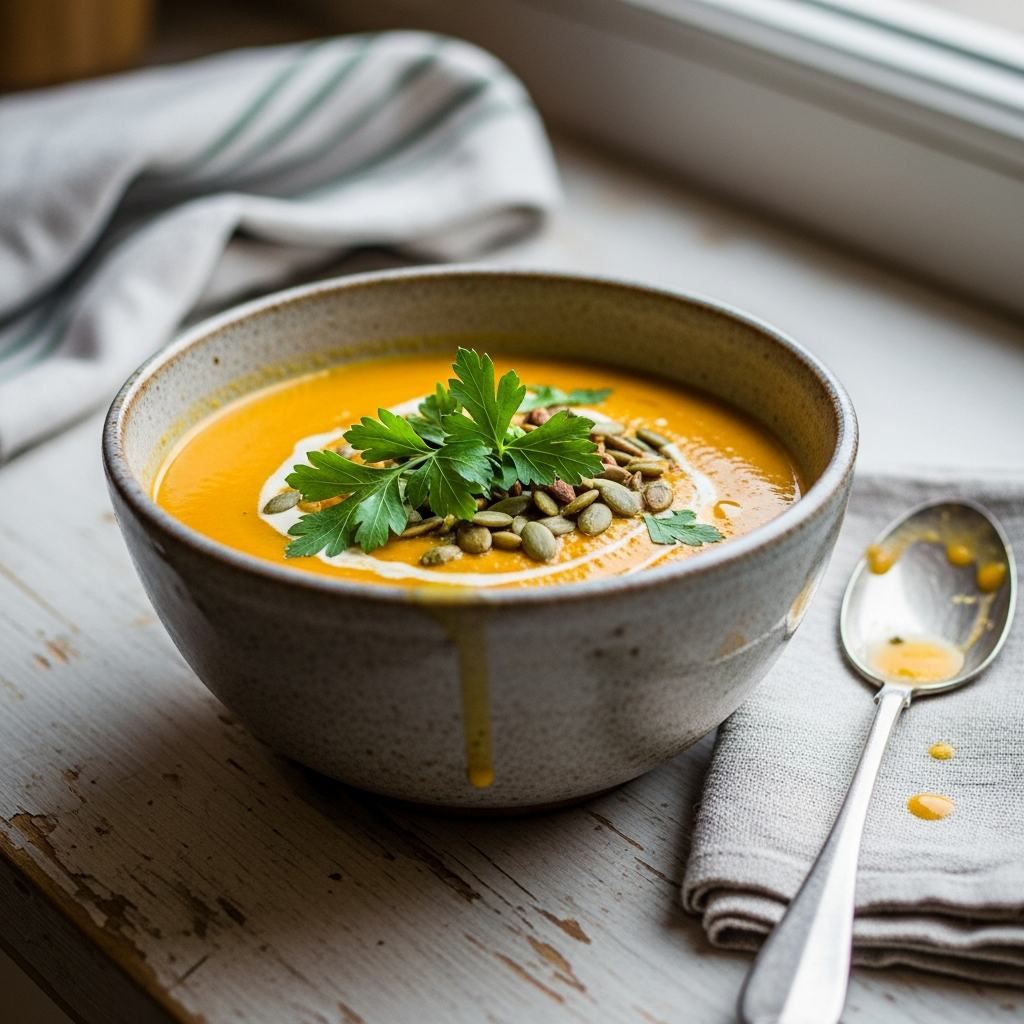
There are some evenings, especially when the air starts to get that little crisp edge of fall, when all I crave is a big, comforting bowl of soup. For years, my go-to was a simple vegetable soup, the kind my grandmother made by just simmering everything in a pot. It was good, but it was missing something. It lacked that deep, soulful flavor I was really looking for.
One Saturday afternoon, I had a pile of vegetables from the farmer’s market and an idea. What if I roasted them first? I tossed them all onto a sheet pan with plenty of olive oil and salt, and the aroma that filled my kitchen was absolutely incredible. That was the first step.
After blending that first batch, it was better, so much better. The vegetables were sweet and caramelized. But I knew it could be even more special. I started playing around, and that’s when I found my two secret weapons. A dash of smoked paprika brought in a warm, smoky depth that made the soup feel so much more substantial. Then, a tiny splash of sherry vinegar right at the end was the final touch, brightening everything up and making all those roasted flavors truly sing.
This roasted vegetable soup is now a staple in our home. It’s my answer to a chilly day, a busy weeknight, or anytime we need a little bit of healthy comfort in a bowl.
Why This Roasted Vegetable Soup Recipe Works
Vegetable soup is a timeless classic for a reason. It’s wholesome, nourishing, and feels like a warm hug. Traditionally, most recipes involve simply simmering chopped vegetables in broth. While that method is fine, it often results in a soup where the individual flavors can get a little muddled and the overall taste can be a bit one-dimensional.
The real magic of this recipe begins in the oven. Roasting vegetables at a high temperature does something truly special. It coaxes out their natural sugars and caramelizes them, creating a deep, sweet, and complex flavor profile that you simply cannot achieve by boiling. The sweet potatoes become tender and sweet, the carrots intensify, and the onions turn jammy and delicious.
But what really sets this particular roasted vegetable soup apart are the two finishing touches. First, the smoked paprika. This isn’t your standard paprika. The smoked variety adds a profound, savory depth that almost mimics the richness you’d find in a soup made with roasted meats. It adds a layer of warmth and complexity that is just so satisfying.
The second game changer is the sherry vinegar. Adding a splash of acid at the end of cooking is a chef’s secret for waking up a dish. The vinegar cuts through the richness of the roasted vegetables and the smokiness of the paprika, lifting all the flavors and adding a bright, tangy finish that balances the entire soup. It’s this combination of deep, roasted flavors, smoky warmth, and a bright finish that makes this recipe a guaranteed winner every single time.
Ingredients for Roasted Vegetable Soup
The beauty of this soup is its simplicity and reliance on wholesome, everyday ingredients. The key is using fresh vegetables and a couple of special pantry staples to really make the flavors shine. Each component is chosen to build layers of flavor, from the sweet root vegetables to the aromatic spices.
Here’s what you’ll need to gather from your kitchen or the grocery store. Having everything prepped and ready to go makes the whole process smooth and enjoyable. This is a great recipe for using up any lingering produce you might have in your vegetable drawer.
- 1 large sweet potato, peeled and cubed
- 2 medium carrots, peeled and chopped
- 1 large parsnip, peeled and chopped
- 1 red bell pepper, seeded and roughly chopped
- 1 yellow onion, cut into wedges
- 1 head of garlic, top sliced off
- 3 tablespoons olive oil
- 1 teaspoon smoked paprika
- 1/2 teaspoon dried thyme
- Salt and freshly ground black pepper to taste
- 6 cups vegetable broth
- 1 tablespoon sherry vinegar
- Optional for garnish: fresh parsley, toasted pumpkin seeds
A quick note on our star ingredients. For the smoked paprika, make sure you’re using one that is specifically labeled “smoked” or “pimentón de la Vera” for that authentic, smoky flavor. It’s completely different from sweet or hot paprika and is crucial for the recipe’s signature taste. For the sherry vinegar, a decent quality one will make a difference. It has a more complex, nutty flavor than other vinegars that really complements the roasted vegetables. And please, use a whole head of garlic. Roasting it whole makes the cloves incredibly sweet, creamy, and mild, adding a wonderful base note to the soup.
Step-by-Step Instructions For Making Roasted Vegetable Soup
Making this soup is more about technique than complicated steps. The process is straightforward, with most of the work happening in the oven. Just follow along, and you’ll have a pot of velvety, delicious soup in no time. We’ll walk through each stage, from roasting the vegetables to that final, perfect blend.
Step 1: Preheat the Oven and Prepare the Vegetables
First things first, get your oven preheating to 400°F (200°C). You want it nice and hot when the vegetables go in to ensure they start roasting immediately. Grab your largest rimmed baking sheet. On it, combine your cubed sweet potato, chopped carrots, chopped parsnip, red bell pepper, and onion wedges. Don’t be afraid to chop them into fairly large, uniform pieces so they all cook evenly.
Step 2: Season and Roast the Vegetables
Drizzle the vegetables generously with olive oil, then sprinkle over the smoked paprika, dried thyme, salt, and pepper. Use your hands to toss everything together right on the pan, making sure every single piece is coated. Nestle the head of garlic, cut-side up, amongst the vegetables. Spread everything into a single layer. This is important. If the vegetables are crowded, they will steam instead of roast, and you’ll miss out on that beautiful caramelization. Roast for 30 to 40 minutes, flipping them once about halfway through, until they are fork-tender and have lovely browned edges.
Step 3: Combine and Simmer
Once the vegetables are perfectly roasted, remove the baking sheet from the oven. Let the head of garlic cool for just a minute or two until you can handle it. Then, simply squeeze the base of the head, and the soft, roasted cloves will pop right out into your large pot or Dutch oven. Add the rest of the roasted vegetables to the pot. Pour in the vegetable broth and give everything a good stir.
Step 4: Blend the Soup
Bring the mixture to a simmer over medium-high heat. Once it’s simmering, reduce the heat to low, cover the pot, and let it gently bubble away for about 15 minutes. This little simmer helps all those amazing roasted flavors meld together. Now it’s time to blend. An immersion blender is the easiest tool for this, just place it directly in the pot and blend until you reach your desired smoothness. If using a regular blender, carefully transfer the soup in batches, never filling the blender more than halfway, and be sure to vent the lid to let steam escape.
Step 5: The Finishing Touches
Once your soup is beautifully smooth, stir in that all-important tablespoon of sherry vinegar. This is the final step that will make all the flavors pop. Give it a taste. Now is the time to adjust your seasoning, adding more salt and pepper if you think it needs it. Ladle the hot soup into bowls and finish with a sprinkle of fresh parsley and some toasted pumpkin seeds for a lovely bit of crunch.
How To Serve Roasted Vegetable Soup
Serving this roasted vegetable soup is half the fun. It’s a wonderfully versatile dish that can be dressed up for a fancy dinner or kept simple for a cozy weeknight meal. The rich, orange-hued soup is a beautiful canvas for all sorts of delicious toppings and pairings.
The most classic companion, of course, is bread. A thick slice of crusty sourdough or a warm, flaky biscuit is perfect for dipping. I also love serving it alongside a gooey, sharp cheddar grilled cheese sandwich. The combination of the creamy soup and the cheesy, crunchy sandwich is pure comfort food heaven. You could also serve smaller cups of the soup as an elegant starter for a holiday meal or dinner party.
But where you can really get creative is with the garnishes. Toppings not only add flavor but also texture, which is especially nice with a smooth, blended soup. Here are a few of my favorite ways to finish a bowl:
- A Touch of Creaminess: A swirl of heavy cream, crème fraîche, or full-fat coconut milk adds a lovely richness and a beautiful visual contrast.
- Something Crunchy: Toasted pumpkin seeds are my go-to, but you could also use homemade croutons, crispy roasted chickpeas, or even some crumbled bacon.
- Fresh Herbs: A sprinkle of freshly chopped parsley is simple and perfect. Chives or fresh thyme leaves would also be wonderful.
- A Drizzle of Oil: A little drizzle of extra virgin olive oil looks beautiful. For a bit of a kick, try a spicy chili oil or a nutty pumpkin seed oil.
- A Bit of Cheese: A grating of Parmesan cheese or a crumble of goat cheese or feta can add a delicious salty, tangy bite right at the end.
Ultimately, the best way to serve it is the way your family will love it most. Set out a few different topping options and let everyone customize their own bowl. It turns a simple meal into a fun, interactive experience.
How To Store & Reuse Roasted Vegetable Soup Leftovers
One of the best things about this soup is that it’s fantastic as leftovers. The flavors actually have a chance to meld and deepen overnight, so it’s often even more delicious the next day. This makes it a perfect recipe for meal prepping at the beginning of the week. Proper storage is key to keeping it fresh and tasty.
Once the soup has cooled down to room temperature, you can store it in an airtight container in the refrigerator. It will keep beautifully for up to five days. If you want to store it for longer, this soup freezes exceptionally well. I like to portion it into individual servings in freezer-safe containers or zip-top bags. It will stay good in the freezer for up to three months. Don’t forget to label the container with the date!
When you’re ready to enjoy your leftovers, here are the best ways to bring your soup back to life:
- Reheating on the Stovetop: This is my preferred method. Simply pour the soup into a saucepan and gently reheat it over medium-low heat, stirring occasionally, until it’s warmed through. The soup may thicken a bit in the fridge, so you might want to add a splash of water or broth to thin it back to your desired consistency.
- Reheating in the Microwave: For a quick lunch, the microwave works just fine. Pour the soup into a microwave-safe bowl, cover it to prevent splatters, and heat it in one-minute increments, stirring in between, until it’s hot.
- Reusing Leftovers Creatively: Don’t just think of it as soup. A thicker version of this roasted vegetable puree can be a wonderful, healthy pasta sauce. You can also use it as a flavorful base for cooking grains like quinoa or rice, infusing them with all that roasted vegetable goodness.
Having a container of this delicious soup in the fridge or freezer is like a gift to your future self. It’s a ready-made, healthy, and comforting meal just waiting for you on a busy day.
Substitutions & Variations For Roasted Vegetable Soup
While this recipe is absolutely delicious as written, it’s also incredibly forgiving and easy to adapt based on what you have on hand or your personal preferences. Think of this as a template for a great roasted vegetable soup, and feel free to get creative. Swapping ingredients is a great way to use up produce and discover new flavor combinations.
The base of roasted vegetables is where you can make the most significant changes. Don’t have a parsnip? Use another carrot or a bit of celery root. Butternut squash or pumpkin are fantastic additions in the fall, adding a similar sweetness and creamy texture. You could also roast cauliflower, broccoli, or even zucchini alongside the other vegetables, just keep in mind they may have slightly different cooking times.
Here are a few variations I’ve tried and loved over the years:
- Make It Creamier: For an even more luxurious, velvety texture, you can add a touch of creaminess. After blending, stir in a half cup of heavy cream or, for a dairy-free option, a can of full-fat coconut milk.
- Add a Spicy Kick: If you like a bit of heat, toss a pinch of red pepper flakes or a dash of cayenne pepper in with the vegetables before roasting. You could even roast a jalapeño along with everything else and blend it into the soup.
- Boost the Protein: To make this a more complete meal, you can add some plant-based protein. Stir in a can of rinsed cannellini beans or some cooked red lentils during the last few minutes of simmering, before you blend.
- Change Up the Herbs: While thyme is classic, fresh rosemary or sage would be wonderful with these root vegetables. Toss a few sprigs onto the baking sheet during roasting to infuse the oil with their flavor.
Don’t be afraid to experiment. The core method of roasting the vegetables, simmering with broth, and blending will yield a delicious soup almost no matter what combination of vegetables and spices you choose. It’s all about building those deep, delicious layers of flavor.
Smoky & Bright Roasted Vegetable Soup
Description: A velvety, rich soup made from deeply caramelized vegetables, with a smoky twist from smoked paprika and a bright finish from sherry vinegar. The ultimate healthy comfort food.
Yield: 8 servings | Category: Soup | Cuisine: American
Prep Time: 15 minutes | Cook Time: 55 minutes
Ingredients
- 1 large sweet potato, peeled and cubed
- 2 medium carrots, peeled and chopped
- 1 large parsnip, peeled and chopped
- 1 red bell pepper, seeded and roughly chopped
- 1 yellow onion, cut into wedges
- 1 head of garlic, top sliced off
- 3 tablespoons olive oil
- 1 teaspoon smoked paprika
- 1/2 teaspoon dried thyme
- Salt and freshly ground black pepper to taste
- 6 cups vegetable broth
- 1 tablespoon sherry vinegar
- Optional for garnish: fresh parsley, toasted pumpkin seeds
Instructions
- Preheat oven to 400°F (200°C).
- On a large baking sheet, toss sweet potato, carrots, parsnip, bell pepper, and onion with olive oil, smoked paprika, thyme, salt, and pepper. Add the head of garlic, cut-side up.
- Roast for 30-40 minutes until tender and caramelized.
- Squeeze the roasted garlic cloves into a large pot. Add the rest of the roasted vegetables.
- Pour in the vegetable broth, bring to a simmer, then cover and cook on low for 15 minutes.
- Use an immersion blender to blend the soup until smooth.
- Stir in the sherry vinegar. Taste and adjust seasoning as needed.
- Serve hot, garnished with parsley and pumpkin seeds if desired.
Notes
The key to this soup is getting a good roast on the vegetables. Don’t be afraid of a little color, those browned bits are pure flavor! Ensure the vegetables are in a single layer on the baking sheet for best results.
Servings: 8 | Calories: 150 kcal | Fat: 6g | Carbohydrates: 22g | Protein: 3g
5 FAQs About Roasted Vegetable Soup
Here are some straightforward answers to the most common questions I receive about this roasted vegetable soup recipe.
Can I make this roasted vegetable soup in advance?
Absolutely! This is one of those wonderful recipes that actually tastes even better the next day. Making it in advance gives the flavors more time to meld together and deepen, resulting in an even richer and more complex soup. I often make a big batch on a Sunday to have ready for easy lunches or dinners throughout the week.
To do this, just follow the recipe all the way through, then let the soup cool completely before transferring it to an airtight container. It will keep perfectly in the refrigerator for up to 5 days. When you’re ready to eat, you can gently reheat it on the stovetop over medium-low heat. You might need to add a small splash of broth or water to thin it out, as it can thicken up a bit when chilled.
What other vegetables work well in this roasted vegetable soup?
This recipe is incredibly versatile, so feel free to use it as a starting point. Butternut squash is a fantastic substitute for sweet potato, bringing a similar sweetness and creamy texture. Other root vegetables like celery root or turnips also work well. You can add vegetables like cauliflower or broccoli, which roast up beautifully and add a nice, nutty flavor. Even fennel can be a delicious, slightly anise-flavored addition.
The key is to cut harder vegetables like squash and carrots into similar-sized pieces so they cook at the same rate. Softer vegetables like zucchini or mushrooms can also be used, but you might want to add them to the baking sheet halfway through the roasting time so they don’t become mushy. Just remember that changing the vegetables will slightly alter the final flavor and color of the soup, which is all part of the fun.
How can I make my roasted vegetable soup creamier without dairy?
There are several wonderful ways to achieve a rich, creamy texture without using any dairy products. My favorite method is to use full-fat coconut milk. After you’ve blended the soup, simply stir in about a half cup to a full cup of canned coconut milk and gently heat it through without letting it boil. It adds a luxurious creaminess and a very subtle sweetness that complements the roasted vegetables beautifully.
Another fantastic option is to use raw cashews. Soak about a half cup of raw cashews in hot water for at least 30 minutes, then drain them. Add the soaked cashews to your blender along with the roasted vegetables and broth and blend until completely smooth. The cashews break down into a silky cream that gives the soup incredible body. Finally, you can simply add another potato, like a starchy Russet, to your vegetable mix before roasting. The extra starch will help create a naturally creamier consistency when blended.
Why is my roasted vegetable soup bland?
If your soup tastes a little flat, there are usually three common culprits. The first and most likely is seasoning. Be generous with your salt and pepper both before roasting and when you do the final taste test. Salt is essential for bringing out the flavor of the vegetables. The second reason could be that the vegetables weren’t roasted long enough. You’re looking for deep caramelization, those dark brown, crispy edges. That’s where all the intense flavor is developed, so don’t be afraid to let them get some good color.
The third, and often overlooked, reason is a lack of acid. That final splash of sherry vinegar might seem small, but it is absolutely critical. It brightens up all the deep, roasted flavors and provides a necessary contrast that keeps the soup from tasting heavy or one-note. If your soup is bland, try adding another small splash of vinegar or a squeeze of lemon juice and taste the difference it makes.
Is it necessary to peel the vegetables for this roasted vegetable soup?
For this specific recipe, I do recommend peeling the sweet potato, carrots, and parsnip. The skins of these root vegetables can be a bit tough and fibrous, and peeling them ensures the final blended soup has a perfectly smooth, velvety texture without any gritty bits. Since the goal is a silky soup, taking that extra couple of minutes to peel is well worth the effort.
However, it’s not always a hard and fast rule for every vegetable. You do not need to peel the red bell pepper, as the skin softens enough during roasting to blend smoothly. The onion and garlic skins, of course, are removed. If you were making a more rustic, chunky soup instead of a blended one, you could certainly leave the skins on the carrots and potatoes for extra nutrients, just be sure to scrub them very well first.
Try These Recipes Next
If you loved the deep, roasted flavors in this soup, I have a few other recipes I think you’ll enjoy just as much.
- Roasted Tomato Soup: A classic comfort soup made even better by roasting the tomatoes to bring out their intense, sweet flavor.
- Vegetarian Tortellini Soup with Roasted Red Peppers: A hearty and satisfying soup that’s packed with cheesy tortellini and the sweet, smoky taste of roasted red peppers.
- Roasted Poblano and Crab Chowder: A rich and creamy chowder with a gentle smoky heat from roasted poblano peppers and sweet chunks of crab meat.
I hope you give these a try and they become new favorites in your kitchen too!