
Slow-Simmered Perfection: My Rich and Hearty Pepper Pot Soup Recipe
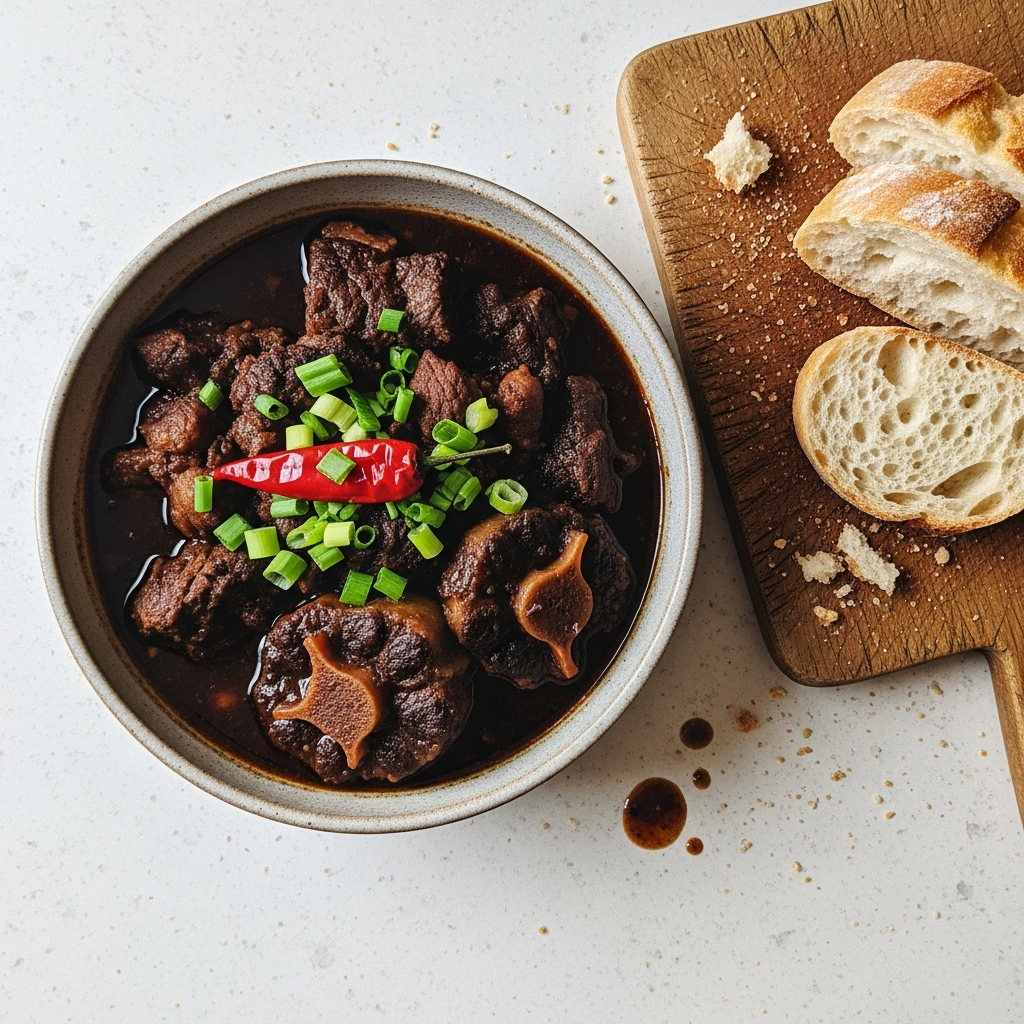
The first time I ever heard of pepper pot soup was not in my own kitchen, but from a dear friend who had just returned from a trip to Guyana. She described this dark, fragrant, and profoundly flavorful stew that was served on Christmas morning. It was a dish steeped in tradition, and her eyes lit up as she talked about the complex, sweet, and savory notes that danced on her palate. I was completely captivated. A soup for Christmas morning? It sounded so wonderfully different from our usual Southern breakfast casseroles.
Of course, I immediately set out to learn everything I could about it. I learned that the soul of a true pepper pot soup is cassareep, a thick, dark sauce made from cassava root, which gives the dish its signature color and bittersweet flavor. After a few traditional attempts, which were absolutely delicious, my Southern-cook instincts kicked in. I wanted to add my own little signature, a whisper of something familiar yet unexpected.
That’s when I thought of my spice cabinet. A little smoked paprika would add a subtle, smoky depth that I adore, and a single star anise could bring a warm, aromatic complexity to the party. The result was a pepper pot soup that honored its roots while having a little extra something that made my family raise their eyebrows in the best way possible. It’s rich, it’s comforting, and it has a story in every single spoonful.
Why This Pepper Pot Soup Recipe Works
Pepper pot soup is more than just a meal, it’s a celebration. As the national dish of Guyana, it’s traditionally enjoyed during Christmas and other major holidays, often simmering on the stove for days as family and friends come and go. Its history is woven from Amerindian, African, and European culinary traditions, creating a true melting pot of flavors. The slow cooking process allows the tough cuts of meat like oxtail and stewing beef to become incredibly tender, melting right into the rich, dark gravy.
The magic ingredient is cassareep. This special cassava-based sauce acts as a preservative, which is why the pot could historically be left on the stove, but it also gives the soup its iconic black color and a flavor that is truly unique, a perfect balance of savory, sweet, and a hint of bitter. Combined with the fiery warmth of Scotch bonnet peppers and aromatic thyme, you get a stew that is deeply complex and satisfying. It’s a dish that warms you from the inside out.
My version takes that beautiful foundation and adds two simple, yet impactful, ingredients: smoked paprika and star anise. The smoked paprika introduces a gentle, woodsy smokiness that beautifully complements the rich meats and the earthy cassareep. It’s a flavor note that feels right at home in a long-simmered stew. The star anise provides a warm, licorice-like aroma that deepens the existing spices, adding another layer of complexity without overpowering the dish’s traditional character. These additions make the final pepper pot soup feel even more luxurious and special, perfect for impressing guests or just treating your own family.
Ingredients for Pepper Pot Soup
The heart of a great pepper pot soup lies in its ingredients. It’s a mix of humble cuts of meat, powerful aromatics, and that one special, irreplaceable ingredient. Quality matters here, especially with the meats and the cassareep, so choose the best you can find for a truly memorable meal.
The combination of different meats is key to achieving a wonderful depth of flavor and texture. Oxtail provides gelatinous richness, stewing beef brings a classic hearty flavor, and pork shoulder adds a succulent tenderness. The optional salted pigtail or beef is a traditional addition that imparts a deep, savory saltiness you just can’t get from table salt alone. If you do use it, be sure to soak it properly to control the salt level.
The real star, of course, is the cassareep. You simply cannot make authentic pepper pot soup without it. Look for it in Caribbean markets or online. It’s a worthy investment for its unique flavor. My special twist comes from the smoked paprika and star anise. The smokiness from the paprika and the warm spice from the star anise elevate the entire dish, making the broth even more fragrant and complex. It’s a small change that makes a huge impact.
- 2 lbs stewing beef, cut into 2-inch cubes
- 1 lb oxtail
- 1 lb pork shoulder, cut into 2-inch cubes
- 1/2 lb salted pigtail or beef (optional, for deeper flavor)
- 1 large onion, chopped
- 6 cloves garlic, minced
- 2 wiri wiri peppers or 1 Scotch bonnet pepper, left whole
- 1/4 cup cassareep
- 8 cups beef or vegetable broth
- 2 tablespoons brown sugar
- 2 teaspoons smoked paprika
- 2 whole star anise
- 1 cinnamon stick
- 1 bunch fresh thyme
- 4 scallions, chopped
- Salt and freshly ground black pepper to taste
- 2 tablespoons vegetable oil
Step-by-Step Instructions For Making Pepper Pot Soup
Making pepper pot soup is a labor of love, but the steps themselves are quite simple. It’s all about patience and allowing time for the flavors to meld and the meat to become perfectly tender. A heavy-bottomed pot or a Dutch oven is your best friend here, as it will distribute the heat evenly during the long simmer.
Step 1: Prepare the Salted Meat
If you’re using the optional salted pigtail or beef for that extra layer of authentic flavor, this first step is critical. Place the salted meat in a bowl and cover it completely with hot water. Let it soak for at least an hour, or even longer. This process draws out the excess salt so it flavors the soup beautifully instead of overwhelming it. Once it’s done soaking, drain the water and set the meat aside.
Step 2: Season and Brown the Meats
Pat your stewing beef, oxtail, and pork shoulder completely dry with paper towels. A dry surface is essential for getting a good, flavorful sear. Season them generously with salt and pepper. Now, heat your vegetable oil in the Dutch oven over medium-high heat. The key here is to brown the meats in batches. Don’t overcrowd the pot, or the meat will steam instead of browning. Take your time and get a nice, dark crust on all sides. This step builds the foundation of your soup’s flavor. Set the browned meats aside on a plate.
Step 3: Sauté the Aromatics
Lower the heat to medium. There should be some delicious browned bits, called fond, stuck to the bottom of your pot. Add the chopped onion and cook, stirring and scraping up that fond, until the onion softens and becomes translucent, about 5 to 7 minutes. Now, add the minced garlic, my special smoked paprika, and the brown sugar. Cook for just one more minute until you can smell that wonderful, fragrant aroma. This is what makes your kitchen smell like heaven.
Step 4: Combine and Simmer
It’s time to bring it all together. Return all the browned meats to the pot, along with the soaked salted meat if you’re using it. Pour in the cassareep and the beef broth, stirring everything well to combine. Add the whole Scotch bonnet pepper, star anise, cinnamon stick, and the entire bunch of fresh thyme. Bring the whole beautiful mixture to a boil, then immediately reduce the heat to the lowest setting, cover the pot, and let it simmer. This is where the magic happens. Let it go for at least 3 to 4 hours. The longer it simmers, the more tender the meat will become and the deeper the flavor will be. Give it a stir every so often.
Step 5: Finish and Serve
During the last 30 minutes of cooking, give the soup a taste. Adjust with more salt and pepper if needed. The sauce should be wonderfully thick and nearly black. Before you serve it, fish out the whole pepper, the cinnamon stick, and the star anise. Ladle your gorgeous pepper pot soup into bowls, garnish with fresh, chopped scallions, and get ready for the compliments to roll in.
How To Serve Pepper Pot Soup
Serving pepper pot soup is almost as enjoyable as making it. This dish is rich and hearty, so it stands beautifully on its own, but having the right accompaniments can turn a great meal into an unforgettable one. The main goal is to have something on the side to soak up every last drop of that incredible, dark gravy.
In Guyana, it’s often served with a special homemade bread, like a dense plait bread, which is perfect for dipping. Since that might not be readily available, a good, crusty loaf of French or sourdough bread from your local bakery works wonderfully. I like to slice it thick and warm it in the oven just before serving so it’s warm and inviting. A simple bowl of steamed white rice is another classic pairing that provides a lovely, neutral base for the soup’s bold flavors.
Here are a few of my favorite ways to present this wonderful dish:
- The Traditional Way: Serve in a deep bowl with a side of thick, crusty bread for dipping. This is simple, classic, and always a crowd-pleaser.
- With Fluffy Rice: Ladle the pepper pot soup over a bed of fluffy white or brown rice to make it an even more substantial and filling meal.
- Add a Cool Garnish: Besides the fresh scallions, a small dollop of sour cream or full-fat Greek yogurt on top can add a pleasant, cooling contrast to the soup’s deep, spicy notes.
- Make it a Feast: If you’re serving this for a special occasion, pair it with a simple green salad with a light vinaigrette to cut through the richness of the stew.
No matter how you choose to serve it, present it with pride. This is a dish that takes time and love to prepare, and its deep, inviting color and aroma are sure to impress everyone at your table. It truly is a centerpiece dish worthy of any celebration.
How To Store & Reuse Pepper Pot Soup Leftovers
One of the best-kept secrets about pepper pot soup is that it gets even better with time. Like many slow-cooked stews, the flavors continue to meld and deepen overnight, making the leftovers something to truly look forward to. Storing it properly is easy and ensures you can enjoy this delicious meal for days to come.
Once the soup has cooled down to room temperature, you can store it in the refrigerator or freezer. I prefer to store it in smaller, individual portions. This makes it much easier to grab a quick lunch or dinner without having to reheat the entire batch. The rich, gelatinous texture from the oxtail helps the soup hold up exceptionally well, whether it’s stored for a few days or a few months.
Here are the best ways to handle your pepper pot soup leftovers:
- Refrigerating: Transfer the cooled soup to an airtight container. It will keep beautifully in the refrigerator for up to 5 days. The flavor on day two or three is often considered the peak of deliciousness!
- Freezing: Pepper pot soup freezes wonderfully. Pour the cooled soup into freezer-safe containers or heavy-duty freezer bags, leaving a little room at the top for expansion. It will maintain its quality for up to 3 months. To thaw, simply move it from the freezer to the refrigerator overnight.
- Reheating: The best way to reheat the soup is gently on the stovetop over low to medium heat. Stir it occasionally until it’s warmed through. If the soup has thickened considerably in the fridge, you can add a small splash of beef broth or water to bring it back to your desired consistency. Microwaving works in a pinch, but the stovetop method ensures more even heating.
If you’re looking to get creative, the leftover meat from the soup is incredibly versatile. You can shred the tender beef and pork and use it to make amazing tacos, serve it over creamy polenta or mashed potatoes, or even use it as a filling for savory hand pies. The possibilities are a delicious way to extend the enjoyment of your cooking.
Substitutions & Variations For Pepper Pot Soup
While this recipe for pepper pot soup is my personal favorite, one of the joys of home cooking is making a dish your own. There are plenty of ways to adjust the ingredients to suit your taste, use what you have on hand, or cater to dietary needs. This recipe is quite forgiving, so feel free to experiment a little.
The most common area for substitution is the meat. The combination of beef, pork, and oxtail is classic for a reason, creating layers of flavor and texture. However, you can absolutely use other cuts. Tougher, collagen-rich cuts that benefit from a long, slow cook are always the best choice. Think about lamb shanks, goat meat, or even beef short ribs. You could also make an all-beef version using a mix of oxtail and chuck roast if you prefer not to use pork.
Here are a few other ideas for substitutions and fun variations:
- Adjust the Heat: The single whole Scotch bonnet pepper adds more fruity flavor than intense heat, but you can easily control the spice. For a milder soup, remove the pepper after the first hour of simmering. For more kick, you can carefully slice the pepper open before adding it, but be warned, that will release a lot of fire!
- Add Some Veggies: To make this a more complete one-pot meal, consider adding some hearty root vegetables. Cubed sweet potatoes, cassava, or eddoes can be added during the last hour of cooking. They will soak up the delicious gravy and add another layer of texture.
- If You Can’t Find Cassareep: I must stress that cassareep is what makes this dish authentic. There is no perfect substitute. However, if you are absolutely unable to find it, you can create a similar dark, sweet, and savory profile by mixing molasses, Worcestershire sauce, and a touch of soy sauce. The flavor will be different, but it will still be a delicious dark meat stew.
- For a Different Aromatic Profile: If you’re not a fan of star anise, you can omit it. Try adding a couple of whole cloves or allspice berries along with the cinnamon stick for a different kind of warm spice complexity.
Remember, the goal is to create a dish you and your family will love. Use this recipe as your guide, and don’t be afraid to add your own personal touch. That’s what cooking is all about.
Julie’s Smoky Pepper Pot Soup
Description: A rich, dark, and deeply flavorful Guyanese-inspired stew made with a mix of tender meats and simmered for hours in a cassareep-based broth. My special version includes smoked paprika and star anise for an extra layer of smoky, aromatic complexity.
Yield: 8-10 servings | Category: Soup/Stew | Cuisine: Caribbean
Prep Time: 25 minutes | Cook Time: 4 hours
Ingredients
- 2 lbs stewing beef, cut into 2-inch cubes
- 1 lb oxtail
- 1 lb pork shoulder, cut into 2-inch cubes
- 1/2 lb salted pigtail or beef (optional, soak for 1 hour)
- 1 large onion, chopped
- 6 cloves garlic, minced
- 1 Scotch bonnet pepper, left whole
- 1/4 cup cassareep
- 8 cups beef broth
- 2 tablespoons brown sugar
- 2 teaspoons smoked paprika
- 2 whole star anise
- 1 cinnamon stick
- 1 bunch fresh thyme
- 4 scallions, chopped
- Salt and freshly ground black pepper to taste
- 2 tablespoons vegetable oil
Instructions
- If using salted meat, soak in hot water for 1 hour, then drain. Pat all other meats dry and season with salt and pepper.
- In a large Dutch oven, heat oil over medium-high heat. Brown the meats in batches and set aside.
- Reduce heat to medium, add onion and cook until soft, scraping up browned bits. Add garlic, smoked paprika, and brown sugar, and cook for 1 minute until fragrant.
- Return all meats to the pot. Stir in cassareep and beef broth.
- Add the whole Scotch bonnet, star anise, cinnamon stick, and thyme.
- Bring to a boil, then reduce heat to low, cover, and simmer for 3-4 hours until meat is tender.
- During the last 30 minutes, taste and adjust seasoning with salt and pepper.
- Before serving, remove the whole pepper, cinnamon stick, and star anise. Garnish with scallions.
Notes
For the best flavor, make this soup a day ahead of time. The flavors deepen and become even more delicious overnight.
Servings: 10 | Calories: 580 kcal | Fat: 35g | Carbohydrates: 12g | Protein: 52g
5 FAQs About Pepper Pot Soup
Here are some straightforward answers to the most common questions I receive about this pepper pot soup recipe.
What is cassareep and is it essential for pepper pot soup?
Cassareep is a thick, dark syrup made from the juice of the bitter cassava root, which is boiled down with spices like cinnamon and cloves until it becomes a concentrated, molasses-like liquid. It is the single most important ingredient for making authentic pepper pot soup. It’s what gives the soup its signature jet-black color, and its flavor is incredibly complex, a unique blend of bittersweet, savory, and slightly tangy notes that you really can’t replicate with anything else.
Beyond flavor and color, cassareep has natural antiseptic properties, which is why it historically acted as a preservative. This allowed the pot of soup to be kept on the stove for days, with more ingredients being added as needed. So, is it essential? I would say yes. If you want to make true pepper pot soup, you need cassareep. You can find it at Caribbean grocery stores or easily order it online. While you can make a tasty dark meat stew using substitutes, it won’t be pepper pot.
Can I make pepper pot soup in a slow cooker or Instant Pot?
Absolutely! This recipe adapts wonderfully to both a slow cooker and an Instant Pot, which is perfect for when you don’t want to tend to a pot on the stove for hours. For a slow cooker, you should still perform the first few steps on the stovetop. Searing the meat and sautéing the aromatics in a separate pan builds a crucial flavor base that you don’t want to skip. After that, transfer everything to your slow cooker, stir it all together, and cook on low for 8 to 10 hours or on high for 5 to 6 hours.
For the Instant Pot, you can do everything right in the pot using the “Sauté” function. Brown the meats in batches and sauté the onions and garlic as directed. Return the meat to the pot, add the remaining ingredients, and give it a good stir. Secure the lid, set the valve to “Sealing,” and cook on high pressure for about 75 minutes for incredibly tender meat. Allow the pressure to release naturally for at least 15 to 20 minutes before performing a quick release. The result will be just as delicious in a fraction of the time.
Why isn’t my pepper pot soup dark and thick?
There are a few common reasons why your pepper pot soup might not have that signature rich, dark, and thick consistency. The most likely culprit is the amount of cassareep. This ingredient is responsible for the deep black color, so if your soup is more brown than black, you may not have used enough. Don’t be shy with it, a quarter cup is a good starting point for this volume of soup.
Another reason could be the cooking time. This soup needs that long, slow simmer to allow the sauce to reduce and thicken naturally. If you cut the cooking time short, the sauce won’t have a chance to concentrate. If you’ve simmered for hours and it’s still too thin for your liking, you can simply remove the lid for the last 30 to 60 minutes of cooking. This will allow some of the excess liquid to evaporate, thickening the sauce beautifully without having to add any starches. Finally, make sure you’ve browned your meat well, as the caramelization from searing also contributes to the final color and richness of the gravy.
What kind of meat is best for pepper pot soup?
The best pepper pot soup is made with a variety of meats, particularly tougher cuts that are rich in collagen and connective tissue. These are the cuts that become incredibly tender and flavorful after a long, slow simmer. My recipe calls for a trio of stewing beef (like chuck roast), pork shoulder, and oxtail. This combination provides a fantastic depth of flavor and a variety of textures. The oxtail, in particular, is key for creating a rich, gelatinous body in the broth that is simply luxurious.
You are not limited to these, however. The guiding principle is to choose meats that stand up to slow cooking. Other excellent options include goat meat, which is very traditional in Caribbean stews, lamb shanks, or beef short ribs. You could even use cow heel or foot for extra gelatin. The optional salted pigtail or salted beef adds a deep, savory flavor that is very authentic. The key is to avoid lean, quick-cooking cuts, as they will become dry and tough over the long cooking time.
Is pepper pot soup supposed to be very spicy?
This is a great question, and the answer can be surprising. Despite the name “pepper pot,” the soup isn’t necessarily meant to be overwhelmingly spicy. The heat is traditionally provided by whole wiri wiri or Scotch bonnet peppers, which are added to the pot during simmering. When left whole, these peppers primarily release their wonderful, fruity aromatics and a gentle, background warmth into the broth rather than their full-blown, searing heat.
The level of spice is completely within your control. If you like a mild warmth, add the whole pepper and simply remove it before serving. Be very careful not to let it burst, as that will release the very hot seeds and membrane into the soup. If you prefer a truly mild dish, you can remove the pepper after the first hour or so of cooking. If you’re a true spice lover, you can add an extra pepper or carefully pierce the pepper with a knife before adding it to the pot. Just be sure to warn your guests!
Try These Recipes Next
If you loved the deep, comforting flavors of this pepper pot soup, here are a few other recipes from my kitchen that you’re sure to enjoy.
- Easy Paprika Chipotle Gumbo: A smoky and soulful gumbo with a Southern twist that comes together more easily than you’d think.
- Roasted Jalapeno Chicken Chowder: A creamy, hearty chowder with a kick from roasted jalapenos that’s perfect for a chilly evening.
- Copycat Wendy’s Chili: All the comforting, nostalgic flavor of the fast-food classic, made even better right at home.
I hope you’ll give these a try and find a new family favorite!