
How a Spoonful of White Miso Transforms Classic Homemade Pad Thai
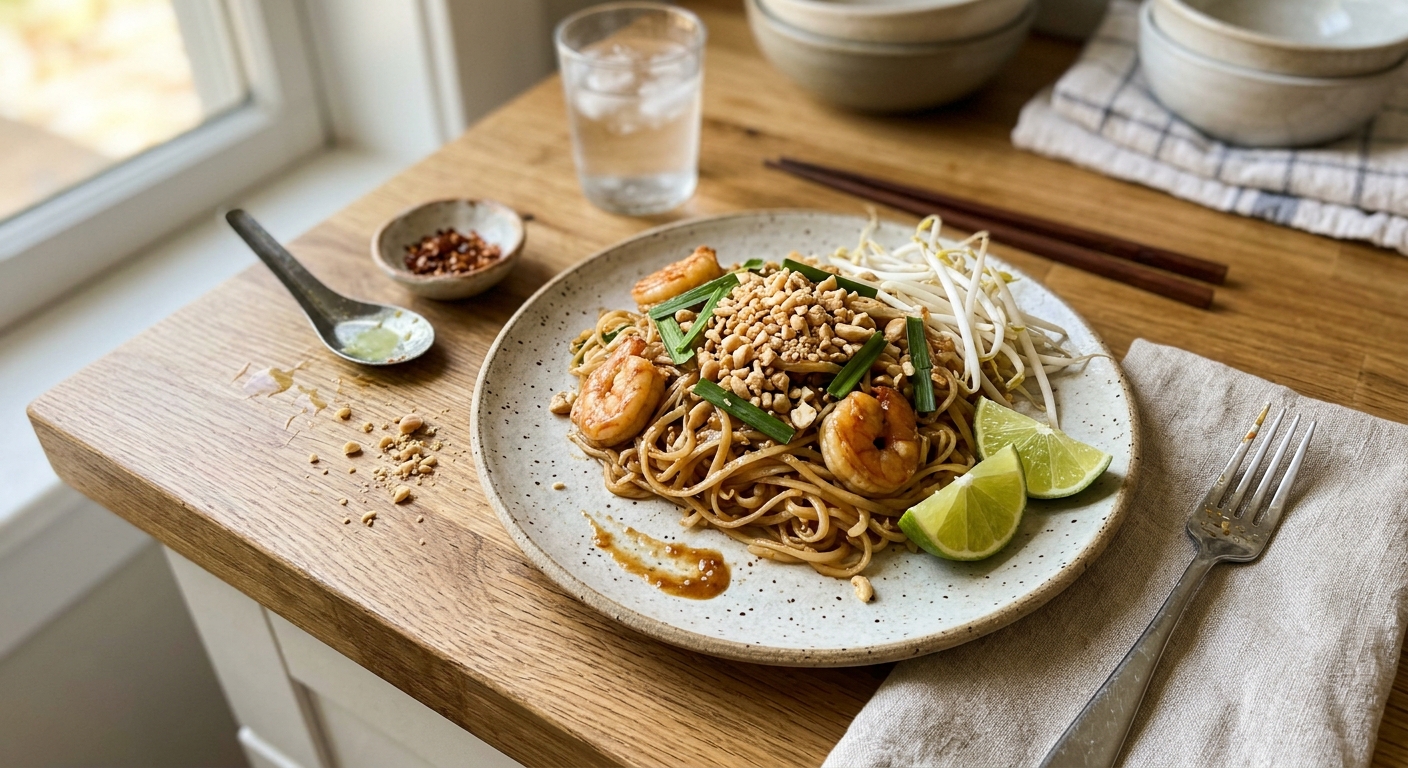
The very first time I tasted authentic pad thai, I was sitting at a wobbly wooden table in an open-air market during a trip far away from my quiet Southern kitchen. The intoxicating aroma of sizzling garlic, sour tamarind, and toasted nuts drifting from the street vendor’s wok completely won me over. I knew right then and there that I had to bring those incredible flavors into my own home.
Once I got back to my own kitchen, I started testing batches of noodles to recreate that roadside magic. While the traditional combination of sour tamarind, salty fish sauce, and rich palm sugar was delicious, I felt like the sauce needed something extra to tie it all together. It needed an ingredient that could round out the sharp acidity while coating the noodles in pure, savory comfort.
That was when I reached for a tub of white miso paste resting in my refrigerator door. Stirring a spoonful of mellow miso into the warm tamarind mixture proved to be an absolute game changer. It melted seamlessly into the sauce, giving the noodles a glossy finish and a deep, savory backdrop that makes every single bite sing.
My family fell head over heels for this version, and it quickly earned a permanent spot on our regular weeknight dinner rotation. It is easy, fresh, and brings high-end restaurant flavor straight to your supper table in under thirty minutes.
Why This Pad Thai Recipe Works
To really appreciate this dish, it helps to know a little bit about where it came from. Pad thai was popularized in Thailand during the mid-twentieth century as part of a nationwide campaign to encourage rice noodle consumption and establish a proud, unified culinary identity. Street vendors quickly embraced the stir-fry concept, turning simple pantry staples into an international sensation that is celebrated all over the globe today.
The worldwide popularity of this noodle dish comes down to its incredible balance of taste sensations. A great plate delivers sweet, salty, sour, and spicy notes all at the exact same moment. When those flavors meet hot rice noodles, tender protein, and crisp vegetables, your taste buds get a wonderful surprise with every forkful.
This particular recipe works so well because of the clever addition of white shiro miso paste. Tamarind provides a bold, mouth-puckering tang that can sometimes overpower home cooking if it is not handled carefully. The naturally sweet, fermented quality of white miso softens that sour edge, creating a smooth, velvety sauce that clings to every noodle strand instead of running to the bottom of the bowl.
Soaking the noodles in room-temperature water instead of boiling them is another reason this recipe succeeds every time. It keeps the noodles pleasantly chewy, giving you the authentic texture of street-style pad thai right on your stovetop without any mushiness.
Ingredients for Pad Thai
Gathering the right ingredients before you turn on the heat is the secret to a stress-free stir-fry experience. Here is everything you will need to bring this dish to life:
- 8 oz (225g) medium flat dried rice noodles, soaked in room-temperature water for 45–60 minutes until pliable but still firm, then drained
- 3 tbsp tamarind paste concentrate
- 3 tbsp palm sugar (or packed brown sugar), finely shaved
- 2 tbsp fish sauce
- 1 tbsp white (shiro) miso paste (the twist: adds a rich, fermented umami depth that softens the sharp edge of the tamarind and creates a glossy, savory glaze)
- 1 tbsp warm water
- 1 tsp Thai dried chili flakes (adjust to heat preference)
- 3 tbsp high-smoke-point neutral oil (such as peanut or canola), divided
- 8 oz raw shrimp, peeled and deveined (or 6 oz extra-firm pressed tofu, sliced into batons)
- 2 shallots, thinly sliced
- 3 cloves garlic, finely minced
- 2 tbsp preserved sweet radish, finely minced
- 2 large eggs, lightly beaten
- 2 cups fresh bean sprouts, divided
- 1 cup garlic chives (or scallions), cut into 1.5-inch pieces
- 1/3 cup roasted unsalted peanuts, roughly crushed
- 1 fresh lime, cut into wedges for serving
The secret weapon here is definitely the white miso paste. Its mild, buttery saltiness complements the fish sauce while rounding out the sauce profile in a way standard sugar alone cannot match.
Pay close attention to your tamarind paste concentrate as well. Authentic Thai tamarind should be dark brown and pourable, not loaded with added sugar or artificial thickeners. The preserved sweet radish is another authentic treasure that provides tiny, sweet, crunchy bursts throughout the noodles, so try your best not to skip it.
Step-by-Step Instructions For Making Pad Thai
Stir-frying moves very quickly once your pan gets hot. Make sure you have all of your ingredients measured, chopped, and sitting right next to your stove before you begin.
Step 1: Make the Twist Sauce
Grab a small mixing bowl and add your tamarind paste, shaved palm sugar, fish sauce, white miso paste, warm water, and dried chili flakes. Whisk vigorously until the miso paste and palm sugar dissolve completely into a uniform, rich liquid.
Taste the sauce with a clean spoon before setting it aside. It should taste boldly sweet, sour, and salty, knowing that its flavor will mellow out beautifully once tossed with the plain noodles.
Step 2: Sear the Protein
Set a large carbon steel wok or your widest nonstick skillet over high heat. Add one tablespoon of your neutral oil and swirl it around until it begins to lightly smoke.
Carefully drop your prepared shrimp or sliced tofu batons into the hot pan in a single layer. Sear them undisturbed for about one to two minutes per side until they turn pink and opaque, then transfer them immediately to a clean plate.
Step 3: Cook the Aromatics
Turn the heat down slightly to medium-high and pour the remaining two tablespoons of oil into the wok. Toss in your sliced shallots, minced garlic, and minced preserved sweet radish.
Stir-fry the mixture constantly for thirty to forty-five seconds until your kitchen smells amazing and the shallots turn soft and golden. Keep the aromatics moving across the pan so the delicate garlic bits do not scorch.
Step 4: Gloss the Noodles
Crank your burner back up to high heat. Add your drained rice noodles directly into the pan, pouring the prepared miso-tamarind sauce right over the top.
Using a wide spatula or wooden spoons, lift and fold the noodles rapidly for one to two minutes so they drink up the sauce. If your noodles still feel a bit stiff or dry, splash one or two tablespoons of water around the outer rim of the wok to create steam.
Step 5: Scramble the Eggs
Push your saucy noodles completely over to one side of the pan to create an open clearing. Pour your beaten eggs directly onto the bare, hot surface of the wok.
Let the eggs sit undisturbed for fifteen seconds to set the bottom, then gently swirl them into soft, fluffy curds. Once the eggs are just cooked through, fold them directly into the noodles until evenly scattered.
Step 6: Finish and Wilt
Return the cooked shrimp or tofu to the wok along with one cup of the fresh bean sprouts and all of the chopped garlic chives. Toss everything together vigorously over high heat for thirty to forty-five seconds.
You want the chives and bean sprouts to turn vibrant green and soften slightly while still keeping a fresh crunch. Pull the wok off the heat immediately so the vegetables do not overcook.
Step 7: Plate and Serve
Divide the piping hot noodles between wide bowls or pile them onto a large family-style serving platter. Top the warm noodles with the remaining cup of crisp raw bean sprouts, crushed peanuts, and extra chili flakes.
Place fresh lime wedges around the edge of each plate. Squeeze that bright citrus juice over the top right before diving in.
How To Serve Pad Thai
Presentation is half the fun when it comes to serving noodle dishes. I love carrying the warm wok right to the dining table and letting everyone assemble their own garnishes to suit their personal taste.
Setting up a small condiment spread adds a fun, interactive feel to family dinner night. Here are a few great ways to present and accompany your homemade noodle feast:
- Offer small ceramic pinch bowls filled with extra crushed roasted peanuts, toasted sesame seeds, and extra dried chili flakes so guests can adjust their own crunch and heat levels.
- Serve plenty of extra lime wedges on a pretty side dish, because that final burst of fresh citrus cuts through the rich miso-tamarind glaze wonderfully.
- Plate the noodles alongside a light, refreshing cucumber salad tossed in rice vinegar and a pinch of sugar to cleanse the palate between rich bites.
- Pair the meal with cold beverages like sweetened Thai iced tea, sparkling coconut water, or a crisp lager to balance the savory warmth of the noodles.
Always encourage your guests to give their plate a gentle toss after squeezing their fresh lime juice over the top. Mixing the cool, crunchy bean sprouts and warm noodles together creates that famous contrast of textures that makes this recipe unforgettable.
How To Store & Reuse Pad Thai Leftovers
Rice noodles can be a little delicate when chilled, but with the right technique, your leftovers will taste just as delicious for lunch the following day. Proper cooling and gentle reheating are the keys to keeping your noodles tender rather than dry or rubbery.
Here are the best guidelines for storing your extra portions safely and bringing them back to life:
- Let any leftover noodles cool down to room temperature for no longer than thirty minutes before transferring them into a shallow airtight glass container.
- Store the container in the coldest part of your refrigerator for up to three days, keeping raw garnishes like fresh bean sprouts and lime wedges packed separately.
- To reheat on the stovetop, warm a skillet over medium heat, add a teaspoon of neutral oil with a splash of water, and gently toss the noodles until heated through.
- If you use a microwave, cover the dish with a damp paper towel and heat in thirty-second bursts on medium power to keep the rice noodles soft and pliable.
- Repurpose chilled leftovers by chopping the noodles and rolling them inside crisp romaine or butter lettuce cups for a quick, crunchy midday snack.
Avoid freezing your leftover cooked noodles whenever possible. Cooked rice noodles lose their springy texture in the freezer and tend to break apart into small mushy pieces once thawed.
Substitutions & Variations For Pad Thai
One of the best things about making noodles at home is tailoring the ingredients to whatever you happen to have in your refrigerator or pantry. You can easily adjust this dish to match your family’s personal preferences or dietary needs.
Feel free to experiment with these simple ingredient adjustments without losing the classic character of the dish:
- Swap out the shrimp for sliced chicken breast, thinly sliced flank steak, or crispy cubed extra-firm tofu to fit different protein preferences.
- Substitute standard green scallions cut into finger-length pieces if you cannot track down traditional flat garlic chives at your local grocery store.
- Use dark brown sugar or coconut sugar if authentic palm sugar blocks are difficult to find in your neighborhood markets.
- Swap in tamari or gluten-free soy sauce paired with a pinch of sea salt if you need a seafood-free alternative to traditional fish sauce.
- Dial back the dried chili flakes to a small pinch for mild palates, or double the amount if your family loves an extra spicy kick.
No matter which small changes you make, try to keep that white miso paste in your sauce mixture. It provides an incredible foundation of flavor that keeps every version tasting rich and restaurant-worthy.
Savory Miso Pad Thai
Description: A delicious, restaurant-quality pad thai recipe made with chewy rice noodles, succulent shrimp, and a secret twist of white miso paste for an unforgettable, glossy umami glaze.
Yield: 4 servings | Category: Main Course | Cuisine: Thai
Prep Time: 15 minutes (plus soaking) | Cook Time: 15 minutes
Ingredients
- 8 oz medium flat dried rice noodles, soaked in room-temperature water for 45–60 minutes, drained
- 3 tbsp tamarind paste concentrate
- 3 tbsp palm sugar (or packed brown sugar), finely shaved
- 2 tbsp fish sauce
- 1 tbsp white (shiro) miso paste
- 1 tbsp warm water
- 1 tsp Thai dried chili flakes
- 3 tbsp high-smoke-point neutral oil, divided
- 8 oz raw shrimp, peeled and deveined
- 2 shallots, thinly sliced
- 3 cloves garlic, finely minced
- 2 tbsp preserved sweet radish, finely minced
- 2 large eggs, lightly beaten
- 2 cups fresh bean sprouts, divided
- 1 cup garlic chives, cut into 1.5-inch pieces
- 1/3 cup roasted unsalted peanuts, roughly crushed
- 1 fresh lime, cut into wedges for serving
Instructions
- Whisk tamarind paste, palm sugar, fish sauce, white miso, warm water, and chili flakes in a bowl until dissolved.
- Heat 1 tablespoon oil in a wok over high heat, sear shrimp 1–2 minutes per side until pink, and set aside.
- Add remaining 2 tablespoons oil to the wok, then stir-fry shallots, garlic, and sweet radish for 30–45 seconds until fragrant.
- Add soaked noodles and sauce to the wok, tossing vigorously over high heat for 1–2 minutes until liquid is absorbed.
- Push noodles to the side, pour beaten eggs into the empty space, let set briefly, scramble, and fold into the noodles.
- Toss in the cooked shrimp, half the bean sprouts, and garlic chives for 30–45 seconds until slightly wilted.
- Garnish with remaining bean sprouts, crushed peanuts, chili flakes, and lime wedges, then serve hot.
Notes
Do not boil the rice noodles. Soaking them in cool or lukewarm water keeps them from breaking or turning gummy in the hot pan. Adjust chili flakes to suit your heat tolerance.
Servings: 4 | Calories: 485 | Fat: 16g | Carbohydrates: 64g | Protein: 22g
5 FAQs About Pad Thai
Here are some straightforward answers to the most common questions I receive about this pad thai recipe.
Why are my rice noodles turning soggy or breaking apart in pad thai?
The most common culprit behind broken, mushy noodles is boiling them before adding them to your stir-fry pan. Rice noodles are very delicate, and boiling them makes them absorb too much water before they ever touch your sauce.
The proper street-cart method is soaking your dried noodles in room-temperature water for forty-five to sixty minutes. They should feel limp and bend easily, but still show a little firm resistance in the very center. They will finish cooking right in your hot wok while soaking up all of that flavorful miso sauce.
Can I make authentic pad thai without fish sauce?
While traditional street cooks consider fish sauce essential for deep, savory flavor, you can make a wonderful fish-free alternative at home. Standard soy sauce or gluten-free tamari can step in to provide that necessary punch of salt.
Because fish sauce carries a distinct aged complexity, our twist ingredient of white miso paste becomes even more valuable if you are skipping seafood. The miso paste introduces natural fermentation and umami, ensuring your meatless or fish-free version tastes rich and satisfying.
What makes authentic pad thai sauce different from takeout versions?
Many fast-food takeout spots cut corners by using heavy amounts of ketchup, tomato paste, or white sugar to create a neon-orange sauce. Real Thai street vendors rely almost exclusively on real tamarind pulp, palm sugar, and fish sauce to build their flavor base.
Real tamarind provides a tangy, earthy sourness that fruit vinegar or tomato paste simply cannot mimic. Our recipe honors that classic balance while adding a touch of white miso paste, giving you a sauce that is deeply nuanced rather than cloyingly sweet.
What is preserved sweet radish and is it necessary for pad thai?
Preserved sweet radish consists of finely chopped salted and sweetened daikon turnip roots. It looks like small golden or brownish flecks and adds a chewy, sweet, and briny pop to the finished noodle dish.
You can find small vacuum-sealed bags of it in any Asian supermarket or online grocer for just a couple of dollars. While your noodles will still taste lovely without it, adding this pantry staple will make your homemade stir-fry taste just like it came from an authentic Bangkok night market.
How do I stop my eggs from sticking to the wok when making pad thai?
Sticky scrambled eggs usually happen when the cooking surface is not hot enough, or when the pan lacks sufficient oil. High heat is your best friend when stir-frying, as it creates an instant sear that releases food naturally.
Push your cooked noodles completely to one side and make sure there is a light sheen of oil remaining on the bare metal. If the pan looks dry, drop in half a teaspoon of oil before pouring in your beaten eggs, allowing them to set for a few seconds before moving your spatula.
Try These Recipes Next
If your family loves vibrant, flavorful noodles and comforting bowls filled with fresh herbs, I have plenty of delicious dinner ideas waiting for you in my kitchen collection.
- Thai Peanut Sauce with Whole Wheat Noodles: A rich, creamy peanut noodle dinner packed with crunchy vegetables that comes together in less than twenty minutes on busy weeknights.
- Crock Pot Thai Chicken Soup: A hands-off slow cooker soup filled with tender pulled chicken, creamy coconut milk, and fragrant ginger that warms you up from the inside out.
- Thai Coconut Curry Chicken: A flavorful stovetop curry simmered with tender chicken, bell peppers, and warm spices that pairs beautifully with a bowl of jasmine rice.
I hope you have as much fun tossing these savory noodles in your kitchen as I do, so grab your wok and let me know how your family enjoys that special miso twist!