
Smoked Pork Tenderloin with a Sweet and Savory Miso-Maple Glaze
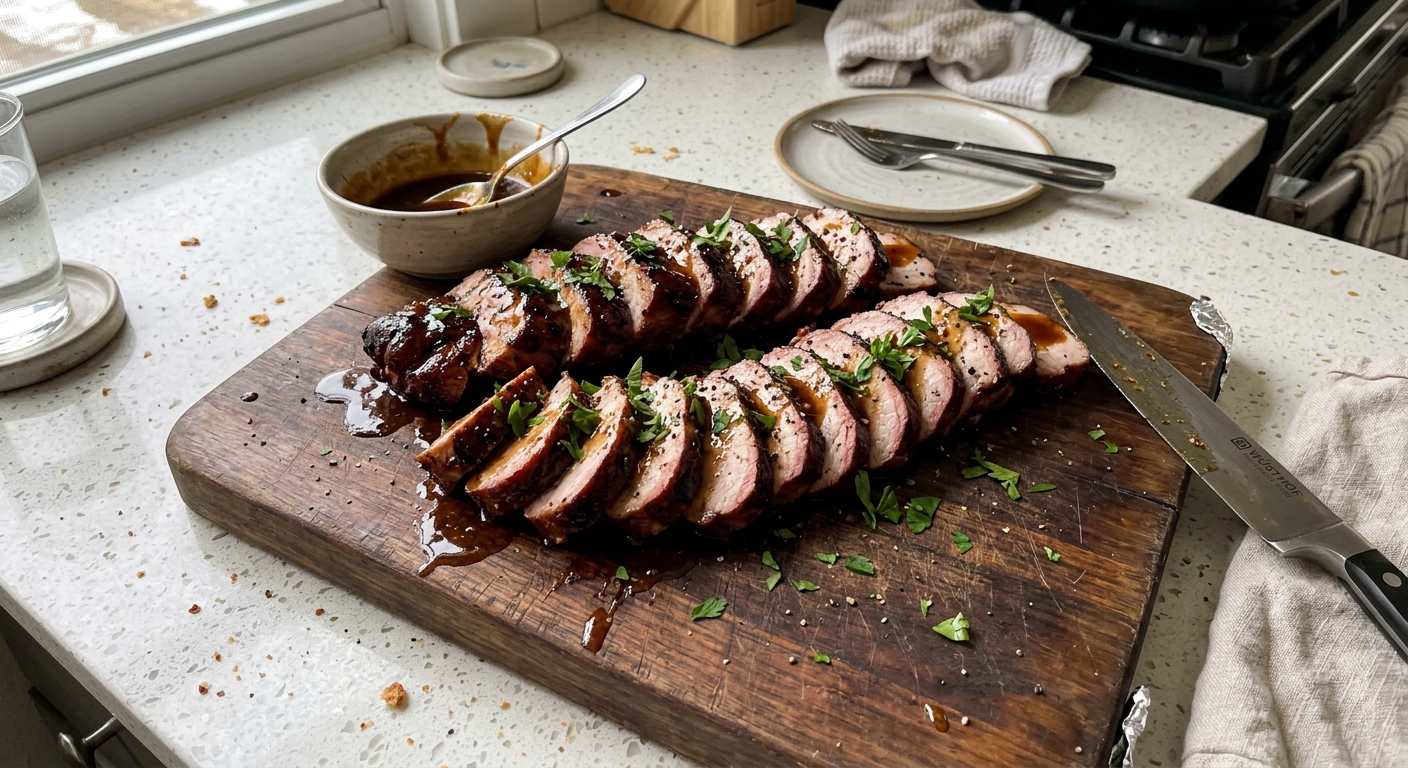
Growing up in the South, I learned early on that barbecue is practically a love language. My uncle was the undisputed neighborhood pitmaster, and every summer weekend, the sweet scent of fruitwood smoke drifted over our backyard fence. He always made ribs and pulled pork, but the very first time he served us tender slices of smoked pork tenderloin, my whole perspective on quick backyard barbecue changed completely.
Traditional barbecue cuts like pork shoulder need twelve hours of babysitting, but tenderloin is ready in under two hours. It quickly became my personal favorite for busy weeknights and casual patio dinner parties alike. Still, because tenderloin is such a lean cut, it can sometimes taste a little one-dimensional if it relies only on basic barbecue rubs.
I wanted to give this classic Southern favorite an upgrade that would truly impress my dinner guests. After experimenting in my kitchen with sweet glazes, I decided to blend Southern maple syrup with savory white miso paste. That salty, deeply savory twist balances the wood smoke beautifully, turning a simple cut of meat into an unforgettable showstopper.
Why This Smoked Pork Tenderloin Recipe Works
Pork tenderloin has a long history as a beloved lean cut across the American South. Traditionally, folks roasted it hot and fast in an oven or seared it on a hot grill. As backyard pellet smokers and charcoal cookers surged in popularity over the last two decades, home cooks discovered that smoking lean pork at lower temperatures infuses it with incredible wood aroma without drying out the meat.
The challenge with smoking tenderloin has always been moisture control. Unlike a fatty pork butt, tenderloin has virtually no internal marbling. If you cook it past medium doneness, it turns chalky and dry. This recipe works because we use a gentle smoking temperature of 225°F, allowing the meat to absorb smoke slowly while staying remarkably tender and juicy.
The real secret weapon in this recipe is my twist ingredient: white miso paste. In traditional Southern cooking, glazes usually rely on brown sugar and mustard or heavy ketchup-based sauces. By whisking fermented white miso paste with real maple syrup and apple cider vinegar, we introduce rich umami that deeply complements the natural pork flavor.
White miso is mild, slightly sweet, and loaded with natural savory depth. When brushed onto the warm pork during the final minutes of cooking, it caramelizes into a glossy, sticky glaze that locks in juices. It bridges the gap between sweet maple and savory wood smoke, creating a complex balance that leaves everyone asking for your secret.
Ingredients for Smoked Pork Tenderloin
Every single ingredient in this recipe plays a specific role, working together to build balanced layers of smoke, spice, and savory sweetness. Here is everything you will need to prepare this dish:
- 2 pork tenderloins (approx. 1 to 1¼ lbs each), trimmed of silverskin
- 1 tablespoon Dijon mustard
- 1 tablespoon kosher salt
- 1 teaspoon freshly ground black pepper
- 1 teaspoon smoked paprika
- 1 teaspoon garlic powder
- ½ teaspoon onion powder
- ½ teaspoon ground coriander
- 3 tablespoons white miso paste (twist ingredient)
- 3 tablespoons pure maple syrup
- 1½ tablespoons apple cider vinegar
- 1 tablespoon unsalted butter, melted
The quality of your ingredients makes a major difference in the final taste. For the pork, look for tenderloins that have a rosy pink hue rather than pale white meat, and make sure you are buying tenderloin rather than a pork loin roast, which is much larger and cooks differently. Trimming away the tough, silvery connective tissue ensures every bite melts in your mouth.
Our key twist ingredient, white miso paste (sometimes labeled as shiro miso), can be found in the refrigerated international aisle of most modern grocery stores. It has a lighter, sweeter profile than red miso, which would overpower the delicate meat. Pair it with pure Grade A maple syrup rather than artificial pancake syrup, as real maple contains natural sugars that caramelize cleanly on the smoker without burning.
Step-by-Step Instructions For Smoked Pork Tenderloin
Step 1: Prep and Preheat the Smoker
Set your smoker to 225°F (107°C) and let it stabilize. Mild hardwoods like pecan, apple, or cherry shine best here because strong woods like mesquite will quickly overwhelm the lean pork. Ensure your grill grates are scrubbed clean and lightly oiled to prevent sticking.
Step 2: Mix the Dry Rub
In a small mixing bowl, combine the kosher salt, freshly ground black pepper, smoked paprika, garlic powder, onion powder, and ground coriander. Stir well with a small fork until the spices are evenly distributed. The coriander adds a lovely floral citrus note that cuts through the smoke.
Step 3: Prep and Season the Tenderloins
Pat the pork tenderloins completely dry using paper towels. Brush an even layer of Dijon mustard across all sides of both tenderloins to serve as your binder. Generously sprinkle the dry rub over the meat, pressing it gently with your fingers, then let the pork rest on the counter for 20 minutes to absorb the salt.
Step 4: Whisk the Miso-Maple Glaze
While the seasoned meat rests, combine the white miso paste, pure maple syrup, apple cider vinegar, and melted unsalted butter in a small bowl. Whisk vigorously until the miso fully dissolves into a smooth, glossy sauce. Set aside about one-third of this mixture in a clean dish for serving at the table.
Step 5: Smoke to Initial Target Temperature
Place the tenderloins directly on the center smoker grates. Insert a reliable digital meat probe into the thickest center section of the meat. Close the lid and smoke undisturbed until the internal temperature registers 130°F (54°C), which usually takes between 45 to 60 minutes.
Step 6: Glaze and Finish Cooking
Open the smoker lid and generously brush the pork with the remaining miso-maple glaze, coating the top and sides thoroughly. Close the smoker lid and let the meat continue cooking until the internal probe hits between 140°F and 145°F (60°C to 63°C). The glaze should look rich, tacky, and slightly bubbling.
Step 7: Rest and Carryover Cooking
Transfer the tenderloins carefully onto a sturdy cutting board. Tent a sheet of aluminum foil loosely over the meat and let it rest for 8 to 10 minutes. This resting window allows the internal juices to settle back into the muscle fibers while carryover heat finishes the cook perfectly.
Step 8: Slice and Serve
Uncover the pork and slice it against the grain into ½-inch medallions using a sharp slicing knife. Arrange the medallions on a warm serving platter. Spoon the reserved miso-maple glaze over the warm meat right before serving.
How To Serve Smoked Pork Tenderloin
Presenting this dish is half the fun because the rosy meat and glossy amber glaze look stunning on a wide serving platter. For family-style dining, fan out the sliced medallions in overlapping rows, tucking fresh sprigs of parsley or thyme along the rim of the platter for color.
Because the glaze combines sweet maple and savory miso, this main dish pairs wonderfully with a mix of comforting Southern staples and bright, fresh garden sides.
- Creamy Cheddar Grits: A bed of warm, buttery grits catches every drop of that flavorful miso glaze dripping from the sliced pork.
- Roasted Brussels Sprouts: Tossed with olive oil and roasted until crispy, these greens match the natural caramelized char from the smoker.
- Skillet Cornbread: Warm cornbread served with soft butter provides the ultimate vehicle for savoring extra sauce.
- Crisp Apple Slaw: A tart cabbage and green apple slaw tossed in cider dressing balances the richness of the smoky meat.
If you are hosting a casual game-day gathering or summer porch party, consider setting out small slider buns alongside the platter. Guests can easily build their own gourmet barbecue sliders layered with tender medallions, a dollop of crunchy slaw, and an extra drizzle of sweet glaze.
How To Store & Reuse Smoked Pork Tenderloin Leftovers
Smoked tenderloin makes fantastic leftovers if stored properly so that the lean meat does not lose its moisture. Allow any uneaten pork to cool down to room temperature for about 20 minutes before packaging it away.
Place the sliced medallions or whole leftover pieces into an airtight glass container, pouring any cutting board juices right over the top. Sealed tightly, your cooked pork will stay fresh in the refrigerator for up to 4 days, or in the freezer for up to 3 months.
- Gentle Skillet Reheating: Warm a skillet over low heat, add a splash of water, and warm the pork covered for 3 minutes so it stays juicy.
- Breakfast Hash: Dice leftover medallions and fry them in a skillet with crispy potatoes, diced peppers, and fried eggs.
- Gourmet Salad Topper: Slice chilled pork thin and serve it over fresh arugula with goat cheese, pecans, and balsamic vinaigrette.
- Quick Weeknight Quesadillas: Shred the meat and layer it with pepper jack cheese inside crispy flour tortillas.
Avoid using high-power microwave settings when reheating this meat, as the microwave will quickly turn delicate tenderloin rubbery. Gentle, indirect heat keeps that melt-in-your-mouth texture intact every single time.
Substitutions & Variations For Smoked Pork Tenderloin
Part of the joy of cooking at home is tweaking recipes to suit your pantry or dietary needs. This recipe is naturally adaptable, whether you need to accommodate specific dietary restrictions or simply want to experiment with different flavor combinations.
Here are several creative ways to adjust the seasonings and glaze while keeping the foundation intact:
- Gluten-Free Needs: Check your white miso paste label to ensure it is fermented with rice rather than barley or wheat grains.
- Honey Swap: Replace the maple syrup with an equal amount of raw clover honey or hot honey for an extra touch of heat.
- Spicy Kick: Stir a half teaspoon of cayenne pepper into the dry rub, or add a dash of your favorite hot sauce to the glaze.
- Oven Roasted Alternative: If you do not have a smoker, sear the seasoned tenderloin in a cast-iron skillet, brush with glaze, and bake at 375°F until the internal temperature reaches 145°F.
No matter which small twist you decide to try, always rely on an accurate instant-read meat thermometer rather than cooking time alone. That careful temperature check is your ultimate guarantee for juicy, succulent pork.
Savory Miso-Maple Smoked Pork Tenderloin
Description: Tender, juicy pork tenderloin smoked gently over fruitwood and finished with an incredible sweet and savory white miso maple glaze.
Yield: 6 servings | Category: Main Course | Cuisine: Southern Fusion
Prep Time: 25 minutes | Cook Time: 1 hour 15 minutes
Ingredients
- 2 pork tenderloins (approx. 1 to 1¼ lbs each), trimmed of silverskin
- 1 tablespoon Dijon mustard
- 1 tablespoon kosher salt
- 1 teaspoon freshly ground black pepper
- 1 teaspoon smoked paprika
- 1 teaspoon garlic powder
- ½ teaspoon onion powder
- ½ teaspoon ground coriander
- 3 tablespoons white miso paste (twist ingredient)
- 3 tablespoons pure maple syrup
- 1½ tablespoons apple cider vinegar
- 1 tablespoon unsalted butter, melted
Instructions
- Preheat smoker to 225°F (107°C) using mild wood pellets or chips like pecan, apple, or cherry.
- In a small bowl, blend kosher salt, black pepper, smoked paprika, garlic powder, onion powder, and ground coriander.
- Pat tenderloins dry, brush with Dijon mustard, season evenly with the dry rub, and rest at room temperature for 20 minutes.
- Whisk white miso paste, maple syrup, apple cider vinegar, and melted butter in a bowl until smooth.
- Place tenderloins on smoker grates with a meat probe inserted, smoking until internal temp reaches 130°F (54°C).
- Brush generously with miso-maple glaze (reserving one-third for serving) and smoke until internal temp reaches 140°F–145°F (60°C–63°C).
- Transfer to a cutting board, tent with foil, and rest for 8 to 10 minutes.
- Slice against the grain into ½-inch medallions and serve with reserved glaze.
Notes
Always pull the pork between 140°F and 145°F. Carryover cooking during the resting period will bring it to the USDA recommended minimum temperature of 145°F without overcooking.
Servings: 6 | Calories: 265 | Fat: 7g | Carbohydrates: 11g | Protein: 38g
5 FAQs About Smoked Pork Tenderloin
Here are some straightforward answers to the most common questions I receive about this smoked pork tenderloin recipe.
How long does it take to smoke a smoked pork tenderloin at 225 degrees?
At 225°F, a standard one-pound to 1¼-pound smoked pork tenderloin generally takes between 60 and 75 minutes total to reach ideal doneness. The first stage of smoking without glaze usually takes about 45 to 50 minutes until the internal temperature reaches 130°F. Once you brush on the sweet glaze, it needs another 15 to 20 minutes to caramelize and bring the meat up to 140°F–145°F.
However, actual cooking time can vary based on the weather outside, your smoker type, and how often you open the smoker lid. That is why using an internal meat probe is so much more reliable than setting a kitchen timer. Cook to temperature rather than time, and you will never end up with dry pork.
What is the safe internal temperature for smoked pork tenderloin?
The USDA safely recommends cooking fresh pork cuts to an internal temperature of at least 145°F (63°C), followed by a mandatory three-minute rest. For the absolute juiciest smoked pork tenderloin, I pull mine off the smoker grates right when the internal probe hits 140°F to 142°F. During the 8 to 10 minutes it rests under foil, carryover cooking will naturally raise the temperature by about 5 degrees.
Do not be afraid of a light pink hue in the center of the sliced medallions. Modern pork is exceptionally safe to eat at medium doneness, and that slight blush indicates maximum tenderness and juiciness.
What is the best wood for smoking smoked pork tenderloin?
Mild to medium fruitwoods and hardwoods produce the best results for smoked pork tenderloin. Apple, peach, and cherry wood are fantastic choices because their sweet smoke enhances the delicate sweetness of the maple and pork. Cherry wood also adds a gorgeous deep mahogany color to the exterior bark.
Pecan is another wonderful Southern option that imparts a rich, nutty profile without overpowering the meat. I strongly suggest avoiding bold woods like mesquite or hickory for tenderloin, as their intense smoke can easily overpower such a lean cut.
Why does my smoked pork tenderloin end up dry?
Dry smoked pork tenderloin almost always comes down to either overcooking or failing to let the meat rest before slicing. Unlike pork butt or ribs, tenderloin contains very little fat or connective tissue, meaning there is nothing to keep it moist once it passes medium doneness. If the meat sits on the smoker past 150°F, the proteins contract tightly and squeeze out natural moisture.
Slicing the meat immediately after removing it from the smoker will also cause all the internal juices to spill onto your cutting board instead of staying inside each bite. Give your meat that crucial 10-minute rest under loose foil so the muscle fibers relax and reabsorb every bit of flavor.
What is the difference between smoked pork tenderloin and smoked pork loin?
While their names sound very similar, pork tenderloin and pork loin are completely different cuts of meat that require different cooking strategies. Smoked pork tenderloin is a long, narrow strip of muscle that runs along the backbone, known for being exceptionally tender and cooking relatively quickly. It usually weighs around one to one-and-a-half pounds.
Pork loin, on the other hand, is a much larger, thicker roast cut that often features a fat cap along the top and can easily weigh three to five pounds. Pork loin takes significantly longer to smoke and produces wide, steak-like roasts, whereas tenderloin is delicate, slender, and slices into petite medallions.
Try These Recipes Next
If you loved making this savory meal on the patio, explore these other flavorful pork recipes next:
- Best Smoked Pork Tenderloin Recipe: A classic, crowd-pleasing approach to smoked tenderloin seasoned with a traditional brown sugar barbecue rub.
- Pulled Pork BBQ Nachos: The ultimate party appetizer loaded with smoky pulled pork, melted cheeses, and tangy barbecue sauce.
- Hot BBQ Pork Ranch Wraps: A quick, satisfying lunch wrap packed with warm barbecue pork, crisp greens, and cool buttermilk ranch.
Fire up your smoker this weekend, gather your favorite people around the table, and enjoy every tender, flavor-packed bite!