
This Mongolian Ground Beef Recipe is an Easy Weeknight Win
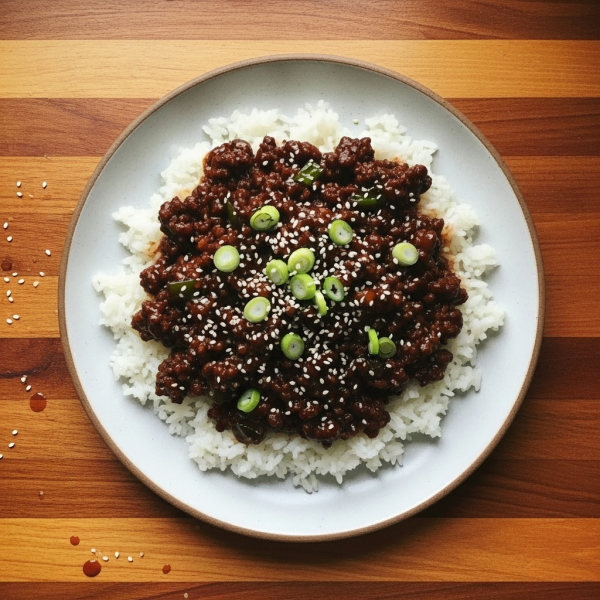
Some of my family’s favorite meals were born from trying to recreate restaurant dishes at home. I’ll never forget the first time my husband and I tried Mongolian Beef at a little place downtown. The beef was so tender, and the sauce was this perfect balance of sweet and savory. I knew I had to figure out how to make it in my own kitchen.
Of course, weeknight dinners call for something a little quicker and more budget friendly than slicing up flank steak. That’s when it hit me, why not try it with ground beef? It cooks up in a flash and soaks up sauce like a dream. The first time I made this Mongolian Ground Beef, it was an instant hit.
But you know me, I can never leave well enough alone. It needed a little something extra, a surprise that would make everyone ask, “What is that?” I found my secret weapon in a can of water chestnuts, diced up so finely they disappear into the dish, leaving behind the most wonderful, subtle crunch in every single bite. It’s the perfect textural contrast to the tender beef and silky sauce.
This dish has become our go-to for a “takeout at home” night. It’s fast, it’s flavorful, and that little twist makes it feel just a bit more special than the original.
Why This Mongolian Ground Beef Recipe Works
There’s a reason Mongolian Beef is a staple on just about every Chinese-American restaurant menu. It’s irresistibly delicious. Funnily enough, the dish has very little to do with Mongolia itself. It’s largely believed to have originated in Taiwan in the 1950s, created to appeal to a broader palate with its approachable sweet and savory flavors.
Its popularity comes from that incredible sauce, a simple but powerful combination of soy sauce, brown sugar, and aromatics like garlic and ginger. It coats the beef perfectly, creating a dish that’s rich, satisfying, and deeply comforting.
This version using ground beef works so well because it takes all the best parts of the original and makes them accessible for any night of the week. Ground beef is affordable, cooks in minutes, and its texture means more surface area for that amazing sauce to cling to. You get all the flavor without the time and expense of preparing steak.
What really makes my Mongolian Ground Beef recipe a standout is the addition of finely diced water chestnuts. Traditional Mongolian Beef often gets a slight crispness from velveting and flash frying the steak. Since we lose that with ground beef, the water chestnuts reintroduce that textural element in a new and exciting way. They provide a delightful, watery crunch that cuts through the richness of the sauce and beef. It’s a small change that makes a huge impact, turning a simple skillet dinner into something truly memorable.
Ingredients for Mongolian Ground Beef
One of the best things about this recipe is how it transforms a handful of pantry staples into something that tastes like a special occasion meal. You likely have most of these ingredients on hand already. The combination is what creates that signature flavor we all love.
Here’s exactly what you’ll need to make it happen:
- 1 lb lean ground beef
- 1 tbsp sesame oil
- 1 small yellow onion, finely chopped
- 4 cloves garlic, minced
- 1 tbsp fresh ginger, grated
- 1/2 cup low-sodium soy sauce
- 1/4 cup packed brown sugar
- 2 tbsp hoisin sauce
- 1 tbsp rice vinegar
- 1/2 tsp red pepper flakes (optional, for heat)
- 1 (8-ounce) can water chestnuts, finely diced
- 1 tbsp cornstarch
- 2 tbsp cold water
- 4 green onions, thinly sliced
- Toasted sesame seeds, for garnish
- Cooked rice or noodles, for serving
A few notes on the key players here. For the ground beef, I prefer a lean blend like 90/10 or 93/7. This gives you great flavor without creating too much excess grease that you have to drain away. If you only have 80/20, that’s perfectly fine, just be sure to drain it well after browning.
When it comes to the soy sauce, using a low-sodium version is a must. It allows you to control the salt level while still getting that deep, umami flavor. The hoisin sauce adds a complex, slightly sweet and tangy note that is crucial for the sauce’s depth.
And now for my secret ingredient: the water chestnuts! The key here is to dice them finely. You aren’t looking for big chunks. You want tiny little pieces that mix in with the ground beef, so you get a pleasant, crisp texture in every spoonful without it being obvious what it is. It’s all about adding that wonderful textural surprise.
Step-by-Step Instructions For Making Mongolian Ground Beef
This meal comes together in one skillet in under 30 minutes, which is a lifesaver on busy evenings. The process is straightforward, but a few little techniques will ensure your dish turns out perfectly every time. Let’s walk through it together.
Step 1: Brown the Beef and Onion
Start by heating your sesame oil in a large skillet or a wok over medium-high heat. The sesame oil adds a lovely nutty aroma right from the start. Add the ground beef and the finely chopped yellow onion. Use a wooden spoon or a spatula to break the beef into small crumbles as it cooks. You want a nice, even texture. Continue cooking until the beef is fully browned and the onion has softened and turned translucent. Drain off any excess grease from the pan. This step is important for a clean, non-greasy sauce.
Step 2: Bloom the Aromatics
Now it’s time to build our flavor base. Add the minced garlic and freshly grated ginger to the skillet with the beef. Stir them constantly for about one minute. You’ll know they’re ready when they become incredibly fragrant. This brief cooking step, often called “blooming,” awakens the essential oils in the aromatics and infuses the entire dish with their flavor. Be careful not to let them burn, as burnt garlic can taste bitter.
Step 3: Whisk the Sauce
In a small bowl or a liquid measuring cup, whisk together the low-sodium soy sauce, packed brown sugar, hoisin sauce, rice vinegar, and the optional red pepper flakes. Whisking these together separately ensures the brown sugar dissolves completely and all the flavors are married before they hit the hot pan. This prevents clumping and creates a smooth, consistent sauce.
Step 4: Combine and Simmer
Pour the sauce mixture directly over the ground beef in the skillet. Stir everything to combine, then add your finely diced water chestnuts. Give it another good stir and bring the entire mixture to a gentle simmer over the heat. You should see little bubbles starting to break the surface.
Step 5: Thicken with a Slurry
To get that classic thick, glossy sauce, we need a cornstarch slurry. In a separate small bowl, whisk together the cornstarch and cold water until the cornstarch is completely dissolved and there are no lumps. It’s crucial to use cold water, as hot water will cause the cornstarch to clump up instantly. Slowly pour the slurry into the simmering beef mixture, stirring constantly as you pour.
Step 6: Cook Until Thickened
Continue stirring and let the sauce cook for another one to two minutes. You will see it transform almost immediately. The sauce will go from thin and watery to thick, glossy, and beautifully coating every piece of ground beef. That’s the magic of the slurry at work!
Step 7: Finish with Green Onions
Remove the skillet from the heat. This is the moment to stir in your thinly sliced green onions. Adding them at the very end keeps their color bright and their texture crisp, providing a final layer of fresh, sharp flavor that cuts through the richness of the sauce.
Step 8: Serve and Garnish
Serve your beautiful Mongolian Ground Beef immediately. It’s best served hot over a bed of fluffy rice or your favorite noodles. For a final flourish, sprinkle some toasted sesame seeds over the top. They add a little extra texture and a wonderful nutty finish.
How To Serve Mongolian Ground Beef
Once you’ve got a skillet full of this savory, saucy goodness, the fun part is deciding how to serve it. This dish is wonderfully versatile and can be the star of the show in so many different ways, whether you’re aiming for a classic comfort meal or something a little more creative.
The most traditional and, in my opinion, one of the best ways to serve it is piled high over a bed of fluffy steamed rice. White jasmine rice is a fantastic choice, as its fragrant aroma complements the sauce beautifully. Brown rice also works great for a healthier, heartier option. The rice does a perfect job of soaking up every last drop of that incredible Mongolian sauce.
But don’t stop there! Here are a few of my other favorite ways to enjoy this dish:
- Over Noodles: Ladle the ground beef mixture over cooked lo mein noodles, ramen, or even udon for a satisfying noodle bowl.
- Lettuce Wraps: For a lighter, low-carb option, spoon the Mongolian ground beef into crisp butter lettuce or iceberg lettuce cups. It makes for a fun and interactive meal.
- With Veggies: To round out the meal, serve it alongside a simple vegetable side. Steamed broccoli, garlic green beans, or a medley of stir-fried bell peppers and snap peas are all excellent choices.
- Stuffed in a Potato: Spoon the mixture over a hot baked potato or a baked sweet potato for a truly hearty and comforting dinner.
No matter how you choose to serve it, the key is to have something that can act as a vessel for that rich, glossy sauce. Whether it’s rice, noodles, or a simple piece of lettuce, you won’t want to waste a single drop. It’s a complete meal that feels special enough for company but is easy enough for any Tuesday night.
How To Store & Reuse Mongolian Ground Beef Leftovers
If you find yourself with leftovers of this Mongolian Ground Beef, you’re in luck. It’s one of those wonderful dishes that tastes just as good, if not even better, the next day as the flavors have more time to meld together. Proper storage is key to keeping it fresh and delicious.
First, allow the ground beef mixture to cool down to room temperature. Storing hot food directly in the fridge can raise the internal temperature and affect other foods. Once cooled, transfer it to an airtight container. It will keep beautifully in the refrigerator for up to 4 days.
When you’re ready to enjoy it again, reheating is simple. You can use the microwave for a quick fix, heating it in 30-second increments and stirring in between to ensure it heats evenly. I personally prefer reheating it on the stovetop. Just place the leftovers in a small skillet over medium-low heat with a splash of water or beef broth to loosen up the sauce and prevent it from drying out. Stir until it’s warmed through.
The leftovers are fantastic as is, but you can also get creative and transform them into something new!
- Quick Lunch Bowls: Portion the leftovers into containers with some cooked rice or quinoa for easy grab-and-go lunches throughout the week.
- Savory Quesadillas: Spread the mixture onto a tortilla, sprinkle with some mozzarella or Monterey Jack cheese, top with another tortilla, and pan-fry until golden and crispy.
- Breakfast Scramble: Add a scoop of leftover Mongolian beef to your morning scrambled eggs for a protein-packed, flavorful start to your day.
Having these leftovers on hand feels like a gift to your future self. It’s the perfect way to guarantee a delicious and effortless meal is waiting for you when you need it most.
Substitutions & Variations For Mongolian Ground Beef
While I absolutely adore this recipe just as it is, one of its greatest strengths is how easily it can be adapted to your tastes or what you have in your pantry. Feel free to play around and make it your own. It’s hard to go wrong with a sauce this good!
If you’re looking to change things up, here are some tried-and-true substitutions and variations that work beautifully with this Mongolian Ground Beef recipe.
- Protein Swaps: This recipe is fantastic with other ground meats. Try ground chicken, turkey, or pork for a different flavor profile. For a vegetarian version, use plant-based ground crumbles or extra-firm tofu that has been pressed and crumbled.
- Add More Veggies: This is a great “clean out the fridge” meal. You can easily bulk it up with vegetables. Add sliced mushrooms, shredded carrots, or thinly sliced bell peppers to the skillet along with the onion. Broccoli florets or snow peas can be stirred in during the last few minutes of simmering.
- Dietary Adjustments: To make this dish gluten-free, simply substitute the soy sauce with tamari or coconut aminos, and ensure your hoisin sauce is certified gluten-free. For a lower-sugar option, you can use a brown sugar substitute like Swerve or reduce the amount of brown sugar to your liking.
- Spice It Up: If you like more heat, don’t be shy with the red pepper flakes. You could also add a teaspoon of sriracha or a chili garlic sauce to the sauce mixture for an extra kick of spice and flavor. A drizzle of toasted sesame oil at the end will also amplify the nutty, savory notes.
Think of this recipe as a delicious blueprint. These simple swaps can help you tailor the dish to fit any dietary need or craving. No matter what little changes you make, the core of this sweet and savory dish will shine through, delivering a fantastic meal every time.
Mongolian Ground Beef with a Twist
Description: A quick and easy weeknight dinner featuring savory ground beef in a classic sweet and savory Mongolian sauce. A secret ingredient, finely diced water chestnuts, adds a delightful and unexpected crunch to every bite, elevating this simple dish into something truly special.
Yield: 4 servings | Category: Main Course | Cuisine: Asian-Inspired
Prep Time: 10 minutes | Cook Time: 20 minutes
Ingredients
- 1 lb lean ground beef
- 1 tbsp sesame oil
- 1 small yellow onion, finely chopped
- 4 cloves garlic, minced
- 1 tbsp fresh ginger, grated
- 1/2 cup low-sodium soy sauce
- 1/4 cup packed brown sugar
- 2 tbsp hoisin sauce
- 1 tbsp rice vinegar
- 1/2 tsp red pepper flakes (optional, for heat)
- 1 (8-ounce) can water chestnuts, finely diced
- 1 tbsp cornstarch
- 2 tbsp cold water
- 4 green onions, thinly sliced
- Toasted sesame seeds, for garnish
Instructions
- Heat sesame oil in a large skillet over medium-high heat. Add ground beef and onion, cooking until beef is browned. Drain excess grease.
- Stir in garlic and ginger and cook for 1 minute until fragrant.
- In a small bowl, whisk together soy sauce, brown sugar, hoisin sauce, and rice vinegar. Pour over the beef.
- Stir in the diced water chestnuts and bring to a simmer.
- In another small bowl, whisk cornstarch and cold water to make a slurry. Pour into the skillet, stirring constantly.
- Cook for 1-2 minutes until the sauce has thickened.
- Remove from heat and stir in the green onions. Serve immediately over rice or noodles, garnished with sesame seeds.
Notes
For a gluten-free version, use tamari instead of soy sauce and check that your hoisin sauce is certified gluten-free. Add more red pepper flakes for extra heat if desired.
Servings: 4 | Calories: 450 kcal | Fat: 22g | Carbohydrates: 28g | Protein: 35g
5 FAQs About Mongolian Ground Beef
Here are some straightforward answers to the most common questions I receive about this Mongolian Ground Beef recipe.
Is Mongolian Ground Beef actually from Mongolia?
This is a fantastic question, and the answer often surprises people. No, Mongolian Beef, in any form, is not a traditional dish from Mongolia. The cuisine in Mongolia is primarily focused on dairy products and meat from local livestock, with very different flavor profiles and cooking methods. The dish we know and love is actually a creation of Chinese-American, specifically Taiwanese, restaurants.
It was likely developed in Taiwan during the 1950s and brought to the United States. The name “Mongolian” was probably used as a marketing tool to give the dish an exotic and appealing name for American diners, much like the concept of “Mongolian barbecue,” which is also a Taiwanese invention. So, while its name might be misleading, its deliciousness is undeniable. It’s a beloved staple of American Chinese cuisine for a reason.
Can I make this Mongolian Ground Beef recipe ahead of time?
Absolutely! This recipe is wonderful for meal prepping, which makes it even more of a weeknight hero. You have a couple of great options for making it ahead. The first option is to cook the entire dish from start to finish. Let it cool completely, then store it in an airtight container in the refrigerator for up to four days. When you’re ready to eat, just reheat it gently on the stovetop or in the microwave for a near-instant dinner.
Your second option is to prep the components. You can brown the beef with the onions, garlic, and ginger and store that in one container. In a separate jar or small bowl, you can whisk together all the sauce ingredients. When it’s time for dinner, all you have to do is combine everything in a skillet, add the water chestnuts, thicken with the slurry, and you’ll have a fresh-tasting meal on the table in about 10 minutes. This method is great if you prefer the texture of a freshly made sauce.
Why are the water chestnuts necessary in this Mongolian Ground Beef?
The water chestnuts are what I consider my signature twist on this dish, and they serve a very specific and important purpose: texture. Traditional Mongolian beef is made with sliced flank steak that’s often “velveted” and quickly fried, giving it a tender interior and a slightly crisp exterior. When you use ground beef, you get amazing flavor but lose that textural contrast. The beef is soft, and the sauce is silky, which is lovely, but it can feel a bit one-note.
By dicing the water chestnuts very finely and stirring them in, you reintroduce that missing textural element. They don’t have a strong flavor, so they won’t overpower the classic Mongolian sauce. Instead, they provide a subtle, watery, and satisfying crunch in every single bite. It’s an unexpected and delightful surprise that elevates the entire dish. You can certainly leave them out if you don’t have them, but I highly recommend giving them a try to see what a difference they make.
How can I make the sauce for my Mongolian Ground Beef thicker or thinner?
The consistency of the sauce is a personal preference, and thankfully, it’s very easy to adjust. The thickness of the sauce is controlled by the cornstarch slurry. If you follow the recipe as written, you should get a nice, glossy sauce that coats the beef without being overly thick or goopy. However, if you find you’d like it even thicker, it’s a simple fix.
To make the sauce thicker, just create a little more slurry. Whisk together another teaspoon of cornstarch with two teaspoons of cold water until smooth, then slowly stir it into the simmering sauce until it reaches your desired thickness. To make the sauce thinner, simply stir in a tablespoon or two of liquid. Low-sodium beef broth or plain water both work perfectly. Add it a little at a time until the sauce is the consistency you like. It’s a forgiving recipe, so feel free to adjust it until it’s just right for you.
What’s the difference between Mongolian Beef and Szechuan Beef?
This is a very common point of confusion, as both are popular beef dishes found on Chinese-American menus. While they might look similar at a glance, their flavor profiles are worlds apart. The primary difference comes down to the regional influences and key ingredients that define their respective sauces.
Mongolian Beef is known for its mild, savory, and sweet flavor. The sauce is soy sauce based, balanced with brown sugar for sweetness and aromatics like garlic and ginger. It’s very approachable and not spicy, which is why it’s a favorite for families and those who prefer less heat. My Mongolian Ground Beef recipe sticks to this classic sweet-and-savory profile. Szechuan Beef, on the other hand, comes from the Sichuan province of China, a region famous for its bold, fiery cuisine. Its signature flavor comes from Sichuan peppercorns, which provide a unique citrusy aroma and a tingling, numbing sensation known as “málà,” along with fiery chili peppers or chili bean paste (doubanjiang). While it can also have sweet and savory elements, the dominant characteristics are spiciness and that distinct numbing quality.
Try These Recipes Next
If you enjoyed this quick and easy ground beef skillet, you’re sure to love some of my other go-to recipes for busy weeknights.
- Easy Ground Beef Recipes: A collection of my most trusted and family-approved ground beef dinners that are perfect for any occasion.
- The Perfect Ground Beef Casserole: A hearty and comforting casserole that brings together seasoned beef, tender pasta, and lots of cheese.
- Easy Tamale Pie in One Skillet: All the flavor of classic tamale pie, made incredibly simple with a savory beef filling and a cheesy cornbread topping, all in one pan.
I hope these give you some fresh inspiration for your meal plan!