
Spicy Gochujang Hot and Sour Soup Recipe
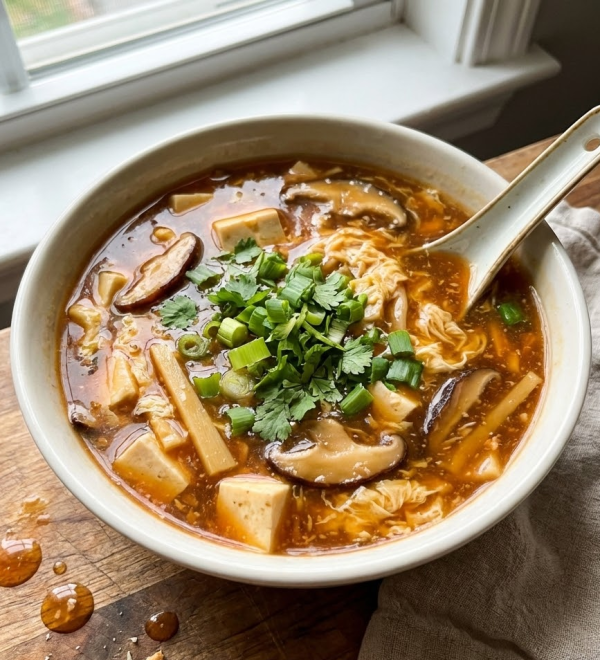
I’ll never forget the first time I tried real hot sour soup. It was one of those dreary, rainy afternoons where the chill gets right into your bones. My husband, bless his heart, suggested we skip cooking and try the new little Szechuan place that had opened up downtown. I walked in, soaked and grumpy, and the first thing that hit me was the aroma of vinegar, ginger, and something deeply savory and spicy.
I ordered the hot sour soup on a whim, and when that steaming bowl arrived, everything changed. It was a revelation. It was tangy, it was peppery, and it was packed with silky tofu and earthy mushrooms. It warmed me from the inside out. I went home that night completely obsessed, determined to recreate that exact feeling in my own kitchen.
Of course, me being me, I couldn’t just leave a classic recipe alone. After a few tries, I found my secret. A spoonful of gochujang for a deep, fermented heat and a pinch of smoked paprika for a whisper of smokiness that makes you go, “Oh, what is that?” It’s that little twist that takes this soup from simply good to absolutely unforgettable. This is the recipe that warms my family on chilly nights, and I just know you’re going to love it.
Why This Hot Sour Soup Recipe Works
Hot sour soup is a beloved classic for a reason. Originating from the Szechuan region of China, its genius lies in the perfect balance of opposing flavors. The “hot” traditionally comes from a generous amount of white pepper, which provides a sharp, clean heat, while the “sour” comes from black vinegar, lending a distinct, malty tang. It’s a culinary balancing act that, when done right, is incredibly satisfying.
For years, people have loved this soup for its comforting qualities and its complex flavor profile. It’s the kind of dish that can clear your sinuses and soothe your soul all at once. The combination of textures from the silky egg ribbons, tender mushrooms, and firm tofu makes every spoonful interesting.
So, why mess with perfection? Well, I like to think of it as enhancing perfection. My twist introduces two key ingredients that add new layers of complexity without disrupting that classic balance. First, the gochujang, a Korean fermented chili paste, brings a different kind of heat. Instead of just the sharp bite of white pepper, gochujang offers a slow-building, slightly sweet, and deeply savory warmth. It adds a wonderful depth and a beautiful color to the broth.
The second secret is a little pinch of smoked paprika. This might sound out of place, but trust me. It introduces a subtle, woody smokiness that beautifully complements the earthy shiitake mushrooms and the toasted sesame oil. It rounds out the flavors and gives the soup a memorable finish that you just don’t get from a standard recipe. This version honors the tradition of hot sour soup while giving it a modern, signature spin that makes it truly special.
Ingredients for Hot Sour Soup
Gathering your ingredients, or your “mise en place” as the professionals say, is the first step to a flawless soup. For this recipe, the quality of your components really shines through. A rich, flavorful broth is your foundation, and fresh aromatics like ginger and garlic are non-negotiable for that vibrant taste.
The real stars of my version, however, are the gochujang and smoked paprika. When you’re shopping for gochujang, you’ll find it in tubs at most large grocery stores or any Asian market. It varies in heat level, so start with a little and add more if you like things extra spicy. As for the tofu, be sure to buy firm or extra-firm. It holds its shape beautifully in the hot broth, whereas silken tofu would just dissolve.
- 6 cups chicken or vegetable broth
- 1 tablespoon gochujang (Korean chili paste)
- 1/2 teaspoon smoked paprika
- 8 oz firm tofu, pressed and cut into ½-inch cubes
- 4 oz fresh shiitake mushrooms, stems removed and thinly sliced
- 1/4 cup canned bamboo shoots, julienned
- 3 tablespoons rice vinegar
- 2 tablespoons low-sodium soy sauce
- 1 tablespoon toasted sesame oil
- 1 teaspoon ground white pepper
- 1 teaspoon sugar
- 1 clove garlic, minced
- 1 teaspoon fresh ginger, grated
- 3 tablespoons cornstarch mixed with 4 tablespoons of cold water
- 2 large eggs, lightly beaten
- 3 green onions, thinly sliced (greens and whites separated)
- 1/4 cup fresh cilantro, chopped for garnish
A quick note on a few other ingredients. Using low-sodium soy sauce is a must, as it allows you to control the saltiness of the final dish. Regular soy sauce can easily make the soup too salty, especially as it simmers. And don’t skip the toasted sesame oil. It’s a finishing oil, added near the end, and its nutty aroma is an essential part of the soup’s character. Using fresh shiitake mushrooms will give you a much better flavor and texture than dried ones, though dried can work in a pinch if you rehydrate them first.
Step-by-Step Instructions For Making Hot Sour Soup
Making this soup is all about building layers of flavor at each step. Don’t rush the process. Let the ingredients meld and simmer, and you’ll be rewarded with a rich, complex broth. A heavy-bottomed pot or a Dutch oven is perfect for this, as it distributes heat evenly and prevents scorching.
Step 1: Create the Flavorful Broth
In your large pot or Dutch oven, pour in the six cups of chicken or vegetable broth. Turn the heat to medium-high and bring it to a gentle simmer. This is your canvas. Once it’s simmering, add your flavor boosters: the tablespoon of gochujang and the half teaspoon of smoked paprika. Whisk them in until they are completely dissolved. You should see the broth take on a beautiful, rich reddish hue.
Step 2: Simmer the Aromatics and Vegetables
Now it’s time to add the solids that will give your soup its heartiness. Add the thinly sliced shiitake mushrooms, the julienned bamboo shoots, the minced garlic, and the grated ginger. Give everything a good stir and reduce the heat to a medium simmer. Let these cook for about 5 to 7 minutes. This step is crucial for softening the mushrooms and allowing the garlic and ginger to release their fragrant oils into the broth.
Step 3: Add Tofu and Seasoning
Gently slide the cubed tofu into the pot. You want to be careful here to not break up the cubes. While the tofu is warming through, grab a small bowl. In it, whisk together the rice vinegar, low-sodium soy sauce, toasted sesame oil, white pepper, and sugar. This is your “sour” and savory mixture. Pour this powerful concoction into the soup and stir gently to combine everything.
Step 4: Thicken the Soup
No one likes a watery hot sour soup. The key to that classic, silky texture is a cornstarch slurry. In a separate small bowl, mix the three tablespoons of cornstarch with four tablespoons of cold water until it’s perfectly smooth with no lumps. While the soup is at a low simmer, slowly drizzle in the slurry while whisking continuously. Keep stirring for another minute or two, and you’ll see the soup magically thicken to the perfect consistency.
Step 5: Create the Egg Ribbons
This is the part that feels like real kitchen magic. With a spoon or whisk, begin stirring the thickened soup in a slow, steady circle to create a gentle whirlpool. While maintaining this motion, slowly pour the lightly beaten eggs into the soup in a thin stream. They will cook instantly, forming beautiful, delicate ribbons. This technique is so much better than just dumping the eggs in, which can result in scrambled egg clumps.
Step 6: Finish and Garnish
Almost there. Turn off the heat and stir in the white parts of your sliced green onions. They will add a final, subtle bite of flavor. Ladle the gorgeous, steaming soup into bowls. Top each serving with a generous sprinkle of the green parts of the green onions and some fresh, chopped cilantro. Serve it immediately and get ready for the compliments.
How To Serve Hot Sour Soup
Serving hot sour soup is all about presenting it in a way that highlights its comforting and flavorful nature. I believe the experience of eating a dish starts the moment you see it, so a little extra effort in presentation goes a long way. At its simplest, this soup is a complete meal in a bowl, perfect for a cozy night in. I love serving it in deep, earthy ceramic bowls that hold the heat well.
If you’re making this as part of a larger meal, it serves beautifully as a first course. Consider pairing it with other Asian-inspired dishes to create a full-blown feast for your family or guests. The tangy and spicy notes of the soup are a wonderful way to awaken the palate before the main event.
Here are a few of my favorite ways to serve and garnish this hot sour soup:
- Classic Restaurant Style: Serve it alongside crispy spring rolls or steamed dumplings for dipping. The contrast between the crunchy roll and the silky soup is just divine.
- Add Some Crunch: Top each bowl with a sprinkle of crispy fried shallots or crunchy wonton strips right before serving. This adds a fantastic textural element.
- Extra Heat and Flavor: For those who like it extra spicy, offer a small dish of chili oil or sriracha on the side so individuals can customize their heat level. A drizzle of toasted sesame oil right at the end also boosts the aroma.
- Make it a Noodle Bowl: For a more substantial meal, you can add cooked ramen or udon noodles to the bottom of the bowl before ladling the hot soup over top. It turns a classic soup into a hearty noodle dish.
No matter how you choose to serve it, make sure it’s piping hot. This is a soup that is meant to be enjoyed right away, while the aromas are at their peak and the warmth can work its magic. A simple presentation with the fresh green onions and cilantro is beautiful on its own, letting the vibrant colors of the soup speak for themselves.
How To Store & Reuse Hot Sour Soup Leftovers
While this hot sour soup is definitely best enjoyed fresh from the pot, the leftovers are still wonderfully delicious. Proper storage is key to making sure it tastes nearly as good the next day. The most important rule is to let the soup cool down to room temperature before you store it. Putting a hot pot of soup directly into the refrigerator can raise the internal temperature of the fridge, which isn’t safe for the other food in there.
Once cooled, transfer the soup to an airtight container. Glass containers are my preference as they don’t absorb odors or stains, but a good quality plastic container will work just fine. Stored this way, the soup will keep well in the refrigerator for up to 3 days. Do keep in mind that the tofu can become slightly firmer and the egg ribbons might not be as delicate after being stored, but the flavor will still be fantastic.
Here’s how I handle storing and reheating:
- Refrigerating: Let the soup cool for about an hour on the counter, then pour it into an airtight container and place it in the fridge. Avoid storing it in the pot you cooked it in, as metal can sometimes impart a funny taste to acidic foods over time.
- Reheating on the Stovetop: This is the best method. Gently reheat the soup in a small saucepan over medium-low heat. Bring it to a gentle simmer, but avoid a rolling boil, which can toughen the tofu and make the egg ribbons rubbery. Stir occasionally until it’s heated through.
- Reheating in the Microwave: If you’re in a hurry, the microwave works. Place a single serving in a microwave-safe bowl and cover it with a paper towel or a microwave-safe lid to prevent splatters. Heat it in 60-second intervals, stirring in between, until it reaches your desired temperature.
- Freezing: I generally don’t recommend freezing hot sour soup. The texture of the tofu and the egg ribbons can change significantly upon thawing, becoming spongy and unpleasant. It’s best made and enjoyed within a few days.
If you find yourself with just a little bit of leftover broth, don’t throw it out. It makes an amazing, flavorful base for a quick stir-fry sauce or a simple broth for boiling some noodles and vegetables for a quick lunch. It’s too good to waste.
Substitutions & Variations For Hot Sour Soup
One of the things I love most about cooking is making a recipe my own, and this hot sour soup is wonderfully adaptable. Whether you need to accommodate a dietary restriction or you just want to use up what you have in the fridge, there are plenty of ways to tweak this recipe. Don’t be afraid to experiment. That’s how I landed on my gochujang and smoked paprika twist in the first place.
Think of this recipe as a template. The core concept is the “hot” and “sour” balance, but the components floating in that delicious broth can be changed to suit your taste. It’s a great way to clean out the vegetable crisper. Just remember to keep the main flavor profiles in mind as you make your swaps.
Here are some substitutions and variations that work beautifully:
- Protein Swaps: If you’re not a fan of tofu, you can easily substitute it with thin strips of pork loin or chicken breast. Add the raw meat to the simmering broth just before you thicken it and cook until it’s done, which only takes a few minutes. For a seafood version, small shrimp are also a fantastic addition.
- Mushroom Variations: While shiitake mushrooms provide a classic, earthy flavor, you can use other types. Wood ear mushrooms are very traditional and add a wonderful chewy texture. Simple cremini or button mushrooms also work well if that’s what you have on hand.
- Make It Gluten-Free: To make this recipe gluten-free, simply replace the low-sodium soy sauce with tamari or a gluten-free soy sauce alternative. Double-check that your gochujang is also certified gluten-free, as some brands contain wheat.
- Vegetable Additions: Feel free to add more vegetables. Finely shredded carrots, water chestnuts for crunch, or even some baby corn can be added along with the mushrooms and bamboo shoots to bulk up the soup.
- Adjusting the Spice and Tang: This is all about personal preference. If you like it spicier, add more white pepper or a little extra gochujang. If you prefer a more pronounced sour taste, stir in an extra splash of rice vinegar at the very end. Taste as you go.
The beauty of a recipe like this is its flexibility. Use what you have, adjust the flavors to what you love, and you’ll create a version of hot sour soup that is uniquely yours. Happy cooking.
My Signature Hot Sour Soup with a Smoky Twist
Description: A classic hot sour soup with a modern, Southern twist. Smoky paprika and savory gochujang create a uniquely deep and comforting flavor that takes this restaurant favorite to a whole new level.
Yield: 6 Servings | Category: Soup | Cuisine: Chinese-Inspired
Prep Time: 15 minutes | Cook Time: 20 minutes
Ingredients
- 6 cups chicken or vegetable broth
- 1 tablespoon gochujang (Korean chili paste)
- 1/2 teaspoon smoked paprika
- 8 oz firm tofu, pressed and cut into ½-inch cubes
- 4 oz fresh shiitake mushrooms, stems removed and thinly sliced
- 1/4 cup canned bamboo shoots, julienned
- 3 tablespoons rice vinegar
- 2 tablespoons low-sodium soy sauce
- 1 tablespoon toasted sesame oil
- 1 teaspoon ground white pepper
- 1 teaspoon sugar
- 1 clove garlic, minced
- 1 teaspoon fresh ginger, grated
- 3 tablespoons cornstarch mixed with 4 tablespoons of cold water
- 2 large eggs, lightly beaten
- 3 green onions, thinly sliced (greens and whites separated)
- 1/4 cup fresh cilantro, chopped for garnish
Instructions
- In a large pot, bring broth to a simmer. Whisk in gochujang and smoked paprika until dissolved.
- Add mushrooms, bamboo shoots, garlic, and ginger. Simmer for 5-7 minutes until mushrooms are tender.
- Gently stir in the tofu. In a small bowl, mix rice vinegar, soy sauce, sesame oil, white pepper, and sugar. Pour mixture into the soup.
- Slowly whisk in the cornstarch slurry and stir until the soup thickens, about 1-2 minutes.
- Create a gentle whirlpool in the soup and slowly pour in the beaten eggs to form ribbons.
- Stir in the white parts of the green onions. Serve immediately, garnished with the green parts of the green onions and cilantro.
Notes
For best results, use firm or extra-firm tofu that has been pressed to remove excess water. This helps it hold its shape in the soup. Adjust the amount of gochujang and white pepper to your personal spice preference.
Servings: 6 | Calories: 150 kcal | Fat: 7g | Carbohydrates: 12g | Protein: 10g
5 FAQs About Hot Sour Soup
Here are some straightforward answers to the most common questions I receive about this hot sour soup recipe.
What makes a hot sour soup “hot” and “sour”?
This is a great question because it gets to the heart of what makes this soup so unique. The “hot” and “sour” components are the two pillars that define the entire flavor profile. The “sour” element comes from vinegar, and in this recipe, we use rice vinegar. It provides a clean, sharp tanginess that cuts through the richness of the broth and brightens all the other flavors. Some traditional recipes use Chinese black vinegar, which is maltier and more complex, but rice vinegar is more accessible and gives a wonderful, crisp sour note that I personally love.
The “hot” component traditionally comes from ground white pepper. Unlike black pepper, which has a floral heat, white pepper has a more pungent, earthy, and immediate spiciness that hits the back of your throat. In my special version, we get a dual-source heat. We still use white pepper for that classic kick, but we also add gochujang. The gochujang provides a different kind of warmth. It’s a fermented chili paste, so it brings a savory, slightly sweet, and slow-building heat that adds incredible depth and complexity. The combination of the two makes the “hot” element in this soup especially memorable.
Can I make this hot sour soup vegetarian or vegan?
Absolutely. This recipe is very easy to adapt for both vegetarian and vegan diets. The base of the soup is already packed with plant-based goodness like tofu, mushrooms, and bamboo shoots. The main switch for a vegetarian version is to ensure you are using a high-quality vegetable broth instead of chicken broth. A mushroom-based or kombu-based broth would be especially delicious here, as it would enhance the savory, umami notes already present in the soup.
To make it fully vegan, you would use vegetable broth and simply omit the egg ribbons. The soup will still be wonderfully thick and flavorful from the cornstarch slurry. If you miss the texture of the egg ribbons, you could try a vegan egg substitute, but I find the soup is perfectly satisfying without it. All other ingredients, including the gochujang, tofu, and aromatics, are typically vegan, but it’s always a good idea to double-check the labels on your gochujang and soy sauce just to be certain.
My hot sour soup isn’t thick enough. How can I fix it?
This is a common issue, but luckily, it’s very easy to fix. The thickness of hot sour soup comes from the cornstarch slurry. If your soup is too thin, it usually means one of two things: either not enough slurry was used, or it wasn’t cooked long enough to activate the thickening power of the cornstarch. When you add the slurry, it’s crucial that the soup is at a gentle simmer. The heat is what causes the starch granules to swell and thicken the liquid. You need to stir it for a full minute or two after adding the slurry to give it time to work its magic.
If you’ve done that and it’s still not as thick as you’d like, you can simply make another small batch of slurry. Mix one more tablespoon of cornstarch with two tablespoons of cold water until it’s smooth. While the soup is simmering, slowly whisk in the new slurry. Add it gradually until you reach your desired consistency. Be careful not to add too much at once, or you could end up with a soup that is overly thick or gelatinous. A little patience is all it takes to get that perfect, silky texture.
What’s the best kind of tofu for hot sour soup?
The type of tofu you choose can make a big difference in the final dish. For this hot sour soup, you absolutely want to use firm or extra-firm tofu. These varieties have a lower water content and a denser texture, which means they will hold their shape when cubed and simmered in the hot broth. They provide a pleasant, slightly chewy bite that contrasts nicely with the silky soup.
I would strongly advise against using soft or silken tofu for this recipe. While silken tofu is wonderful in other dishes like smoothies or creamy sauces, its delicate, custard-like texture means it will completely fall apart in this soup. Instead of distinct cubes of tofu, you would end up with small, grainy bits floating throughout the broth. For the best result, look for firm tofu, and for an even better texture, take the extra step of pressing it for 15-20 minutes before cubing it. This removes even more water and allows it to absorb the flavors of the broth more effectively.
Why do my eggs turn into clumps instead of ribbons in hot sour soup?
Ah, the art of the egg ribbon. This is a technique that can feel tricky at first, but it’s simple once you know the secret. If your eggs are turning into scrambled clumps, it’s likely due to one of two reasons: either the soup was boiling too rapidly, or the egg was poured in too quickly. The goal is to cook the egg in thin strands almost instantly as it hits the hot broth, and this requires a gentle cooking environment.
The perfect technique is to first make sure your soup is at a gentle, steady simmer, not a rolling boil. Then, use a ladle or spoon to stir the soup in one direction, creating a slow-moving whirlpool or vortex. While you maintain that gentle circular motion, slowly and steadily pour the lightly beaten egg into the soup in a very thin stream from a few inches above the pot. The motion of the soup will pull the egg stream into long, delicate strands. They will cook in just a few seconds. This method ensures you get those beautiful, silky ribbons that are the hallmark of a great hot sour soup instead of chunky, scrambled egg pieces.
Try These Recipes Next
If you loved the comforting and complex flavors of this soup, I know you’ll enjoy these other favorites from my kitchen.
- Simple Egg Drop Soup Recipe: For another incredibly fast and comforting soup, this classic is ready in just 15 minutes.
- Crock Pot Thai Chicken Soup: Let your slow cooker do the work with this fragrant, creamy soup filled with the wonderful flavors of Thai cuisine.
- Thai Coconut Curry Chicken: If you’re craving a hearty meal, this rich and flavorful curry is a guaranteed weeknight winner.
I hope you give them a try and they become new favorites for your family, too.