
Rotisserie Chicken Noodle Soup Gets a Flavor Upgrade
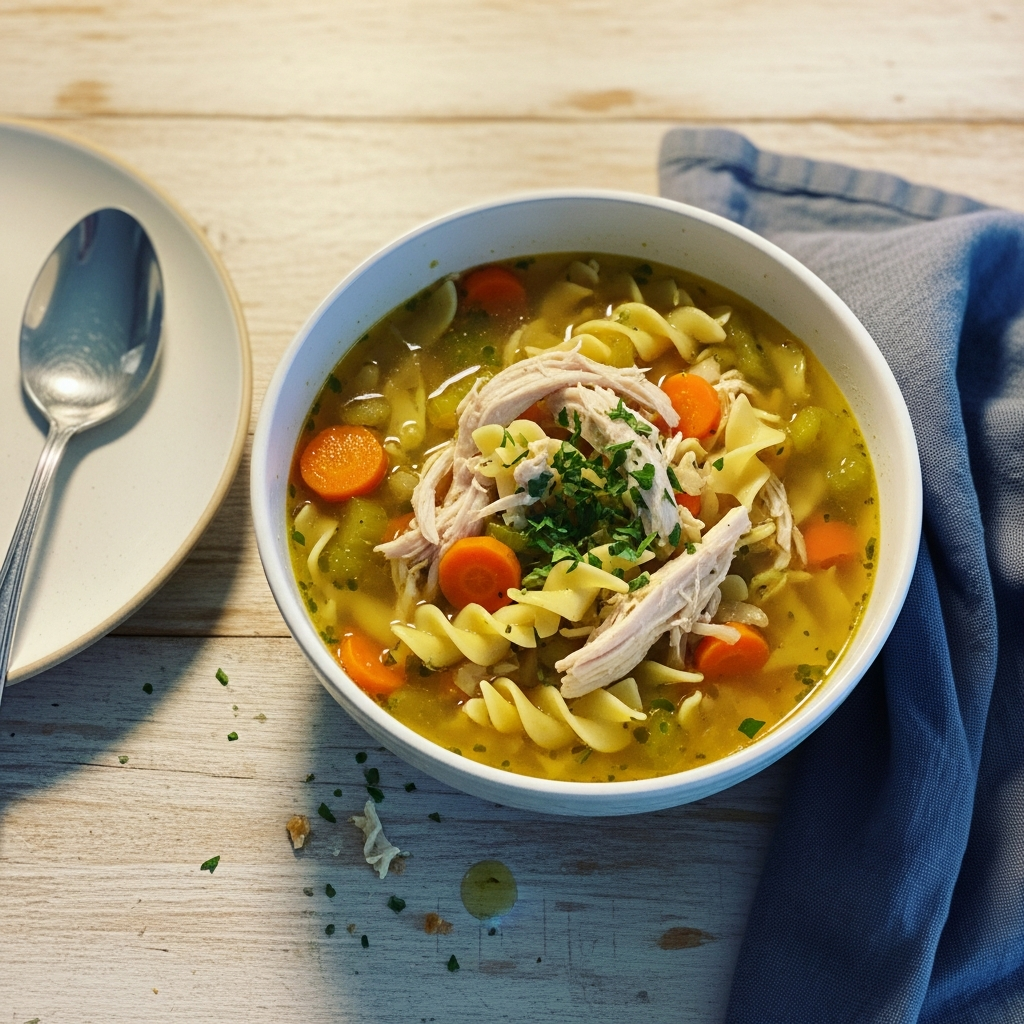
There are some weeks when the world just feels like it’s spinning a little too fast. A few years back, I was in the thick of one of those weeks. Between school events, a looming deadline for a volunteer project, and one of the kids coming down with a nasty cold, I was running on fumes. I needed to make something comforting and nourishing for dinner, but I barely had the energy to stand.
I grabbed a rotisserie chicken from the grocery store, my usual weeknight lifesaver. My original plan was just to serve it with some simple sides, but looking at my sick little one huddled on the couch, I knew what he really needed was soup.
So, I decided to whip up a quick rotisserie chicken noodle soup. As I simmered the broth with the classic carrots, celery, and onion, it smelled good, but it was missing something. It lacked that deep, soulful flavor of my grandmother’s all-day soup. I didn’t have all day, but I wanted that taste.
Rummaging through my fridge, my eyes landed on a tub of white miso paste I’d bought for a different recipe. On a whim, I whisked a little into the broth right at the end. The result was magic. It added this incredible, savory depth, a rich umami that made the soup taste like it had been simmering for hours. It was the perfect twist, and it’s been my secret ingredient ever since.
Why This Rotisserie Chicken Noodle Soup Recipe Works
Chicken noodle soup is the little black dress of comfort food. It’s timeless, universally loved, and perfect for almost any occasion, from nursing a cold to warming up on a chilly evening. The classic recipe has been a staple in homes for generations because it’s simple, nourishing, and deeply satisfying. It’s the taste of being taken care of in a bowl.
This particular rotisserie chicken noodle soup recipe leans into that tradition while making it incredibly accessible for our busy, modern lives. Using a store-bought rotisserie chicken is the ultimate shortcut. You get perfectly cooked, flavorful chicken without any of the work, plus the carcass can be used to create a surprisingly rich broth in under an hour. It’s a brilliant way to get slow-simmered flavor on a weeknight schedule.
But the real reason this recipe stands out is the addition of white miso paste. This is my secret for making the broth taste profoundly rich and complex. Miso adds a savory, salty, and slightly sweet flavor known as umami, which creates a wonderful depth that you just don’t get from salt alone. It enhances the flavor of the chicken and vegetables, making the entire soup more robust and satisfying.
It doesn’t make the soup taste like Japanese food, not at all. It just makes it taste like a better, more savory version of the chicken noodle soup you grew up loving. It’s that little something extra that will have everyone asking for your secret.
Ingredients for Rotisserie Chicken Noodle Soup
The beauty of this recipe is its simplicity, but using good quality ingredients will really make it shine. A well-seasoned rotisserie chicken and a good broth are your foundation, and my secret ingredient is what makes it truly special. Everything else is just classic, wholesome goodness.
Here’s exactly what you’ll need to get started:
- 1 tablespoon unsalted butter: This gives the vegetables a rich flavor right from the start.
- 1 large yellow onion, chopped: A sweet and savory backbone for our soup.
- 3 medium carrots, peeled and sliced into ¼-inch rounds: For a touch of sweetness and beautiful color.
- 3 celery stalks, sliced ¼-inch thick: Adds that essential, slightly savory, aromatic flavor.
- 2 cloves garlic, minced: Because almost every good soup starts with garlic.
- 8 cups low-sodium chicken broth: Using low-sodium is key, as it lets you control the final saltiness, especially since the miso paste adds its own salt.
- 1 whole rotisserie chicken, meat removed from bones and shredded (about 4 cups): The star of our shortcut! I prefer a plain or herb-seasoned chicken to avoid competing flavors.
- Carcass from the rotisserie chicken (optional, for a richer broth): Don’t throw this away! It’s packed with flavor and collagen.
- 1 bay leaf: For a subtle, earthy, background note.
- ½ teaspoon dried thyme: Complements chicken beautifully.
- 6 ounces wide egg noodles: These are classic for a reason. They have a wonderful texture and hold up well in the broth.
- 2 tablespoons white miso paste: This is the game-changing ingredient! Look for “shiro miso” in the refrigerated section of your grocery store. It’s milder and sweeter than red miso and blends in seamlessly, adding an incredible savory depth.
- ¼ cup chopped fresh parsley: For a burst of fresh, green flavor at the end.
- 2 tablespoons fresh lemon juice: This brightens up all the flavors and cuts through the richness. Don’t skip it.
- Salt and freshly ground black pepper to taste: To season everything perfectly.
Step-by-Step Instructions For Making Rotisserie Chicken Noodle Soup
This soup comes together in one pot, making it just as easy to clean up as it is to cook. We’ll build layers of flavor as we go, starting with the vegetables and ending with our secret umami bomb and fresh finishers. Just follow along, and you’ll have a perfect pot of soup in no time.
Step 1: Sauté the Vegetables
Start by melting the butter in a large Dutch oven or a heavy-bottomed stockpot over medium heat. A heavy pot is great here because it distributes heat evenly and prevents scorching. Once the butter is melted and foamy, add your chopped onion, carrots, and celery. This trio is the foundation of so many wonderful dishes. Cook them, stirring every so often, for about 6 to 8 minutes. You’re looking for the onions to become translucent and the other vegetables to soften up a bit. Then, add the minced garlic and cook for just one more minute until you can smell its wonderful aroma. Be careful not to let the garlic brown, or it can become bitter.
Step 2: Build and Simmer the Broth
Now it’s time to turn those vegetables into a real soup. Pour in the 8 cups of low-sodium chicken broth. Add in your shredded rotisserie chicken, the bay leaf, and the dried thyme. If you saved the chicken carcass, and I highly recommend you do, nestle it down into the pot as well. This is my favorite trick for a broth that tastes like it cooked all day. Bring the liquid up to a low boil, then immediately reduce the heat so the soup is at a gentle simmer. Let it simmer away for at least 20 minutes to give all those flavors a chance to get to know each other. If you’re using the carcass, you can let it go for up to an hour for an even more flavorful, rich broth.
Step 3: Remove the Solids
Once your broth has had time to develop its flavor, it’s time to clear the way for the noodles. Using a pair of tongs, carefully lift the chicken carcass out of the pot and discard it. It has given us all its flavor. Then, fish around with a spoon to find and remove the bay leaf. You definitely don’t want anyone to get that in their bowl.
Step 4: Cook the Noodles
Turn the heat back up slightly to bring the soup to a gentle boil. Now, stir in the wide egg noodles. I love cooking them right in the pot because they absorb the savory broth as they cook, making them extra delicious. Cook the noodles according to the time on the package, or until they are just tender, also known as al dente. You don’t want to overcook them, as they will continue to soften a bit in the hot soup.
Step 5: Temper and Add the Miso
This is the most important step for our secret ingredient. While the noodles are cooking, ladle about one cup of the hot broth from the pot into a small bowl. Add the two tablespoons of white miso paste to this bowl. Whisk vigorously until the miso is completely dissolved and you have a smooth, creamy liquid. This process, called tempering, ensures the miso incorporates smoothly into the soup without clumping. Once the noodles are cooked, reduce the heat under the pot to low. Pour the miso-broth mixture into the soup and stir to combine. It’s very important that you do not let the soup boil after adding the miso, as high heat can destroy its delicate flavor and beneficial properties.
Step 6: Finish and Season
With the heat still on low, stir in the chopped fresh parsley and the fresh lemon juice. These two ingredients, added at the very end, will instantly brighten and lift the entire soup. Now, give it a taste. With the salt from the broth and the miso, you might not need much more. Add salt and freshly ground black pepper until the flavors are just right for you. Your incredible rotisserie chicken noodle soup is now ready to serve immediately.
How To Serve Rotisserie Chicken Noodle Soup
Serving this rotisserie chicken noodle soup is as comforting as making it. There’s really no wrong way to enjoy a warm bowl, but I do have a few favorite ways to present it that make it feel like a truly special meal, even on a busy Tuesday.
My go-to is serving it piping hot in big, deep bowls that you can cup your hands around. There’s something so cozy about that. I always make sure each bowl gets a generous amount of chicken, veggies, and noodles, with plenty of that rich, flavorful broth. A final sprinkle of fresh parsley on top adds a pop of color and freshness that makes it look as good as it tastes.
While this soup is a hearty meal all on its own, sometimes you want a little something extra on the side. Here are a few things that pair perfectly:
- Crusty Bread: A thick slice of sourdough or a warm piece of a French baguette is an absolute must for dunking. You’ll want something sturdy to sop up every single drop of that delicious miso-infused broth.
- Classic Saltine Crackers: For a touch of nostalgia, you can’t beat crumbling a few saltines into your soup. It adds a nice bit of texture and that classic, comforting flavor.
- Gourmet Grilled Cheese: For an truly indulgent meal, serve smaller bowls of soup alongside a gooey grilled cheese sandwich. Use a sharp cheddar or Gruyère on thick bread for the ultimate dipping experience.
- A Simple Green Salad: If you want to add some freshness, a simple salad with a light vinaigrette is a perfect counterpoint to the rich, warm soup. It rounds out the meal beautifully.
No matter how you serve it, this rotisserie chicken noodle soup is all about comfort. Ladle it up, gather your family, and enjoy the feeling of a wholesome, homemade meal that tastes like it took hours, not minutes, to prepare.
How To Store & Reuse Rotisserie Chicken Noodle Soup Leftovers
One of the best parts about making a big pot of soup is enjoying the leftovers for the next day’s lunch or an easy dinner. This rotisserie chicken noodle soup is fantastic the next day, but there are a few tips to keep in mind to make sure it’s just as good as when you first made it.
The main thing to know is that the egg noodles will continue to soak up the broth as the soup sits in the refrigerator. This isn’t a bad thing, it just means the noodles will be much softer and the soup will be thicker. It’s still absolutely delicious, just a different texture. If you know you’ll be storing a large amount for later, you can cook and store the noodles separately, adding them to each bowl as you reheat it. But honestly, I usually just store it all together for simplicity.
Here’s how to best handle your leftovers:
- Storing: First, allow the soup to cool down to room temperature before storing. Never put a steaming hot pot directly into the fridge. Once cool, transfer the soup to an airtight container. It will keep well in the refrigerator for up to 4 days.
- Reheating on the Stovetop: This is my preferred method. Pour the leftover soup into a saucepan and gently warm it over medium-low heat. Stir occasionally until it’s heated through. Avoid boiling the soup, especially since the miso is already in there.
- Reheating in the Microwave: If you’re in a hurry, the microwave works just fine. Place a single serving in a microwave-safe bowl and heat it in 60-second intervals, stirring in between, until it reaches your desired temperature.
- Freezing: Chicken noodle soup can be frozen, but it’s best to do so without the noodles. The noodles can become very mushy and break apart upon thawing and reheating. If you plan to freeze a batch, follow the recipe up until the point of adding the noodles. Let that soup base cool, then freeze it in a freezer-safe container for up to 3 months. When you’re ready to eat, thaw the base, bring it to a simmer, and cook a fresh batch of noodles right in the soup.
Having a container of this homemade soup ready to go is such a treat. It’s perfect for a quick lunch or for those days when you just need a little extra comfort without any of the fuss.
Substitutions & Variations For Rotisserie Chicken Noodle Soup
While I think this rotisserie chicken noodle soup recipe is pretty perfect as is, one of the joys of home cooking is making a recipe your own. This soup is a fantastic canvas for experimentation, so feel free to play around with it based on what you have on hand or what your family loves. There are so many ways to switch things up!
You can easily tweak the vegetables, herbs, or even the noodles to create a whole new experience. Just remember to keep the core technique, especially how you handle the miso, the same for the best results. Here are some of my favorite substitutions and variations to get you started:
- Noodle & Grain Swaps: If you don’t have wide egg noodles, feel free to use another pasta shape like ditalini, orzo, or rotini. For a gluten-free option, you can use your favorite gluten-free pasta or even cooked white or brown rice. If using rice, stir it in at the end after it’s already been cooked.
- Vegetable Variations: This is a great recipe for cleaning out the vegetable drawer. Feel free to add diced mushrooms (sauté them with the other vegetables), frozen peas or corn (add them in the last few minutes of cooking), or a few handfuls of fresh spinach or kale (stir it in at the very end until it wilts).
- Herb & Spice Twists: If you’re not a fan of thyme, a little bit of dried rosemary or a pinch of poultry seasoning would be lovely. For a little bit of heat, add a pinch of red pepper flakes along with the garlic. A sprig of fresh dill added with the parsley can also lend a wonderful, bright flavor.
- Make it Creamy: For a richer, creamier soup, stir in about a half cup of heavy cream or full-fat coconut milk at the very end of cooking, after you’ve added the miso. Just heat it through gently without letting it boil.
- Different Umami Boosters: If you can’t find white miso paste, you can still add a savory depth to your broth. A teaspoon of soy sauce or a few dashes of Worcestershire sauce can be stirred in to give a similar, though not identical, umami kick.
Don’t be afraid to experiment. Cooking should be fun, and this recipe is very forgiving. Use what you love and create a bowl of comfort that’s uniquely yours.
My Secret Ingredient Rotisserie Chicken Noodle Soup
Description: A comforting classic made incredibly easy with rotisserie chicken and elevated with a secret ingredient, white miso, for a broth that tastes like it simmered for hours.
Yield: 8 servings | Category: Soup | Cuisine: American
Prep Time: 15 minutes | Cook Time: 45 minutes
Ingredients
- 1 tablespoon unsalted butter
- 1 large yellow onion, chopped
- 3 medium carrots, peeled and sliced
- 3 celery stalks, sliced
- 2 cloves garlic, minced
- 8 cups low-sodium chicken broth
- 1 whole rotisserie chicken, meat shredded (about 4 cups)
- Carcass from the rotisserie chicken (optional)
- 1 bay leaf
- ½ teaspoon dried thyme
- 6 ounces wide egg noodles
- 2 tablespoons white miso paste
- ¼ cup chopped fresh parsley
- 2 tablespoons fresh lemon juice
- Salt and freshly ground black pepper to taste
Instructions
- Melt butter in a large Dutch oven over medium heat. Sauté onion, carrots, and celery for 6-8 minutes until softened. Add garlic and cook for 1 minute.
- Pour in broth, then add shredded chicken, chicken carcass (if using), bay leaf, and thyme. Bring to a simmer and cook for at least 20 minutes.
- Remove and discard the chicken carcass and bay leaf.
- Bring soup to a gentle boil and add egg noodles. Cook according to package directions until al dente.
- In a small bowl, whisk miso paste with 1 cup of hot broth until smooth.
- Reduce soup heat to low and stir in the miso mixture. Do not let it boil.
- Stir in fresh parsley and lemon juice. Season with salt and pepper to taste. Serve immediately.
Notes
For the richest broth, don’t skip simmering the soup with the rotisserie chicken carcass. Be careful not to boil the soup after adding the miso paste, as it can diminish its delicate flavor.
Servings: 8 | Calories: 350 | Fat: 12g | Carbohydrates: 25g | Protein: 30g
5 FAQs About Rotisserie Chicken Noodle Soup
Here are some straightforward answers to the most common questions I receive about this rotisserie chicken noodle soup recipe.
Can I make rotisserie chicken noodle soup without a rotisserie chicken?
Absolutely! While a rotisserie chicken is a fantastic time-saver, you can easily make this soup with other types of cooked chicken. If you have leftover roasted or grilled chicken from another meal, simply shred it and add it to the soup as directed. This is a great way to give leftovers a new life.
If you’re starting with raw chicken, the easiest method is to poach it. You can use about 1.5 pounds of boneless, skinless chicken breasts or thighs. Simply place the raw chicken in the pot with the 8 cups of chicken broth, bring it to a simmer, and let it cook gently for about 15-20 minutes, or until the chicken is cooked through. Then, remove the chicken, shred it with two forks, and add it back to the soup along with the vegetables to continue the recipe. This method also creates a wonderfully flavorful broth right from the start.
Why did my noodles get mushy in my leftover rotisserie chicken noodle soup?
This is a very common issue with any noodle soup, and it happens for a simple reason: pasta is porous and acts like a sponge. As the soup sits in the refrigerator, the noodles continue to absorb the delicious broth. This causes them to swell and become very soft, which can lead to a mushy texture. The soup will also thicken considerably as the liquid is absorbed.
While the soup is still perfectly safe and tasty to eat this way, if you strongly prefer a firmer noodle, the best solution is prevention. You can cook the egg noodles in a separate pot of salted water according to the package directions. Store the cooked noodles in a separate airtight container in the fridge with a drizzle of olive oil to prevent sticking. When you’re ready to serve leftovers, simply place some noodles in a bowl and ladle the hot soup over them. This keeps the noodles perfectly al dente every time.
Is white miso necessary for this rotisserie chicken noodle soup recipe?
The white miso paste is my special twist that adds a unique, savory depth, but it is not absolutely necessary to make a delicious soup. If you leave it out, you will have a more traditional, classic chicken noodle soup, and it will still be incredibly comforting and wonderful. The miso is what elevates it and gives it that “secret ingredient” quality that makes the broth taste extra rich.
If you omit the miso, you will likely need to adjust the seasoning. Miso paste is salty, so you’ll want to taste the soup at the end and add more salt than the recipe calls for to compensate. If you want to add a different kind of umami flavor, you could stir in a teaspoon of soy sauce or a few dashes of Worcestershire sauce at the end. They provide a different flavor profile than miso but will still add a nice savory background note.
How can I make the broth for my rotisserie chicken noodle soup even richer?
Creating a rich, flavorful broth is the key to an unforgettable soup. The number one tip is to use the carcass from the rotisserie chicken. It’s full of collagen and flavor from the roasted bones, which seeps into the broth as it simmers. For maximum impact, let the carcass simmer in the broth for a full hour if you have the time. The longer it simmers, the richer your broth will be.
Another great trick is to use a high-quality chicken bone broth instead of, or in addition to, regular chicken broth. Bone broth is already simmered for a long time and has a deeper flavor and more body. You could also toss a Parmesan cheese rind into the pot while the broth simmers. It won’t make the soup cheesy, but it will impart a salty, savory flavor. Just remember to remove the rind along with the carcass before adding the noodles.
What’s the best way to shred a rotisserie chicken for soup?
Shredding the rotisserie chicken is a simple task, and there are a couple of ways to do it. My favorite way is to use my hands. I find it’s easiest to do this when the chicken is still warm, but not so hot that you burn your fingers. The meat pulls away from the bones much more easily when warm. Simply pull the meat off in chunks and then shred it into bite-sized pieces with your fingers. This gives you nice, rustic shreds of varying sizes. Be sure to discard the skin and any cartilage or gristly bits.
If you’re short on time or prefer not to get your hands messy, you can use two forks to pull the meat apart. Another popular and very fast method is to use a stand mixer. Place the larger chunks of deboned chicken meat into the mixer bowl and use the paddle attachment on a low speed. In less than a minute, you’ll have perfectly shredded chicken. Just be careful not to over-mix, or the chicken can become too fine and pasty.
Try These Recipes Next
If you loved the cozy, comforting vibes of this soup, I have a few others I think you’ll really enjoy.
- Easy Chicken Soup Recipe: A classic, from-scratch chicken soup that’s perfect for when you have a little more time.
- Creamy Chicken Tortellini Soup: A rich and cheesy soup that uses cheese tortellini instead of egg noodles for an extra decadent meal.
- Creamy Chicken Wild Rice Soup (Crockpot Style): Let your slow cooker do all the work with this hearty, creamy, and wonderfully nutty wild rice soup.
Each of these will bring a warm and delicious meal to your family table.