
Hot and Sour Chinese Soup Recipe with a Tingly Sichuan Twist
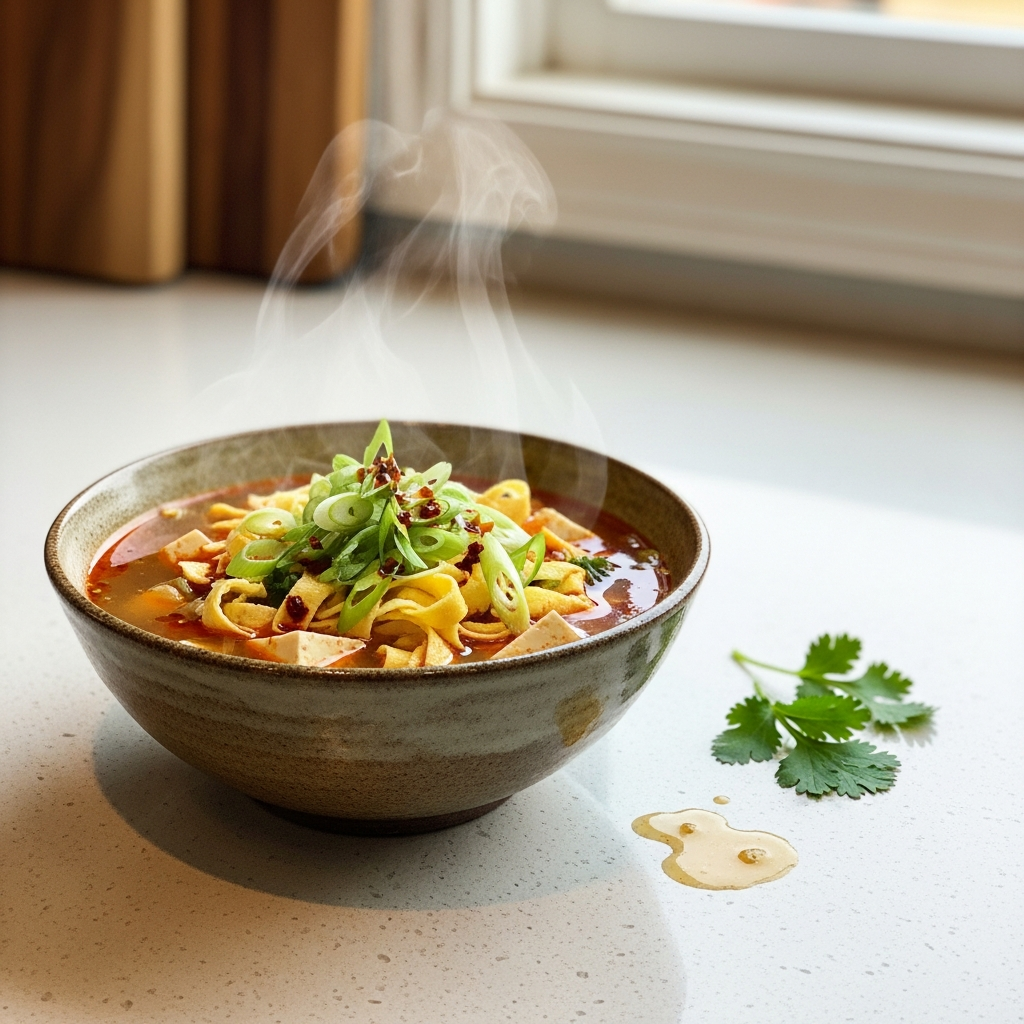
I remember my first real bowl of hot and sour soup like it was yesterday. It was on a chilly, rainy Tuesday, the kind of day that just seeps into your bones. My husband and I ducked into a little family-run Chinese restaurant downtown, and the moment that steaming bowl was set in front of me, the aroma alone was enough to make the day better. It was tangy, spicy, and deeply comforting. I was hooked. For years, I tried to recreate that perfect balance at home, making a pretty good version of the classic chinese soup.
But you know me, I can never leave well enough alone. My culinary world was turned upside down during a food festival when I tried a dish made with Sichuan peppercorns. It wasn’t just heat, it was this incredible, tingly sensation that made my mouth come alive. A little lightbulb went off right then and there.
I rushed home, my mind racing. What if I added that unique tingle to my beloved hot and sour soup? The first attempt was a revelation. The toasted, ground Sichuan peppercorns didn’t just add another layer of spice, they transformed the entire experience. It was the familiar comfort I loved, but with an exciting, electric buzz that made every spoonful an adventure. This is that recipe, my little secret for the best hot and sour soup you’ll ever make.
Why This Chinese Soup Recipe Works
Hot and sour soup is a beloved staple for a reason. Its origins are a bit debated, with some tracing it back to Sichuan province and others to northern China, but its appeal is universal. The soup is a masterful exercise in balancing opposing flavors. You have the “sour” from the rice vinegar and the “hot” from the pepper, all swimming in a savory, umami-rich broth. It’s a culinary tightrope walk, and when it’s done right, it’s absolutely spectacular.
This classic chinese soup has always relied on white pepper for its heat. White pepper provides a sharp, earthy spiciness that is distinct from the fruity heat of black pepper. It’s the traditional choice, and it does a fine job. However, my twist introduces a completely different kind of sensation that elevates the entire dish.
The secret is toasted and ground Sichuan peppercorns. These aren’t related to black peppercorns or chili peppers at all. They are the husks of a seed from the prickly ash tree, and they possess a unique power. They create a tingly, numbing sensation known in Chinese cooking as “málà.” This isn’t just heat, it’s a physical feeling that makes your palate more receptive to the other flavors in the soup.
By adding this element, the familiar sourness of the vinegar seems brighter, the earthiness of the mushrooms feels deeper, and the savory notes of the broth become richer. It transforms the soup from a two-note song of hot and sour into a full symphony of flavor. It’s that unexpected element that will have your family and friends asking for your secret ingredient. It makes this comforting chinese soup truly unforgettable.
Ingredients for Chinese Soup
The beauty of this chinese soup recipe lies in its use of simple, accessible ingredients that come together to create something truly complex and satisfying. While the list might look a little long, each component plays a crucial role in building the layers of flavor. Of course, the star of our show is the little twist that takes it over the top.
Quality makes a difference here. Using a good, flavorful chicken or vegetable broth will create a much richer base than using plain water or a weak bouillon. For the tofu, make sure you get firm or extra-firm. Silken tofu is lovely in other dishes, but it will fall apart in this soup. Taking a few extra minutes to press the tofu removes excess water, allowing it to soak up the broth and have a better texture.
Fresh shiitake mushrooms are also a non-negotiable for me. They have a meaty, earthy flavor that you just can’t replicate with other mushrooms. They add a wonderful chew and depth. And now, for the full lineup of what you’ll need.
- 6 cups chicken or vegetable broth
- 8 oz firm tofu, pressed and cut into small cubes
- 4 oz shiitake mushrooms, fresh, thinly sliced
- 1/2 cup bamboo shoots, julienned
- 1/4 cup rice vinegar
- 3 tablespoons soy sauce
- 1 tablespoon chili garlic sauce (or to taste)
- 1 teaspoon ground white pepper
- 1 tablespoon cornstarch mixed with 2 tablespoons cold water
- 2 large eggs, lightly beaten
- 2 green onions, thinly sliced
- 1 teaspoon sesame oil
- Twist Ingredient: 1 teaspoon toasted and ground Sichuan peppercorns
- Salt to taste
- Optional Garnish: a drizzle of chili oil, fresh cilantro
Step-by-Step Instructions For Making Chinese Soup
Alright, let’s get this wonderful soup simmering on the stove. I promise, it comes together faster than you’d think. The key is to have all your ingredients prepped and ready to go before you even turn on the heat. This is called “mise en place,” a fancy French term that just means getting your ducks in a row. Chop your tofu, slice your mushrooms, and measure out your liquids. It makes the whole process smooth and stress-free.
For this recipe, I love using my Dutch oven. Its heavy bottom distributes heat so evenly, preventing any hot spots and ensuring a gentle, consistent simmer. A large, heavy-bottomed pot will work just as well. Now let’s walk through it, step by step.
Step 1: Prepare the Twist Ingredient
First things first, we awaken our secret weapon. Place the whole Sichuan peppercorns in a small, dry skillet over medium heat. Toast them, shaking the pan occasionally, for about 2 to 3 minutes. You’ll know they’re ready when they become incredibly fragrant. Be careful not to burn them. Let them cool completely, then grind them into a fine powder. A spice grinder is fastest, but a good old mortar and pestle works beautifully and makes you feel like a real alchemist.
Step 2: Simmer the Broth and Vegetables
In your large pot or Dutch oven, pour in the 6 cups of chicken or vegetable broth and bring it to a simmer over medium-high heat. Once you see gentle bubbles, add the thinly sliced shiitake mushrooms and the julienned bamboo shoots. Let them cook in the broth for about 5 minutes. This gives the mushrooms time to soften and release their wonderful earthy flavor into the soup base.
Step 3: Add the Flavor Base
Now it’s time to build those signature hot and sour flavors. Reduce the heat slightly to maintain a gentle simmer. Stir in the cubed tofu, the rice vinegar for that sour tang, the soy sauce for umami depth, the chili garlic sauce for a kick of heat, and the classic ground white pepper. Give it all a good stir to combine and let it return to a simmer.
Step 4: Thicken the Soup
In a small bowl, whisk together the cornstarch and cold water until it’s a smooth, milky liquid. This is your slurry. While stirring the soup continuously, slowly pour the slurry into the pot. Keep stirring gently for another minute or two as the soup thickens to a lovely, slightly velvety consistency. This step gives the soup its characteristic body.
Step 5: Create the Egg Ribbons
This is the most satisfying part. With one hand, stir the soup in a slow, steady circle to create a gentle whirlpool. With your other hand, slowly drizzle the lightly beaten eggs into the moving soup. The motion will stretch the eggs into beautiful, delicate ribbons. As soon as you’ve added all the egg, stop stirring.
Step 6: The Finishing Touches
Remove the pot from the heat. Now for the grand finale. Stir in your freshly ground Sichuan peppercorns, the toasted sesame oil, and most of the sliced green onions, reserving a few for garnish. The heat from the soup will bloom the flavors of these final additions. Give the soup one last taste and add a pinch of salt if you think it needs it. The soy sauce is salty, so you may not need any. Ladle into bowls and garnish with the remaining green onions and a drizzle of chili oil if you like it extra spicy.
How To Serve Chinese Soup
Serving this hot and sour soup is all about enhancing the experience. The moment you ladle that rich, fragrant broth into a bowl, filled with delicate egg ribbons and hearty tofu and mushrooms, you’ve already created something special. But a few simple touches can make it feel like an occasion, even on a weeknight.
I like to serve this chinese soup in wide, shallow bowls. It allows the soup to cool just enough to eat comfortably while showing off all the wonderful ingredients floating within. A classic ceramic Chinese soup spoon is a must for getting the perfect ratio of broth to solids in every bite. Before you bring the bowls to the table, make sure you have your garnishes ready. A little station with extra green onions, some fresh cilantro, and a small bottle of chili oil lets everyone customize their own bowl.
While this soup is certainly a meal in itself, it also plays very nicely with others. For a more substantial dinner, consider pairing it with a few complementary dishes. Here are a few of my favorite ways to serve it:
- As a Starter: Serve smaller portions as the first course for a larger Asian-inspired meal. It’s a wonderful way to awaken the palate before moving on to dishes like homemade potstickers, spring rolls, or a simple stir-fry.
- With Crispy Wontons: I love to fry up some wonton wrappers until they are golden and crispy. You can serve them on the side for dipping, or crumble them over the top of the soup right before serving for a fantastic crunchy texture.
- Paired with Rice: A small bowl of steamed jasmine rice on the side is a simple but perfect companion. It’s great for soaking up every last drop of that incredible broth.
- Soup and Dumpling Night: Make it a themed dinner night. Serve generous bowls of this hot and sour soup alongside a platter of steamed or pan-fried dumplings. It’s a comforting and incredibly satisfying combination.
No matter how you choose to serve it, the most important thing is to enjoy it while it’s hot. The combination of textures and that unique málà tingle is at its absolute best when the soup is fresh from the pot.
How To Store & Reuse Chinese Soup Leftovers
One of the best things about making a big pot of soup is having leftovers for the next day. I sometimes think this hot and sour soup tastes even better on day two, as the flavors have had more time to meld and deepen. Storing it properly is key to making sure it’s just as delicious when you reheat it.
The main thing to remember is that the egg ribbons and tofu are delicate. You want to reheat the soup gently to preserve its wonderful texture. The cornstarch-thickened broth can also sometimes separate slightly upon cooling, but it will come right back together with a gentle stir during reheating. It’s a very forgiving soup when it comes to leftovers, which is a blessing for busy weeknights.
Here is my go-to method for storing and reusing this chinese soup, ensuring it stays fresh and flavorful for days to come:
- Cooling Down: First, allow the soup to cool down for a bit at room temperature. You never want to put a steaming hot pot directly into the refrigerator, as it can raise the internal temperature and affect other foods. Let it sit for about 30 to 45 minutes, but no longer than two hours.
- Airtight Storage: Transfer the cooled soup into an airtight container. Glass containers are great because they don’t stain or hold onto odors. Make sure the lid is on tight. The soup will keep beautifully in the refrigerator for up to 3 to 4 days.
- Reheating on the Stovetop: The best way to reheat this chinese soup is gently on the stove. Pour the desired amount into a small saucepan and warm it over medium-low heat. Stir occasionally until it is heated through. Avoid boiling the soup, as this can make the tofu and egg tough.
- Reheating in the Microwave: If you’re in a hurry, the microwave works too. Place a single serving in a microwave-safe bowl and cover it loosely. Heat in 60-second intervals, stirring in between, until it reaches your desired temperature.
When you’re ready to serve your reheated soup, don’t forget to refresh the garnishes. A sprinkle of fresh green onions or cilantro can bring it right back to life, making it taste as if you just made it.
Substitutions & Variations For Chinese Soup
This recipe is a fantastic blueprint, but one of the joys of home cooking is making a dish your own. There are so many ways to tweak this hot and sour soup to suit your tastes, your dietary needs, or simply what you happen to have in your pantry. Don’t be afraid to experiment a little, it’s how new family favorites are born.
Whether you need to make it gluten-free, want to swap out the protein, or feel like adding more vegetables, this chinese soup is incredibly adaptable. The core flavor profile of hot, sour, and savory is a wonderful canvas for your culinary creativity. Just remember to keep that balance in mind as you make changes. If you add something sweet, you might need a little more vinegar. If you add more vegetables, you might need a bit more broth.
Here are some of my favorite substitutions and variations to get your ideas flowing:
- Make It Vegetarian or Vegan: This is an easy switch. Simply use a high-quality vegetable broth instead of chicken broth. The rest of the base ingredients are already plant-based. If you are making it fully vegan, just omit the step of adding the egg ribbons. The soup will be just as flavorful without them.
- Gluten-Free Option: The only ingredient to watch for here is soy sauce. To make this recipe gluten-free, substitute the soy sauce with an equal amount of tamari or coconut aminos. Double-check that your chili garlic sauce is also certified gluten-free.
- Protein Swaps: If tofu isn’t your thing, you have options. Thinly sliced pork tenderloin or chicken breast can be added to the simmering broth just before the tofu would be. They will cook through in just a few minutes. Shredded rotisserie chicken is another quick and easy addition.
- Mushroom Variations: While shiitakes are my top choice for their flavor, you can absolutely use other mushrooms. Sliced cremini, oyster, or even rehydrated wood ear mushrooms would all work wonderfully and add a different texture.
- Vegetable Additions: Feel free to add more vegetables. Thinly sliced carrots, water chestnuts for a bit of crunch, or some baby corn would all be delicious additions. Add them along with the mushrooms and bamboo shoots.
Hot and Sour Soup with a Sichuan Twist
Description: A classic Chinese hot and sour soup with a modern twist. Toasted Sichuan peppercorns add a unique, tingly sensation that elevates the traditional spicy and tangy flavors into something truly memorable and impressive.
Yield: 6 servings | Category: Soup | Cuisine: Chinese-inspired
Prep Time: 15 minutes | Cook Time: 20 minutes
Ingredients
- 1 tablespoon olive oil
- 1 ½ pounds boneless, skinless chicken thighs, cut into 1-inch cubes
- Kosher salt and freshly ground black pepper to taste
- 4 tablespoons unsalted butter
- 1 large yellow onion, chopped
- 2 medium carrots, peeled and diced
- 2 celery stalks, diced
- 8 ounces cremini mushrooms, sliced
- 3 cloves garlic, minced
- ½ cup all-purpose flour
- 1 teaspoon smoked paprika
- ½ teaspoon dried thyme
- ¼ teaspoon rubbed sage
- 6 cups low-sodium chicken broth
- 1 cup whole milk
- 1 ½ cups frozen peas
- 1 cup frozen corn
- ¼ cup chopped fresh parsley
- 1 tablespoon sherry vinegar
For the Crispy Sage Croutons:
- 3 tablespoons unsalted butter
- ¼ cup fresh sage leaves
- 3 cups cubed day-old bread
- Pinch of salt
Instructions
- Season chicken with salt and pepper. Heat olive oil in a large Dutch oven over medium-high heat. Brown chicken on all sides, then remove and set aside.
- Melt 4 tbsp butter in the pot. Add onion, carrots, and celery; cook until soft, about 8-10 minutes.
- Stir in mushrooms and cook until browned. Add garlic and cook for 1 minute.
- Sprinkle flour and spices over vegetables, stirring constantly for 2 minutes.
- Gradually whisk in chicken broth until smooth. Bring to a simmer, then cover and cook on low for 15 minutes.
- Meanwhile, make the croutons. Melt 3 tbsp butter in a skillet. Fry sage leaves until crisp; remove. Toast bread cubes in the sage butter until golden. Season with salt.
- Uncover soup, stir in cooked chicken, milk, peas, and corn. Heat through for 5 minutes without boiling.
- Remove from heat. Stir in parsley and sherry vinegar. Season to taste.
- Serve topped with crispy croutons and crumbled sage leaves.
Notes
For the best texture, press the firm tofu for at least 15 minutes before cubing to remove excess water. Adjust the amount of chili garlic sauce and Sichuan peppercorns to your personal spice preference.
Servings: 6 | Calories: 150 kcal | Fat: 6g | Carbohydrates: 12g | Protein: 10g
5 FAQs About Chinese Soup
Here are some straightforward answers to the most common questions I receive about this hot and sour soup recipe.
What makes this Chinese soup “hot and sour”?
That classic name comes from the two dominant flavor profiles that define the soup. It’s a beautiful balancing act. The “sour” element comes primarily from rice vinegar. It provides a clean, bright tang that cuts through the richness of the broth. The acidity is what makes your mouth water and keeps the soup from feeling heavy. The amount of vinegar can be adjusted to your preference, but it’s essential for that signature taste.
The “hot” component traditionally comes from ground white pepper. Unlike black pepper, white pepper has a more direct, earthy heat without the floral notes. In my special version, we use white pepper for the foundational warmth, but the primary kick comes from two sources: chili garlic sauce for a straightforward spiciness, and the Sichuan peppercorns for that unique, tingly heat. This combination creates a multi-layered spiciness that is far more complex and interesting than just one-dimensional heat. It’s this perfect harmony between the tangy vinegar and the complex spice that makes this chinese soup so famous and beloved.
What is the difference between Sichuan peppercorns and black peppercorns in this Chinese soup?
This is such a great question because it gets to the heart of what makes my recipe so special. While they share the name “peppercorn,” they are not related botanically and have completely different effects on your palate. Black peppercorns, which we are all familiar with, get their heat from a compound called piperine. It provides a sharp, pungent heat that we know and love.
Sichuan peppercorns, on the other hand, are from a different plant family entirely. Their magic comes from a molecule called hydroxy-alpha-sanshool. This compound interacts with nerve receptors in your mouth, creating a light tingling or buzzing sensation. It’s not painful heat like a chili pepper, it’s more of a gentle vibration that makes your lips and tongue feel alive. This sensation is known as “málà” in Chinese cuisine, which translates to “numbing and spicy.” Using them in this chinese soup doesn’t just make it spicier, it adds an entirely new sensory dimension that enhances all the other flavors, making the sour tangier and the umami deeper.
Can I make this hot and sour soup vegetarian?
Absolutely, and it’s incredibly easy to do. This recipe is naturally very close to being vegetarian, and with one simple swap, you can make it completely so. The only ingredient you need to change is the broth. Instead of chicken broth, use a good-quality vegetable broth. I recommend finding one that is rich and flavorful, perhaps a mushroom-based broth, to ensure the soup still has a deep, savory base.
All the other core ingredients, including the tofu, shiitake mushrooms, bamboo shoots, vinegar, and spices, are plant-based. If you follow a vegan diet, you would simply omit the step of adding the beaten eggs. The soup will be slightly less thick but still wonderfully delicious. The texture of the tofu and mushrooms provides plenty of substance, so you won’t feel like you’re missing anything. It’s a wonderfully satisfying option for a meatless meal.
How can I make my Chinese soup thicker or thinner?
The consistency of hot and sour soup is a matter of personal preference, and it’s very easy to adjust. The thickness of this soup comes from the cornstarch slurry, which is a simple mixture of cornstarch and cold water. If you prefer a thicker, more velvety soup, you can simply increase the amount of slurry you add.
To make it thicker, you could mix an additional teaspoon of cornstarch with two teaspoons of cold water and slowly stir it into the simmering soup until you reach your desired consistency. Be sure to let it simmer for a minute after adding to allow the cornstarch to fully cook and thicken. Conversely, if you find the soup is thicker than you’d like, you can easily thin it out by stirring in a bit more broth until it’s just right. Start with a quarter cup of extra broth and add more as needed. It’s a very forgiving recipe, so feel free to adjust it to your liking.
Is hot and sour soup gluten-free?
Traditional hot and sour soup is not typically gluten-free, but it can be made so with one very simple substitution. The main source of gluten in this recipe is the soy sauce, which is brewed with wheat. Fortunately, there are excellent gluten-free alternatives available in most grocery stores today that work perfectly in this chinese soup.
To make this recipe gluten-free, simply replace the 3 tablespoons of regular soy sauce with 3 tablespoons of tamari. Tamari is a Japanese sauce that is also made from fermented soybeans but is typically brewed without wheat. It has a slightly richer, less salty flavor than Chinese soy sauce, which works beautifully here. You could also use coconut aminos as another gluten-free option. It’s also a good idea to double-check the labels on your other ingredients, like the chili garlic sauce and broth, to ensure they are certified gluten-free, as formulations can vary by brand.
Try These Recipes Next
If you loved the comforting and complex flavors of this soup, I have a few more recipes I think you’ll really enjoy.
- Simple Egg Drop Soup Recipe: When you want something incredibly quick and comforting, this is the perfect go-to. It’s light, savory, and ready in minutes.
- Ground Beef Ramen Recipe: For a heartier meal, this ramen is packed with flavor and comes together in one pot for easy cleanup.
- Crock Pot Thai Chicken Soup: Let your slow cooker do the work with this fragrant and creamy Thai-inspired soup.
I hope you have as much fun making these recipes as my family does eating them!