
An Easy Sweet and Sour Soup Recipe That Hits The Spot
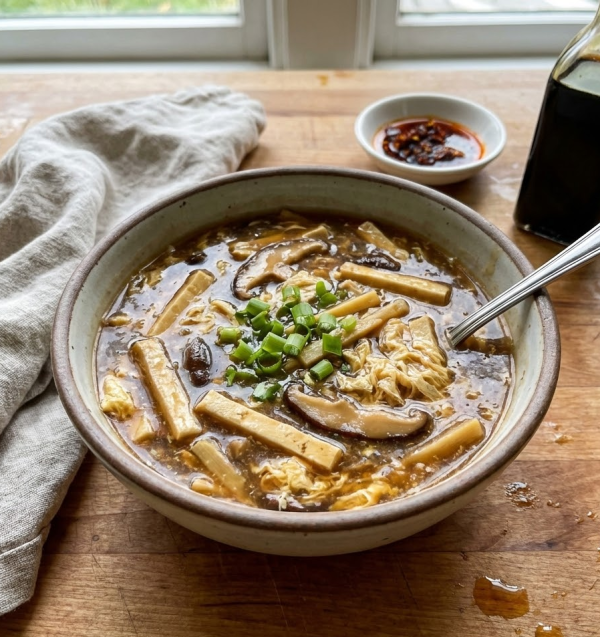
There are some evenings when all you want is a cozy blanket, a good movie, and a bowl of something warm and comforting. For my husband, that something is almost always takeout. I remember one drizzly Tuesday, he came home with a craving for that classic restaurant-style sweet and sour soup. You know the one, that perfectly balanced bowl of savory, tangy, and slightly spicy goodness.
Instead of reaching for the phone, I reached for my apron. I had tried making it before, but it always felt like something was missing. It was either too sour or just a bit flat. It didn’t have that special something that makes you want to drain the whole bowl. That night, I was determined to crack the code.
I started with the classic components, the earthy mushrooms, the silky tofu, and the tangy black vinegar. But then I had a little idea. I decided to lean into the “sweet” part of sweet and sour soup just a little more. A tablespoon of sugar was the key. It didn’t make the soup sugary, not at all. Instead, it rounded out the sharp edges of the vinegar and created a beautiful harmony with the heat from the white pepper. It was a revelation. This wasn’t just hot and sour soup anymore, it was a truly balanced sweet and sour soup, and it was a thousand times better than any takeout we’d ever had.
Why This Sweet and Sour Soup Recipe Works
This sweet and sour soup recipe has its roots in the classic Chinese dish, Suan La Tang, which translates to “sour, spicy soup.” It’s a beloved staple in many regions of China, particularly Sichuan and Beijing, celebrated for its complex flavor profile that wakes up the palate. Traditionally, the focus is squarely on the sharp tang of vinegar and the pungent heat of white pepper. It’s a wonderfully invigorating soup, perfect for clearing the sinuses and warming you from the inside out.
While I adore the traditional version, I’ve found that many American palates are accustomed to a more balanced flavor profile, similar to what we find in popular Chinese-American restaurants. That’s where my little twist comes in and why this recipe truly shines. By giving a slight lift to the sweetness with just a tablespoon of granulated sugar, we create a more harmonious and approachable soup. The sugar doesn’t overpower, but rather acts as a bridge between the sour and spicy elements. It mellows the vinegar’s acidity just enough and elevates the savory, umami notes of the shiitake mushrooms and soy sauce.
This recipe works because it honors the traditional foundation while making a small adjustment that yields a big impact. The combination of textures is also key. You have the soft tofu, the slightly chewy mushrooms and lily flowers, the crisp bamboo shoots, and the silky egg ribbons all suspended in a perfectly thickened broth. It’s a symphony of flavors and textures in every single spoonful, making for a deeply satisfying and impressive homemade sweet and sour soup.
Ingredients for Sweet and Sour Soup
The beauty of this sweet and sour soup lies in its authentic ingredients. While some may seem unfamiliar, they are what give the soup its signature flavor and texture. Don’t be tempted to skip them, as they are often available at larger grocery stores or Asian markets, and they are absolutely worth seeking out.
The two most crucial components for achieving that perfect balance are the Chinese black vinegar and the granulated sugar. This is my special touch. The Chinese black vinegar, often Chinkiang vinegar, has a malty, woody, and less acidic flavor than white vinegar, providing a deep, complex sourness. The sugar is its perfect partner, rounding out the flavor and preventing the vinegar from being too harsh. This duo is what truly makes it a sweet and sour soup.
Quality also matters here. Using dried shiitake mushrooms is a must. When rehydrated, they release an incredible, earthy umami flavor into the broth that fresh mushrooms simply can’t replicate. The dried lily flowers, or golden needles, might be new to you, but they add a unique, slightly floral and musky flavor and a wonderful chewy texture. When you gather these specific ingredients, you’re not just making soup, you’re building layers of authentic flavor.
- 6 cups chicken or vegetable broth
- 1 oz dried shiitake mushrooms, rehydrated and thinly sliced
- ¼ cup dried lily flowers (golden needles), rehydrated
- 8 oz firm tofu, cut into thin strips
- ½ cup canned bamboo shoots, julienned
- 1 tablespoon soy sauce
- 1 teaspoon dark soy sauce
- 3 tablespoons Chinese black vinegar
- 1 tablespoon granulated sugar
- ½ teaspoon ground white pepper
- ¼ teaspoon red chili flakes (optional, for extra heat)
- 3 tablespoons cornstarch mixed with ¼ cup cold water
- 2 large eggs, lightly beaten
- 1 teaspoon toasted sesame oil
- 2 green onions, thinly sliced
Step-by-Step Instructions For Making Sweet and Sour Soup
Making this soup is a wonderfully satisfying process of layering flavors and textures. Don’t be intimidated by the steps. Each one is simple and contributes to the final, delicious result. Just follow along, and you’ll have a restaurant-quality bowl of comfort in no time.
Step 1: Rehydrate Your Dried Ingredients
This first step is all about preparation and awakening the flavors of your dried ingredients. Place the dried shiitake mushrooms and dried lily flowers in two separate bowls. Pour hot, but not boiling, water over them until they are fully submerged. Let them soak for about 30 minutes. You’ll see them soften and plump up. Once they’re soft, gently squeeze the excess water out. For the mushrooms, remove and discard the tough stems and slice the caps thinly. For the lily flowers, just trim off the hard ends.
Step 2: Build the Soup Base
In a large pot or a Dutch oven, pour in your six cups of broth and bring it to a gentle simmer over medium-high heat. You don’t want a rolling boil, just small bubbles breaking the surface. Once simmering, add your rehydrated and prepped shiitake mushrooms and lily flowers, along with the tofu strips and julienned bamboo shoots. Let these ingredients cook together for about 5 minutes, allowing their flavors to start mingling in the broth.
Step 3: Season the Broth
Now it’s time to create that signature sweet and sour flavor. Stir in the soy sauce for saltiness, the dark soy sauce for color and depth, the Chinese black vinegar for that crucial tang, and the granulated sugar to create balance. Add the white pepper for its unique, pungent heat and the optional red chili flakes if you like an extra kick. Stir everything together and bring the soup back to a simmer.
Step 4: Thicken the Soup
To get that classic, velvety texture, we’ll use a cornstarch slurry. In a small bowl, whisk the cornstarch and cold water together until it’s completely smooth with no lumps. While the soup is simmering, slowly pour the slurry into the pot in a thin stream, stirring the soup continuously as you pour. This constant motion is key to preventing clumps. Keep stirring for another minute or two until you see the soup has thickened nicely.
Step 5: Create the Egg Ribbons
This step is so much fun and looks beautiful. Reduce the heat to low. Gently and slowly drizzle the lightly beaten eggs into the soup in a thin stream. As you pour, use a spoon or chopstick to stir the soup in a slow, circular motion. This will create those delicate, lacy egg ribbons that are a hallmark of this soup. Don’t stir too vigorously, or you’ll end up with scrambled eggs.
Step 6: Add the Finishing Touches
The final step is to turn off the heat completely. We add the toasted sesame oil at the very end because its delicate, nutty flavor can be lost if cooked. Stir it in gently. Your sweet and sour soup is now ready to be served. Ladle it into bowls and garnish generously with those freshly sliced green onions for a pop of color and fresh flavor.
How To Serve Sweet and Sour Soup
Serving this sweet and sour soup is just as enjoyable as making it. The presentation can turn a simple weeknight meal into a special occasion. The most classic way to serve it is simply ladled hot into individual bowls, with a generous sprinkle of fresh green onions on top. The vibrant green against the rich, dark broth is absolutely beautiful. It’s a complete meal in a bowl, satisfying and full of texture all on its own.
If you want to make it part of a larger meal, this soup is a fantastic starter. It pairs wonderfully with other homemade Chinese-American favorites. Imagine starting your meal with a small bowl of this flavorful soup, followed by a main course of orange chicken or beef and broccoli with a side of fluffy white rice. It’s the perfect way to get your taste buds excited for what’s to come.
For a little extra flair and texture, consider adding some fun toppings and sides. Here are a few of my favorite ways to dress it up:
- Crispy Wonton Strips: You can buy these or make your own by frying strips of wonton wrappers until golden brown. They add a delightful crunch.
- A Drizzle of Chili Oil: For those who love extra heat, a swirl of chili oil on top not only adds spice but also a beautiful red sheen to the soup.
- Fresh Cilantro: A few leaves of fresh cilantro can add a bright, herbaceous note that complements the other flavors nicely.
- Serve with Spring Rolls: A crispy, hot spring roll on the side is the perfect companion for dipping into the rich, flavorful broth.
On a cold or rainy day, I sometimes skip the formal place settings altogether. I love to pour the hot soup into big, cozy mugs for my family to sip on while we relax on the couch. It feels incredibly comforting and turns this delicious soup into a truly heartwarming experience.
How To Store & Reuse Sweet and Sour Soup Leftovers
One of the best things about making a big pot of sweet and sour soup is that the leftovers are just as delicious the next day. The flavors have even more time to meld together, resulting in an even richer and more complex broth. Storing it properly is simple and ensures you can enjoy a quick and easy meal later in the week.
Once the soup has cooled down to room temperature, transfer it to an airtight container. It’s important to let it cool first to prevent condensation from forming inside the container, which can water down the soup. Store the container in the refrigerator, where it will keep well for up to 3 to 4 days. You might notice the soup has thickened considerably after being chilled. This is perfectly normal, as the cornstarch will continue to set as it cools.
When you’re ready to enjoy your leftovers, reheating is best done on the stovetop. Here’s how I recommend doing it for the best results:
- Stovetop Reheating: Pour the desired amount of soup into a small saucepan. Heat it over medium-low heat, stirring occasionally, until it’s warmed through. If the soup is thicker than you’d like, you can add a small splash of chicken or vegetable broth to thin it back to its original consistency. Avoid boiling the soup, as this can cause the egg ribbons to become tough.
- Microwave Reheating: While not my preferred method, you can use the microwave in a pinch. Place the soup in a microwave-safe bowl, cover it with a paper towel or a microwave-safe lid, and heat it in 1-minute increments, stirring in between, until hot.
I don’t recommend freezing this soup. The freezing and thawing process can negatively affect the texture of the tofu, making it spongy, and can cause the egg ribbons to break down. This soup is so quick to make that it’s best enjoyed fresh or refrigerated for a few days.
Substitutions & Variations For Sweet and Sour Soup
While I think this recipe is pretty perfect as is, cooking is all about making a dish your own. This sweet and sour soup is wonderfully versatile, and there are many ways to adapt it to your taste or what you have on hand in your pantry. Feel free to experiment with these substitutions and variations to create your ideal bowl.
One of the easiest ways to change things up is by adding different proteins or vegetables. If you’re not a fan of tofu, you can easily substitute it. Thinly sliced pork tenderloin or boneless, skinless chicken breast are fantastic additions. Just add the sliced meat to the simmering broth along with the mushrooms and cook until it’s no longer pink before proceeding with the recipe. For extra veggies, consider adding some julienned carrots or rehydrated wood ear mushrooms for a different kind of chewy texture.
Here are some other simple swaps and additions you can try:
- Make It Vegan: To make this recipe completely vegan, simply use a high-quality vegetable broth and omit the eggs. The soup will still be wonderfully thick and flavorful without them.
- Adjust the Spice: This soup is easy to customize to your heat preference. For a milder version, reduce or omit the white pepper and red chili flakes. For a spicier kick, add a dash of your favorite chili garlic sauce or a swirl of chili oil when serving.
- Vinegar Variations: Chinese black vinegar is truly best for its unique, malty flavor. If you absolutely cannot find it, you can substitute rice vinegar. However, it will have a sharper, less complex taste. If using rice vinegar, you might want to start with a little less and add more to taste.
- Gluten-Free Option: To make this soup gluten-free, ensure you are using a gluten-free tamari instead of soy sauce and double-check that your brand of black vinegar is gluten-free, as some may contain wheat.
The core of this sweet and sour soup recipe is the balance of flavors, so as long as you maintain that delightful interplay of tangy, sweet, savory, and spicy, your variations are sure to be a success. Have fun in the kitchen and see what delicious combinations you can come up with!
Julie’s Signature Sweet and Sour Soup
Description: A perfectly balanced, restaurant-style sweet and sour soup that’s better than takeout! My special twist creates a harmony of tangy, sweet, and savory flavors with beautiful textures from silky tofu, chewy mushrooms, and delicate egg ribbons.
Yield: 6 Servings | Category: Soup | Cuisine: Chinese-American
Prep Time: 35 minutes | Cook Time: 20 minutes
Ingredients
- 6 cups chicken or vegetable broth
- 1 oz dried shiitake mushrooms
- ¼ cup dried lily flowers (golden needles)
- 8 oz firm tofu, cut into thin strips
- ½ cup canned bamboo shoots, julienned
- 1 tablespoon soy sauce
- 1 teaspoon dark soy sauce
- 3 tablespoons Chinese black vinegar
- 1 tablespoon granulated sugar
- ½ teaspoon ground white pepper
- ¼ teaspoon red chili flakes (optional)
- 3 tablespoons cornstarch mixed with ¼ cup cold water
- 2 large eggs, lightly beaten
- 1 teaspoon toasted sesame oil
- 2 green onions, thinly sliced
Instructions
- Soak dried shiitake mushrooms and lily flowers in separate bowls of hot water for 30 minutes. Squeeze out excess water. Remove mushroom stems and slice caps. Trim hard ends of lily flowers.
- In a large pot, bring broth to a simmer. Add mushrooms, lily flowers, tofu, and bamboo shoots. Cook for 5 minutes.
- Stir in soy sauce, dark soy sauce, Chinese black vinegar, sugar, white pepper, and red chili flakes. Return to a simmer.
- Slowly whisk in the cornstarch slurry and stir until the soup thickens, about 1-2 minutes.
- Reduce heat to low. Slowly drizzle in the beaten eggs while gently stirring to create ribbons.
- Turn off the heat and stir in the toasted sesame oil. Serve immediately, garnished with green onions.
Notes
For best results, use Chinese black vinegar (Chinkiang). Do not add the sesame oil until the very end to preserve its nutty aroma and flavor.
Servings: 6 | Calories: 150 kcal | Fat: 5g | Carbohydrates: 15g | Protein: 10g
5 FAQs About Sweet and Sour Soup
Here are some straightforward answers to the most common questions I receive about this sweet and sour soup recipe.
What is the difference between hot and sour soup and this sweet and sour soup recipe?
That is an excellent question, and it gets right to the heart of what makes my recipe special. Traditional “hot and sour soup,” or Suan La Tang, is a classic Chinese dish that focuses intently on two main flavor profiles: the “sour” from vinegar and the “hot” or “spicy” from white pepper. It’s a beautifully pungent and invigorating soup that is meant to be sharp and assertive.
My recipe for sweet and sour soup uses that traditional dish as a foundation but introduces a third key element: sweetness. By adding a carefully measured amount of granulated sugar, I’m not making the soup taste sugary, but rather creating a more balanced and harmonious final flavor. The sweetness rounds out the sharp edges of the vinegar and enhances the savory notes of the broth and mushrooms. This results in a soup that is more complex and perhaps more approachable for a wider range of palates, much like the beloved versions served in many Chinese-American restaurants. It’s still wonderfully tangy and has that peppery warmth, but it’s all tied together with a subtle sweetness.
Can I make sweet and sour soup without tofu?
Absolutely! While tofu is a traditional and wonderful component that adds a soft, silky texture and plant-based protein, it is by no means essential. If you are not a fan of tofu or simply don’t have any on hand, you have several great options. One of the most popular variations is to add a different protein to make the soup a bit heartier.
Thinly sliced pork loin or boneless, skinless chicken breast are both fantastic choices. To incorporate them, you would add the thinly sliced raw meat to the simmering broth at the same time you add the mushrooms and bamboo shoots. Allow the meat to cook for a few minutes until it is cooked through before you proceed with seasoning the soup. For a vegetarian option that doesn’t use tofu, you can simply increase the quantity of mushrooms or add other vegetables like julienned carrots or wood ear mushrooms to provide more substance and texture.
Why isn’t my sweet and sour soup thick enough?
This is a very common issue, but luckily, it’s an easy one to fix. The thickness of the soup comes from the cornstarch slurry. If your soup is too thin, it’s usually due to one of two reasons. The first is that the ratio of cornstarch to liquid might be slightly off, or the soup wasn’t hot enough when the slurry was added. The soup needs to be at a steady simmer for the cornstarch to activate properly and work its thickening magic.
If you’ve followed the recipe and it’s still not as thick as you’d like, you can easily thicken it further. Simply make another small batch of slurry, perhaps using 1 tablespoon of cornstarch mixed with 2 tablespoons of cold water. Whisk it until it’s perfectly smooth. Then, with the soup at a simmer, slowly pour in a little of the new slurry while stirring constantly. Give it a minute to see how much it thickens before adding more. It’s always best to add a little at a time, as it’s much easier to make a soup thicker than it is to thin it out once it has become too thick.
What is Chinese black vinegar and can I substitute it in this sweet and sour soup?
Chinese black vinegar is a key ingredient for authentic flavor in this sweet and sour soup. It’s a dark, complex vinegar made from glutinous rice, wheat, and other grains. The most popular type is Chinkiang vinegar. Unlike the sharp, bright acidity of white or rice vinegar, black vinegar is malty, slightly sweet, and has a rich, almost smoky flavor. It provides the “sour” element in the soup with much more depth and character.
While I highly recommend seeking it out at an Asian market or a well-stocked grocery store, I understand it might not be readily available everywhere. If you must substitute it, you won’t get the exact same flavor profile, but you can create a decent approximation. The best substitute is rice vinegar. Because rice vinegar is sharper and less complex, you might want to start with a little less than the recipe calls for and taste as you go. Some people recommend adding a tiny splash of balsamic vinegar or Worcestershire sauce to the rice vinegar to mimic some of the dark, malty notes, but use a very light hand if you try this.
Can I prepare the ingredients for this sweet and sour soup ahead of time?
Yes, you absolutely can! Prepping the ingredients in advance is a fantastic way to make this sweet and sour soup a quick and easy weeknight meal. You can do most of the chopping and measuring ahead of time, which cuts down the active cooking time significantly. I often do this when I know I’ll have a busy evening.
You can slice the green onions, julienne the bamboo shoots, and cut the tofu into strips. Store each of these prepped ingredients in separate airtight containers in the refrigerator for up to a day in advance. You can also rehydrate the shiitake mushrooms and lily flowers ahead of time. Once they are softened, squeezed dry, and sliced, they can also be stored in an airtight container in the fridge. With all your components ready to go, the actual process of cooking the soup on the stove will only take about 15 to 20 minutes from start to finish.
Try These Recipes Next
If you loved the comforting and delicious flavors of this soup, I know you’ll enjoy some of my other favorite Asian-inspired recipes.
- Simple Egg Drop Soup: For another incredibly fast and comforting soup, this classic is ready in just 15 minutes and is pure, simple perfection.
- Crock Pot Thai Chicken Soup: Let your slow cooker do the work with this creamy, fragrant soup filled with the wonderful flavors of coconut, lime, and ginger.
- Easy Homemade Orange Chicken: If you want to complete your homemade takeout night, this copycat orange chicken recipe is crispy, sweet, tangy, and so much better than the original.
I hope you give these a try and they become new favorites in your home too!