
Creamy Crab Soup Recipe with Sweet Corn
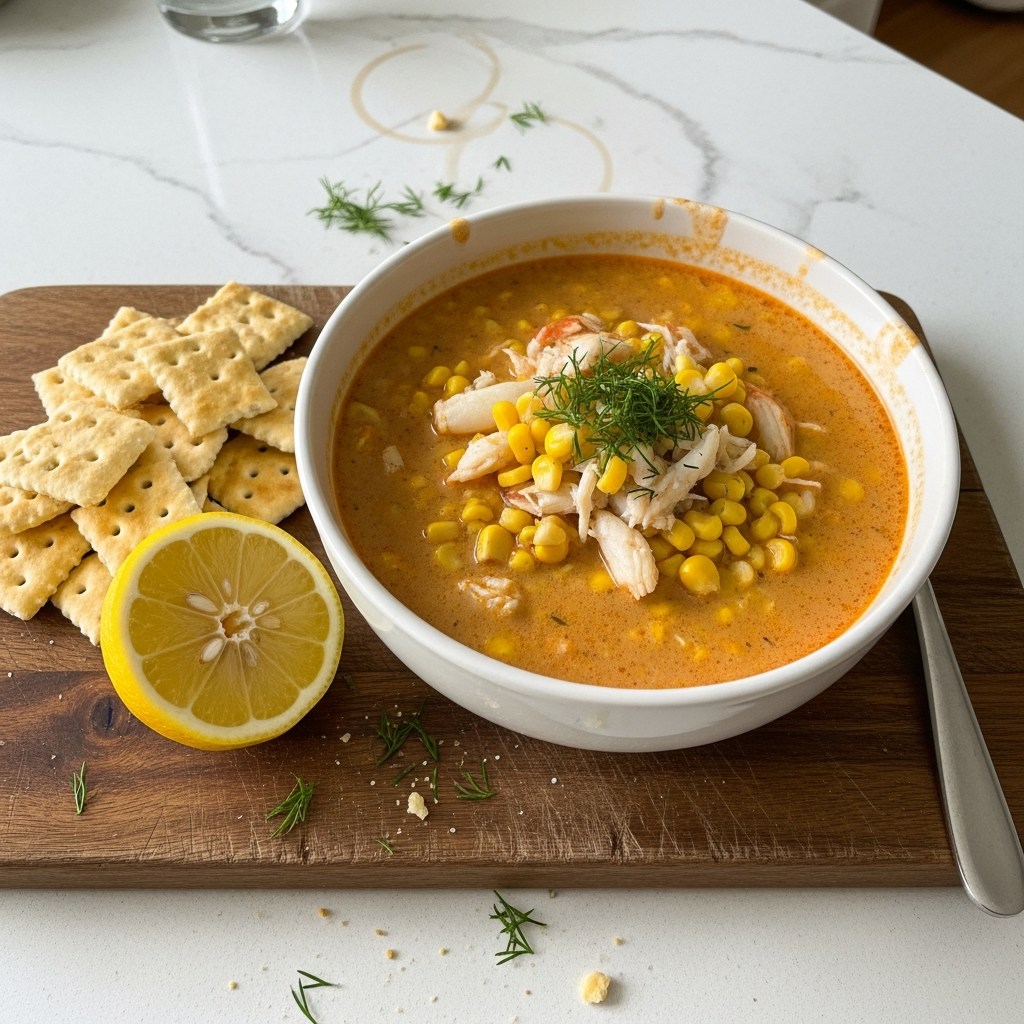
I’ll never forget my first real taste of the coast. My husband and I took a trip to Charleston for our anniversary one year, and all I wanted was to sit by the water and eat seafood. We found a little place with a view of the harbor, and I ordered their famous she-crab soup. It was rich, creamy, and felt like the most luxurious thing I’d ever tasted. I knew right then I had to figure out how to bring that feeling home to my own kitchen.
Back home, I spent weeks testing recipes. The classic versions were wonderful, but I felt like they were missing a little something, a spark of brightness and a hint of warmth to balance all that cream. That’s when I started playing around with my spice cabinet and herb garden. I wanted to create a crab soup that honored the tradition but had my own signature touch.
After a lot of trial and error, I found the magic combination. A little smoked paprika adds a subtle, smoky depth that complements the sweet crabmeat perfectly. And a generous amount of fresh dill brings a bright, almost citrusy note that cuts through the richness. It’s a simple twist, but it transforms the soup into something truly special. This is the recipe my family now requests for every special occasion, and it always takes me right back to that sunny afternoon by the Charleston harbor.
Why This Crab Soup Recipe Works
There’s a reason creamy crab soup is a coastal classic. It’s the epitome of comfort food, blending the sweetness of fresh crab with a rich, velvety base. Traditionally, these soups rely on cream, butter, and a splash of sherry to create that beloved, decadent flavor profile. It’s a recipe that has stood the test of time because it’s simple, elegant, and lets the main ingredient, the crab, truly shine.
Many classic recipes lean heavily on Old Bay seasoning, which is delicious, but I wanted a different kind of warmth. My version takes that incredible foundation and elevates it with two key ingredients, smoked paprika and fresh dill. This isn’t just any paprika. The smoked variety adds a layer of complexity and a gentle, woodsy flavor that feels both rustic and refined. It enhances the sweetness of the crab and corn without overpowering them.
Then comes the fresh dill. While some might think of dill for pickles or salmon, it’s a game changer in this soup. Its bright, slightly anise-like flavor cuts through the richness of the cream and butter, preventing the soup from feeling too heavy. It adds a burst of freshness that lifts all the other flavors. The combination of smoky warmth from the paprika and herbaceous brightness from the dill makes this crab soup feel familiar yet excitingly new. It’s a balanced, sophisticated take that will impress anyone, from seasoned soup lovers to first-time tasters.
Ingredients for Crab Soup
The beauty of this soup is in its simple, high-quality ingredients. Each one plays a crucial role in building the layers of flavor that make this recipe so memorable. The real stars, of course, are the crab and the two special additions that give this soup its signature twist.
Let’s talk about the crabmeat. For a soup this special, you absolutely want to use lump crabmeat. These are the larger, more intact pieces of meat from the body of the crab. They provide the best texture and a sweet, delicate flavor. Be sure to gently pick through it with your fingers to find any stray bits of shell before adding it to the pot. It’s an extra step that is well worth the effort.
And now for my secret weapons, smoked paprika and fresh dill. The smoked paprika provides a warm, smoky undertone that is completely different from regular or sweet paprika. It adds a beautiful color and a depth of flavor that complements the seafood perfectly. The fresh dill is non-negotiable here. Dried dill just won’t give you that same bright, zesty punch. Its fresh, clean taste is what keeps this rich, creamy soup from feeling too heavy. It truly makes the whole dish pop.
- 1 tbsp. unsalted butter
- 1 tbsp. olive oil
- 1 medium shallot, finely chopped
- 2 celery ribs, finely chopped
- 2 cloves garlic, minced
- 1/4 cup dry sherry
- 4 cups seafood stock
- 1 cup heavy cream
- 1/2 cup whole milk
- 1 pound lump crabmeat, picked over for shells
- 1 cup fresh or frozen sweet corn
- 1/4 cup finely chopped fresh dill
- 1 tsp. smoked paprika
- Pinch of cayenne pepper
- Salt and freshly ground black pepper to taste
- Lemon wedges, for serving
- Oyster crackers, for serving
Step-by-Step Instructions For Making Crab Soup
Making this elegant soup is surprisingly straightforward. The key is to build your flavors in layers and to treat the delicate ingredients with a little care. Grab a heavy-bottomed pot or a Dutch oven, which will distribute heat evenly and prevent scorching.
Step 1: Build Your Flavor Base
Start by melting your unsalted butter and olive oil together over medium heat. Using both gives you the rich flavor of butter with a higher smoke point from the oil. Add the finely chopped shallot and celery. Let them cook slowly, stirring occasionally, until they are soft and translucent, which should take about 5 to 7 minutes. You want to sweat them, not brown them. Once they’re soft, stir in your minced garlic and cook for just one more minute until you can smell its wonderful aroma. Cooking garlic for too long can make it bitter, so keep a close eye on it.
Step 2: Deglaze and Simmer
Now, pour in the dry sherry. This is a crucial step called deglazing. Use a wooden spoon or spatula to scrape up all those tasty browned bits stuck to the bottom of the pot. Those bits are packed with flavor. Let the sherry bubble and cook until it has reduced by about half. This cooks off the harsh alcohol flavor, leaving behind a subtle sweetness and depth. Next, pour in the seafood stock and bring the mixture to a lively simmer before reducing the heat to low. Let it gently bubble away for 10 minutes. This gives all those base flavors time to meld together beautifully.
Step 3: Make It Creamy and Add the Crab
Slowly whisk in the heavy cream and whole milk until fully combined. It’s very important not to let the soup boil after you’ve added the dairy, as it can cause it to curdle. Keep the heat on low. Stir in the sweet corn, your fresh dill, the smoked paprika, and that little pinch of cayenne for a tiny bit of background heat. Finally, it’s time for the star. Gently fold in the lump crabmeat. You want to keep those beautiful lumps intact, so be gentle. Cook for just another 2 to 3 minutes, only long enough to heat the crab all the way through. Overcooking will make the crab tough.
Step 4: Season and Serve
Give the soup a taste and season it with salt and freshly ground black pepper until it tastes just right to you. The saltiness of seafood stock can vary, so always taste before you season. Ladle the hot crab soup into bowls, and serve it right away. A fresh squeeze of a lemon wedge over the top right before eating will brighten everything up beautifully. And of course, don’t forget a bowl of oyster crackers on the side for that classic crunch.
How To Serve Crab Soup
Serving this crab soup is all about celebrating its luxurious and comforting nature. While it’s absolutely stunning on its own, a few simple additions can turn a bowl of soup into a truly memorable meal. Whether you’re serving it for a casual weeknight dinner or as the starter for an elegant dinner party, these ideas will help you present it perfectly.
For a simple and classic presentation, ladle the soup into warm bowls and garnish with a little extra fresh dill and a light dusting of smoked paprika. This not only looks beautiful but also gives a hint of the delicious flavors inside. A lemon wedge on the side of the bowl is essential, as a last minute squeeze of fresh juice really makes the flavors sing. And you can’t go wrong with classic oyster crackers for that satisfying crunch.
If you want to get a little fancier or make it a more substantial meal, here are a few of my favorite ways to serve it:
- Bread Bowls: For a rustic and hearty presentation, serve the soup in hollowed-out crusty bread bowls. The soup-soaked bread at the end is one of life’s simple pleasures. Sourdough or pumpernickel work wonderfully.
- Gourmet Garnish Bar: Set up a small “garnish bar” and let your guests customize their own bowls. Include things like crispy bacon bits, sliced green onions, homemade croutons, a dollop of sour cream, or even some finely shredded sharp white cheddar cheese.
- Soup and Sandwich Combo: Pair a smaller cup of the crab soup with a light sandwich for a perfect lunch. A simple grilled cheese on sourdough or a classic tomato and mayonnaise sandwich on white bread would be a delightful complement.
- Appetizer Shooters: For a party, you can serve this soup in small espresso cups or shot glasses as an elegant passed appetizer. It’s a wonderful way to give everyone a taste of something special without filling them up before the main course.
No matter how you choose to serve it, this soup is best enjoyed hot, right after it’s made. The rich, creamy texture and the delicate flavor of the crab are at their absolute peak when served fresh from the pot.
How To Store & Reuse Crab Soup Leftovers
While this crab soup is undeniably best when it’s fresh, leftovers can still be a wonderful treat if you handle them with care. The main thing to remember is that dairy and delicate seafood require a gentle touch when it comes to storing and reheating. Rushing the process can lead to a separated soup or tough crab, and nobody wants that.
The first step is to cool the soup properly. Never put a large, hot pot of soup directly into the refrigerator. It can raise the internal temperature of the fridge and put other foods at risk. Instead, let the soup cool on the counter for about 30 minutes, then transfer it to an airtight container. For faster cooling, you can pour it into a few smaller, shallow containers. Once it’s close to room temperature, seal it up and place it in the fridge.
Properly stored, your leftover soup will be delicious for a couple of days. Here’s what you need to know about storage and reheating:
- Refrigeration: Store the soup in an airtight container in the refrigerator for up to 2 days. The flavors will continue to meld, but the texture of the crab is best within that timeframe.
- Freezing: I generally do not recommend freezing this soup. Cream-based soups have a tendency to separate and become grainy when thawed and reheated. The delicate texture of the lump crabmeat can also become tough and stringy after being frozen. It’s best to make an amount you know you’ll enjoy within a day or two.
- Reheating on the Stovetop: This is the best method. Pour the leftover soup into a saucepan and warm it gently over low heat. Stir frequently and do not let it come to a boil. You just want to heat it through until it’s hot. Rushing with high heat will cause the cream to separate.
- Reheating in the Microwave: If you must use a microwave, do it carefully. Place a single serving in a microwave-safe bowl. Heat it at 50% power in 1-minute intervals, stirring between each interval, until it is warmed through. This low and slow approach helps prevent the dairy from curdling.
Reheating gently is the key to enjoying your leftovers. With a little patience, your second-day soup can be almost as good as the first.
Substitutions & Variations For Crab Soup
One of the best things about a solid recipe is its versatility. While I think this crab soup is perfect as is, I know that sometimes you need to work with what you have on hand or cater to different tastes. This recipe is a wonderful base for a little bit of creative cooking. Feel free to use these ideas as a starting point to make this soup your own.
Don’t be afraid to experiment with the aromatics or the herbs. Swapping the shallot for a small yellow onion or some leeks will work just fine. If you’re not a fan of dill, fresh parsley, chives, or tarragon would also be lovely, each offering a slightly different flavor profile. Just remember that the goal is to complement the crab, not overpower it.
Here are a few specific substitutions and fun variations you can try:
- Different Seafood: If lump crab isn’t available or in your budget, you could substitute it with an equal amount of cooked, chopped shrimp or lobster meat. You could even use a high-quality canned crabmeat, but be sure to drain it well first.
- Make It Spicier: If you like a bit more of a kick, you can increase the cayenne pepper or add a finely minced jalapeño along with the celery and shallot. A dash of your favorite hot sauce stirred in at the end also works well.
- Add More Veggies: To make the soup even heartier, you can add other vegetables. Diced potatoes or carrots can be added with the celery to soften at the beginning. Just be aware you might need to add a bit more stock and adjust the cooking time.
- Dairy-Free Option: For a dairy-free version, you can substitute the heavy cream and milk with full-fat coconut milk and the butter with a dairy-free alternative. This will give the soup a slightly different, Thai-inspired flavor profile that is still incredibly delicious.
Remember, cooking should be fun, so use this recipe as your guide and adjust it to your heart’s content. The core method of building flavor and gently cooking the seafood will ensure a delicious result, no matter what little tweaks you make along the way.
Julie’s Creamy Dill & Smoked Paprika Crab Soup
Description: A rich and creamy crab soup with a modern twist. Sweet lump crabmeat and corn are simmered in a velvety base infused with the smoky warmth of smoked paprika and the bright, fresh flavor of dill. An elegant and comforting soup perfect for any special occasion.
Yield: 6 servings | Category: Soup | Cuisine: American
Prep Time: 15 minutes | Cook Time: 30 minutes
Ingredients
- 1 tbsp. unsalted butter
- 1 tbsp. olive oil
- 1 medium shallot, finely chopped
- 2 celery ribs, finely chopped
- 2 cloves garlic, minced
- 1/4 cup dry sherry
- 4 cups seafood stock
- 1 cup heavy cream
- 1/2 cup whole milk
- 1 pound lump crabmeat, picked over for shells
- 1 cup fresh or frozen sweet corn
- 1/4 cup finely chopped fresh dill
- 1 tsp. smoked paprika
- Pinch of cayenne pepper
- Salt and freshly ground black pepper to taste
- Lemon wedges, for serving
- Oyster crackers, for serving
Instructions
- Melt butter and olive oil in a large pot over medium heat. Add shallot and celery; cook until soft, about 5-7 minutes. Stir in garlic and cook for 1 minute.
- Pour in sherry to deglaze, scraping the bottom of the pot. Cook until reduced by half.
- Stir in seafood stock, bring to a simmer, then reduce heat and cook for 10 minutes.
- Whisk in heavy cream and milk. Stir in corn, dill, smoked paprika, and cayenne. Do not boil.
- Gently fold in the lump crabmeat and cook for 2-3 minutes, until just heated through.
- Season with salt and pepper to taste. Serve hot with lemon wedges and oyster crackers.
Notes
Be very gentle when folding in the crabmeat to keep the lumps intact. Do not let the soup boil after adding the cream, as this can cause it to separate.
Servings: 6 | Calories: 450 kcal | Fat: 30g | Carbohydrates: 15g | Protein: 25g
5 FAQs About Crab Soup
Here are some straightforward answers to the most common questions I receive about this crab soup recipe.
What is the best type of crab to use for crab soup?
When you’re making a soup where crab is the star, the type of crabmeat you choose makes a huge difference. For this recipe, I highly recommend using fresh lump crabmeat. Lump crabmeat comes from the body of the crab and consists of smaller, broken pieces of jumbo lump mixed with some larger flakes. It offers the perfect balance of sweet, delicate flavor and a firm, meaty texture that holds up beautifully in the creamy soup base without falling apart.
You can usually find fresh lump crabmeat in refrigerated plastic containers in the seafood section of your grocery store. It’s a bit of a splurge, but for a special occasion soup, it is absolutely worth it. Before you use it, gently spread it out on a plate and run your fingers through it to feel for any sharp bits of shell or cartilage that might have been missed during processing. It’s a small step that ensures every bite of your soup is perfect.
If lump crabmeat isn’t available, claw meat is a decent alternative, though it has a stronger, less sweet flavor and a more stringy texture. I would avoid using imitation crab, as it is made from fish (usually pollock) and will not provide the delicate, authentic flavor this elegant soup deserves.
Can I make this crab soup ahead of time?
Yes, you can certainly prepare parts of this soup ahead of time to make things easier, which is especially helpful if you’re planning for a dinner party. You can make the entire soup base a day in advance. Follow the recipe through step 3, stopping right before you add the dairy and the crabmeat. This means you can cook your aromatics, deglaze with sherry, and simmer the seafood stock. Once that base has cooled, you can store it in an airtight container in the refrigerator for up to 24 hours.
When you’re ready to serve, simply pour the prepared base into a pot and gently reheat it over low heat. Once it’s warm, you can proceed with the recipe by whisking in the cream and milk, followed by the corn, dill, and seasonings. The last thing you’ll do is gently fold in the crabmeat to heat it through right before serving. This method ensures the soup tastes incredibly fresh, the dairy doesn’t curdle from being reheated too many times, and the delicate crabmeat maintains its perfect texture.
I would not recommend making the entire soup, crab and all, a day ahead. Reheating the finished soup can sometimes cause the cream to separate and can easily overcook the delicate crab, making it tough. The two-step process is the best way to get a head start while still serving a perfect bowl of soup.
How do I keep my creamy crab soup from curdling?
This is probably the most important question for any cream-based soup, and the answer is all about temperature control. The primary reason a creamy soup curdles or separates is that the dairy gets too hot, too quickly. The proteins in the milk and cream are sensitive to heat and acid, and boiling them will cause them to clump together and separate from the liquid, resulting in a grainy texture.
The golden rule is this: do not let the soup boil after you have added the cream and milk. Once you whisk in your dairy, you must keep the heat on a very low setting. You want the soup to get hot enough to serve, but you should only see gentle wisps of steam rising from the surface, never vigorous bubbles. Stirring gently and consistently also helps distribute the heat evenly, preventing hot spots from forming on the bottom of the pot.
Another tip is to temper the dairy, though it’s less critical in this recipe since the base isn’t boiling hot when you add it. Tempering involves whisking a small amount of the hot soup base into your cold cream and milk in a separate bowl before slowly adding that warmed mixture back into the main pot. This gradually raises the temperature of the dairy, reducing the shock and making it less likely to curdle.
What is the difference between crab bisque and this crab soup?
That’s a great question, as the terms are often used interchangeably. While both are rich, creamy seafood soups, there is a technical difference that traditionally sets them apart. A classic bisque is a specific type of soup that is thickened with a paste made from the shells of crustaceans, like lobster, shrimp, or crab. The shells are roasted and then simmered in the broth to extract maximum flavor, and often puréed rice is used as a thickener. The final soup is strained until it is perfectly smooth and velvety.
My crab soup recipe is more of a chowder-style soup. It is creamy and rich like a bisque, but it is not thickened with crustacean shells and is not puréed. Instead, it gets its body from the cream and milk, and it proudly features chunky, distinct ingredients like the lumps of crabmeat and whole kernels of corn. The texture is heartier and less uniform than a traditional bisque.
So, while my recipe shares that luxurious, creamy quality of a bisque, it is technically a creamy crab soup or a simple chowder. It delivers all of the rich seafood flavor in a slightly more rustic and approachable way, letting you enjoy the wonderful texture of the ingredients in every spoonful.
Can I use something other than sherry in this crab soup?
The dry sherry plays a specific role in this crab soup recipe. It’s used to deglaze the pan, which means it helps lift all the flavorful caramelized bits of shallot and celery from the bottom of the pot. It also adds a unique, slightly nutty and complex flavor note that beautifully complements the sweetness of the crab. A dry sherry, not a sweet cream sherry, is essential for this.
However, if you do not have sherry on hand or prefer not to cook with alcohol, you have a few options. A good substitute is a dry white wine, like a Sauvignon Blanc or an un-oaked Chardonnay. It will provide a similar acidity and depth to deglaze the pan effectively. Just like with the sherry, you’ll want to let it reduce by about half to cook off the alcohol and concentrate the flavor.
If you need a completely alcohol-free option, you can simply use a little extra seafood stock or even a splash of chicken broth to deglaze the pot. To mimic some of the complexity that the sherry provides, you could add a tiny splash of red wine vinegar or even a squeeze of fresh lemon juice along with the stock. It won’t be an exact match, but it will still help you build a delicious flavor base for your soup.
Try These Recipes Next
If you loved the rich and comforting flavors of this soup, I have a few other seafood chowders you’re sure to enjoy.
- Roasted Poblano Crab Chowder: This one brings a little bit of smoky, Southwestern flair with roasted poblano peppers.
- Spicy Crab and Corn Chowder: If you like a little heat, this chowder kicks things up a notch with a welcome dose of spice.
- Easy Clam Chowder: A true classic, this recipe is my go-to for a simple, hearty, and satisfying clam chowder.
Each one is a little different, but they all promise a delicious and cozy meal.