
The Secret to the Best Egg Fried Rice Is a Spoonful of Miso Butter
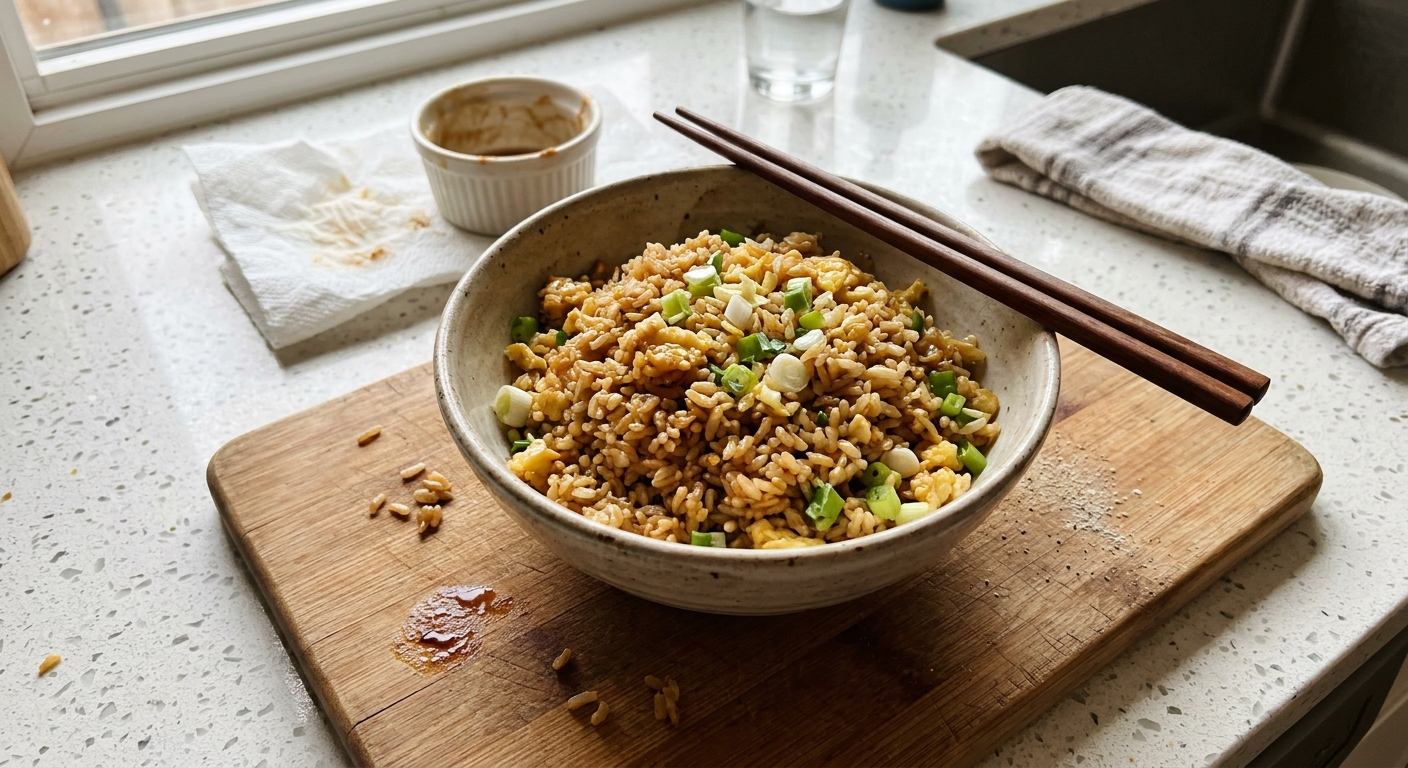
Years ago, when my husband and I first moved into our house, my weeknight cooking repertoire needed some serious help. I kept a notebook filled with scribbled dinner ideas, and takeout-style egg fried rice was near the top of the list. It felt like the easiest way to turn a refrigerator full of random odds and ends into something truly delicious.
My early attempts were decent, but they tasted a bit flat compared to the sizzling, deeply savory versions from our favorite neighborhood restaurant. I tried adding extra soy sauce and pouring in more oil, but the rice ended up either too salty or unpleasantly greasy.
One evening, while rummaging through my dairy drawer, I spotted a tub of sweet white miso paste sitting right next to a block of creamy Southern butter. On pure instinct, I mashed a spoonful of the miso directly into the softened butter, and stirred it into the rice right as it finished frying. That single change transformed the dish completely.
The rice took on a rich, savory glaze that clung to every single tender grain. It had that mouthwatering restaurant depth right from my own home stove.
Ever since that night, this recipe has been my trusty secret weapon whenever I need dinner on the table in under fifteen minutes. Once you taste that buttery umami finish, you will never want to make fried rice any other way.
Why This Egg Fried Rice Recipe Works
Fried rice traces its roots back over a thousand years to the Sui dynasty in eastern China. Home cooks created the dish out of pure thrift, discovering that quickly tossing cold leftover grains in hot fat kept cooked rice from going to waste. Over centuries, this practical habit evolved into a global comfort food staple loved for its speed, simplicity, and adaptability.
Traditional restaurant kitchens rely on commercial burners and seasoned carbon steel woks to create wok hei, which translates to the breath of the wok. That intense heat caramelizes the soy sauce and toasts the starches in seconds. Most home kitchen ranges simply cannot reach those extreme temperatures, leaving homemade versions tasting a bit lackluster.
That is where my twist ingredient, white miso paste mashed with softened butter, changes the game. White miso brings fermented depth, natural sweetness, and concentrated umami that mimics the complex flavor of high-heat cooking.
When the miso butter hits the hot pan, the milk solids gently brown while the miso forms a silky coating across each grain of rice. The butter keeps the eggs and rice tender without turning the skillet greasy, while the subtle caramel notes round out the sharp saltiness of the soy sauce.
The combination bridges classic Asian street food technique with down-home comfort food sensibility. You get incredible depth in a fraction of the time, using standard home equipment.
Ingredients for Egg Fried Rice
Every single ingredient in this recipe serves a distinct purpose, so having everything measured and prepped by your stovetop makes cooking quick and stress-free.
- 3 cups day-old cooked jasmine rice, chilled: Jasmine rice has a lovely floral scent and firms up nicely in the refrigerator. Cold rice is non-negotiable because warm, freshly cooked rice holds too much surface moisture and will turn to mush.
- 3 large eggs, lightly beaten: Fresh, high-quality eggs with rich orange yolks give the dish beautiful color and a soft, custard-like texture.
- 2 tablespoons unsalted butter, softened: Unsalted butter lets you control the salt level while adding rich body and shine to the grains.
- 1 tablespoon white miso paste: This is our star twist ingredient. Mild, slightly sweet, and loaded with natural umami, white miso melts effortlessly into the butter to deliver deep savory flavor.
- 2 tablespoons neutral high-heat oil (such as peanut or canola), divided: A cooking oil with a high smoke point prevents scorching during the high-heat stir-fry phases.
- 2 cloves garlic, finely minced: Fresh garlic provides sweet, aromatic pungency. Avoid jarred minced garlic, as the preservative liquid can add unwanted acidity.
- 1 teaspoon fresh ginger, finely grated: Fresh ginger adds a warm, zesty bite that balances the richness of the butter and eggs.
- 3 scallions, whites and greens separated, thinly sliced: The firm white bottoms are bloomed with the aromatics, while the tender green tops are folded in at the very end for crisp freshness.
- 1 tablespoon light soy sauce: Light soy sauce seasons the grains with clean salinity without darkening the rice too heavily.
- 1 teaspoon toasted sesame oil: Pure toasted sesame oil adds a nutty, aromatic finish. Always add it off the heat so its delicate flavor does not burn away.
- ¼ teaspoon ground white pepper: White pepper offers an earthy, sharp heat that blends into the rice seamlessly without leaving black flecks.
- ¼ teaspoon salt: A light pinch enhances the natural flavor of the eggs during the initial scramble.
Step-by-Step Instructions For Making Egg Fried Rice
Fried rice moves very fast once your skillet is hot. Set all your bowls beside the stove before turning on the burner so you can cook with complete confidence.
Step 1: Prep the Miso Butter and Eggs
In a small ramekin, blend the softened butter and white miso paste with the back of a spoon until completely smooth and emulsified. Setting this mixture aside at room temperature guarantees it melts instantly when it hits the hot skillet. In a separate small bowl, whisk your eggs with the salt and a tiny pinch of white pepper until smooth and uniform.
Step 2: Separate the Rice Grains
Take your chilled jasmine rice out of the refrigerator and break up any dense clumps with clean hands or a flexible spatula. Separating the grains while they are cold ensures that each kernel gets individually coated in oil and seasoned during the stir-fry, rather than staying stuck together in pale lumps.
Step 3: Scramble the Eggs Softly
Set a large carbon steel wok or heavy cast-iron skillet over medium-high heat and pour in one tablespoon of neutral oil. Once the oil begins to shimmer, pour in the beaten eggs and scramble them gently for 30 to 45 seconds using broad, sweeping motions. Remove them to a clean plate while they are still slightly soft and glossy so they do not overcook.
Step 4: Bloom the Aromatics
Return your pan to high heat and add the remaining tablespoon of neutral oil. Drop in the minced garlic, freshly grated ginger, and sliced scallion whites, tossing them constantly for about 30 seconds. Watch your heat closely so the garlic turns golden and fragrant rather than dark brown and bitter.
Step 5: Sear and Season the Rice
Add the chilled rice directly over the aromatics, pressing it into an even layer across the bottom and sides of the pan. Let the grains sit undisturbed for a full minute to build a light, toasty crust, then stir-fry vigorously for two to three minutes. Pour the light soy sauce around the outer rim of the hot pan walls so it sizzles and caramelizes instantly before tossing it into the rice.
Step 6: Glaze with Miso Butter and Fold
Push the steaming rice outward to create an open well in the center of the pan, then drop in your prepared miso-butter mixture. Let it bubble and lightly foam for ten seconds, then quickly fold the rice into the center to coat every grain in the savory glaze. Return the soft eggs and sliced scallion greens to the pan, breaking the curds into bite-sized pieces with your spatula. Drizzle with toasted sesame oil, sprinkle with remaining white pepper, give the pan one final high-heat toss, and serve hot.
How To Serve Egg Fried Rice
This savory rice dish easily holds its own as a quick, satisfying lunch or weeknight dinner straight out of the pan. It has plenty of protein from the eggs and rich flavor from the miso butter, making it deeply filling on its own.
If you want to build a complete feast, it pairs beautifully with simple Asian-inspired mains and crunchy vegetable sides:
- Crispy pan-seared pork dumplings: Steamed or pan-fried potstickers provide a crunchy, savory companion that turns dinner into a weekend takeout experience.
- Quick pickled cucumbers: Sliced mini cucumbers tossed with rice vinegar, a touch of sugar, and sesame seeds cut through the richness of the miso butter.
- Stir-fried garlic green beans: Blistered green beans tossed with minced garlic and a splash of soy sauce bring bright color and crisp texture to the plate.
- Sweet chili glazed chicken tenders: Crisp, breaded chicken tossed in sweet Thai chili sauce offers a fun contrast of sweet and savory flavors.
For a casual brunch twist, spoon a generous portion into shallow bowls and top each serving with a sunny-side-up fried egg. Breaking that runny yolk creates an extra layer of velvety sauce over the buttery, miso-glazed grains.
How To Store & Reuse Egg Fried Rice Leftovers
Cooked rice needs proper handling to keep it fresh and safe to eat. Leftover rice can harbor harmless spores that multiply if left sitting at room temperature, so cool your leftover rice promptly after your meal.
Transfer any remaining fried rice into a shallow, airtight container within one hour of cooking. Spreading it thinly in the container helps it cool quickly before you seal the lid and slide it into the refrigerator.
- Refrigeration: Keep your rice sealed in an airtight container in the fridge for up to three days.
- Freezing: Pack cooled portions into freezer-safe zip-top bags, press out all excess air, and freeze flat for up to two months. Thaw overnight in the refrigerator before reheating.
- Skillet Reheating: Warm a teaspoon of oil or butter in a skillet over medium heat, add the cold rice along with a teaspoon of water, and stir-fry for three minutes until piping hot throughout.
- Microwave Reheating: Place a portion in a microwave-safe bowl, cover it with a damp paper towel, and heat on high in 45-second intervals, stirring between bursts to restore moisture.
Leftovers also make an incredible base for quick breakfast scrambles the next morning. Simply toss the cold rice into a skillet with a fresh splash of sesame oil, fold in an extra beaten egg, and top with hot sauce for a quick morning meal.
Substitutions & Variations For Egg Fried Rice
You can easily tweak this recipe to suit different pantry staples or dietary preferences without losing that irresistible savory charm. Because the cooking process is so fast, just make sure any swaps you choose are prepped and ready before you turn on your stove.
Here are several simple adjustments that work reliably well with the cooking technique:
- Gluten-Free Option: Swap the light soy sauce for an equal amount of certified gluten-free tamari. Make sure your white miso paste is labeled gluten-free, as some miso varieties use barley or wheat starters.
- Miso Varieties: While white (shiro) miso provides a delicate sweetness, yellow or light brown miso works in a pinch. Avoid very dark red miso, as its strong, pungent saltiness can easily overpower the eggs.
- Grain Alternatives: Chilled medium-grain white rice or day-old brown jasmine rice both work nicely. Avoid short-grain sticky sushi rice, which clumps too heavily in a home skillet.
- Dairy-Free Twist: Substitute a high-quality plant-based block butter for the dairy butter. Look for a brand that browns lightly to mimic the nutty flavor of dairy solids.
- Spicy Kick: Stir a teaspoon of chili crisp or sriracha directly into the miso butter before melting it into the pan.
Feel free to experiment with whatever odds and ends you have in your crisper drawer, keeping your additions finely chopped so the pan retains its heat.
Savory Miso-Butter Egg Fried Rice
Description: A delicious, restaurant-quality egg fried rice featuring tender day-old jasmine rice, soft scrambled eggs, and a rich white miso butter glaze that elevates every bite.
Yield: 3 servings | Category: Main Dish / Side | Cuisine: Asian-American Fusion
Prep Time: 10 mins | Cook Time: 10 mins
Ingredients
- 3 cups day-old cooked jasmine rice, chilled
- 3 large eggs, lightly beaten
- 2 tablespoons unsalted butter, softened
- 1 tablespoon white miso paste
- 2 tablespoons neutral high-heat oil (peanut or canola), divided
- 2 cloves garlic, finely minced
- 1 teaspoon fresh ginger, finely grated
- 3 scallions, whites and greens separated, thinly sliced
- 1 tablespoon light soy sauce
- 1 teaspoon toasted sesame oil
- ¼ teaspoon ground white pepper
- ¼ teaspoon salt
Instructions
- Blend softened butter and white miso paste in a small ramekin until smooth; whisk eggs with salt and a pinch of white pepper in a separate bowl.
- Gently break up large clumps in the cold jasmine rice with your hands.
- Heat 1 tablespoon oil in a wok or skillet over medium-high heat, softly scramble eggs for 30 to 45 seconds, then set aside on a plate.
- Add remaining oil to the pan over high heat, stir-frying garlic, ginger, and scallion whites for 30 seconds until fragrant.
- Add rice, let it sear undisturbed for 1 minute, then stir-fry for 2 to 3 minutes until steaming.
- Drizzle soy sauce around the perimeter walls of the pan to caramelize before tossing into the rice.
- Clear a center well in the rice, melt the miso butter for 10 seconds, then toss thoroughly to glaze the grains.
- Fold in cooked eggs and scallion greens, breaking eggs into bite-sized pieces.
- Drizzle with sesame oil and remaining white pepper, toss over high heat, and serve immediately.
Notes
Always use cold, day-old rice for the best texture. If you do not have day-old rice, spread freshly cooked rice across a baking sheet and chill it uncovered in the freezer for twenty minutes before cooking.
Servings: 3 | Calories: 395 | Fat: 18g | Carbohydrates: 48g | Protein: 9g
5 FAQs About Egg Fried Rice
Here are some straightforward answers to the most common questions I receive about this egg fried rice recipe.
Why is my egg fried rice soggy instead of fluffy and separate?
Soggy fried rice almost always comes down to excess moisture. When freshly cooked rice is hot, it gives off steam and carries moisture on the outside of each grain, which creates a wet, gummy consistency in the pan.
Using rice that has chilled in the refrigerator overnight allows the starch molecules to firm up and the outer surface to dry completely. Overcrowding your skillet or pouring liquid seasonings directly onto the rice instead of flashing them against the hot metal pan walls can also trap moisture.
Can I use fresh, warm rice to make egg fried rice?
Warm, freshly cooked rice is too soft to withstand the vigorous tossing required for fried rice. If you attempt to fry warm grains straight from a rice cooker, the steam will break down the grains into a sticky paste.
If you are in a pinch and must make this dish today, spread freshly cooked rice in an even layer onto a large rimmed baking sheet. Place the baking sheet into the freezer for fifteen to twenty minutes so the cold air quickly evaporates surface moisture and chills the grains thoroughly.
What is the best pan to cook egg fried rice at home?
A classic, seasoned carbon steel wok is the gold standard because its sloped walls let you move ingredients between intense heat and gentle holding zones. Carbon steel also heats up and responds to temperature adjustments instantly.
If you do not own a wok, a large, well-seasoned cast-iron skillet or heavy stainless steel pan makes an excellent alternative. Just pick a skillet with plenty of surface area so the rice can spread out and sear properly without steaming.
Why do you use white pepper in egg fried rice instead of black pepper?
White pepper is a staple in traditional Chinese cooking because it delivers a sharp, clean heat and an earthy, fermented aroma that pairs naturally with eggs and garlic. It also blends invisibly into the pale grains without creating prominent dark flecks.
Black pepper has a fruity, piney pungency that can easily dominate delicate stir-fry dishes. If you do not have ground white pepper in your spice cabinet, you can substitute a very fine pinch of black pepper, but white pepper is well worth picking up for authentic flavor.
Can I freeze leftover egg fried rice for later?
Yes, egg fried rice freezes surprisingly well when packed properly. The key is to cool the leftovers completely in the refrigerator before transferring them into freezer storage.
Portion the cooled rice into heavy-duty zip-top freezer bags, press out all excess air to protect against freezer burn, and lay the bags flat on a shelf. Frozen fried rice keeps well for up to two months, and you can reheat it directly from frozen in a hot skillet with a tiny splash of water.
Try These Recipes Next
If you enjoyed this quick, flavorful dinner, you will love these other comforting skillet meals from the kitchen.
- Crispy Prosciutto Chicken Fried Rice: A savory twist on takeout loaded with crisp prosciutto, tender chicken bites, and fresh vegetables.
- Breakfast for Dinner Fried Egg Sandwich: A warm, satisfying sandwich stacked with runny eggs, melted cheese, and crisp bacon on toasted bread.
- Easy Chicken and Rice Recipe with Smoked Paprika: A fragrant, one-pot dinner featuring tender chicken thighs and spiced rice cooked in savory broth.
Pull out your favorite heavy skillet this week, grab your ingredients, and enjoy bringing easy restaurant flavor straight to your family dinner table!