
The Secret Umami Ingredient That Changed My Steak Fajita Recipe Forever
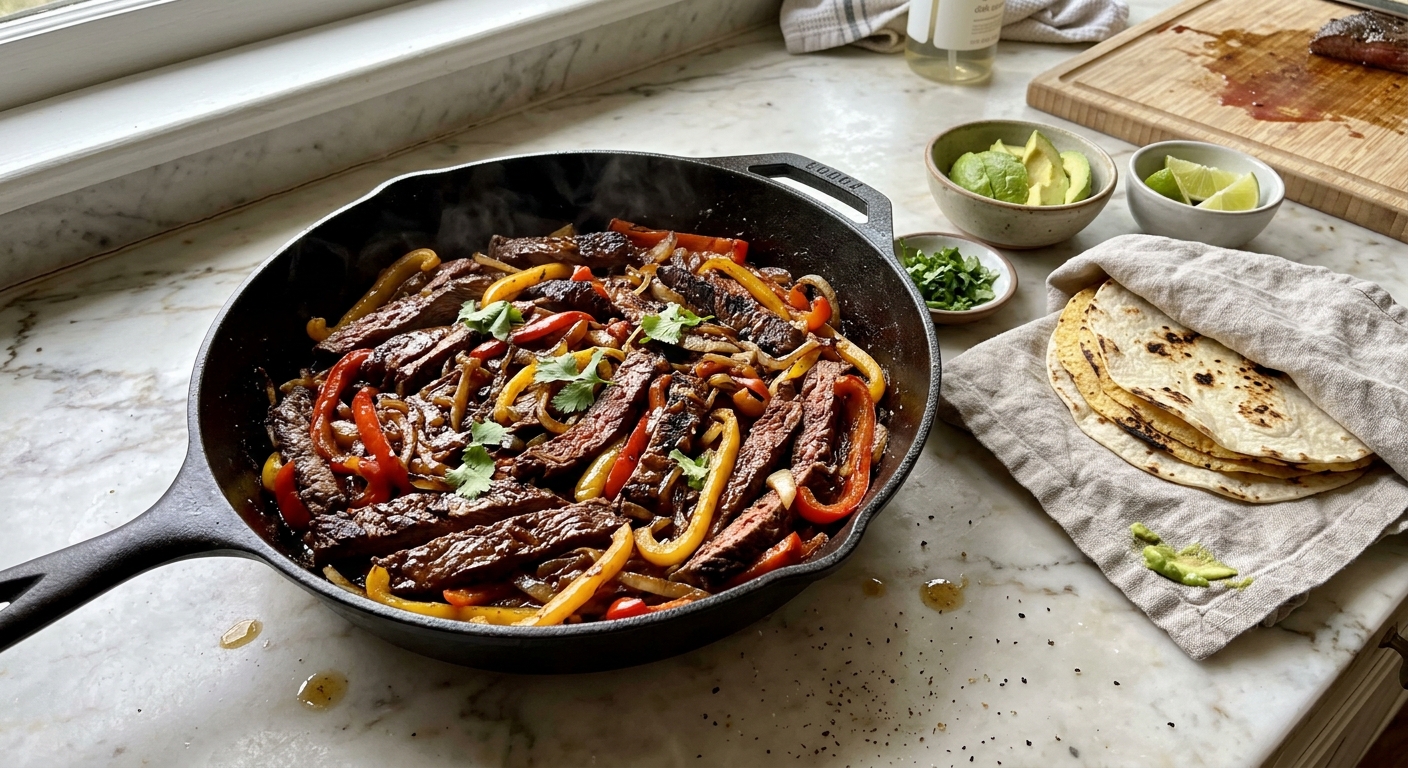
The first time I ever had a truly memorable steak fajita, I was visiting family out in Texas. We went to this hole-in-the-wall spot where the sizzle of the cast-iron platters echoed across the dining room, filling the air with the incredible aroma of charred beef, sweet onions, and roasted peppers. It was love at first bite, and I immediately made it my mission to recreate that restaurant-quality experience in my own home kitchen.
For years, I played around with standard citrus marinades, but something was always missing. Traditional marinades often rely purely on acid, which can turn the meat mushy without delivering that deep, savory punch you get from a seasoned restaurant flat-top. That was until I opened my fridge one afternoon and decided to experiment with a tub of white miso paste.
I know miso sounds unconventional for a classic Tex-Mex dish, but it completely changed the game. Whisked into fresh lime juice, earthy spices, and rich olive oil, white miso provides an unmatched layer of savory umami that rounds out the sharp citrus. It creates an incredible crust in the hot skillet that will make your steak fajita taste better than anything you can order out.
Why This Steak Fajitas Recipe Works
Fajitas date back to the 1930s in the ranchlands of South and West Texas. Mexican vaqueros were often paid in butchered cattle cuts, specifically the skirt steak, which was considered tough and undesirable by many. These resourceful cowboys learned to tenderize the fibrous meat over open mesquite fires and wrap it in warm flour tortillas.
By the 1980s, the sizzling fajita platter became a national sensation in American casual dining. The drama of the popping skillet, the steam rising as it crossed the dining room, and the customizable nature of assembling your own wrap made it an instant crowd-pleaser. Today, making a great steak fajita at home is an absolute essential for any home cook who loves bold, satisfying weeknight dinners.
The secret to taking this beloved classic to new heights is the addition of white miso paste. Miso is rich in natural glutamates, which elevate the beefy depth of skirt steak without making it taste like Japanese cooking. It acts as a flavor bridge between the zesty lime juice and the smokiness of chili powder and cumin.
Additionally, the gentle natural sugars and fermented proteins in miso caramelize rapidly against the blazing surface of a cast-iron skillet. This gives you a gorgeous, dark mahogany crust in minutes while keeping the center tender and juicy. It solves the classic home-cooking dilemma of gray, boiled-looking meat, ensuring every bite has that authentic smoky restaurant char.
Ingredients for Steak Fajitas
A phenomenal skillet dinner begins with fresh, high-quality staples. Here is everything you will need to prepare this show-stopping meal:
- 1½ pounds skirt steak (or flank steak), trimmed of excess fat
- 2 tablespoons white miso paste (twist ingredient: builds a savory umami crust and rounds out the sharp citrus)
- 3 tablespoons olive oil, divided
- 3 tablespoons freshly squeezed lime juice
- 1 tablespoon Worcestershire sauce
- 4 cloves garlic, finely minced
- 1 tablespoon ground cumin
- 1 tablespoon chili powder
- 1 teaspoon smoked paprika
- 1 teaspoon dried Mexican oregano
- 1 teaspoon kosher salt
- ½ teaspoon freshly cracked black pepper
- 1 large red bell pepper, cut into ¼-inch strips
- 1 large yellow bell pepper, cut into ¼-inch strips
- 1 large yellow onion, sliced into ¼-inch half-moons
- 1 tablespoon avocado oil or neutral high-heat cooking oil
- Warm flour or corn tortillas, for serving
- Fresh cilantro, sliced avocado, and lime wedges, for serving
The star of the show is the skirt steak, which boasts coarse muscle fibers that hold onto marinades better than almost any other cut. If you can find outside skirt steak at your local butcher, grab it. It is naturally more tender than inside skirt steak, though flank steak makes a wonderful second option if skirt is unavailable.
Be sure to use fresh lime juice rather than bottled concentrate, as the natural brightness cuts through the rich beef fat. When shopping for the twist ingredient, choose mild white miso, sometimes labeled as shiro miso. It has a lighter, sweeter fermentation profile that integrates seamlessly into the spices without overpowering them.
Step-by-Step Instructions For Making Steak Fajitas
Cooking this meal is fast and active, so have your vegetables sliced and all tools ready by the stove before you start searing.
1. Whisk the Umami Marinade
In a medium bowl, whisk together the white miso paste and freshly squeezed lime juice until the miso is completely dissolved and smooth. Taking an extra moment to smooth out the paste ensures every drop of meat gets equal flavor rather than leaving salty pockets behind.
Once the base is smooth, whisk in two tablespoons of the olive oil, Worcestershire sauce, minced garlic, cumin, chili powder, smoked paprika, dried Mexican oregano, kosher salt, and black pepper. The marinade will smell intensely aromatic, savory, and wonderfully zesty.
2. Marinate the Beef
Place your trimmed skirt steak in a shallow glass dish or a large zip-top bag. Pour the marinade over the beef, turning it several times to ensure every square inch is generously coated.
Seal the bag tightly, pressing out excess air, and place it in the refrigerator for at least 45 minutes, or up to 4 hours. Avoid marinating overnight, because the lime juice will break down the meat fibers too much and affect the texture.
3. Temper and Prep the Meat
Remove the marinated steak from the refrigerator 20 minutes prior to cooking so the meat can come to room temperature. Cooking ice-cold meat right out of the fridge drops the pan temperature drastically, preventing that signature sear.
Before adding the beef to the pan, use your fingers or the back of a spoon to gently wipe away excess thick marinade from the surface. You want the flavor absorbed into the meat, but heavy patches of miso on the exterior can scorch before the beef develops its crust.
4. Heat the Skillet
Set a heavy 12-inch cast-iron skillet over high heat. Let it warm up dry until you see the slightest wisps of smoke rising from the surface, which ensures maximum heat retention.
Pour in the avocado oil, tilting the pan quickly to coat the bottom. Using an oil with a high smoke point is essential here, because standard butter or light oils will burn and turn bitter under this intense heat.
5. Sear the Steak
Carefully lay the skirt steak into the blazing hot skillet. It should sizzle loudly on contact. Leave it undisturbed for 3 to 4 minutes to allow that gorgeous, savory mahogany crust to establish itself.
Flip the steak with sturdy tongs and sear for another 2 to 3 minutes on the opposite side. Skirt steak is thin and cooks quickly, so aim for medium-rare, which sits right between 130°F and 135°F on an instant-read digital thermometer.
6. Rest the Meat
Transfer the seared steak from the pan to a clean wooden cutting board. Tent a sheet of aluminum foil loosely over the meat to hold in the warmth.
Let it rest undisturbed for 8 to 10 minutes. This resting window allows the pressurized juices inside the steak to redistribute evenly throughout the meat fibers rather than running out all over your board.
7. Blister the Peppers and Onions
While your steak is resting, reduce the skillet heat to medium-high. Add the remaining one tablespoon of olive oil directly into the residual pan drippings.
Toss in the sliced bell peppers and onions, adding a light pinch of salt. Let them cook undisturbed for 2 minutes to get blistered edges, then stir frequently for 3 to 4 minutes until they are tender-crisp, absorbing all those delicious browned bits from the pan bottom.
8. Slice the Steak Against the Grain
Uncover the rested steak and identify the direction of the long muscle grains running across the meat. Place your sharp chef knife at a 45-degree angle across those fibers.
Slice the beef thinly against the grain. Slicing against the grain shortens the meat fibers, which guarantees that every single bite is tender and easy to chew.
9. Recombine and Heat
Scoop up the sliced steak along with any flavorful juices that pooled onto your cutting board. Return everything back into the hot skillet with the cooked peppers and onions.
Toss the ingredients together gently over medium heat for about 30 seconds. This warms the beef through, glazes the vegetables in savory meat juices, and brings that authentic restaurant sizzle right back to life.
10. Garnish and Serve
Turn off the heat and bring the skillet directly to a heat-safe trivet on the dinner table. Garnish with fresh cilantro leaves, ripe avocado slices, and fresh lime wedges alongside a warm stack of tortillas.
How To Serve Steak Fajitas
Part of the charm of serving a classic steak fajita dinner is the interactive tableside spread. Everyone loves being able to build their own plate, so I like to set up a colorful family-style buffet centered around the piping-hot cast-iron skillet.
Having a variety of toppings and side dishes keeps the meal exciting, allowing each person to customize their plate with cooling accents, warm tortillas, and fresh garnishes:
- Tortilla Selection: Offer both warm flour tortillas for softness and lightly charred corn tortillas for an authentic, earthy flavor.
- Cooling Additions: Set out bowls of sour cream, homemade guacamole, or crumbled cotija cheese to balance the heat of the spices.
- Salsa Bar: Pair the rich beef with a bright pico de gallo, a smoky charred tomato salsa, or a tangy salsa verde for extra punch.
- Filling Sides: Round out the meal with a pot of seasoned pinto beans, slow-simmered black beans, and traditional Mexican red rice.
For a creative low-carb presentation, skip the tortillas entirely and serve the sizzling beef and vegetables over a big bed of crisp romaine lettuce with sliced radishes. You can also spoon the mixture into warm burrito bowls over brown rice, roasted corn, and black beans for an effortless weeknight dinner bowl.
How To Store & Reuse Steak Fajitas Leftovers
Leftover fajita meat and blistered vegetables hold up beautifully for weekday lunches, provided you store them properly to maintain their texture. Let the cooked meat and vegetables cool completely to room temperature before packing them up so steam does not make the peppers soggy.
Transfer the cooled leftovers into an airtight glass storage container. The cooked beef and vegetables will stay fresh in your refrigerator for up to 3 to 4 days, making this recipe a fantastic choice for weekly meal prep.
- Stovetop Reheating: The best method to reheat leftovers is in a hot skillet with a teaspoon of oil over medium-high heat for 2 to 3 minutes.
- Oven Reheating: Spread the meat and peppers on a baking sheet, cover loosely with foil, and warm at 350°F for about 8 minutes.
- Avoid the Microwave: Microwaving skirt steak can quickly turn the lean protein rubbery and overcooked, so save the microwave for warming your tortillas.
Repurposing your leftovers into brand new meals is half the fun of making this recipe. Dice up the chilled steak and peppers to toss into a cheesy morning breakfast scramble or fold them into crispy quesadillas for a quick lunch.
You can also layer the leftover meat and peppers over crispy tortilla chips with melted Monterey Jack cheese for game-day steak nachos. Another great option is tossing the chilled steak into a hearty southwest salad with black beans, corn, and a zesty cilantro vinaigrette.
Substitutions & Variations For Steak Fajitas
One of the best qualities of this recipe is how adaptable it is to what you have stocked in your refrigerator or pantry. You can easily adjust the heat levels, tweak the proteins, or tailor the seasonings to accommodate different diets without sacrificing flavor.
Feel free to experiment with these simple flavor swaps and dietary tweaks to make this recipe fit your kitchen perfectly:
- Protein Swaps: If you cannot track down skirt or flank steak, boneless skinless chicken thighs or peeled jumbo shrimp work wonderfully with this miso marinade.
- Soy-Free Alternative: If you are cooking for someone with a soy allergy, swap the white miso paste for chickpea miso, which offers the same rich, savory depth.
- Veggie Boost: Add sliced poblano peppers, portobello mushroom strips, or fresh zucchini spears alongside the bell peppers for extra color and earthiness.
- Citrus Variations: Replace one tablespoon of the fresh lime juice with orange juice to bring a hint of sweetness reminiscent of classic citrus carnitas.
- Heat Levels: If your family prefers spicy food, toss in a thinly sliced jalapeño or serrano pepper with the onions while they blister in the skillet.
For an outdoor summer variation, skip the cast-iron skillet entirely and cook everything over hot charcoal on the grill. Grill the skirt steak over direct high heat for 3 minutes per side, char the whole peppers and onions in a grill basket, and slice everything up right before serving.
Sizzling Cast-Iron Steak Fajitas
Description: Juicy skirt steak marinated in zesty lime, warm spices, and savory white miso, seared to perfection alongside blistered peppers and onions.
Yield: 4 servings | Category: Dinner | Cuisine: Tex-Mex
Prep Time: 15 minutes (plus marinating) | Cook Time: 15 minutes
Ingredients
- 1½ pounds skirt steak (or flank steak), trimmed of excess fat
- 2 tablespoons white miso paste
- 3 tablespoons olive oil, divided
- 3 tablespoons freshly squeezed lime juice
- 1 tablespoon Worcestershire sauce
- 4 cloves garlic, finely minced
- 1 tablespoon ground cumin
- 1 tablespoon chili powder
- 1 teaspoon smoked paprika
- 1 teaspoon dried Mexican oregano
- 1 teaspoon kosher salt
- ½ teaspoon freshly cracked black pepper
- 1 large red bell pepper, cut into ¼-inch strips
- 1 large yellow bell pepper, cut into ¼-inch strips
- 1 large yellow onion, sliced into ¼-inch half-moons
- 1 tablespoon avocado oil
- Warm flour or corn tortillas, for serving
- Fresh cilantro, sliced avocado, and lime wedges, for serving
Instructions
- Whisk the white miso and lime juice together until smooth, then whisk in 2 tablespoons olive oil, Worcestershire sauce, garlic, cumin, chili powder, paprika, oregano, salt, and pepper.
- Coat the steak with the marinade and refrigerate for 45 minutes to 4 hours.
- Let the steak sit at room temperature for 20 minutes before cooking, then gently wipe away thick excess surface marinade.
- Heat a large cast-iron skillet over high heat with avocado oil until lightly smoking.
- Sear the steak for 3 to 4 minutes on the first side, flip, and sear for 2 to 3 minutes more for medium-rare, then transfer to a board and rest for 8 to 10 minutes.
- Lower skillet heat to medium-high, add the remaining olive oil, and cook the peppers and onions for 5 to 6 minutes until tender-crisp.
- Slice the rested steak thinly against the grain at a 45-degree angle.
- Return the sliced steak and board juices to the pan, toss with the vegetables for 30 seconds, and serve with warm tortillas, cilantro, avocado, and lime wedges.
Notes
Wiping away the heavy layer of marinade before searing prevents the miso sugars from scorching in the blazing skillet. Always slice skirt steak against the grain to ensure a tender chew.
Servings: 4 | Calories: 485 | Fat: 28g | Carbohydrates: 12g | Protein: 42g
5 FAQs About Steak Fajitas
Here are some straightforward answers to the most common questions I receive about this steak fajita recipe.
What is the best cut of beef to use for a steak fajita?
The traditional and most flavorful cut of beef for a steak fajita is skirt steak. Skirt steak comes from the plate section of the cow, featuring open, coarse grain fibers that soak up marinades exceptionally well. It has a high concentration of beef fat, giving it a rich, hearty flavor that stands up to bold spices and blistering pan heat.
If you cannot find skirt steak at your market, flank steak is your next best option. Flank steak is slightly leaner and thicker, so it may need an extra minute of cooking per side. Flat iron steak is another tender cut that cooks beautifully in a cast-iron skillet if you prefer a milder beef profile.
Why does my steak fajita turn out tough or chewy?
Tough fajita meat usually comes down to two common mistakes: overcooking the meat or slicing it in the wrong direction. Skirt steak is a thin, hardworking muscle that dries out and turns tough when cooked past medium-rare or medium. Pulling it from the pan around 130°F to 135°F ensures the center remains pink and tender.
The second factor is the cut direction on your board. Skirt steak has distinct, fibrous grains running across the strip. If you cut along those fibers, you end up with stringy, chewy pieces. Always slice across the grain at a 45-degree angle to cut those long muscle fibers short, making every bite melt in your mouth.
How long should I marinate the meat for a steak fajita?
The ideal marinating window for this steak fajita is between 45 minutes and 4 hours. Because skirt steak has such a coarse texture, the savory miso, garlic, and spices penetrate the exterior quickly. A quick soak gives you plenty of rich flavor without compromising the structural integrity of the beef.
Be careful not to leave the meat in the marinade overnight. The natural acid in the fresh lime juice breaks down delicate protein fibers over time. Leaving skirt steak in citrus juice for longer than six hours will turn the surface of the meat mushy rather than tender.
Do I have to use a cast-iron skillet for this steak fajita recipe?
While you can use a heavy stainless steel pan, a heavy cast-iron skillet is truly the gold standard for cooking a steak fajita indoors. Cast iron absorbs and holds onto an incredible amount of heat, which prevents the pan from cooling down when you add a large piece of cold steak. That constant heat is what delivers the smoky char.
Avoid using lightweight non-stick pans for this recipe. Non-stick coatings should not be heated to the high temperatures needed to achieve a deep sear on beef, and they will trap steam, causing your peppers and onions to boil rather than blister and caramelize.
Why do you add white miso paste to a steak fajita marinade?
White miso paste is my secret ingredient to give this steak fajita restaurant-worthy depth. Miso is naturally rich in glutamates, providing a savory umami boost that enhances the beefy flavor of the steak. It balances the sharp tang of the fresh lime juice, creating a rounded, savory flavor profile.
Furthermore, the natural sugars present in fermented white miso caramelize rapidly under high skillet heat. This allows the steak to develop a deep mahogany crust in just three minutes per side without overcooking the center. It adds rich flavor without making the fajitas taste like an Asian dish.
Try These Recipes Next
If your family loved the bold flavors of this skillet dinner, you are going to adore these other simple, flavor-packed meals from my kitchen:
- Easy Steak Fajita Recipe: A simple, foolproof weeknight variation that delivers tender beef and crisp bell peppers in under thirty minutes.
- Grilled Steak Fiesta Salad: Turn juicy grilled steak into a vibrant, crunchy dinner salad packed with black beans, corn, and fresh garden vegetables.
- Shrimp Fajita Bowls with Cilantro Lime Cauliflower Rice: A fast, light, and healthy seafood skillet bowl that brings plenty of zesty Tex-Mex seasoning to the dinner table.
I hope this sizzling recipe becomes a regular favorite in your home, bringing all the fun and flavor of your favorite restaurant right to your dinner table!