
A Cozy Pork Soup Recipe with Sweet Pears and Smoky Paprika
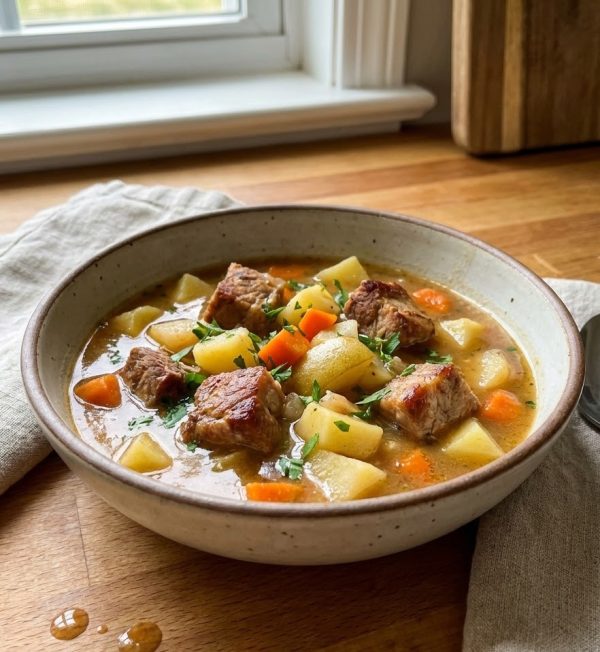
There are some flavors that just feel like home, and for me, a hearty, slow-simmered pork soup is one of them. I grew up with my grandmother’s version, a simple and satisfying broth filled with tender pork and root vegetables. It was the kind of meal that warmed you from the inside out on a chilly afternoon. It was perfect in its own way, but you know me, I can never leave well enough alone.
One fall afternoon, I had a beautiful pork shoulder ready for a soup pot and a bowl of fresh pears sitting on the counter. A little lightbulb went off in my head. Pork and fruit are a classic pairing, so why not in a soup? I decided to give it a try, adding some smoked paprika to complement the sweetness of the pear and the richness of the pork.
The result was nothing short of magic. The pears melted into the broth, adding a subtle, elegant sweetness that completely transformed the dish. The smoked paprika gave it a deep, smoky undertone that made the whole pot of soup feel more complex and sophisticated. It was still the comforting pork soup of my childhood, but with a surprising and delicious twist that made it entirely my own.
This is now my go-to recipe when I want to impress guests with something that feels both rustic and refined. It’s a testament to how one or two simple changes can elevate a classic dish into something truly special.
Why This Pork Soup Recipe Works
Pork soup has been a staple in kitchens around the world for centuries. It’s the ultimate comfort food, born from a desire to use humble ingredients to create something nourishing and deeply satisfying. Traditionally, it’s a straightforward affair with pork, broth, and whatever root vegetables are on hand. It’s a recipe built on practicality and flavor, which is why it has stood the test of time.
This recipe honors that tradition while adding a couple of key ingredients that create a truly unforgettable flavor profile. The secret lies in the perfect balance of savory, sweet, and smoky notes.
The star of the show is the combination of pear and smoked paprika. The pears, when simmered in the broth, break down slightly and release their natural sugars. This gentle sweetness is the perfect counterpoint to the rich, savory flavor of the pork shoulder. It cuts through the fat and brightens the entire dish in a way that is subtle yet significant.
Then comes the smoked paprika. Unlike its sweet or hot cousins, smoked paprika brings a woodsy, smoky depth that mimics the flavor of food cooked over an open fire. When bloomed with the other aromatics, it infuses the entire broth with a warm, complex flavor that complements both the pork and the pear. This single spice elevates the soup from a simple rustic meal to a dish with layers of flavor that unfold with every spoonful. It’s this thoughtful combination that makes the recipe a standout success.
Ingredients for Pork Soup
Getting your ingredients in order before you start cooking, what the chefs call mise en place, is the key to a stress free kitchen experience. For this pork soup, we’re using simple, wholesome ingredients that come together to create something truly special. The quality of each component matters, so choose the best you can find.
Here’s what you’ll need to have on hand:
- 1 tbsp olive oil
- 1 lb boneless pork shoulder, cut into 1/2-inch cubes
- 1 large yellow onion, chopped
- 2 carrots, peeled and diced
- 2 celery stalks, diced
- 2 cloves garlic, minced
- 1 tsp smoked paprika
- 1/2 tsp dried thyme
- 6 cups low-sodium chicken or vegetable broth
- 2 medium pears, peeled, cored, and chopped
- 1 large potato, peeled and diced
- 1 bay leaf
- Salt and freshly ground black pepper to taste
- 2 tbsp fresh parsley, chopped (for garnish)
The most important ingredient choice you’ll make is the cut of pork. Boneless pork shoulder, also known as pork butt, is perfect for this recipe. It has a good amount of fat and connective tissue, which melts away during the long, slow simmer. This process makes the meat incredibly tender and enriches the broth with a deep, savory flavor. Avoid leaner cuts like pork loin, as they can become dry and tough.
Our two twist ingredients, pears and smoked paprika, are what make this recipe shine. For the pears, choose a firm variety like Bosc or Anjou. They will hold their shape better during cooking while still imparting their wonderful sweetness. When it comes to the smoked paprika, don’t substitute it with regular sweet paprika. The smoky flavor is essential for creating the unique depth of this soup.
Finally, using a good quality, low-sodium broth allows you to control the saltiness of the final dish. Whether you use chicken or vegetable broth is up to you, but a homemade stock will always provide the best flavor foundation.
Step-by-Step Instructions For Making Pork Soup
This recipe is all about building layers of flavor, one step at a time. Don’t rush the process. A heavy-bottomed pot or a Dutch oven is your best friend here, as it distributes heat evenly and is perfect for both browning the meat and simmering the soup.
Step 1: Brown the Pork
First, heat your olive oil in the Dutch oven over medium-high heat. While it’s warming up, season the pork cubes generously with salt and pepper. Add the pork to the hot pot in a single layer, making sure not to crowd the pan. You may need to do this in two batches. Let the pork sear until it’s deeply browned on all sides. This step is crucial, as the browning process, known as the Maillard reaction, creates a tremendous amount of flavor. Once browned, remove the pork with a slotted spoon and set it aside.
Step 2: Sauté the Aromatics
Reduce the heat to medium and add the chopped onion, carrots, and celery to the same pot. This classic trio, known as a mirepoix, is the flavor base for our soup. Sauté the vegetables for about 5 to 7 minutes, stirring occasionally. You want them to soften and for the onion to become translucent. As they cook, use your spoon to scrape up any browned bits of pork stuck to the bottom of the pot. Those little bits are pure flavor!
Step 3: Bloom the Spices
Now, stir in the minced garlic, smoked paprika, and dried thyme. Cook for just one more minute, stirring constantly, until the garlic and spices are wonderfully fragrant. This step, called blooming, toasts the spices in the hot oil and unlocks their essential oils, making their flavors much more potent and aromatic throughout the soup.
Step 4: Combine and Simmer
Return the browned pork to the pot. Pour in the broth, then add the chopped pears, diced potato, and the bay leaf. Give everything a good stir to combine. Increase the heat to bring the soup to a boil, then immediately reduce the heat to low, cover the pot, and let it simmer gently. The soup needs to cook for at least an hour to an hour and a half. This low and slow cooking is what makes the pork shoulder fall-apart tender.
Step 5: Finish and Season
After the simmering time is up, the pork should be very tender and the potatoes cooked through. Carefully remove and discard the bay leaf. Now it’s time to taste the soup. It will likely need more salt and a few grinds of black pepper. Season it to your liking, adding a little at a time until the flavors really pop.
Step 6: Garnish and Serve
Ladle the hot soup into bowls. For a final touch of freshness and color, sprinkle a little chopped fresh parsley over the top right before serving. It adds a bright, herbaceous note that cuts through the richness of the soup beautifully.
How To Serve Pork Soup
This pork and pear soup is so hearty and flavorful that it truly stands as a complete meal in a bowl. When I serve it for dinner, I often find that very little else is needed. The combination of tender pork, potatoes, and vegetables makes it incredibly satisfying. A steaming bowl on a cool evening is pure comfort, and its unique sweet and smoky flavor profile always has my family and guests asking for the recipe.
That said, a few simple accompaniments can turn a great meal into an extraordinary one. The right pairing can complement the soup’s flavors and textures, making the entire dining experience even more enjoyable.
Here are a few of my favorite ways to serve this delicious pork soup:
- Crusty Bread or Cornbread: This is a non-negotiable in my house. A thick slice of crusty sourdough or a warm piece of skillet cornbread is perfect for sopping up every last drop of the delicious, smoky broth. The textural contrast of the bread against the tender ingredients in the soup is just divine.
- A Dollop of Sour Cream: For a touch of creamy tang, I love adding a small spoonful of full-fat sour cream or crème fraîche on top of each bowl. It melts slightly into the hot soup, adding a lovely richness and a cool contrast that balances the warmth of the paprika.
- A Simple Green Salad: To round out the meal, especially if you’re serving the soup for a dinner party, a simple green salad is a wonderful choice. I recommend dressing it with a light, acidic vinaigrette, maybe a lemon or apple cider vinegar base. The crisp, fresh greens and bright dressing provide a refreshing counterpoint to the rich, hearty soup.
No matter how you choose to serve it, this pork soup is sure to be a hit. It’s a dish that warms the soul and proves that simple, well-chosen ingredients can create the most memorable meals.
How To Store & Reuse Pork Soup Leftovers
One of the best things about making a big pot of soup is having leftovers. I honestly believe this pork soup tastes even better the next day. As it sits in the refrigerator overnight, the flavors have more time to meld and deepen, resulting in a richer, more cohesive taste. The broth soaks further into the pork and vegetables, making every bite even more delicious.
Properly storing your leftovers is key to ensuring they stay fresh and safe to eat. You want to cool the soup down as quickly as possible before putting it away. I usually let it sit on the counter for about an hour, then transfer it to the fridge to finish cooling.
Here’s how I recommend storing and reheating your leftover pork soup:
- Refrigerating: Once the soup has cooled, transfer it to an airtight container. It will keep well in the refrigerator for up to 4 days. This makes it perfect for easy lunches or a quick weeknight dinner when you don’t feel like cooking from scratch.
- Freezing: This soup also freezes beautifully. Let it cool completely, then ladle it into freezer-safe bags or containers. Be sure to leave about an inch of headspace at the top to allow for expansion. It will maintain its best quality in the freezer for up to 3 months. When you’re ready to eat it, simply thaw it in the refrigerator overnight.
- Reheating: The best way to reheat this soup is gently on the stovetop. Pour the desired amount into a saucepan and warm it over medium-low heat, stirring occasionally, until it’s heated through. While you can use a microwave in a pinch, I find that the stovetop method heats it more evenly and prevents the pork from becoming rubbery.
Having a container of this soup in the fridge or freezer is like having a delicious, home-cooked meal ready to go at a moment’s notice. It’s a gift to your future self that you will definitely appreciate on a busy day.
Substitutions & Variations For Pork Soup
While I believe this recipe is pretty perfect as it is, one of the joys of home cooking is the ability to adapt recipes to your own tastes or to what you have available in your kitchen. This pork soup is wonderfully flexible, and there are many ways to put your own spin on it. Feel free to experiment, that’s how new family favorites are born.
Whether you need to accommodate a dietary restriction or just want to try a new flavor combination, these suggestions can help guide you. Just remember to taste as you go and adjust seasonings accordingly.
Here are some substitutions and variations that work beautifully with this pork soup:
- Protein Swaps: If you don’t have pork shoulder, boneless, skinless chicken thighs are a fantastic substitute. They will cook in about the same amount of time and remain wonderfully tender. For a beef version, use beef chuck cut into cubes, but you may need to increase the simmering time by 30-60 minutes to ensure the beef is tender.
- Different Fruits: If pears aren’t in season, firm apples are an excellent alternative. Varieties like Honeycrisp, Gala, or Braeburn will hold their shape well and provide a similar sweet-tart balance. They pair just as beautifully with pork and smoked paprika.
- Vegetable Additions: Feel free to add other root vegetables to the pot. Diced parsnips would add a lovely sweet, earthy flavor. Sweet potatoes could be used in place of or in addition to the white potato for a different kind of sweetness and a boost of nutrients.
- Spice It Up: If you enjoy a bit of heat, add a pinch of cayenne pepper or a dash of your favorite hot sauce along with the smoked paprika. For a different flavor profile, you could swap the dried thyme for dried rosemary or sage, both of which pair wonderfully with pork.
Don’t be afraid to make this recipe your own. Cooking should be creative and fun, so use this recipe as a starting point and let your culinary imagination run wild.
Pork and Pear Soup with Smoked Paprika
Description: A hearty and comforting pork soup with a sophisticated twist. Tender pork shoulder, sweet pears, and smoky paprika come together in a rich broth for a meal that’s both rustic and refined.
Yield: 6-8 servings | Category: Soup | Cuisine: American
Prep Time: 20 minutes | Cook Time: 1 hour 30 minutes
Ingredients
- 1 tbsp olive oil
- 1 lb boneless pork shoulder, cut into 1/2-inch cubes
- 1 large yellow onion, chopped
- 2 carrots, peeled and diced
- 2 celery stalks, diced
- 2 cloves garlic, minced
- 1 tsp smoked paprika
- 1/2 tsp dried thyme
- 6 cups low-sodium chicken or vegetable broth
- 2 medium pears, peeled, cored, and chopped
- 1 large potato, peeled and diced
- 1 bay leaf
- Salt and freshly ground black pepper to taste
- 2 tbsp fresh parsley, chopped (for garnish)
Instructions
- Heat olive oil in a large pot or Dutch oven over medium-high heat. Season pork with salt and pepper and brown on all sides. Remove pork and set aside.
- Add onion, carrots, and celery to the pot. Sauté for 5-7 minutes until softened.
- Stir in garlic, smoked paprika, and thyme, and cook for 1 minute until fragrant.
- Return pork to the pot. Add broth, pears, potato, and bay leaf. Bring to a boil.
- Reduce heat to low, cover, and simmer for 1 to 1.5 hours, until pork is tender.
- Remove the bay leaf. Season with salt and pepper to taste.
- Serve hot, garnished with fresh parsley.
Notes
For the best results, use a firm pear variety like Bosc or Anjou that will hold its shape during cooking. Don’t skip the step of browning the pork, it adds a crucial layer of flavor to the soup.
Servings: 6 | Calories: 350 kcal | Fat: 15g | Carbohydrates: 25g | Protein: 28g
5 FAQs About Pork Soup
Here are some straightforward answers to the most common questions I receive about this pork soup recipe.
What is the best cut of pork for pork soup?
Hands down, the best cut of pork for this kind of soup is the pork shoulder, which you might also see labeled as pork butt or Boston butt. This cut comes from the upper shoulder of the pig and has an ideal ratio of meat to fat, along with plenty of connective tissue. While that might not sound appealing, the connective tissue is your best friend when it comes to slow-cooked dishes like soups and stews.
During the long, slow simmer, the fat renders out, enriching the broth with incredible flavor, and the collagen in the connective tissue breaks down into gelatin. This process is what transforms the pork from a tough cut of meat into incredibly tender, juicy, fall-apart morsels. Using a leaner cut like pork loin or tenderloin would be a mistake here. Those cuts lack the necessary fat and collagen, and they would cook too quickly, becoming dry, chewy, and tough in the soup. Stick with pork shoulder for guaranteed delicious results.
Can I make this pork soup in a slow cooker or Instant Pot?
Absolutely! This recipe adapts wonderfully to both a slow cooker and an Instant Pot, which can be a lifesaver on busy days. For a slow cooker, you should still complete the first few steps on the stovetop. Brown the pork and sauté the vegetables in a skillet to build that essential flavor foundation. Then, transfer everything to your slow cooker, add the remaining ingredients, and cook on low for 6 to 8 hours or on high for 3 to 4 hours. The pork will be incredibly tender.
For an Instant Pot, you can do everything right in the pot. Use the “Sauté” function to brown the pork and cook the vegetables and spices. Once that’s done, add the pork back in along with the rest of the ingredients. Secure the lid, set the valve to “Sealing,” and cook on high pressure for 30 minutes. Allow the pressure to release naturally for at least 10 minutes before performing a quick release. The result is a delicious soup with that slow-simmered taste in a fraction of the time.
Why did my pork turn out tough in the soup?
This is a common concern, and it almost always comes down to one of two factors: the cut of meat or the cooking time. If your pork is tough, it’s very likely that you didn’t cook it long enough. Tougher cuts of meat with a lot of connective tissue, like pork shoulder, require a long, slow cooking process at a low temperature. This is what allows the collagen to break down and make the meat tender.
If you try to rush the process by boiling the soup rapidly or cutting the simmer time short, the muscle fibers in the meat will seize up and become tough. The key is a gentle, steady simmer for at least 90 minutes. If at the end of the cooking time your pork still seems a bit chewy, just put the lid back on and let it simmer for another 20 to 30 minutes. It will eventually reach that perfect, tender state. The other possibility is that you used a lean cut like pork loin, which is simply not suited for this type of long cooking and is guaranteed to turn out tough.
Can I use apples instead of pears in this pork soup?
Yes, you certainly can! Apples are a fantastic substitute for pears in this recipe. Pork and apples are a classic culinary pairing for a reason, the flavors are a natural match. The key is to choose the right kind of apple. You want a firm variety that will hold its shape during the long simmer and not turn into mush. I highly recommend using a variety like Honeycrisp, Gala, Braeburn, or Jonagold.
These apples have a great sweet-tart balance that will work beautifully against the rich pork and smoky paprika, and their firm texture ensures they will remain in distinct, tender pieces in the finished soup. Avoid softer apples like McIntosh or Red Delicious, as they will break down completely. Prepare the apples the same way as the pears, by peeling, coring, and dicing them before adding them to the pot.
How do I get a richer flavor in my pork soup?
Developing a deep, rich flavor in a soup is all about building layers from the very beginning. My first and most important tip is to not skip browning the pork. The dark, caramelized crust that forms on the meat is the foundation of the soup’s flavor. When you add the vegetables and broth, be sure to scrape up all those browned bits, or fond, from the bottom of the pot.
Another key is to use a high-quality broth. While store-bought is convenient, a homemade pork or chicken stock will add unparalleled depth. Also, make sure you cook your aromatics, the onion, carrots, and celery, until they are truly soft and sweet. Finally, let the finished soup rest for a bit before serving. Allowing it to sit off the heat for 15 minutes, or even better, refrigerating it overnight, gives the flavors time to marry and deepen, resulting in a much richer and more delicious pork soup.
Try These Recipes Next
If you enjoyed the comforting and flavorful nature of this pork soup, I have a few other soup recipes that I think you’ll absolutely love.
- Creamy Sausage Tortellini Soup: This one is pure comfort in a bowl, with savory sausage, cheesy tortellini, and a rich, creamy tomato broth.
- Spicy Chorizo Crockpot Tortellini Soup: For those who love a little kick, this slow cooker soup features spicy chorizo and a smoky paprika broth that is incredibly delicious.
- Slow Cooker Potato Ham and Leek Soup: A classic combination made easy in the slow cooker. It’s hearty, creamy, and perfect for using up leftover ham.
I hope you give these a try and find a new favorite for your family’s table!