
Wonton Soup Recipe With Golden Kabocha Squash
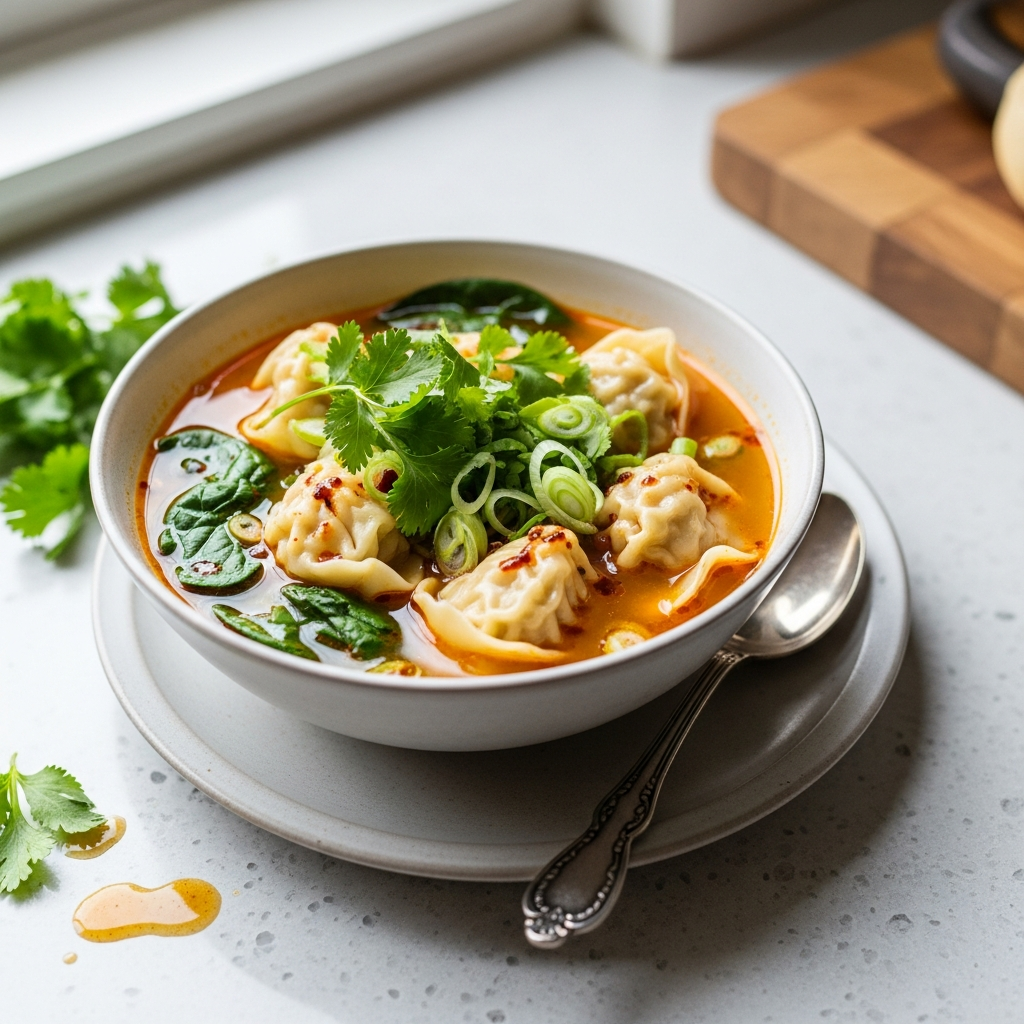
The first time I ever had real, honest to goodness won ton soup, it wasn’t at a fancy restaurant. It was on a chilly, rainy afternoon in a tiny, hole in the wall spot my husband and I stumbled upon during a weekend trip. The air was thick with the smell of ginger and sesame, and watching the owner fold wontons with lightning speed was pure magic. That first spoonful of savory broth with a delicate, pork filled dumpling changed my whole perspective on soup.
It became my go to comfort food, the thing I craved when I needed a little warmth from the inside out. For years, I made the classic version at home, tinkering with the filling until it was just right. Then, one fall afternoon, I had a bowl of leftover roasted kabocha squash puree sitting in the fridge. On a whim, I whisked a little into the simmering broth.
Y’all, it was a revelation. The squash added a subtle, velvety sweetness and a gorgeous golden hue that transformed the soup from simply delicious to absolutely unforgettable. This isn’t just any won ton soup. It’s a cozy, autumn inspired twist that takes a beloved classic and makes it my own special creation. It’s the version that gets requested for every holiday and every sick day, and I am so excited to share it with you.
Why This Won Ton Soup Recipe Works
Won ton soup is a cornerstone of Chinese cuisine, with a history that stretches back centuries. Traditionally, it consists of delicate dumplings, or wontons, filled with minced pork, shrimp, or a combination, served in a light, clear broth. Its popularity comes from its deeply comforting nature. It’s a dish that feels both simple and complex, satisfying on a fundamental level.
The classic version is, without a doubt, a masterpiece. The savory filling of the wontons plays perfectly against a clean, aromatic broth, often flavored with ginger, white pepper, and scallions. It’s a balanced and beautiful soup that has warmed hearts and bellies around the world for generations. But you know me, I can never leave well enough alone. I love to find that one little thing that makes a recipe sing a whole new tune.
My secret ingredient, kabocha squash puree, is what makes this won ton soup recipe truly special. It doesn’t overpower the classic flavors. Instead, it enhances them. The squash melts into the chicken broth, giving it a luxurious, silky body and a hint of earthy sweetness. This sweetness is a beautiful counterpoint to the savory, umami packed wonton filling.
Think of it like this, the gentle sweetness from the squash rounds out the sharp notes from the ginger and the saltiness of the soy sauce, creating a broth that is incredibly smooth and complex. It also gives the soup a beautiful, warm golden color that just looks like comfort in a bowl. It’s a little bit of Southern autumn stirred right into an Asian classic, and that fusion is what makes every spoonful so incredibly delicious and memorable.
Ingredients for Won Ton Soup
The heart of any great won ton soup is quality ingredients. For the wontons themselves, we’re creating a classic, savory filling that’s packed with flavor. The broth, however, is where my special touch comes in. Here’s what you’ll need to bring this incredible soup to life.
Our star ingredient is the kabocha squash puree. This Japanese squash has a flavor that’s a cross between a sweet potato and a pumpkin, with a wonderfully dense, non-stringy texture. You can make your own by roasting a kabocha squash until tender and pureeing the flesh, or you can often find canned puree for convenience. Its natural sweetness is the key to our unique broth.
For the wonton filling, the combination of ground pork and finely chopped shrimp is a classic for a reason. The pork provides richness and fat, while the shrimp adds a delicate sweetness and a pleasant textural contrast. Using good quality, fresh ingredients here will make a noticeable difference in the final taste of your dumplings.
For the Wontons:
- 1 lb ground pork
- ½ lb shrimp, peeled, deveined, and finely chopped
- 4 dried shiitake mushrooms, rehydrated, stems removed, and finely chopped
- 3 green onions, finely chopped
- 1 tablespoon fresh ginger, grated
- 1 tablespoon soy sauce
- 2 teaspoons sesame oil
- ½ teaspoon white pepper
- 1 package square wonton wrappers
- A small bowl of water for sealing
For the Kabocha Squash Broth:
- 8 cups chicken or vegetable broth
- 1 cup kabocha squash puree (canned or homemade)
- 4 slices fresh ginger
- 2 cloves garlic, smashed
- 2 green onions, white and light green parts only, cut into 2-inch pieces
- 1 tablespoon soy sauce
- 1 teaspoon sesame oil
- Salt and white pepper to taste
For Serving:
- 2 cups fresh spinach or baby bok choy
- Chopped fresh cilantro
- Sliced green onions
- Chili oil (optional)
Step-by-Step Instructions For Making Won Ton Soup
Making wontons from scratch might seem intimidating, but I promise it’s a wonderfully relaxing process. Just put on some good music, get your station set up, and enjoy the rhythm of folding these little parcels of flavor. We’ll tackle this in a few simple stages: making the filling, folding the wontons, simmering the broth, and putting it all together.
Step 1: Prepare the Wonton Filling
In a large mixing bowl, we’ll start by building the heart of our wontons. Add the ground pork, finely chopped shrimp, rehydrated and chopped shiitake mushrooms, green onions, grated ginger, soy sauce, sesame oil, and white pepper. Using your hands or a sturdy spoon, mix everything together until it’s just combined. You don’t want to overwork the mixture, as that can make the filling tough. The goal is a cohesive blend where every ingredient is evenly distributed.
Step 2: Assemble the Wontons
This is the fun part! Set up an assembly line with your bowl of filling, your stack of wonton wrappers, and a small bowl of water. Place a single wrapper on your work surface like a diamond. Spoon about a teaspoon of filling into the center. Dip your finger in the water and trace it along two adjacent edges of the wrapper. Fold the dry half over the filling to meet the wet edges, forming a triangle. Press down firmly to seal, pushing out any air bubbles as you go. Now, dab a tiny bit of water on one of the bottom corners of the triangle. Bring the other corner over to meet it, overlapping them slightly, and press to seal. Voila! You have a beautiful little wonton. Place it on a parchment lined baking sheet and cover with a damp towel while you repeat the process.
Step 3: Make the Kabocha Squash Broth
In a large Dutch oven or stockpot, combine the chicken broth, kabocha squash puree, fresh ginger slices, smashed garlic cloves, and the larger pieces of green onion. Whisk everything together to ensure the squash puree dissolves into the broth. Bring this mixture to a lively simmer over medium-high heat. Once it starts bubbling, reduce the heat to low, pop a lid on, and let it gently infuse for at least 20 minutes. This simmering time is crucial for marrying all those aromatic flavors together.
Step 4: Strain and Season the Broth
After the broth has had time to develop its flavor, we need to strain out the aromatics to create a smooth, silky soup. Place a fine-mesh sieve over another large pot and carefully pour the broth through it. This will catch the ginger, garlic, and green onions, leaving you with a beautifully smooth, golden liquid. Stir in the soy sauce and sesame oil. Give it a taste and season with salt and white pepper as needed. Keep this finished broth warm over low heat.
Step 5: Cook the Wontons
A key tip for perfect wonton soup is to cook the wontons separately from the broth. This keeps the broth clear and beautiful and prevents the wontons from getting gummy. Bring a large pot of salted water to a rolling boil. Gently drop the wontons into the water, giving them a quick stir to prevent sticking. Cook them in batches if you need to, so they have plenty of room to swim. They’re done when they float to the surface and the filling is cooked through, which usually takes about 3 to 5 minutes.
Step 6: Finish and Serve
Now we bring it all together. Just before you’re ready to serve, add the fresh spinach or baby bok choy to your simmering kabocha broth. It only needs a minute or two to wilt perfectly. Use a slotted spoon to transfer the cooked wontons from the boiling water directly into your serving bowls. Ladle the hot, golden broth and wilted greens over the wontons. Garnish generously with fresh cilantro, sliced green onions, and a little drizzle of chili oil if you like a bit of heat. Serve immediately and enjoy that first perfect spoonful.
How To Serve Won Ton Soup
Serving this won ton soup is all about creating a beautiful, comforting bowl that hits all the right notes. The presentation is part of the experience, turning a simple meal into something truly special. I like to use wide, shallow bowls that show off the gorgeous golden broth and all the delicious components swimming within.
The final garnishes are not just for looks, they add critical layers of fresh flavor and texture. Don’t be shy with them! A generous sprinkle of bright green cilantro and sharp, thinly sliced green onions cuts through the richness of the broth and filling. For those who enjoy a little kick, a drizzle of chili oil or chili crisp is practically a necessity. The spicy, savory oil blooming on the surface of the soup is just heavenly.
While this soup is a complete meal on its own, you can certainly serve it with a few light accompaniments to round out the table. Here are a few of my favorite ways to serve it:
- As a Standalone Meal: For a hearty lunch or dinner, a generous bowl of this soup is more than enough. I typically serve about 8 to 10 wontons per person for a filling main course.
- With Steamed Rice: A small bowl of fluffy, steamed white rice on the side is perfect for soaking up any last drops of that incredible kabocha squash broth.
- With a Side Salad: A simple, crisp Asian cucumber salad dressed with rice vinegar and sesame oil provides a cool, refreshing contrast to the warm soup.
- As Part of a Larger Spread: If you’re hosting, you can serve smaller portions of this won ton soup as a first course, followed by main dishes like spring rolls, fried rice, or a stir fry.
However you choose to serve it, the most important thing is to enjoy it while it’s piping hot. The warmth of the broth, the tenderness of the wontons, and the freshness of the garnishes all come together to create a truly wonderful dining experience.
How To Store & Reuse Won Ton Soup Leftovers
One of the best things about making a big batch of won ton soup is having leftovers for the next day. There’s nothing better than knowing a delicious, comforting meal is waiting for you in the fridge. However, storing it properly is key to making sure it tastes just as good the second time around.
The cardinal rule of storing leftover won ton soup is to store the wontons and the broth separately. If you leave the wontons sitting in the broth overnight, they will absorb too much liquid, becoming soft, swollen, and sadly mushy. The wrappers can even start to disintegrate. By keeping them apart, you ensure both components stay perfect.
Here’s the best way to handle your delicious leftovers for maximum enjoyment:
- Storing the Broth: Allow the kabocha squash broth to cool down slightly before transferring it to an airtight container. It will keep beautifully in the refrigerator for up to 4 days. You can also freeze the broth for up to 3 months for a quick soup base later on.
- Storing the Wontons: Once the cooked wontons have cooled, you can store them in a separate airtight container in the fridge. To prevent them from sticking together, you can toss them with a tiny drizzle of sesame oil before storing. They will last for about 2 to 3 days.
- Reheating: To reheat, bring the broth to a gentle simmer in a pot on the stovetop. Once the broth is hot, you can add the cold, cooked wontons directly to the pot. Let them simmer for just a couple of minutes, until they are heated through. This method is much better than microwaving, which can make the wonton wrappers rubbery.
- Reusing the Broth: The leftover kabocha squash broth is liquid gold! If you run out of wontons, you can use the broth as a base for a quick noodle soup. Just add some cooked ramen or udon noodles, some protein like leftover chicken, and fresh vegetables for another fantastic meal.
By following these simple steps, your leftover won ton soup will be a treat you look forward to, not a sad, soggy shadow of its former glory. It makes the effort of making a big batch completely worth it.
Substitutions & Variations For Won Ton Soup
While I absolutely adore this recipe just as it is, one of the joys of home cooking is making a dish your own. This won ton soup is wonderfully versatile, and there are plenty of ways to tweak it to suit your taste, your dietary needs, or simply what you have on hand in the kitchen.
The filling is a great place to start experimenting. The pork and shrimp combination is classic, but you can easily swap the proteins. Ground chicken or turkey are fantastic leaner alternatives to pork. For a vegetarian version, a filling made from finely crumbled firm tofu, chopped mushrooms, carrots, and cabbage is absolutely delicious. Just be sure to press the tofu well to remove excess water.
The broth is another area ripe for customization. If you can’t find kabocha squash, butternut squash or even sweet potato puree can work in a pinch, though the flavor profile will be slightly different. Feel free to add other aromatics to the broth, like a star anise pod or a few white peppercorns, for extra depth. Here are a few more ideas to get you started:
- Make it Gluten-Free: The broth and filling are naturally gluten-free, so the only swap you need to make is the wonton wrappers. Look for gluten-free wonton wrappers in the freezer section of well-stocked grocery stores or Asian markets.
- Add More Veggies: Feel free to bulk up the soup with more vegetables. Sliced mushrooms, julienned carrots, or corn kernels can be added to the broth along with the spinach or bok choy.
- Make it Spicy: If you want to build heat right into the soup, add a pinch of red pepper flakes or a spoonful of your favorite chili-garlic sauce to the broth as it simmers. You can also add a finely minced chili to the wonton filling for an extra kick.
- Different Dumpling Folds: Don’t feel locked into the one wonton fold I described. There are dozens of ways to fold wontons! Look up videos for the “nurse’s cap” fold or a simple “money bag” pinch for fun alternatives. It’s a great activity to do with kids.
Don’t be afraid to play with the flavors and make this won ton soup recipe a new family favorite that’s perfectly tailored to your table. The foundation is solid, so you can build upon it with confidence.
Julie’s Signature Won Ton Soup with a Kabocha Squash Twist
Description: A comforting, classic won ton soup with a modern Southern twist. A silky, golden broth infused with sweet kabocha squash puree makes this recipe an unforgettable main course perfect for chilly evenings.
Yield: 6-8 servings | Category: Soup | Cuisine: Asian-Inspired
Prep Time: 45 minutes | Cook Time: 30 minutes
Ingredients
- For the Wontons: 1 lb ground pork, ½ lb shrimp (chopped), 4 dried shiitake mushrooms (rehydrated & chopped), 3 green onions (chopped), 1 tbsp fresh ginger (grated), 1 tbsp soy sauce, 2 tsp sesame oil, ½ tsp white pepper, 1 package square wonton wrappers, water for sealing.
- For the Broth: 8 cups chicken broth, 1 cup kabocha squash puree, 4 slices fresh ginger, 2 cloves garlic (smashed), 2 green onions (in 2-inch pieces), 1 tbsp soy sauce, 1 tsp sesame oil, salt and white pepper to taste.
- For Serving: 2 cups fresh spinach or baby bok choy, chopped fresh cilantro, sliced green onions, chili oil (optional).
Instructions
- Make Filling: In a large bowl, combine all wonton filling ingredients (pork through white pepper). Mix until just combined.
- Assemble Wontons: Place 1 tsp of filling in the center of a wonton wrapper. Moisten edges with water, fold into a triangle, and press to seal. Bring bottom corners together and press to seal. Repeat.
- Make Broth: In a large pot, combine chicken broth, kabocha puree, ginger, garlic, and large green onion pieces. Bring to a simmer, then reduce heat, cover, and let simmer for 20 minutes.
- Strain & Season Broth: Strain the broth through a fine-mesh sieve into another pot. Discard solids. Stir in soy sauce and sesame oil. Season with salt and pepper to taste. Keep warm.
- Cook Wontons: Bring a separate large pot of salted water to a boil. Cook wontons in batches for 3-5 minutes, until they float.
- Serve: Wilt spinach or bok choy in the warm broth. Use a slotted spoon to transfer cooked wontons to serving bowls. Ladle the hot broth and greens over the wontons. Garnish with cilantro, green onions, and chili oil.
Notes
Cook the wontons separately from the broth to keep the broth clear and prevent the wontons from getting mushy. Store leftover wontons and broth in separate airtight containers in the refrigerator.
Servings: 6 | Calories: 450 kcal | Fat: 22g | Carbohydrates: 35g | Protein: 28g
5 FAQs About Won Ton Soup
Here are some straightforward answers to the most common questions I receive about this won ton soup recipe. I hope these help you feel completely confident when you head into the kitchen!
Can I make this won ton soup ahead of time?
Absolutely! This is a fantastic recipe to prep in advance, which makes it perfect for a weeknight meal or for entertaining. The best way to do this is to prepare the components separately. You can make the entire batch of wontons and freeze them for later use. To do this, assemble all the wontons and place them in a single layer on a parchment-lined baking sheet. Make sure they are not touching. Freeze them solid, for about 1 to 2 hours, and then you can transfer the frozen wontons to a freezer-safe bag or container. They will last for up to 3 months in the freezer. Best of all, you can cook them directly from frozen, just add about 2 to 3 extra minutes to the boiling time.
The kabocha squash broth can also be made ahead of time. Prepare it completely, strain it, and season it. Once it has cooled, store it in an airtight container in the refrigerator for up to 4 days or in the freezer for up to 3 months. When you’re ready to eat, simply reheat the broth on the stove, boil your fresh or frozen wontons in a separate pot of water, and assemble your bowls. It makes for a truly impressive meal that comes together in under 15 minutes on the day of serving.
What is the difference between wontons and dumplings?
This is a great question that can be a little confusing! The easiest way to think about it is that a wonton is a specific type of dumpling, but not all dumplings are wontons. “Dumpling” is a very broad term that refers to any small piece of dough, often wrapped around a filling. This category includes everything from Italian ravioli and Polish pierogi to Japanese gyoza and Chinese potstickers.
Wontons are a specific type of Chinese dumpling characterized by their very thin, square wrappers. They are typically filled with a savory mixture of pork, shrimp, or other ingredients. The way they are cooked also often sets them apart. While many dumplings are pan-fried or steamed, wontons are most famously served boiled in a light, flavorful soup, as we’re doing in this won ton soup recipe. Of course, they can also be deep-fried and served as a crispy appetizer, often with a sweet and sour dipping sauce.
Why are my wontons falling apart when I cook them?
Oh, this is the most frustrating thing! There are a few common culprits when wontons decide to burst in the pot. The most likely reason is that they weren’t sealed properly. When you’re folding them, it’s critical to press firmly along the edges to create a tight seal and, just as importantly, to press out any trapped air bubbles. Air trapped inside the wonton will expand when it hits the hot water, and that pressure can cause the wrapper to tear open.
Another reason could be overfilling. It’s tempting to want a nice, plump wonton, but if you put too much filling inside, it becomes very difficult to get a good seal on the delicate wrapper. A small teaspoon of filling is all you need. Finally, be gentle when you add them to the boiling water and give them a quick, gentle stir to prevent them from sticking to the bottom of the pot. A rolling, aggressive boil can also be too rough on them, so a strong but steady boil is best.
What is the best way to rehydrate dried shiitake mushrooms for won ton soup?
Rehydrating dried shiitake mushrooms is a simple but important step for unlocking their intense, earthy flavor. My favorite method is to place the dried mushrooms in a heatproof bowl and cover them completely with boiling water. Place a small plate or lid on top of the bowl to keep the mushrooms submerged, as they tend to float. Let them soak for about 20 to 30 minutes, or until they are fully pliable and softened.
Once they are rehydrated, gently squeeze out the excess water and pat them dry. Don’t throw out that mushroom-soaking liquid! It’s packed with umami flavor. You can strain it through a fine-mesh sieve or a coffee filter to remove any grit and add a splash of it to your wonton soup broth for an extra layer of savory depth. After they’re rehydrated and patted dry, simply trim off and discard the tough stems before finely chopping the caps for your filling.
Can I make a vegetarian version of this won ton soup?
Yes, and it is absolutely delicious! Making this won ton soup vegetarian is very straightforward. For the broth, simply substitute the chicken broth with a high-quality vegetable broth. The kabocha squash, ginger, garlic, and soy sauce will still create a wonderfully rich and flavorful base. You won’t miss the chicken broth at all, I promise.
For the wonton filling, you have so many options. My go-to vegetarian filling is a mix of crumbled extra-firm tofu, the rehydrated shiitake mushrooms, finely chopped carrots, and a bit of shredded napa cabbage. To bind it all together and add flavor, I still use the green onions, ginger, soy sauce, and sesame oil. Just make sure to press the tofu very well to remove as much water as possible so your filling doesn’t become soggy. The result is a wonton that is just as savory and satisfying as its meat-filled counterpart.
Try These Recipes Next
If you loved the process of making these delicious wontons, I have a few other recipes that I think you’ll really enjoy trying next.
- Spinach Artichoke Wontons – All the creamy, cheesy goodness of your favorite dip packed into a crispy, fried wonton wrapper. They’re the ultimate party appetizer!
- Simple Egg Drop Soup – The perfect companion to any Asian-inspired meal. This soup is lightning-fast to make and so incredibly comforting.
- Curry Crab Rangoon – A fun twist on a takeout classic. The addition of curry powder to the creamy crab filling takes these to a whole new level of delicious.
I hope these recipes bring a little extra joy and flavor to your kitchen table!