
Miso Makes This the Ultimate Chicken Noodle Soup Recipe
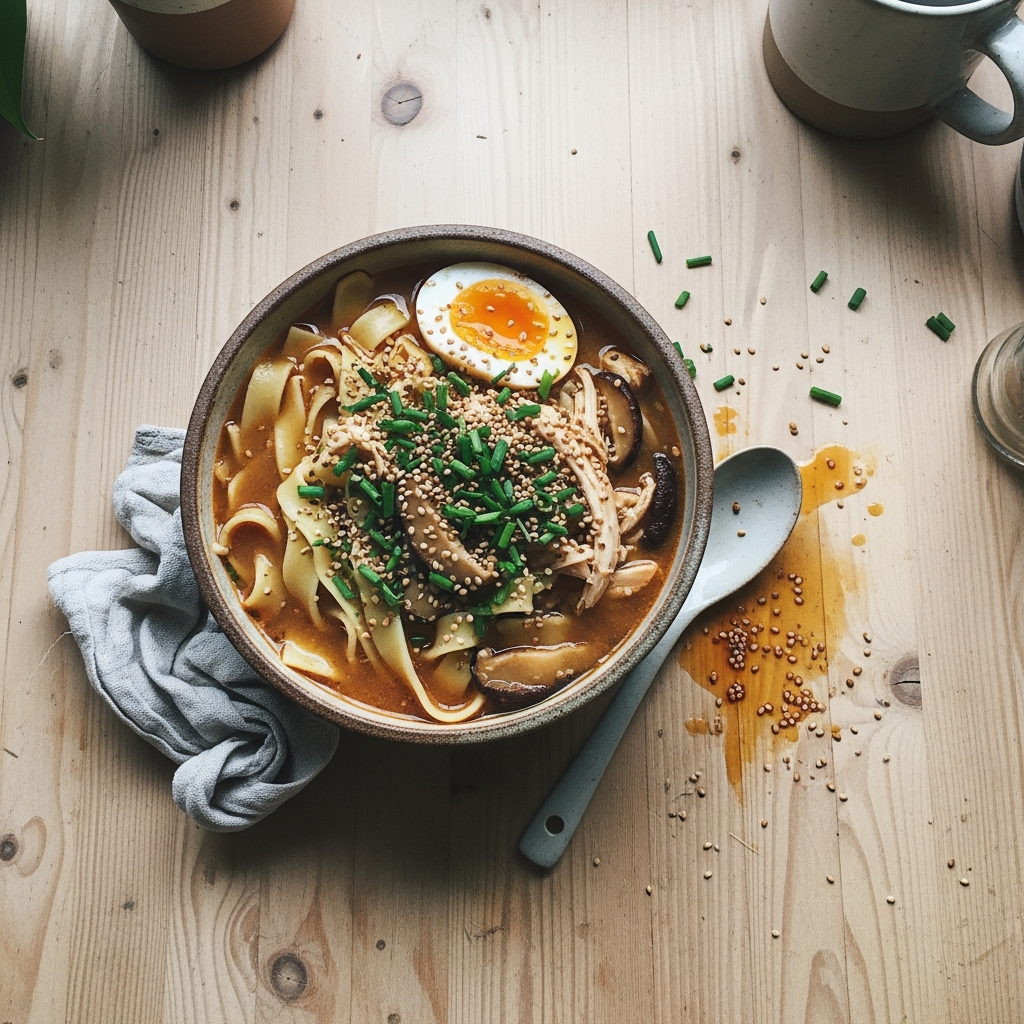
There are some days that just call for a big, comforting bowl of chicken noodle soup. You know the ones. Gray skies, a little bit of a chill in the air, maybe the sniffles are starting to creep in. It’s the culinary equivalent of a warm hug from your grandma, and for years, that’s exactly what I’d make.
But a few years back, my husband and I got really into exploring the amazing ramen shops that started popping up around town. The broths were so deep, so savory, and so incredibly satisfying. One rainy Tuesday, I was torn. I wanted the classic comfort of chicken noodle, but I was craving that rich, umami flavor from our favorite noodle bar.
That’s when the lightbulb went off. Why not both?
I started experimenting, taking the soul of a classic chicken noodle and weaving in some of those incredible Japanese flavors. It started with miso paste, which added a salty, savory depth that was just incredible. Then, instead of just using plain butter, I browned it first. The nutty, toasted aroma filled my kitchen and completely transformed the soup’s base. This Brown Butter Miso Chicken Noodle Soup was born. It’s the perfect bowl of soup noodles for when you need comfort, but you’re also craving something with a little extra sparkle. It’s my go-to when I want to impress without spending all day in the kitchen.
The final touch, my little secret twist, is a generous sprinkle of toasted sesame seeds right before serving. It adds a nutty crunch that makes every single bite an absolute delight.
Why This Soup Noodles Recipe Works
At its heart, chicken noodle soup is a classic for a reason. It’s been a staple in American kitchens for generations, synonymous with comfort, care, and getting well soon. The simple combination of a savory broth, tender chicken, soft vegetables, and slurpy noodles is a formula that just plain works. It’s nostalgic and deeply satisfying. This recipe honors that tradition, keeping the familiar and beloved core of a classic chicken soup.
But we’re elevating it from a simple sick-day meal to a dish you’ll crave any night of the week. The magic starts with the brown butter. By cooking the butter until the milk solids toast, we’re creating a complex, nutty flavor base that you just can’t get from regular melted butter or oil. This technique, known as beurre noisette in French cooking, instantly adds a layer of gourmet depth before you’ve even added the vegetables.
Next comes the miso paste. Miso is a fermented soybean paste that is a cornerstone of Japanese cuisine, and it’s a powerhouse of umami, that savory “fifth taste.” Stirring it into the broth adds an incredible, salty, and savory complexity that makes the chicken broth taste richer and more satisfying. It complements the chicken and vegetables beautifully without overpowering them.
And my special twist, the toasted sesame seeds, is the final touch that ties it all together. They provide a delightful textural contrast to the soft noodles and tender chicken. Their nutty flavor echoes the brown butter, creating a harmonious and truly memorable bowl of soup noodles. This recipe works because it takes a beloved classic and introduces new layers of flavor and texture that make it feel both familiar and excitingly new.
Ingredients for Soup Noodles
What I love about this recipe is how it uses mostly familiar, easy-to-find ingredients but combines them in a way that feels special. Here’s what you’ll need to get this pot of goodness simmering on your stove.
- 2 tablespoons unsalted butter: We’re browning this, so using unsalted gives you full control over the saltiness of the final dish. The quality of the butter can make a difference in the nutty flavor, so use one you enjoy.
- 1 large yellow onion, chopped: This forms the aromatic base of our soup, providing a sweet and savory foundation.
- 2 medium carrots, sliced into coins: For that classic color, sweetness, and a bit of texture.
- 2 celery stalks, sliced: Celery adds a fresh, slightly peppery note that balances the richness.
- 3 cloves garlic, minced: You can never have too much garlic, in my opinion. It adds a pungent, aromatic kick.
- 1 inch ginger, freshly grated: Fresh ginger is key here. It adds a wonderful warmth and zing that pairs perfectly with the miso and soy.
- 8 cups high-quality chicken broth: The broth is the soul of any soup noodles recipe. A high-quality store-bought broth or, even better, homemade stock will make a huge difference in the final flavor.
- 1 pound cooked chicken, shredded: A store-bought rotisserie chicken is my favorite shortcut for this. It’s flavorful, tender, and saves so much time.
- 6 ounces wide egg noodles: These are classic for a reason. They’re hearty and hold up well in the broth without getting too mushy.
- 3 tablespoons white or yellow miso paste: White (shiro) miso is milder and slightly sweet, while yellow (shinshu) is a bit saltier. Either one works beautifully in this recipe. Find it in the refrigerated section of most grocery stores.
- 1 tablespoon soy sauce: This enhances the umami from the miso and adds a deeper salty flavor.
- 1 cup sliced shiitake mushrooms: Shiitakes have a meaty texture and an earthy, savory flavor that really complements the broth.
- Twist Ingredient: 1/4 cup toasted sesame seeds for garnish: This is my secret weapon. Do not skip this! The nutty crunch is absolutely essential for the full experience.
- Freshly chopped chives or scallions for garnish: For a pop of fresh, oniony flavor and color.
- Soft-boiled eggs, halved (optional, for serving): A jammy soft-boiled egg takes this soup to the next level, reminiscent of a bowl of ramen.
Step-by-Step Instructions For Making Soup Noodles
This recipe comes together in one pot, making it perfect for a weeknight. Just follow these steps, and you’ll have a steaming bowl of incredible soup noodles in no time. I recommend using a heavy-bottomed pot or a Dutch oven for even heat distribution, which is especially important for browning the butter.
1. Brown the Butter
Place your large pot or Dutch oven over medium heat. Add the two tablespoons of unsalted butter. Let it melt completely, then continue to cook, swirling the pot occasionally so it heats evenly. You’ll see it foam up, and then the foam will subside. Keep a close eye on it. Soon, you’ll see little brown specks forming at the bottom and smell a wonderfully nutty aroma. This should take about 3 to 5 minutes. The moment you see those brown bits and smell that nutty fragrance, you’re ready for the next step. Don’t walk away, as it can go from perfectly browned to burnt in a matter of seconds.
2. Sauté the Aromatics
Immediately add the chopped onion, sliced carrots, and celery to the pot of hot brown butter. The vegetables will sizzle and stop the butter from cooking further. Stir everything well to coat it in that glorious butter. Sauté for 6 to 8 minutes, stirring occasionally, until the vegetables have softened and the onion is translucent. This step builds the first layer of flavor for our soup.
3. Add Garlic and Ginger
Stir in the minced garlic and freshly grated ginger. Cook for just one more minute, stirring constantly, until they become very fragrant. You don’t want to brown the garlic, as it can become bitter, so just a minute is perfect to release its aromatic oils.
4. Simmer the Broth
Pour in the 8 cups of chicken broth. Add the sliced shiitake mushrooms as well. Bring the whole mixture to a simmer over medium-high heat. Once it’s simmering, reduce the heat to low, cover the pot, and let it gently simmer for at least 20 minutes. This is a crucial step for letting all those beautiful flavors from the brown butter and aromatics meld into the broth.
5. Prepare the Miso
While the soup simmers, prepare the miso. In a small bowl, add the 3 tablespoons of miso paste and 1 tablespoon of soy sauce. Ladle about half a cup of the hot broth from the pot into the bowl. Whisk everything together until the miso is completely dissolved and you have a smooth mixture. This process is called tempering, and it prevents the miso from clumping when you add it to the main pot.
6. Cook the Noodles
Uncover the soup and bring the heat back up to a boil. Add the 6 ounces of dry egg noodles directly to the pot. Cook according to the package directions, or until they reach al dente. They’ll continue to soften a bit in the hot broth as it sits.
7. Finish the Soup
Once the noodles are cooked, turn off the heat completely. It’s important to do this before adding the miso, as boiling can diminish its flavor and beneficial properties. Stir in the shredded chicken and the smooth miso mixture. Keep stirring until the chicken is warmed through and the miso broth is fully incorporated.
8. Serve and Garnish
Ladle the hot soup into bowls. Now for the best part. Garnish each bowl generously with the toasted sesame seeds, a sprinkle of fresh chives or scallions, and a halved soft-boiled egg if you’re using one. Serve immediately and enjoy that incredible aroma.
How To Serve Soup Noodles
Serving this Brown Butter Miso Chicken Noodle Soup is all about the presentation and the toppings. I like to think of the soup as a canvas, and the garnishes are where you can really let your personality shine. A beautiful presentation makes the meal feel that much more special, even on a regular weeknight.
For a cozy, family-style meal, I serve the soup straight from the Dutch oven at the table. I set out little bowls with all the garnishes so everyone can customize their own bowl. It’s interactive and fun, especially for kids. A big bowl of these soup noodles is truly a complete meal in itself, packed with protein, carbs, and vegetables.
Here are a few of my favorite ways to garnish and serve:
- The Essential Crunch: The toasted sesame seeds are non-negotiable in my house. They add a nutty flavor and a fantastic textural pop that complements the soft noodles.
- Add Some Green: Freshly chopped chives or the green parts of scallions add a mild, fresh oniony bite and a beautiful splash of color. Finely chopped cilantro or parsley can also work if you prefer.
- The Jammy Egg: A soft-boiled egg, with its rich, jammy yolk, is the ultimate finishing touch. The creamy yolk melts into the hot broth, making it even more luxurious. I usually aim for a 6 or 7-minute boil for the perfect consistency.
- A Little Heat: For those who like a kick, a drizzle of chili oil or a sprinkle of red pepper flakes adds a wonderful warmth that cuts through the richness of the broth.
- Extra Umami: A few drops of sesame oil or some crispy fried shallots or garlic can add another layer of savory flavor and texture.
You don’t need much on the side, but some warm, crusty bread for dipping into that incredible broth is never a bad idea. Or, for a lighter pairing, a simple side salad with a ginger dressing would be lovely.
How To Store & Reuse Soup Noodles Leftovers
While this Brown Butter Miso Chicken Noodle Soup is absolutely best when enjoyed fresh, leftovers can still be delicious with a few simple tricks. The biggest challenge with leftover soup noodles is that the noodles continue to absorb the broth, which can make them soft and expand. But don’t you worry, I have some solutions for that.
The best way to store leftovers is to separate the components if possible. If you anticipate having leftovers before you even cook the noodles, the ideal method is to cook the noodles separately and store them apart from the broth. Toss the cooked noodles with a tiny bit of oil to prevent sticking, and store them in an airtight container in the fridge. Store the broth in another airtight container.
If you’ve already combined everything, that’s okay too. Here’s how to handle it:
- Refrigerating: Allow the soup to cool down slightly before transferring it to an airtight container. It will keep well in the refrigerator for up to 3 days. Be aware that the noodles will soften and absorb a good amount of the broth overnight.
- Reheating: To reheat, gently warm the soup in a saucepan over medium-low heat until it’s hot. Avoid boiling it, as this can make the chicken tough and further break down the noodles. You will likely need to add an extra splash of chicken broth or water to thin it out, as the noodles will have soaked up a lot of the liquid.
- Freshening It Up: When you reheat the soup, be sure to liven it up with fresh garnishes. A new sprinkle of toasted sesame seeds, fresh chives, and maybe even another soft-boiled egg will make your leftovers taste almost as good as the first day.
I don’t recommend freezing this soup once the noodles have been added. Egg noodles can become very mushy and break apart after being frozen and thawed. However, you can absolutely make the broth base (up to step 4) and freeze that for up to 3 months. Then, when you’re ready for a quick meal, just thaw the broth, bring it to a simmer, and proceed with cooking the noodles and adding the final ingredients.
Substitutions & Variations For Soup Noodles
One of the best things about a great soup noodles recipe is how adaptable it is. This version is my absolute favorite, but you can easily tweak it to suit your tastes or what you happen to have in your pantry. Don’t be afraid to play around and make it your own!
Whether you need to accommodate a dietary restriction or just feel like trying something new, these swaps and additions work beautifully.
- Noodle Swaps: While I love classic wide egg noodles, almost any noodle will work here. Try using ramen noodles, udon noodles, or even spiralized zucchini for a low-carb option. For a gluten-free version, use your favorite gluten-free pasta or rice noodles. Just be sure to adjust cooking times accordingly.
- Protein Variations: This soup is fantastic with leftover shredded turkey, especially after the holidays. You could also use shredded pork, or even add some pan-fried tofu or edamame for a vegetarian option. If using tofu, I recommend pressing firm tofu and pan-frying it until golden before adding it to the soup at the end.
- Vegetable Add-ins: Feel free to add more veggies to the pot. Sliced bok choy, spinach, or kale can be wilted in at the very end for extra greens. Corn, peas, or sliced bell peppers would also be delicious additions.
- Make it Spicy: If you love heat, add a teaspoon of chili garlic sauce or a dash of sriracha along with the garlic and ginger. You can also garnish with freshly sliced jalapeños.
- Make it Creamy: For a richer, creamier broth, you can stir in a splash of full-fat coconut milk or heavy cream at the very end, after you’ve turned off the heat.
- For a Vegetarian/Vegan Version: Swap the chicken broth for a high-quality vegetable broth and the chicken for pan-fried tofu or extra mushrooms. Ensure your miso paste is vegan (most are, but it’s good to check). Use a vegan butter substitute for browning, or simply use toasted sesame oil to sauté the vegetables for a similar nutty flavor.
The core of this recipe is the brown butter and miso broth. As long as you keep that fantastic flavor base, you can customize the other elements to your heart’s content.
Brown Butter Miso Chicken Noodle Soup
Description: A comforting classic with a twist. Nutty brown butter and savory miso create an incredibly deep and flavorful broth for this elevated chicken noodle soup, finished with a delightful crunch of toasted sesame seeds.
Yield: 6-8 servings | Category: Soup | Cuisine: American, Japanese Fusion
Prep Time: 15 minutes | Cook Time: 45 minutes
Ingredients
- 2 tablespoons unsalted butter
- 1 large yellow onion, chopped
- 2 medium carrots, sliced into coins
- 2 celery stalks, sliced
- 3 cloves garlic, minced
- 1 inch ginger, freshly grated
- 8 cups high-quality chicken broth
- 1 pound cooked chicken, shredded
- 6 ounces wide egg noodles
- 3 tablespoons white or yellow miso paste
- 1 tablespoon soy sauce
- 1 cup sliced shiitake mushrooms
- 1/4 cup toasted sesame seeds for garnish
- Freshly chopped chives or scallions for garnish
- Soft-boiled eggs, halved (optional, for serving)
Instructions
- In a large pot over medium heat, cook butter until milk solids turn brown and it smells nutty, about 3-5 minutes.
- Add onion, carrots, and celery; sauté for 6-8 minutes until softened. Stir in garlic and ginger and cook for 1 minute.
- Pour in chicken broth and add shiitake mushrooms. Bring to a simmer, then cover and cook on low for 20 minutes.
- In a small bowl, whisk miso paste and soy sauce with 1/2 cup of hot broth until smooth.
- Bring soup back to a boil, add egg noodles, and cook according to package directions.
- Turn off the heat. Stir in the shredded chicken and the miso mixture until heated through.
- Ladle into bowls and garnish with toasted sesame seeds, chives, and soft-boiled egg, if desired.
Notes
Using a store-bought rotisserie chicken is a great time-saver. Don’t add the miso mixture while the soup is boiling, as high heat can diminish its flavor.
Servings: 6 | Calories: 385 | Fat: 15g | Carbohydrates: 32g | Protein: 30g
5 FAQs About Soup Noodles
Here are some straightforward answers to the most common questions I receive about this Brown Butter Miso Chicken Soup Noodles recipe.
What makes these brown butter miso soup noodles different from regular chicken noodle soup?
That is an excellent question, and it really gets to the heart of what makes this recipe so special. While a traditional chicken noodle soup is comforting and delicious, this version introduces two key ingredients that create a much deeper, more complex flavor profile. The first is brown butter. Instead of just melting the butter or using oil to sauté the vegetables, we take a few extra minutes to toast the milk solids in the butter. This simple step creates a rich, nutty, and almost caramel-like aroma and flavor that infuses the entire soup from the very beginning. It adds a layer of warmth and sophistication that you just don’t get in the classic version.
The second game-changing ingredient is the miso paste. Miso adds a profound savory quality known as umami. It’s a salty, funky, and deeply satisfying flavor that makes the chicken broth taste richer and more robust. When combined with the brown butter, it creates a broth that is incredibly savory and addictive. The addition of ginger, shiitake mushrooms, and soy sauce further pushes it into that wonderful fusion territory between a comforting American classic and a savory Japanese noodle bowl. So, while it still has all the comforting elements you love, like tender chicken and soft egg noodles, the broth is on a completely different level of deliciousness.
Can I make these soup noodles ahead of time?
Yes, you can definitely do some prep ahead of time to make dinner even easier, but there’s a specific way I recommend doing it for the best results. The biggest issue with making noodle soup ahead of time is that the noodles continue to soak up the broth, becoming overly soft and mushy while the soup becomes thick and stew-like. To avoid this, I highly recommend making the soup base ahead of time but waiting to cook and add the noodles until you are ready to serve.
You can follow the recipe all the way through simmering the broth (step 4). At this point, you can cool the soup base and store it in an airtight container in the refrigerator for up to 3 days, or in the freezer for up to 3 months. When you’re ready to eat, simply bring the soup base back to a boil on the stovetop, add your noodles, and cook them until they are al dente. Then, turn off the heat and stir in your chicken and miso mixture as directed. This method ensures your noodles are perfectly cooked and your broth has the right consistency every single time. It’s a great strategy for meal prep.
What kind of noodles are best for this soup noodles recipe?
I wrote this recipe with wide egg noodles because they are the quintessential choice for American-style chicken noodle soup. Their texture is hearty and they have a rich, eggy flavor that works wonderfully with the savory broth. They hold their shape well and have a satisfying chew that makes the soup feel substantial and comforting. They are my personal favorite for this specific fusion recipe because they bridge the gap between classic chicken noodle and a more ramen-style dish.
However, that doesn’t mean they are the only option. This broth is so versatile that it pairs beautifully with many different types of noodles. For a more ramen-like experience, you could use fresh or dried ramen noodles. Udon noodles, which are thick and chewy, would also be a fantastic choice, making for an even heartier bowl. If you need a gluten-free option, long-grain rice noodles or soba noodles (make sure they are 100% buckwheat) would work well. The key is to cook whichever noodle you choose according to its package directions, ideally just until al dente, so it doesn’t get too soft in the hot soup.
How can I make these soup noodles vegetarian?
Making a delicious vegetarian version of these soup noodles is very easy to do. The flavorful broth is the star, and you can create a fantastic base without any meat. The first and most important swap is the broth. Use a high-quality, flavorful vegetable broth in place of the chicken broth. Look for one that has a deep, savory flavor, perhaps one with mushrooms or kombu, to really boost the umami from the start.
Next, you’ll replace the chicken. My favorite vegetarian protein for this soup is extra mushrooms and pan-fried tofu. I would double the amount of shiitake mushrooms and consider adding other varieties like cremini or oyster mushrooms for more texture. For the tofu, use firm or extra-firm. Press it to remove excess water, cube it, and pan-fry it in a separate skillet with a little soy sauce and sesame oil until it’s golden brown and crispy on the edges. Stir the cooked tofu into the soup at the very end, just as you would with the chicken. You could also use edamame or chickpeas for a simpler protein boost. Lastly, make sure you are using a vegan butter alternative to brown at the beginning to keep the recipe fully plant-based.
Why is my miso clumpy in the soup noodles?
This is a very common issue, so don’t feel bad if it happens. The reason miso can clump is that it’s a thick paste, and if you add it directly to a big pot of hot liquid, it doesn’t have a chance to dissolve evenly. It seizes up, and you’re left with little salty chunks floating around instead of a silky, cohesive broth. This is why the step of tempering the miso is so important, and it’s a technique you should use any time you’re adding miso to a soup or broth.
By taking a small amount of the hot broth out of the pot and whisking it with the miso in a separate, smaller bowl, you are creating a slurry. You are giving the miso paste a chance to dissolve gradually in a manageable amount of liquid. You can whisk it until it’s perfectly smooth with no lumps. Then, when you pour this smooth mixture back into the main pot, it will incorporate seamlessly into the rest of the soup. Another key tip is to always add the miso mixture at the very end, after you’ve turned off the heat. Boiling miso can not only alter its delicate flavor but can also kill some of the beneficial probiotic bacteria it contains. So, temper first, and add it off the heat for a perfect, non-clumpy broth every time.
Try These Recipes Next
If you loved the comforting and savory flavors of this soup, I know you’ll enjoy these other soupy, noodle-y creations from my kitchen.
- Ground Beef Ramen: A quick and incredibly flavorful ramen recipe that uses ground beef for a hearty, satisfying meal that’s on the table in under 30 minutes.
- Creamy Sausage Tortellini Soup: This one is pure comfort. Rich, creamy, and loaded with Italian sausage and cheesy tortellini, it’s a family favorite.
- Easy Ravioli Soup: A simple yet delicious soup that uses store-bought ravioli for a super fast and filling weeknight dinner.
I hope you enjoy making these recipes as much as my family and I enjoy eating them!