
This Creamy Hazelnut Soup Recipe Has a Savory Miso Secret
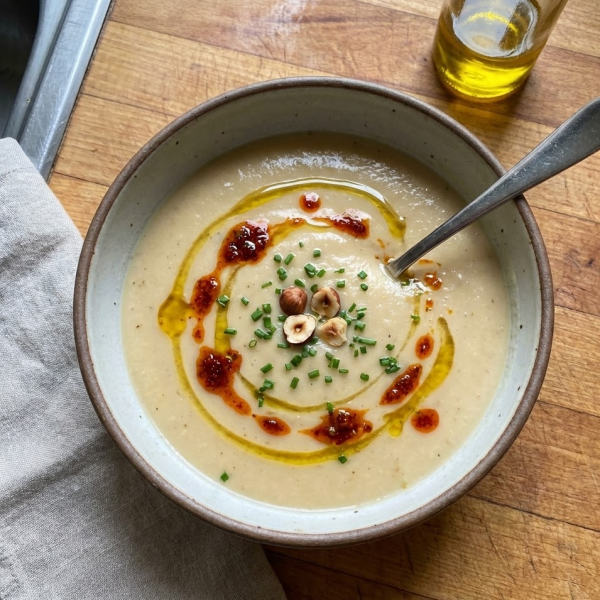
I’ll never forget the first time I had a truly elegant hazelnut soup. It was for my anniversary, and my sweet husband had taken me to one of those fancy, white-tablecloth restaurants where the menu descriptions are longer than a Sunday sermon. The soup arrived in a delicate little bowl, and it was pure velvet. It was rich, nutty, and completely divine, but I felt like it was missing just one little thing to make it truly memorable.
I came home determined to recreate that magic but with my own signature touch. I tried version after version in my own kitchen. The classic combination of roasted hazelnuts, parsnips, and cream was wonderful, but it needed a bit more depth, a savory note to balance all that richness.
That’s when I saw a tub of white miso paste in my refrigerator, leftover from a marinade I’d made. A little lightbulb went off. I whisked a spoonful into a small batch, and y’all, that was it. The miso added this incredible, subtle saltiness and a deep umami flavor that just made every other ingredient sing. This Roasted Hazelnut and Miso Soup is the result. It’s that fancy restaurant flavor, but with a surprising twist that makes it comforting, complex, and absolutely unforgettable.
It’s the kind of soup that makes you close your eyes for a second after the first spoonful.
Why This Hazelnut Soup Recipe Works
Creamy, nut-based soups have a long and storied history, tracing back to European kitchens centuries ago where they were seen as a luxurious and hearty dish. They have a natural elegance, relying on the rich, earthy flavor of nuts blended into a velvety purée. Traditionally, a hazelnut soup would lean on classic aromatics like shallots and garlic, root vegetables for sweetness and body, and a generous pour of cream for a decadent finish. It’s a beautiful, time-honored formula that creates a truly comforting meal.
This recipe honors that wonderful tradition but elevates it with one simple, game-changing ingredient, white miso paste. It’s the secret weapon that takes this soup from lovely to absolutely show-stopping. The miso, a fermented soybean paste, introduces a layer of savory, salty umami that is simply transformative. It cuts through the richness of the heavy cream and hazelnuts, preventing the soup from feeling too heavy. It also beautifully complements the natural sweetness of the parsnips, creating a much more complex and balanced flavor profile.
What you get is a soup that feels both familiar and excitingly new. The roasted hazelnuts provide a deep, nutty base. The parsnips and potato create a silky smooth texture. The thyme adds a hint of herbal brightness. Then the miso comes in and ties everything together, adding a savory depth that will have your guests asking for your secret. It’s a sophisticated twist that is surprisingly easy to incorporate, making this hazelnut soup recipe a reliable star for any occasion.
Ingredients for Hazelnut Soup
The magic of this soup comes from a handful of thoughtfully chosen ingredients that work together in perfect harmony. While the list might look simple, the quality of each component truly matters. Here is exactly what you will need to create this dish in your own kitchen.
- 1 ½ cups raw, shelled hazelnuts
- 2 tablespoons unsalted butter
- 2 large shallots, thinly sliced
- 2 cloves garlic, minced
- 3 medium parsnips, peeled and roughly chopped
- 1 large Russet potato, peeled and cubed
- 6 cups vegetable or chicken broth
- 1 tablespoon fresh thyme leaves
- 1 cup heavy cream
- 2 tablespoons white miso paste
- Salt and freshly ground black pepper to taste
- Toasted hazelnut oil, for garnish
- Spicy chili oil, for garnish
- Fresh chives, finely chopped, for garnish
The key to the whole recipe, the ingredient that provides my special twist, is the white miso paste. Also known as shiro miso, it’s the mildest and sweetest variety, fermented for a shorter time. It provides that essential umami depth without overpowering the delicate flavor of the hazelnuts. You can find it in the refrigerated section of most grocery stores, usually near the tofu.
For the best flavor, be sure to use raw, unsalted hazelnuts. Roasting them yourself just before making the soup awakens their oils and brings out a much richer, deeper nuttiness than you would get from pre-roasted nuts. Similarly, using a good quality vegetable or chicken broth will make a world of difference, as it forms the entire backbone of the soup’s flavor. And please, use real butter and heavy cream. Their richness is essential for creating that luxurious, velvety texture we’re after. This is a soup for indulging, after all!
Step-by-Step Instructions For Making Hazelnut Soup
This soup comes together in a few straightforward stages. Don’t be intimidated by the steps, each one is simple and builds flavor upon the last. Just follow along, and you’ll have a pot of liquid gold in no time.
Step 1: Toast and Prep the Hazelnuts
First things first, preheat your oven to 350°F. Spread your raw hazelnuts out on a baking sheet in a nice, even layer. You don’t want them crowded. Toast them for 10 to 12 minutes. Your nose is your best guide here. They’re ready when they smell wonderfully nutty and the skins start to blister and crack. While they’re still hot, pour them onto a clean dish towel, fold it over, and rub them together vigorously. This is the easiest way to remove those papery skins, which can be a bit bitter. Don’t stress about getting every last bit of skin off. A little bit is perfectly fine. Then, give them a coarse chop.
Step 2: Build Your Aromatic Base
In a large Dutch oven or a heavy-bottomed pot, melt your butter over medium heat. A heavy pot is great here because it distributes heat evenly and prevents scorching. Add your thinly sliced shallots and let them cook gently for about 5 to 7 minutes. You want them to get soft and translucent, not browned. Browning would introduce a bitter flavor we don’t want. Once the shallots are soft, stir in the minced garlic and fresh thyme leaves, cooking for just another minute until you can smell that beautiful fragrance.
Step 3: Simmer the Vegetables
Now it’s time to add the body of our soup. Add the chopped parsnips, the cubed potato, your chopped and toasted hazelnuts, and the broth to the pot. Give everything a good stir and bring the mixture to a boil. Once it’s bubbling, reduce the heat to low, pop a lid on top, and let it all simmer away for 20 to 25 minutes. The goal is to get the parsnips and potatoes so tender that they can be easily pierced with a fork. This ensures a super smooth purée later.
Step 4: Incorporate the Miso and Blend
Turn off the heat. Now for the secret ingredient. In a small separate bowl, scoop out your miso paste. Ladle a few tablespoons of the hot broth from the soup pot into the bowl and whisk it with the miso until it’s a smooth, clump-free slurry. This is called tempering, and it prevents the miso from clumping when you add it to the big pot. Pour the miso mixture back into the soup and stir. Now, using an immersion blender, carefully blend the soup right in the pot until it’s completely smooth. If you don’t have one, you can transfer the soup in batches to a regular blender, just be careful as hot liquid can expand.
Step 5: Finish with Cream and Season
Return your beautifully puréed soup to the stove over low heat. Gently stir in the heavy cream. You just want to heat the soup through. It’s very important not to let it boil after adding the cream and miso, as high heat can cause the cream to curdle and can diminish the miso’s delicate flavor. Finally, taste the soup and season it with salt and freshly ground black pepper. Go easy on the salt at first, as the miso and broth are already salty. Ladle into bowls, garnish as you wish, and serve hot.
How To Serve Hazelnut Soup
Serving this hazelnut soup is all about complementing its elegant and creamy character. The garnishes listed in the recipe are my absolute favorite way to finish it. A small drizzle of toasted hazelnut oil enhances the nutty flavor, a swirl of spicy chili oil provides a surprising and welcome kick of heat, and a sprinkle of fresh chives adds a bright, oniony bite and a pop of green color. It’s a trio that hits all the right notes.
This soup is sophisticated enough to be the star of a dinner party, served as a stunning first course. I love to ladle it into smaller bowls or even espresso cups for an elegant start to a holiday meal. It immediately lets your guests know they’re in for a treat. For a cozier, more casual meal, serve it as the main course in a big, comforting bowl. It’s incredibly satisfying on a chilly evening, especially when paired with some warm, crusty bread for dipping. A simple sourdough or a hearty multi-grain baguette is perfect for sopping up every last drop.
If you want to get even more creative with your presentation and pairings, here are a few other ideas I love.
- Add a Crispy Element: Top each bowl with some crumbled crispy prosciutto or bacon for a salty, crunchy contrast to the creamy soup. Toasted, seasoned croutons or crispy fried shallots would also be wonderful.
- Pair with a Salad or Sandwich: For a complete lunch or light dinner, serve this soup alongside a simple green salad with a sharp vinaigrette. It also pairs beautifully with a fancy grilled cheese sandwich, maybe one made with Gruyère and a thin slice of pear on rustic bread.
- Wine Pairing: If you’re serving wine, a crisp, dry white wine like a Sauvignon Blanc or an unoaked Chardonnay works beautifully. Their acidity cuts through the richness of the soup, cleansing the palate with each sip.
No matter how you choose to serve it, this soup is sure to impress. It’s a dish that feels special and comforting all at once, making it perfect for almost any occasion.
How To Store & Reuse Hazelnut Soup Leftovers
One of the things I appreciate about this hazelnut soup is that it stores quite well, which is a blessing for busy weeknights or for planning ahead for a party. Proper storage is key to making sure it tastes just as delicious the second time around. Once the soup has cooled down to room temperature, you can transfer it to an airtight container. It will keep beautifully in the refrigerator for up to four days.
I would advise against freezing this soup. Because it’s enriched with heavy cream, it has a tendency to separate or become grainy upon thawing. While it would still be edible, you would lose that signature silky, velvety texture that makes it so special. It’s best enjoyed within a few days of making it for the optimal taste and consistency.
When you’re ready to enjoy your leftovers, reheating is simple. I have found the best method is to reheat it gently on the stovetop. Here’s how you can best enjoy this soup again.
- Gentle Reheating: Pour the desired amount of soup into a small saucepan and warm it over low to medium-low heat. Stir it frequently to ensure it heats evenly and to prevent it from scorching on the bottom of the pan. Avoid boiling it, as this can still affect the texture of the cream.
- Check for Seasoning: Flavors can sometimes mellow out a bit in the refrigerator. Once your soup is warmed through, give it a taste. You may find it needs another pinch of salt or a fresh crack of black pepper to bring it back to life.
- Creative Reuse: If you have just a little bit left, don’t let it go to waste! You can thin the leftover soup with a little extra broth or water and use it as a delicious, creamy sauce. It’s absolutely wonderful poured over pan-seared chicken, pork chops, or even tossed with some gnocchi or fettuccine.
By following these simple storage and reheating tips, you can enjoy this luxurious hazelnut soup for days after you first make it, making your initial effort in the kitchen all the more rewarding.
Substitutions & Variations For Hazelnut Soup
While I believe this recipe is pretty perfect as is, I know that every cook likes to put their own spin on things, or sometimes you just have to work with what you have in the pantry. This Roasted Hazelnut and Miso Soup is quite forgiving and open to a few tweaks. Whether you need to accommodate a dietary restriction or just want to experiment with different flavors, I have a few suggestions that work wonderfully.
The most important thing is to maintain the balance of nutty, sweet, and savory. As long as you keep that goal in mind, feel free to play around. For instance, if you don’t have parsnips, you could use a sweet potato or even carrots, though this will change the final color and flavor profile a bit. Just be sure to cook them until they are very tender for a smooth blend. A pinch of nutmeg or a dash of cayenne pepper added with the garlic can also introduce a lovely warmth to the soup.
Here are some of the most common and successful substitutions and variations you can try.
- Make it Vegan and Dairy-Free: This is an easy swap! To make a completely plant-based version, use a good quality olive oil or vegan butter in place of the unsalted butter. For the creaminess, substitute the heavy cream with full-fat canned coconut milk or a cashew cream. Just be sure to use vegetable broth. The result is just as rich and delicious.
- Try Different Nuts: While hazelnuts are the star, this soup base is fantastic with other nuts. Toasted almonds, cashews, or even walnuts would be excellent substitutes. Each nut will bring its own unique flavor, so have fun experimenting to find your favorite.
- Herb Variations: If you don’t have fresh thyme, a teaspoon of dried thyme will work in a pinch. You could also try other woody herbs like fresh rosemary or sage. Just use them sparingly at first, as they have a stronger flavor than thyme.
- Add Roasted Vegetables: For an even deeper flavor, you can roast the parsnips and potato cubes alongside the hazelnuts before adding them to the pot. This caramelizes their natural sugars and adds another layer of complexity to the finished hazelnut soup.
Don’t be afraid to make this recipe your own. Cooking should be creative and fun, and this soup is a wonderful canvas for your culinary inspiration.
Roasted Hazelnut and Miso Soup
Description: A velvety, rich hazelnut soup with the sweetness of parsnips and a secret ingredient, white miso, for a surprising and delicious savory depth. Perfect as an elegant starter or a cozy main course.
Yield: 6-8 servings | Category: Soup | Cuisine: American, Fusion
Prep Time: 15 minutes | Cook Time: 40 minutes
Ingredients
- 1 ½ cups raw, shelled hazelnuts
- 2 tablespoons unsalted butter
- 2 large shallots, thinly sliced
- 2 cloves garlic, minced
- 3 medium parsnips, peeled and roughly chopped
- 1 large Russet potato, peeled and cubed
- 6 cups vegetable or chicken broth
- 1 tablespoon fresh thyme leaves
- 1 cup heavy cream
- 2 tablespoons white miso paste
- Salt and freshly ground black pepper to taste
- Toasted hazelnut oil, for garnish
- Spicy chili oil, for garnish
- Fresh chives, finely chopped, for garnish
Instructions
- Preheat oven to 350°F (175°C). Toast hazelnuts on a baking sheet for 10-12 minutes until fragrant. Rub in a towel to remove skins, then coarsely chop.
- In a large pot, melt butter over medium heat. Sauté shallots until soft, about 5-7 minutes. Stir in garlic and thyme and cook for 1 minute.
- Add parsnips, potato, chopped hazelnuts, and broth. Bring to a boil, then reduce heat, cover, and simmer for 20-25 minutes until vegetables are tender.
- Remove from heat. In a small bowl, whisk miso paste with a little hot broth until smooth, then stir it back into the soup.
- Use an immersion blender to purée the soup until completely smooth.
- Return to low heat and stir in heavy cream. Heat gently, but do not boil.
- Season with salt and pepper to taste. Serve hot, garnished with hazelnut oil, chili oil, and chives.
Notes
Be careful not to boil the soup after adding the miso and cream, as high heat can negatively affect their flavor and texture.
Servings: 8 | Calories: 350 kcal | Fat: 30g | Carbohydrates: 18g | Protein: 6g
5 FAQs About Hazelnut Soup
Here are some straightforward answers to the most common questions I receive about this hazelnut soup recipe.
What does the miso add to this hazelnut soup?
This is my favorite question because it gets right to the heart of what makes this recipe so special. The white miso paste is the secret weapon here, and it adds a profound depth of flavor called “umami.” Umami is often described as the fifth taste, alongside sweet, sour, salty, and bitter. It’s a savory, brothy, and deeply satisfying flavor that makes food taste more complex and complete.
In this specific hazelnut soup, the miso serves a couple of crucial purposes. First, it provides a savory saltiness that beautifully balances the natural sweetness of the parsnips and the rich, fatty notes from the hazelnuts and heavy cream. Without it, the soup could feel a little one-dimensional or overly rich. The miso cuts through that richness and adds a layer of complexity that keeps your palate engaged. It transforms the soup from a simple creamy vegetable purée into something truly memorable and restaurant-quality.
Can I make this hazelnut soup ahead of time?
Yes, you absolutely can, which makes it a fantastic recipe for entertaining. You can prepare the soup up to the point just before you add the miso and the heavy cream. Follow the recipe through step 6, where you have puréed the vegetable and hazelnut mixture. Let this soup base cool completely, then store it in an airtight container in the refrigerator for up to two days.
When you are ready to serve, simply pour the soup base into a pot and reheat it gently over medium-low heat. Once it is warm, you can proceed with the final steps. Whisk the miso paste with a little of the warm broth, stir it into the soup, and then finish by stirring in the heavy cream. Heat it through without boiling, season to taste, and it’s ready to serve. This method ensures the delicate flavors of the miso and the texture of the cream are at their absolute best when you serve the soup.
Why is my hazelnut soup bitter?
A bitter taste in your hazelnut soup can be disappointing, but it’s almost always traceable to one of two things related to the hazelnuts themselves. The most common culprit is over-toasting the nuts. Hazelnuts have delicate oils that become wonderfully fragrant and nutty when toasted, but they can burn very quickly. If they are left in the oven for even a minute too long, they can develop a harsh, bitter flavor that will unfortunately permeate the entire soup. It’s crucial to watch them closely and pull them out as soon as they smell nutty and are just lightly golden.
The second potential cause of bitterness is the papery skins on the hazelnuts. While it’s nearly impossible to remove every single speck of skin, it’s important to rub off as much as you can. These skins contain tannins, which can impart a bitter, astringent taste to the final dish. Taking a few extra moments to vigorously rub the warm, toasted nuts in a kitchen towel will make a significant difference in achieving a smooth, pleasant flavor in your soup.
Can I make this hazelnut soup vegan?
Definitely! It’s very easy to adapt this recipe to be completely vegan and dairy-free without sacrificing its luxurious character. The substitutions are quite simple. First, instead of unsalted butter for sautéing the shallots, you can use two tablespoons of a high-quality olive oil or your favorite vegan butter substitute. This will create an equally delicious aromatic base.
The most important swap is for the heavy cream. To replicate that rich, creamy texture, I recommend using one cup of full-fat canned coconut milk. It adds a wonderful body and a very subtle sweetness that complements the other ingredients well. Alternatively, you could make a cashew cream by soaking raw cashews and blending them with water until smooth. And of course, just be sure you are using vegetable broth instead of chicken broth. With these simple adjustments, you can create a fantastic plant-based version of this elegant soup.
What is the best blender for making this hazelnut soup?
Achieving a silky-smooth, velvety texture is the ultimate goal for this soup, and the right blender can make all the difference. My personal favorite tool for this job is an immersion blender, also known as a stick blender. Its main advantage is convenience. You can blend the soup directly in the pot it was cooked in, which means less cleanup and no need to transfer hot liquid between containers. It gives you great control and is perfectly capable of creating a beautifully smooth consistency.
However, if you are a true perfectionist and crave that flawless, restaurant-quality, ultra-velvety texture, a high-powered countertop blender, like a Vitamix or a Blendtec, is unbeatable. These machines have incredibly powerful motors that can pulverize the hazelnuts and vegetables into a finer purée than most immersion blenders. If you use a countertop blender, you must be careful. Fill the blender no more than halfway, remove the small cap from the lid, and cover the opening with a folded kitchen towel. This allows steam to escape and prevents a dangerous buildup of pressure. It’s an extra step, but the incredibly smooth result is often worth it.
Try These Recipes Next
If you loved the rich, nutty flavor of this soup, I have a few other hazelnut-inspired recipes I think you’ll adore.
- Hazelnut Cake with Salted Caramel Sauce: A tender, moist cake that’s bursting with hazelnut flavor and draped in a decadent homemade salted caramel. It’s a true showstopper for dessert.
- A Creamy Hazelnut Twist on the Classic White Russian: Take your cocktail game up a notch with this cozy and delicious take on a classic. The hazelnut liqueur adds a wonderful warmth and sweetness.
- The Ultimate Chocolate Martini with a Hazelnut and Orange Twist: This is indulgence in a glass. Rich chocolate, nutty hazelnut, and a bright hint of orange come together for a perfectly balanced and sophisticated cocktail.
I hope you’ll give these a try and let me know what you think!