
Greek Lemon Soup Recipe with a Creamy Chickpea Twist
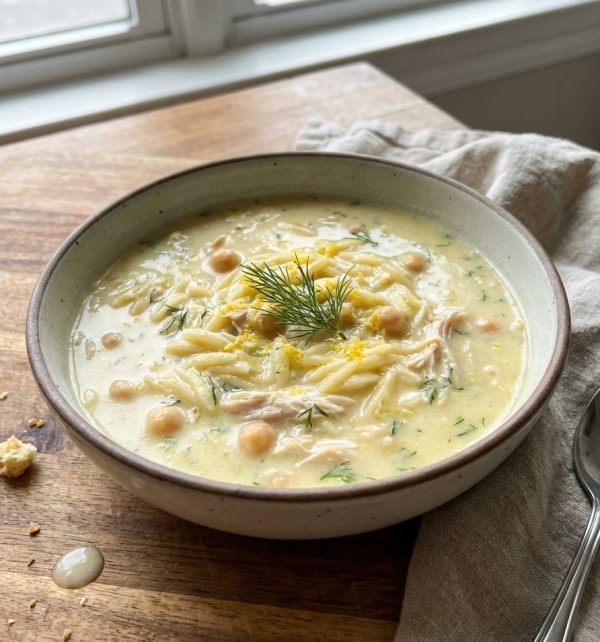
I remember the first time I ever had a truly great Greek lemon soup. My husband and I were on a little getaway weekend in a charming town a few hours away, and we stumbled into this tiny, family-owned Greek restaurant. It was a chilly, rainy evening, and the owner recommended their Avgolemono. I wasn’t sure what to expect, but the moment that steaming bowl arrived, I was completely captivated by the bright, fragrant aroma.
The soup was silky, tangy, and deeply comforting all at once. It was so much more than just chicken soup. I knew right then and there I had to learn how to make it at home. After a few years of making the traditional version, which I absolutely adore, I started playing around with it. I wanted to see if I could make it just a little bit heartier, a little creamier, without adding any actual cream.
That’s when I had my lightbulb moment, chickpeas! By pureeing some of the chickpeas with the broth, I created this incredible, velvety texture that thickens the soup beautifully and adds a subtle, earthy flavor. It makes this classic Greek lemon soup my own, and it’s become one of the most requested recipes in my little Southern kitchen. It’s a hug in a bowl, with a bright, sunny disposition.
Why This Greek Lemon Soup Recipe Works
This isn’t just another soup recipe. It’s a thoughtful twist on a beloved classic, known in Greece as Avgolemono. Traditionally, this soup is a cornerstone of Greek home cooking, famous for its simple ingredients that come together to create something truly magical. The soul of the soup is the “avgolemono” sauce itself, a delicate emulsion of egg and lemon that is whisked into the hot broth to create a silky, rich texture without any dairy.
The beauty of the original is its comforting simplicity. It’s the kind of meal a Greek mother or grandmother would make for you when you were feeling under the weather. It’s celebrated for being both light and satisfying, with the bright lemon cutting through the rich chicken broth in the most perfect way. The tempered eggs are the real magic trick, thickening the soup to a velvety consistency that is just so luxurious.
So, why mess with perfection? Well, I’m not so much messing with it as I am building on its wonderful foundation. My special touch, the pureed chickpeas, elevates this Greek lemon soup to a whole new level. Blending half the chickpeas into a smooth cream before stirring them back into the pot creates an incredible body and richness. It complements the egg-lemon sauce, making the final result even more velvety and satisfying. It also adds a boost of plant-based protein and fiber, turning a light soup into a more substantial, filling meal you can serve for dinner. This little addition makes the soup uniquely mine, and I think you’ll find it makes it unforgettably delicious.
Ingredients for Greek Lemon Soup
One of the best things about this recipe is its reliance on simple, wholesome ingredients you might already have on hand. But the quality of a few key items can really make your soup sing. Here’s what you’ll need to get started.
- 2 tablespoons olive oil: A good quality extra virgin olive oil will add a lovely, subtle flavor right from the start.
- 1 large yellow onion, finely chopped: This builds the aromatic base of our soup.
- 2 medium carrots, finely chopped: For a touch of sweetness and color.
- 2 celery stalks, finely chopped: Completes the classic mirepoix for a savory foundation.
- 8 cups high-quality chicken broth: This is the soul of your soup, so use the best you can find. A rich, flavorful homemade or store-bought broth makes all the difference.
- 1 cup uncooked orzo or long-grain white rice: Orzo is classic, but rice works beautifully too, soaking up all that delicious broth.
- 2 cups cooked, shredded chicken: A store-bought rotisserie chicken is my favorite shortcut here! It’s flavorful and saves so much time.
- 1 (15-ounce) can chickpeas, rinsed and drained: This is my secret ingredient! We’ll use half whole for texture and puree the other half to make the soup incredibly creamy.
- 3 large eggs: These are essential for creating the signature velvety texture of the avgolemono sauce.
- 1/2 cup fresh lemon juice: Please, please use fresh lemons! The bright, zesty flavor of fresh juice is non-negotiable and simply cannot be replicated with the bottled kind.
- 1/4 cup chopped fresh dill: Dill and lemon are a match made in heaven. Its fresh, herby notes are the perfect finishing touch.
- Salt and freshly ground black pepper to taste: To bring all the flavors together.
- Lemon zest, for garnish: A little zest on top before serving enhances the beautiful lemon aroma.
As you can see, the list is straightforward. The real magic happens in the technique, especially with the eggs and my little chickpea trick. Using fresh herbs and lemon juice will guarantee the brightest, most vibrant flavor in your finished Greek lemon soup.
Step-by-Step Instructions For Making Greek Lemon Soup
Making this soup is a lovely process, and I promise it’s easier than it sounds. Just follow these steps, and you’ll have a perfect pot of sunshine in no time. The most important part is tempering the eggs, but don’t you worry, I’ll walk you right through it.
Step 1: Build Your Flavor Base
First things first, grab a large pot or a Dutch oven. I love using my Dutch oven because it holds heat so evenly. Heat your olive oil over medium heat. Once it’s shimmering just a bit, add your finely chopped onion, carrots, and celery. Cook this mixture, stirring occasionally, for about 6 to 8 minutes. You want the vegetables to become soft, translucent, and fragrant. This step is all about coaxing out their natural sweetness and building a savory foundation for the rest of the soup.
Step 2: Simmer the Broth and Orzo
Pour in your high-quality chicken broth and bring the whole thing to a simmer. Once you see gentle bubbles, stir in the uncooked orzo. Let it cook for about 10 to 12 minutes, or until the pasta is tender. Cooking the orzo directly in the broth allows it to absorb all that wonderful chicken flavor.
Step 3: Create the Creamy Chickpea Base
Now for my secret trick! While the orzo is cooking, take half of your rinsed chickpeas and place them in a blender. Carefully ladle about 1/2 cup of the hot broth from the soup pot into the blender with them. Blend until the mixture is completely smooth and creamy. This puree is going to add an incredible, dairy-free richness to our soup.
Step 4: Add the Chicken and Remaining Chickpeas
Once the orzo is tender, stir the shredded chicken and the remaining whole chickpeas into the soup. Let them warm through for just a minute or two.
Step 5: Prepare the Egg-Lemon Mixture
In a separate medium-sized bowl, whisk your three large eggs until they’re pale and frothy. Then, while you continue to whisk constantly, slowly stream in the fresh lemon juice. This continuous whisking is key to a smooth mixture.
Step 6: Temper the Eggs
This is the most crucial step, so take your time. To temper the eggs, you need to slowly raise their temperature without scrambling them. While whisking the egg-lemon mixture with one hand, use a ladle in your other hand to very slowly pour about 2 cups of the hot broth from the soup pot into the bowl. Keep that whisk moving the entire time! Your mixture should be smooth, warm, and slightly thickened.
Step 7: Finish the Soup
Now, pour your tempered egg mixture back into the main pot of soup. Also, stir in the creamy chickpea puree and the chopped fresh dill. Stir everything together gently.
Step 8: Gently Thicken
Keep the pot over low heat and continue to stir constantly for about 3 to 5 minutes. You will feel the soup start to thicken just slightly into a beautiful, velvety consistency. Whatever you do, do not let the soup boil! Boiling will cause the eggs to curdle.
Step 9: Season and Serve
Remove the soup from the heat. Give it a taste and season with salt and freshly ground black pepper as needed. Serve it up hot, garnished with a little fresh lemon zest for an extra pop of bright aroma. Enjoy!
How To Serve Greek Lemon Soup
Serving this Greek lemon soup is almost as delightful as making it. Its vibrant yellow color and fresh aroma make it a beautiful centerpiece for any meal, whether it’s a quick lunch or a comforting dinner. The simplest way to serve it is the best, hot in a bowl with a little extra garnish to make it pop.
I always add a little something extra right before it hits the table. A final sprinkle of fresh dill and a bit of lemon zest really wakes up the senses and hints at the bright flavors inside. A drizzle of a high-quality, peppery olive oil over the top is also a wonderful touch, adding a little extra richness.
To make it a more substantial meal, consider these accompaniments:
- Crusty Bread: A warm, crusty baguette or some fluffy pita bread is practically a requirement for dipping. There’s nothing better than soaking up the last bits of that silky broth.
- A Simple Greek Salad: The crisp, fresh flavors of a salad with tomatoes, cucumber, red onion, and feta cheese provide a perfect contrast to the warm, comforting soup.
- Crumbled Feta Cheese: For an extra layer of flavor, sprinkle some tangy, salty feta cheese right over the top of each bowl. It will soften slightly in the hot soup and is absolutely delicious.
- Crispy Roasted Chickpeas: For a fun textural contrast, you can roast some extra chickpeas until they’re crispy and use them as a sort of crouton on top.
For a family dinner, I like to serve the soup in big bowls and place a platter of warm pita, a bowl of feta, and some lemon wedges on the table so everyone can customize their own bowl. It makes the meal feel interactive and special. No matter how you serve it, this soup is sure to impress.
How To Store & Reuse Greek Lemon Soup Leftovers
While this Greek lemon soup is absolutely best when enjoyed fresh, leftovers can still be a wonderful treat if you handle them with a little care. The key is all in the storage and, most importantly, the reheating process, since the egg-based broth is a bit delicate.
First, let the soup cool down to room temperature, but don’t leave it out for more than two hours. Once cooled, transfer it to an airtight container. It will keep well in the refrigerator for up to 3 or 4 days. You’ll notice that the orzo will continue to absorb some of the liquid as it sits, so the soup will likely be thicker the next day. This is perfectly normal!
Here’s how to bring those leftovers back to life:
- The Golden Rule: Reheat Low and Slow. The absolute most important thing is to avoid high heat. Boiling or microwaving on high will almost certainly cause the egg in the broth to curdle and separate, ruining that beautiful silky texture you worked so hard to create.
- Stovetop Method (Recommended): Pour the leftover soup into a saucepan and gently warm it over low heat. Stir frequently to ensure it heats evenly. If the soup has thickened too much, you can stir in a splash of chicken broth or water to thin it back to your desired consistency. Heat just until it’s warmed through, do not let it simmer or boil.
- Can I freeze it? I generally advise against freezing this soup. The egg and lemon emulsion can separate and become grainy upon thawing and reheating. The orzo can also become quite mushy. It’s really a soup that is best enjoyed within a few days of being made.
Following these simple steps will ensure your second-day soup is nearly as delicious as the first. A bowl of leftover Greek lemon soup makes for a fantastic and easy lunch that feels like a real treat.
Substitutions & Variations For Greek Lemon Soup
One of the things I love about home cooking is the freedom to make a recipe your own. This Greek lemon soup is a wonderful canvas for a few simple tweaks and variations depending on your taste or what you have in your pantry. It’s quite forgiving, so feel free to play around!
Whether you need to accommodate a dietary restriction or just want to try a new flavor combination, here are some of my favorite ways to switch things up. Remember, these are just starting points, so let your creativity guide you.
- For a Gluten-Free Version: This is an easy swap! Simply substitute the orzo with an equal amount of long-grain white rice. You could also use your favorite gluten-free small pasta shape or even quinoa for an extra protein boost. Just adjust the cooking time according to the package directions for your chosen grain.
- Make it Vegetarian: To make a vegetarian Greek lemon soup, swap the chicken broth for a high-quality vegetable broth and omit the shredded chicken. To keep it hearty, you can add an extra can of chickpeas or some hearty white beans like cannellini. It’s just as comforting and delicious.
- Change Up the Herbs: While dill is classic, this soup is also wonderful with fresh parsley. A combination of dill and parsley is lovely, or you could even add a little fresh mint at the end for a different kind of bright, fresh flavor.
- Add Some Greens: For an extra dose of nutrients, stir in a few handfuls of fresh baby spinach or chopped kale at the very end of cooking. Just let it wilt into the hot soup for a minute or two before serving.
- For a Little Spice: If you like a bit of heat, a pinch of red pepper flakes added with the mirepoix at the beginning of cooking can add a lovely, subtle warmth that plays well with the bright lemon.
Don’t be afraid to experiment. The core of this recipe is the avgolemono technique and the creamy chickpea base. As long as you keep those elements, you can tailor the other ingredients to create your perfect bowl of Greek lemon soup.
Creamy Greek Lemon Soup with a Twist
Description: A modern twist on the classic Greek Avgolemono. This recipe uses a secret ingredient, pureed chickpeas, to create an incredibly silky, creamy texture without any dairy. It’s bright, comforting, and hearty enough for a main course.
Yield: 8 servings | Category: Soup | Cuisine: Greek-inspired
Prep Time: 15 minutes | Cook Time: 30 minutes
Ingredients
- 2 tablespoons olive oil
- 1 large yellow onion, finely chopped
- 2 medium carrots, finely chopped
- 2 celery stalks, finely chopped
- 8 cups high-quality chicken broth
- 1 cup uncooked orzo
- 2 cups cooked, shredded chicken
- 1 (15-ounce) can chickpeas, rinsed and drained
- 3 large eggs
- 1/2 cup fresh lemon juice
- 1/4 cup chopped fresh dill
- Salt and freshly ground black pepper to taste
- Lemon zest, for garnish
Instructions
- Heat olive oil in a large pot over medium heat. Sauté onion, carrots, and celery until soft, about 6-8 minutes.
- Add chicken broth, bring to a simmer, then stir in orzo. Cook for 10-12 minutes until tender.
- While orzo cooks, blend half the chickpeas with 1/2 cup of hot broth until completely smooth.
- Stir the shredded chicken, whole chickpeas, and pureed chickpeas into the pot.
- In a separate bowl, whisk eggs until frothy, then slowly whisk in the lemon juice.
- Temper the eggs by slowly ladling 2 cups of hot broth into the egg mixture while whisking constantly.
- Pour the tempered egg mixture back into the soup pot. Stir in the fresh dill.
- Cook over low heat, stirring constantly, for 3-5 minutes until slightly thickened. Do not boil.
- Season with salt and pepper to taste. Garnish with lemon zest and serve immediately.
Notes
Using a store-bought rotisserie chicken is a great time-saver. Be sure to use fresh lemon juice for the best flavor. When reheating leftovers, do so gently on the stovetop over low heat to prevent the eggs from curdling.
Servings: 8 | Calories: 350 kcal | Fat: 12g | Carbohydrates: 35g | Protein: 25g
5 FAQs About Greek Lemon Soup
Here are some straightforward answers to the most common questions I receive about this Greek lemon soup recipe.
Why did my Greek Lemon Soup curdle?
Oh, the dreaded curdle! This is the most common concern when making any avgolemono soup, and it almost always happens for one of two reasons: improper tempering or boiling the soup after the eggs are added. The process of tempering is designed to gently and gradually raise the temperature of the eggs so they don’t get shocked by the hot broth and turn into scrambled eggs. It’s crucial to pour the hot broth into the egg-lemon mixture very, very slowly while whisking constantly. Don’t rush this step!
The second, equally important rule is to never, ever let the soup boil once you’ve added the tempered egg mixture back into the pot. Even a brief boil can cause the delicate egg proteins to seize up and separate, resulting in a grainy or curdled texture. After you add the eggs, keep the heat on low and stir gently until the soup just thickens. Once it’s done, take it off the heat. The same rule applies to reheating leftovers, low and slow is the only way to go.
Can I make this Greek Lemon Soup ahead of time?
You can certainly get a head start on it, which is great for busy weeknights or entertaining. For the best results, I recommend making the soup base ahead of time. You can follow the recipe through step 4, completing the process of cooking the vegetables, simmering the broth and orzo, and adding the chicken and chickpeas. At this point, you can cool the soup base and store it in an airtight container in the refrigerator for up to two days.
When you’re ready to serve, simply reheat the soup base on the stove until it’s hot. Then, you can proceed with the final steps: preparing the egg-lemon mixture, tempering it, and stirring it into the soup to thicken. This ensures that the avgolemono sauce is fresh and perfectly silky, as it’s the most delicate part of the dish. Preparing it this way gives you the convenience of a make-ahead meal without sacrificing the quality of that luxurious, velvety finish.
What is the secret to a creamy Greek Lemon Soup without cream?
The secret is twofold, combining a classic Greek technique with my own little twist. The traditional secret lies entirely in the avgolemono. The magic of whisking eggs and tempering them correctly creates a protein-based emulsion that naturally thickens the broth, giving it a rich, creamy mouthfeel and a beautiful pale yellow color. It’s a culinary marvel that adds body and luxury without a drop of dairy.
My special contribution to the creaminess is the addition of pureed chickpeas. By blending half of the can of chickpeas with a bit of the hot broth, you create what is essentially a creamy, savory plant-based paste. When you stir this back into the pot, it dissolves into the soup, adding another layer of velvety thickness and a subtle, earthy depth of flavor. The combination of the classic avgolemono and the chickpea puree results in an incredibly rich and satisfying Greek lemon soup that tastes far more indulgent than it actually is.
Can I make this Greek Lemon Soup vegetarian?
Absolutely! This soup adapts beautifully to a vegetarian diet. The swap is very simple. Start by using a flavorful, high-quality vegetable broth in place of the chicken broth. I find a mushroom or “no-chicken” flavored vegetable broth works especially well here to provide a deeper, more savory flavor profile. Obviously, you will omit the shredded chicken.
To ensure the soup is still hearty and filling, I would recommend adding a second can of chickpeas. You can still puree half of one can to get that creamy texture and leave the rest whole. You could also add other vegetables to the mirepoix, like finely chopped zucchini or bell peppers, or stir in some hearty greens like spinach or kale at the end. The core flavors of lemon, dill, and the creamy avgolemono sauce are so wonderful that the soup is just as spectacular without the meat.
What’s the difference between Greek Lemon Soup and other chicken noodle soups?
While both are comforting soups featuring chicken and a starch, that’s really where the similarities end. A typical American-style chicken noodle soup has a clear, brothy base, is seasoned with herbs like thyme and parsley, and often contains chunkier vegetables and egg noodles. It’s a classic in its own right, but it’s a very different experience from Greek lemon soup.
The defining characteristic of Greek lemon soup, or Avgolemono, is its signature egg-lemon sauce. This is what transforms it from a simple broth into something else entirely. The tempered eggs and lemon juice create a thick, silky, and opaque broth that is tangy, rich, and velvety all at once. The flavor profile is distinctly Mediterranean, dominated by bright, zesty lemon and fresh dill rather than the more subdued herbs of its American counterpart. My version adds another layer of distinction with the creamy chickpea base, making it even richer and heartier.
Try These Recipes Next
If you enjoyed this comforting and flavorful soup, you might love some of my other favorite recipes.
- Easy Chicken Soup Recipe: A classic, straightforward chicken soup that’s perfect for a chilly day and as comforting as it gets.
- Crockpot Lemon Rosemary Chicken: For another delicious lemon and chicken combination, this slow cooker recipe is incredibly easy and yields tender, juicy chicken every time.
- Greek Tortellini Salad with Sun Dried Tomato Pesto: If you love Greek flavors, this vibrant and zesty pasta salad is a must-try for your next potluck or easy weeknight dinner.
I hope you’ll give them a try and let me know what you think!