
My Go-To Taiwanese Beef Noodle Soup Recipe Is So Comforting
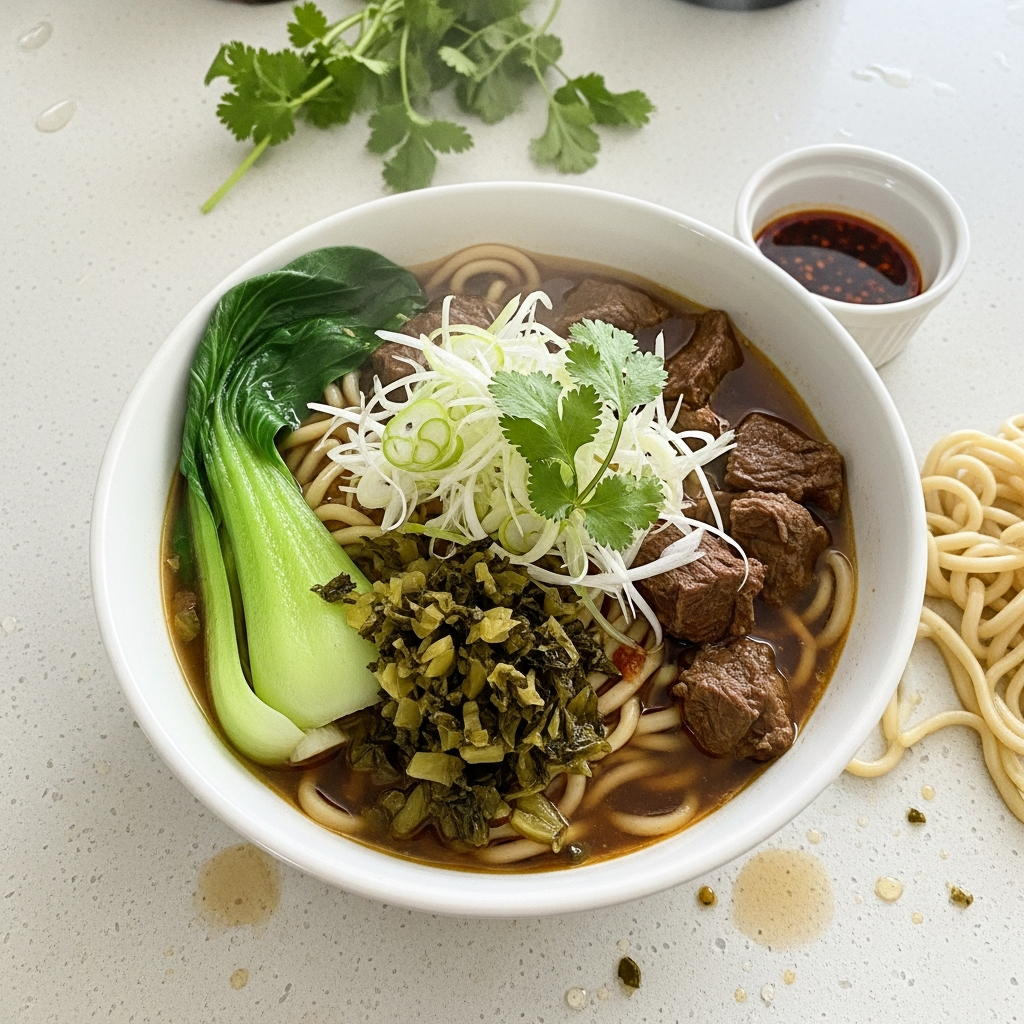
There are some dishes that just stick with you, the kind you taste once and then spend years thinking about. For me, that dish was a steaming, fragrant bowl of Taiwanese beef noodle soup I had on a rainy afternoon in a tiny, unassuming restaurant my husband and I stumbled upon during a trip. The depth of the broth, the ridiculously tender beef, the chewy noodles, it was pure comfort and magic all at once. I knew right then and there I had to learn how to bring that magic into my own kitchen.
Back home in the South, I tried recipe after recipe. They were good, but they were missing that certain something, that extra layer of complexity I remembered. So, I started doing what I do best, I started tinkering. I thought about the deep, savory flavors I love in Southern cooking, those slow-simmered dishes that feel like a warm hug. That’s when it hit me.
My secret? Black garlic. It’s not traditional in the slightest, but those little fermented cloves of garlic add a sweet, molasses-like umami flavor that is just incredible. It melts into the broth, deepening the flavor in a way that’s hard to describe but impossible to forget. It’s my little Southern twist on a classic, and I think it makes this the best Taiwanese beef noodle soup you’ll ever have outside of Taipei.
Why This Taiwanese Beef Noodle Soup Recipe Works
Taiwanese beef noodle soup, or “Niu Rou Mian,” is more than just a dish, it’s a national obsession in Taiwan. It’s the ultimate comfort food, with countless variations from family to family and restaurant to restaurant. Its history is a fascinating blend of culinary traditions, really taking shape after the Chinese Civil War when different regional cuisines from mainland China converged on the island. The result is a rich, complex soup that has become an icon of Taiwanese cuisine.
The popularity of this dish comes from its incredible balance of flavors and textures. You have the savory, aromatic broth, tender chunks of slow-braised beef, perfectly chewy noodles, and fresh, crisp vegetables. The broth is the heart of the soup, typically simmered for hours with aromatics, soy sauce, and a signature blend of spices that can include star anise, cinnamon, and Sichuan peppercorns.
So, why does my version stand out? It’s all about enhancing that already perfect foundation. Searing the beef first creates a deep, caramelized flavor right from the start through the Maillard reaction. We also bloom the doubanjiang (spicy bean paste) and tomato paste in the pot, which awakens their flavors and gives the broth its signature reddish hue and savory depth. But the real game changer is the addition of black garlic.
Black garlic isn’t just regular garlic. It’s been slowly fermented under controlled heat and humidity for weeks, transforming its pungent bite into something sweet, earthy, and almost balsamic. When added to the simmering broth, it dissolves and lends an incredible, subtle sweetness and a profound umami richness that you just can’t get from anything else. It complements the savory soy sauce and warm spices, creating a broth that is unbelievably complex and deeply satisfying. It’s the secret ingredient that takes this beloved classic to a whole new level of deliciousness.
Ingredients for Taiwanese Beef Noodle Soup
A truly great soup starts with great ingredients. For this recipe, we’re building layers of flavor with a mix of fresh aromatics, savory sauces, and fragrant spices. While the list might look long, each component plays a crucial role in creating that signature rich and complex broth. Don’t be intimidated, it all comes together beautifully in the pot.
The most important ingredient, and my special twist, is the black garlic. If you’ve never used it, you are in for a treat. It has a soft, chewy texture and a sweet, mellow flavor reminiscent of balsamic vinegar or tamarind. It adds an incredible depth and a touch of sweetness that perfectly balances the spicy and savory notes of the soup. You can often find it in well-stocked grocery stores, specialty food shops, or online. It’s worth seeking out, I promise.
Another key is the beef shank. This cut is perfect for slow simmering because it’s rich in connective tissue and collagen. As it cooks, the collagen breaks down into gelatin, which gives the broth a luscious, silky mouthfeel and makes the meat incredibly tender and juicy. Don’t substitute this with a leaner cut, or you’ll miss out on that essential texture. Lastly, make sure you get a good quality doubanjiang, a spicy fermented broad bean paste. It provides the foundational savory heat for the soup.
- For the Braise:
- 2 lbs beef shank, cut into 1.5-inch cubes
- 2 tablespoons vegetable oil
- 1 large yellow onion, quartered
- 8 cloves garlic, smashed
- 4-5 whole cloves of black garlic, peeled
- 2-inch piece of ginger, sliced
- 4 scallions, white parts separated from green parts, whites cut into 2-inch pieces, greens thinly sliced for garnish
- 1/4 cup soy sauce
- 1/4 cup dark soy sauce
- 1/3 cup Shaoxing wine
- 2 tablespoons doubanjiang (spicy bean paste)
- 1 tablespoon tomato paste
- 2 tablespoons rock sugar (or brown sugar)
- 8 cups beef broth
- 2 large tomatoes, quartered
- For the Spice Bag (or toss directly in):
- 1 cinnamon stick
- 3 star anise pods
- 1 teaspoon Sichuan peppercorns
- 1 teaspoon fennel seeds
- 2 bay leaves
- For Assembly:
- 1 lb fresh or dried wheat noodles
- 4-6 baby bok choy, halved lengthwise
- 1 cup pickled mustard greens, rinsed and roughly chopped
- Cilantro, for garnish
- Chili oil, for serving (optional)
Step-by-Step Instructions For Making Taiwanese Beef Noodle Soup
Making this soup is a labor of love, but the steps themselves are quite simple. The real magic happens during the long, slow simmer. The most important tool you can have is a heavy-bottomed Dutch oven or a large stockpot. It will distribute the heat evenly and is perfect for both searing the meat and simmering the broth for hours.
Step 1: Sear the Beef
First things first, make sure your beef shank cubes are patted completely dry with paper towels. This is key to getting a good, hard sear. Heat your vegetable oil in the Dutch oven over medium-high heat until it shimmers. Working in batches to avoid overcrowding the pan, sear the beef on all sides until it’s deeply browned. This step creates the foundation of flavor for the entire dish, so don’t rush it. Once browned, remove the beef from the pot and set it aside.
Step 2: Sauté the Aromatics
Lower the heat to medium. In the same pot, using the rendered beef fat and oil, add the quartered onion, smashed garlic cloves, ginger slices, and the white parts of the scallions. Cook, stirring occasionally, for about three to four minutes. You want them to soften and become wonderfully fragrant, picking up all those browned bits from the bottom of the pot.
Step 3: Bloom the Pastes
Add the doubanjiang and tomato paste to the pot. Cook them for about one minute, stirring constantly. This step, called “blooming,” toasts the pastes in the hot oil, which deepens their flavor and unlocks their vibrant color. You’ll notice the oil in the pot turning a beautiful reddish color. This is exactly what you want.
Step 4: Deglaze the Pot
Pour in the Shaoxing wine. As it bubbles, use a wooden spoon to scrape up all those flavorful browned bits (the “fond”) from the bottom of the pot. This is where so much flavor lives. Let the wine cook for about a minute until it has reduced slightly.
Step 5: Combine the Flavor Base
Return the seared beef to the pot. Now, add the regular soy sauce, dark soy sauce for color, the rock sugar, and our secret ingredient, the peeled black garlic cloves. Give everything a good stir to make sure the beef is well coated in this incredible flavor base.
Step 6: Add Broth and Spices
Pour in the eight cups of beef broth. Add the quartered tomatoes, the cinnamon stick, star anise pods, Sichuan peppercorns, fennel seeds, and bay leaves. You can put the loose spices in a cheesecloth sachet or a tea infuser for easy removal later if you prefer. Stir everything together gently.
Step 7: Simmer to Perfection
Bring the soup to a rolling boil, then immediately reduce the heat to the lowest possible setting that maintains a gentle simmer. Cover the pot and let it go for at least two and a half to three hours. The goal here is fork-tender beef that’s practically falling apart. Your kitchen will smell absolutely divine.
Step 8: Strain the Broth
Once the beef is perfectly tender, carefully strain the entire contents of the pot through a fine-mesh sieve into a new, clean pot. This step is optional but highly recommended for a beautifully clear and refined broth. Pick the tender beef pieces out of the sieve and return them to the strained broth. You can discard the spent aromatics and spices.
Step 9: Cook Noodles and Vegetables
About fifteen minutes before you’re ready to eat, cook your noodles according to the package instructions in a separate pot of boiling water. During the last two minutes of cooking, drop the halved baby bok choy into the same pot to quickly blanch them. They should be bright green and tender-crisp.
Step 10: Assemble the Bowls
Drain the noodles and bok choy well. Divide them evenly among large, deep soup bowls. Ladle the rich, hot broth generously over the top, making sure to add plenty of the tender beef pieces to each bowl.
Step 11: Garnish and Serve
Now for the finishing touches. Top each bowl with a sprinkle of thinly sliced scallion greens, a spoonful of chopped pickled mustard greens for a tangy crunch, and some fresh cilantro leaves. Serve it immediately with a side of chili oil for anyone who likes an extra kick of heat.
How To Serve Taiwanese Beef Noodle Soup
Serving this Taiwanese beef noodle soup is all about the final assembly and the garnishes, which truly elevate the dish from a simple soup to a complete, satisfying meal. The beauty is in the contrast of textures and flavors in the bowl. You want deep, wide bowls to hold a generous portion of noodles, beef, and that glorious broth without any risk of spilling.
The classic garnishes are non-negotiable in my house. The tangy, crunchy pickled mustard greens cut through the richness of the broth perfectly. Freshly sliced scallions and cilantro add a bright, herbaceous note that lifts all the deep, savory flavors. And of course, a little bowl of chili oil on the side is a must for those who like to customize their level of heat. It’s all about giving your family or guests the tools to make their bowl just right.
If you want to get a little more creative or make it an even heartier meal, here are a few of my favorite ways to dress up a bowl:
- Add a Jammy Egg: A soft-boiled egg, with its rich, runny yolk, is a fantastic addition. The yolk mixes into the broth, making it even more decadent and delicious. I usually make a batch of ramen-style ajitsuke tamago ahead of time for extra flavor.
- Crispy Fried Shallots: Sprinkling some crispy fried shallots on top right before serving adds a wonderful savory crunch and another layer of aromatic flavor. You can buy them pre-made at most Asian markets.
- Different Greens: While bok choy is classic, feel free to swap it out for other leafy greens. Blanched yu choy, spinach, or even Napa cabbage are all wonderful options that wilt nicely in the hot broth.
- Fresh Chili Slices: For a clean, sharp heat, add a few thin slices of fresh red chili or jalapeño on top. It provides a different kind of spice than the more complex heat of chili oil.
No matter how you serve it, make sure it’s piping hot. This is the ultimate cold-weather comfort food, meant to be slurped and savored right away. Just be sure to warn everyone to pace themselves, it’s so good you’ll want to finish the whole bowl!
How To Store & Reuse Taiwanese Beef Noodle Soup Leftovers
Having leftovers of this Taiwanese beef noodle soup is a wonderful problem to have. It tastes just as good, if not better, the next day as the flavors continue to meld and deepen. The key to storing it properly is to keep the main components separate. If you store everything together, the noodles will absorb all that precious broth and become mushy and unappetizing.
I always take a few extra minutes to package everything up correctly, and it makes a world of difference when I’m ready to enjoy round two. It ensures that your second bowl is just as fresh and delicious as the first. It’s a little extra work, but future you will be very grateful for it.
Here is my tried-and-true method for storing and reheating:
- Store the Broth and Beef: Place the beef and the strained broth together in an airtight container. This will keep the beef moist and flavorful. It can be stored in the refrigerator for up to 4 days or in the freezer for up to 3 months.
- Store Noodles and Veggies Separately: Any leftover cooked noodles and blanched bok choy should be stored in their own separate airtight containers in the refrigerator. They will last for about 2 days. It’s best to cook fresh noodles and veggies for leftovers if you can, but this works in a pinch.
- Keep Garnishes Fresh: Store the pickled mustard greens, cilantro, and scallions in separate small containers or bags in the fridge to maintain their freshness and crunch.
When you’re ready to eat, reheating is simple. Just pour the broth and beef into a small saucepan and gently warm it over medium-low heat until it’s simmering. While the broth heats up, you can either briefly dunk your leftover noodles in boiling water to warm them through or cook a fresh batch. Assemble your bowl just as you did the first time, with the hot broth, noodles, veggies, and fresh garnishes. It’s a fantastic and quick lunch or dinner that requires almost no effort.
Substitutions & Variations For Taiwanese Beef Noodle Soup
One of the things I love most about cooking is making a recipe my own, and this Taiwanese beef noodle soup is wonderfully adaptable. While my version with black garlic is my absolute favorite, you can certainly tweak things based on what you have on hand or your personal preferences. The core of the recipe is the slow-braised beef and the aromatic broth, so as long as you keep that foundation, feel free to play around.
Whether you need to accommodate a dietary restriction, can’t find a specific ingredient, or just want to try a new flavor combination, this recipe has plenty of room for variation. Don’t be afraid to experiment a little, you might just discover your own secret ingredient that makes the dish uniquely yours. That’s the fun of being a home cook, after all.
Here are some reliable substitutions and fun variations to try:
- Beef Cuts: If you can’t find beef shank, beef brisket or a well-marbled chuck roast are excellent substitutes. Cut them into similar-sized cubes and be prepared to adjust the simmering time slightly until the meat is perfectly tender.
- Wine Options: Shaoxing wine adds a specific, authentic flavor, but if you don’t have it, a good quality dry sherry is the best substitute. In a pinch, you could also use a dry white wine like Sauvignon Blanc, though the flavor profile will be a bit different.
- Spicy Bean Paste: Doubanjiang is key for that savory, spicy depth. If you can’t find it, you could substitute it with Korean gochujang. Just be aware that gochujang is typically sweeter, so you may want to reduce the amount of rock sugar in the recipe slightly.
- Make it Richer: For an even more unctuous and flavorful broth, try adding a pound of beef oxtail or a few pieces of beef bone with marrow to the pot during the simmering stage. Remove them when you strain the broth.
- Noodle Varieties: While classic wheat noodles are traditional, feel free to use your favorite kind. Udon noodles, ramen noodles, or even wide rice noodles would all be delicious soaking up this amazing broth.
My Ultimate Taiwanese Beef Noodle Soup with Black Garlic
Description: A rich and deeply flavorful Taiwanese beef noodle soup featuring incredibly tender beef shank and a secret ingredient, black garlic, for an unforgettable umami-sweetness. This is the ultimate comfort food in a bowl.
Yield: 6 servings | Category: Soup | Cuisine: Taiwanese
Prep Time: 20 minutes | Cook Time: 3 hours
Ingredients
- 2 lbs beef shank, cut into 1.5-inch cubes
- 2 tbsp vegetable oil
- 1 large yellow onion, quartered
- 8 cloves garlic, smashed
- 4-5 whole cloves of black garlic, peeled
- 2-inch piece of ginger, sliced
- 4 scallions, whites cut into 2-inch pieces, greens sliced
- 1/4 cup soy sauce
- 1/4 cup dark soy sauce
- 1/3 cup Shaoxing wine
- 2 tbsp doubanjiang (spicy bean paste)
- 1 tbsp tomato paste
- 2 tbsp rock sugar (or brown sugar)
- 8 cups beef broth
- 2 large tomatoes, quartered
- 1 cinnamon stick
- 3 star anise pods
- 1 tsp Sichuan peppercorns
- 1 tsp fennel seeds
- 2 bay leaves
- 1 lb fresh or dried wheat noodles
- 4-6 baby bok choy, halved
- 1 cup pickled mustard greens, chopped
- Cilantro, for garnish
- Chili oil, for serving
Instructions
- Pat beef dry and sear in batches in hot oil in a Dutch oven until browned. Set aside.
- Sauté onion, smashed garlic, ginger, and scallion whites until fragrant (3-4 mins).
- Stir in doubanjiang and tomato paste and cook for 1 minute until oil is red.
- Deglaze with Shaoxing wine, scraping up browned bits.
- Return beef to the pot. Add soy sauces, rock sugar, and black garlic. Stir to coat.
- Add beef broth, tomatoes, and all spices.
- Bring to a boil, then reduce to a low simmer. Cover and cook for 2.5-3 hours until beef is tender.
- Strain broth into a clean pot. Return beef pieces to the strained broth.
- Cook noodles as directed. Add bok choy in the last 2 minutes to blanch.
- To serve, divide noodles and bok choy into bowls. Ladle broth and beef over top.
- Garnish with scallion greens, pickled mustard greens, cilantro, and chili oil.
Notes
For the clearest broth, strain it through a fine-mesh sieve. Storing components separately will keep leftovers fresh and prevent soggy noodles.
Servings: 6 | Calories: 750 kcal | Fat: 35g | Carbohydrates: 60g | Protein: 45g
5 FAQs About Taiwanese Beef Noodle Soup
Here are some straightforward answers to the most common questions I receive about this Taiwanese beef noodle soup recipe.
What is the best cut of beef for Taiwanese beef noodle soup?
The absolute best cut of beef for this dish is beef shank. There’s really no perfect substitute, though others can work in a pinch. Beef shank comes from the leg of the cow, and it’s a tough, well-used muscle that is full of connective tissue and collagen. This might sound unappealing, but when you cook it low and slow for several hours as we do in this recipe, magic happens.
That collagen breaks down and transforms into rich, silky gelatin. This does two wonderful things for the soup. First, it makes the meat incredibly tender, juicy, and almost melts in your mouth. Second, that gelatin dissolves into the broth, giving it a luxurious, full-bodied mouthfeel that you just can’t replicate with leaner cuts. Sometimes you can find beef shank with the bone in, which will add even more flavor and body to your broth. If you absolutely cannot find shank, beef brisket or a fatty chuck roast are the next best options, as they also have a good amount of fat and connective tissue that will break down over a long cooking time.
Can I make Taiwanese beef noodle soup in a slow cooker or Instant Pot?
Yes, you absolutely can adapt this recipe for either a slow cooker or an Instant Pot, which can be a great time-saver. For an Instant Pot, you would use the “Sauté” function to complete the first few steps, from searing the beef to blooming the pastes and deglazing the pan. Then, add the remaining broth and ingredients, seal the lid, and cook on high pressure for about 45-50 minutes. Allow the pressure to release naturally for at least 15-20 minutes for the most tender meat. The result will be very tender beef in a fraction of the time.
For a slow cooker, you should still perform the initial searing and sautéing steps in a skillet on the stovetop first. This step is crucial for developing deep flavor and shouldn’t be skipped. After deglazing the skillet, transfer everything into your slow cooker. Cook on low for 8-10 hours or on high for 4-5 hours. The long, slow cooking process is perfect for breaking down the beef shank until it is perfectly tender. Both methods work well, it just depends on whether you want to speed things up or have it simmering away all day.
What makes the broth in Taiwanese beef noodle soup so red?
The signature reddish-brown color of the broth comes from a combination of key ingredients, primarily the doubanjiang and the tomato paste. Doubanjiang is a fermented broad bean paste that is blended with chili peppers, giving it a salty, spicy, and deeply savory flavor along with a dark red hue. When we “bloom” these pastes in the hot oil at the beginning of the cooking process, their fat-soluble color compounds are released, staining the cooking oil a beautiful, vibrant red.
This colored oil then infuses the entire pot of broth. The dark soy sauce also contributes to the deep brown color, while the fresh tomatoes break down during the long simmer, adding another layer of reddish color and a subtle tangy sweetness that balances the richness of the soup. It’s this careful layering of colorful, flavorful ingredients that creates the soup’s distinctive and appealing appearance. It’s a visual cue that you’re about to eat something incredibly rich and delicious.
My Taiwanese beef noodle soup broth isn’t flavorful enough, what did I do wrong?
If your broth tastes a bit flat, it’s usually due to one of a few common issues, but they are all easily fixable. The most likely culprit is not building a strong enough flavor base from the start. Did you get a deep, dark brown sear on your beef? Did you take the time to sauté the aromatics until they were very fragrant? Did you bloom the bean paste and tomato paste? These initial steps are where the deep, foundational flavors are built. Rushing them will result in a less complex broth.
Another common issue is simply under-seasoning. A large pot of soup needs a good amount of salt to make the flavors pop. While the soy sauce and doubanjiang add a lot of salt, the final broth might need a bit more. Taste the broth after it’s been simmering for a few hours and adjust the seasoning with more soy sauce or salt as needed. Finally, make sure you’re using a good quality, flavorful beef broth, not just water. A weak broth will lead to a weak soup. Using my secret ingredient, black garlic, also adds a significant umami boost that helps to create a deeply savory and satisfying broth.
Where can I find specialty ingredients like doubanjiang and black garlic for this recipe?
Finding some of the specialty ingredients for this soup is much easier than it used to be. Your best bet is to visit a local Asian market or grocery store. They will almost certainly carry multiple brands of doubanjiang, Shaoxing wine, rock sugar, and various types of noodles. When choosing doubanjiang, look for brands from the Pixian county in Sichuan, as they are considered the highest quality.
Black garlic has also become increasingly popular and can often be found in the produce section of larger, well-stocked supermarkets like Whole Foods or Wegmans, or at specialty food stores. If you can’t find it locally, it is widely available from online retailers like Amazon. The same goes for the other ingredients if you don’t have an Asian market nearby. While it might take a little effort to gather all the components, using these authentic ingredients is what will make your homemade Taiwanese beef noodle soup taste truly exceptional and restaurant-worthy.
Try These Recipes Next
If you loved the deep, savory beef flavor in this soup, I know you’ll enjoy these other comforting recipes from my kitchen.
- Quick & Easy Ground Beef Ramen: A super-fast weeknight meal that packs a ton of flavor and is always a hit with the family.
- My Favorite Easy Beef Stew: This is my go-to recipe for a classic, hearty beef stew that tastes like it’s been simmering all day, but comes together much faster.
- Tender Braised Oxtail: For another fall-off-the-bone beef experience, you have to try this rich and decadent braised oxtail recipe.
Happy cooking, y’all!