
This Old Fashioned Vegetable Beef Soup Has a Delicious Secret
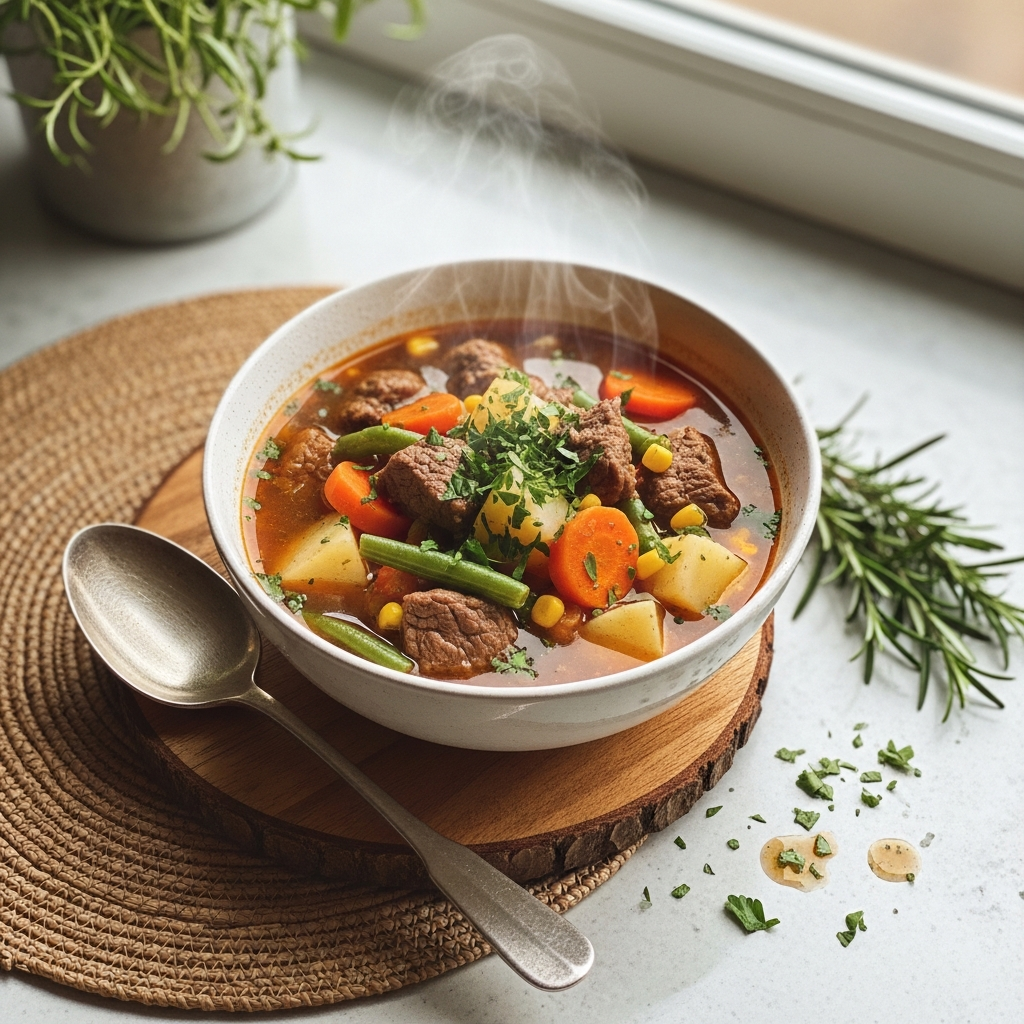
There are some smells that just take you right back to childhood, and for me, the rich aroma of a simmering pot of old fashioned vegetable beef soup is one of them. My grandmother was the queen of this soup. On a chilly fall afternoon, you could count on her having a giant stockpot bubbling away on the stove, filling the whole house with a scent that was pure comfort.
Her version was classic, hearty, and exactly what you needed after a long day. I made it her way for years, cherishing every single spoonful and the memories that came with it. But you know me, I can never leave well enough alone. I always felt like it needed just a tiny spark of something unexpected to brighten up all those deep, savory flavors.
One evening, while making a salad dressing, I had a little idea. I grabbed the bottle of balsamic vinegar and added just a splash to my finished bowl of soup. Y’all, it was a revelation. The vinegar didn’t make it taste sour or Italian, it just woke everything up. It added a subtle tang and a hint of sweetness that made the beef taste beefier and the tomatoes taste brighter. It was the missing piece, and it’s the little secret that makes my version of this classic soup a true standout.
Why This Old Fashioned Vegetable Beef Soup Recipe Works
Vegetable beef soup is a cornerstone of comfort food for a reason. It has roots in resourcefulness, born from the need to turn tougher, less expensive cuts of beef and a garden’s worth of vegetables into a nourishing, filling meal. It’s a dish that has been passed down through generations, with every family having their own slightly different version. Its popularity endures because it’s deeply satisfying, relatively simple to make, and feels like a warm hug in a bowl.
The magic of any good old fashioned vegetable beef soup lies in the slow simmer. This is what transforms a tough cut like beef chuck into incredibly tender, melt-in-your-mouth morsels. As it cooks, the collagen in the beef breaks down, enriching the broth and creating a beautiful body and depth of flavor. The vegetables all meld together, with each one contributing its own character to the finished dish.
So, what makes my recipe so special? It’s all about the balance. While the slow cooking creates a wonderful savory depth, it can sometimes feel a little flat. My secret twist, a simple splash of balsamic vinegar stirred in at the very end, is the key. The acidity from the vinegar cuts through the richness of the beef and the broth, brightening the entire soup. It adds a layer of complexity that you can’t quite put your finger on, but you’d miss it if it were gone. It elevates the classic flavor profile without overpowering it, making every single bite more vibrant and memorable. This one small step turns a great soup into an absolutely unforgettable one.
Ingredients for Old Fashioned Vegetable Beef Soup
The beauty of this soup is in its simple, wholesome ingredients. We’re using classic, easy-to-find items that come together to create something truly special. There’s nothing fussy here, just pure, hearty goodness that tastes like it came straight from Grandma’s kitchen, but with my little signature twist.
Here’s what you’ll need to have on hand:
- 2 tbsp olive oil
- 2 lbs beef chuck, cut into 1-inch cubes
- 1 large yellow onion, chopped
- 3 carrots, peeled and sliced into rounds
- 2 celery stalks, sliced
- 4 cloves garlic, minced
- 8 cups low-sodium beef broth
- 1 (28 ounce) can diced tomatoes, undrained
- 2 medium Russet potatoes, peeled and cut into 1/2-inch cubes
- 1 ½ cups frozen cut green beans
- 1 cup frozen corn
- 1 tsp dried thyme
- 1 tsp dried rosemary, crushed
- 2 bay leaves
- Salt and freshly ground black pepper to taste
- Twist Ingredient: 2 tbsp balsamic vinegar
- 2 tbsp fresh parsley, chopped, for garnish
For the beef, I always recommend using beef chuck. It has fantastic marbling and connective tissue that breaks down beautifully over a long cooking time, resulting in supremely tender beef and a richer broth. Don’t be tempted to use a leaner cut, as it can become dry and tough.
When it comes to the beef broth, using a low-sodium version is a must. This allows you to control the final saltiness of the soup. You can always add more salt, but you can’t take it away. And for our special twist, the balsamic vinegar, a decent quality one will make a difference. You don’t need a super expensive, aged bottle, just a good-quality vinegar from the grocery store will provide that perfect touch of bright, tangy flavor that really makes this soup sing.
Step-by-Step Instructions For Making Old Fashioned Vegetable Beef Soup
Making this soup is all about building layers of flavor, one step at a time. We’ll start by browning the beef and end with a secret ingredient that ties it all together. Grab your favorite large Dutch oven or stockpot, and let’s get cooking. It’s a simple process that yields the most delicious results.
Step 1: Brown the Beef
First, pat your beef cubes completely dry with a paper towel. This is crucial for getting a good, brown crust. Season them generously all over with salt and pepper. Heat your olive oil in the pot over medium-high heat. Once it’s shimmering, add the beef in a single layer. Don’t overcrowd the pot, or the beef will steam instead of brown. Work in batches if you need to. Brown the cubes on all sides, then transfer them to a plate and set it aside for later.
Step 2: Sauté the Aromatics
Lower the heat to medium and add the chopped onion, carrots, and celery right into the same pot. You want to use all those flavorful drippings left from the beef. Sauté the vegetables for about 6 to 8 minutes, stirring occasionally, until they start to soften. Then, add the minced garlic and cook for just one more minute until you can smell its wonderful aroma. Be careful not to let the garlic burn.
Step 3: Combine and Deglaze
Now, return the browned beef and any accumulated juices on the plate back to the pot. Pour in the beef broth and use a wooden spoon to scrape up all those tasty browned bits stuck to the bottom of the pot. This is called deglazing, and it’s where a ton of flavor lives. Stir in the undrained diced tomatoes, cubed potatoes, dried thyme, crushed rosemary, and the two bay leaves.
Step 4: Simmer Low and Slow
Turn the heat up to bring the soup to a gentle simmer. As soon as it starts bubbling, reduce the heat to low, cover the pot, and let it do its thing for 1 ½ to 2 hours. This long, slow cook time is what will make your beef incredibly tender. You’ll know it’s ready when a piece of beef easily falls apart when poked with a fork.
Step 5: Add the Final Vegetables
Once the beef is perfectly tender, stir in the frozen green beans and corn directly into the pot. Let the soup continue to simmer, this time uncovered, for another 20 minutes. This gives the frozen veggies time to cook through and allows the broth to thicken just a little bit.
Step 6: Add the Secret Twist
Take the pot off the heat. Now for the magic. Remove and discard the bay leaves, then stir in the two tablespoons of balsamic vinegar. Adding it at the end, off the heat, preserves its bright, tangy flavor and ensures it perfectly complements the rich, savory notes of the soup.
Step 7: Season to Perfection
This is the final and most important step. Give the soup a taste and adjust the seasoning as needed. It may need a bit more salt or a few more grinds of black pepper to make all the flavors pop. Season it until it tastes just right to you.
Step 8: Garnish and Serve
Ladle your beautiful, steaming old fashioned vegetable beef soup into bowls. Top it with a sprinkle of fresh, chopped parsley. The green adds a lovely splash of color and a touch of fresh, herbaceous flavor. Serve it hot and enjoy every spoonful.
How To Serve Old Fashioned Vegetable Beef Soup
Serving this soup is just as comforting as making it. It’s a complete meal in a bowl, packed with tender beef, hearty vegetables, and a rich broth. You can certainly enjoy it all on its own, but pairing it with the right side can take your meal from wonderful to absolutely perfect. A little something to dip into that delicious broth is always a welcome addition at my table.
Here are some of my favorite ways to serve up a steaming bowl of this classic soup:
- Crusty Bread: This is a non-negotiable in my house. A thick slice of crusty sourdough or a warm piece of a French baguette is the perfect vehicle for sopping up every last drop of that flavorful broth.
- Classic Cornbread: For a true Southern touch, you can’t beat a side of warm cornbread. Whether you prefer it sweet or savory, a slightly crumbly piece of cornbread, maybe with a pat of butter melting on top, is a heavenly match.
- Grilled Cheese Sandwiches: Turn your soup night into the ultimate comfort food experience by serving it with gooey, buttery grilled cheese sandwiches. It’s a pairing that makes both kids and adults incredibly happy.
- Saltine Crackers: Sometimes, the simplest choice is the best. A sleeve of saltine crackers for crumbling on top adds a nice salty crunch and a bit of nostalgia.
- Simple Green Salad: If you want to add a touch of freshness, a simple side salad with a light vinaigrette works beautifully. It provides a crisp, cool contrast to the warm, hearty soup.
You can also add a few final flourishes right on top of the soup itself. A dollop of sour cream or Greek yogurt can add a creamy tang, while a sprinkle of sharp cheddar cheese that melts into the hot broth is always a delicious choice. No matter how you serve it, this soup is guaranteed to be a hit.
How To Store & Reuse Old Fashioned Vegetable Beef Soup Leftovers
One of the best things about making a big pot of old fashioned vegetable beef soup is that the leftovers are just as delicious, if not more so. As the soup sits in the fridge overnight, the flavors have even more time to mingle and deepen, making the next day’s bowl a real treat. Proper storage is key to making sure it stays fresh and tasty.
Here’s how to handle your delicious leftovers:
- Refrigerating: Allow the soup to cool down for a bit at room temperature, but not for more than two hours. Then, transfer it to an airtight container and store it in the refrigerator. It will keep well for up to 4 days.
- Freezing: This soup freezes beautifully. Let it cool completely, then ladle it into freezer-safe containers or heavy-duty freezer bags. Be sure to leave about an inch of space at the top to allow for expansion. It will maintain its best quality for up to 3 months. The texture of the potatoes can change slightly upon thawing, but it’s usually not very noticeable in the context of the soup.
- Reheating: For best results, reheat the soup gently in a saucepan on the stovetop over medium-low heat until it’s warmed through. You can also reheat individual portions in the microwave, stopping to stir every minute or so to ensure it heats evenly. If you’re reheating from frozen, it’s best to thaw it in the refrigerator overnight first.
While another bowl of soup is always a great idea, you can also get creative with the leftovers. Try serving the hearty soup over a scoop of creamy mashed potatoes or fluffy rice for a different kind of meal. You could even thicken the remaining soup with a bit of cornstarch slurry and use it as a savory filling for a rustic beef pot pie. The possibilities are delicious.
Substitutions & Variations For Old Fashioned Vegetable Beef Soup
While I believe this recipe is perfect as is, I know that cooking is all about making a dish your own. This old fashioned vegetable beef soup is incredibly versatile, so feel free to make swaps based on what you have on hand or what your family prefers. It’s a forgiving recipe that welcomes a little bit of creativity in the kitchen.
Here are a few simple substitutions and fun variations to try:
- For the Beef: If you don’t have beef chuck, you can use other stewing cuts like bottom round or brisket. For a quicker, weeknight version, you could even substitute 1 ½ pounds of ground beef, browning and draining it before adding the vegetables.
- Vegetable Swaps: The garden is the limit here. Feel free to add or substitute other hearty vegetables. Parsnips, turnips, sweet potatoes, mushrooms, or even a few handfuls of chopped cabbage or kale would be wonderful additions. You can also use fresh green beans and corn instead of frozen, just add them at the same time as the potatoes.
- Herb Variations: If you have fresh herbs, by all means, use them. A good rule of thumb is to use one tablespoon of fresh herbs for every one teaspoon of dried. A sprig of fresh thyme and rosemary would be lovely.
- Broth and Liquid: You can use vegetable broth or even chicken broth in a pinch. For a deeper, richer flavor, try replacing one cup of the beef broth with a dry red wine, like a Cabernet Sauvignon or Merlot. Add the wine after sautéing the vegetables and let it cook for a few minutes before adding the broth.
- Different Twists: If you don’t have balsamic vinegar, a splash of red wine vinegar or even a couple of teaspoons of Worcestershire sauce can also provide a nice depth and a touch of acidity to finish the soup.
This recipe can also be easily adapted for different dietary needs. To make it lower in carbohydrates, you can swap the potatoes for chopped cauliflower florets or turnips. Just be sure to use a certified gluten-free beef broth if you need to avoid gluten. The most important thing is to have fun and create a soup that you and your family will absolutely love.
My Signature Old Fashioned Vegetable Beef Soup
Description: A hearty, classic soup with fork-tender beef and a medley of vegetables, elevated by a secret ingredient that adds a bright, complex flavor.
Yield: 8-10 servings | Category: Soup | Cuisine: American
Prep Time: 25 minutes | Cook Time: 2 hours 30 minutes
Ingredients
- 2 tbsp olive oil
- 2 lbs beef chuck, cut into 1-inch cubes
- 1 large yellow onion, chopped
- 3 carrots, peeled and sliced
- 2 celery stalks, sliced
- 4 cloves garlic, minced
- 8 cups low-sodium beef broth
- 1 (28 ounce) can diced tomatoes, undrained
- 2 medium Russet potatoes, peeled and cubed
- 1 ½ cups frozen cut green beans
- 1 cup frozen corn
- 1 tsp dried thyme
- 1 tsp dried rosemary, crushed
- 2 bay leaves
- Salt and freshly ground black pepper to taste
- 2 tbsp balsamic vinegar
- 2 tbsp fresh parsley, chopped, for garnish
Instructions
- Pat beef dry and season with salt and pepper. Heat oil in a large Dutch oven over medium-high heat. Brown beef in batches and set aside.
- Reduce heat to medium. Sauté onion, carrots, and celery for 6-8 minutes until softened. Add garlic and cook for 1 minute.
- Return beef to the pot. Pour in beef broth, scraping up any browned bits. Stir in tomatoes, potatoes, thyme, rosemary, and bay leaves.
- Bring to a simmer, then reduce heat to low, cover, and cook for 1.5 to 2 hours, until beef is tender.
- Stir in frozen green beans and corn. Simmer uncovered for 20 more minutes.
- Remove from heat, discard bay leaves, and stir in the balsamic vinegar.
- Taste and adjust seasoning with salt and pepper.
- Serve hot, garnished with fresh parsley.
Notes
For the best flavor, make sure not to overcrowd the pan when browning the beef. This creates a deep, flavorful crust that forms the foundation of the soup’s taste.
Servings: 10 | Calories: 350 | Fat: 15g | Carbohydrates: 25g | Protein: 30g
5 FAQs About Old Fashioned Vegetable Beef Soup
Here are some straightforward answers to the most common questions I receive about this old fashioned vegetable beef soup recipe.
What is the best cut of beef for old fashioned vegetable beef soup?
The absolute best cut of beef for this soup is, without a doubt, a boneless chuck roast. Chuck comes from the shoulder of the cow, and it’s a hardworking muscle with a good amount of fat marbling and connective tissue, specifically collagen. While that might not sound appealing, it’s the secret to amazing soup. During the long, slow simmering process, that collagen breaks down into rich gelatin, which gives the broth a wonderful body and a silky mouthfeel. The fat melts away, keeping the meat moist and flavorful.
The result is beef that is incredibly tender and falls apart with a fork. If you try to use a leaner, more expensive cut like sirloin or tenderloin, it will actually become tough, dry, and chewy because it lacks the necessary fat and collagen to withstand a long cook time. If you can’t find chuck roast, other great options for stewing include bottom round roast or brisket. Just remember, for this type of soup, tougher is better to start with.
Can I make this vegetable beef soup in a slow cooker or Instant Pot?
Yes, absolutely. This recipe is very adaptable to different cooking methods. For a slow cooker, I still highly recommend browning the beef and sautéing the onions, carrots, and celery on the stovetop first. This step develops a deep flavor that you just can’t get otherwise. After that, transfer everything (except the frozen veggies, balsamic vinegar, and parsley) to your slow cooker. Cook on low for 7-8 hours or on high for 4-5 hours. Stir in the frozen vegetables during the last 30 minutes of cooking. Finish with the balsamic vinegar and parsley before serving.
For an Instant Pot, use the “Sauté” function to brown the beef in batches and cook the aromatics. Return the beef to the pot, add the broth, tomatoes, potatoes, and herbs. Secure the lid, set the valve to “Sealing,” and cook on high pressure for 35 minutes. Let the pressure release naturally for at least 10 minutes before performing a quick release. Stir in the frozen corn and green beans and use the “Sauté” function for a few minutes to heat them through. Finally, turn off the heat and stir in the balsamic vinegar.
Why is my beef tough in my vegetable beef soup?
Tough beef is the most common frustration when making beef soup or stew, and it almost always comes down to one of two things: the wrong cut of meat or the cooking time and temperature. As I mentioned, using a lean cut of beef is a primary culprit. Lean cuts are best for quick cooking methods and will only get tougher the longer you cook them. You need a cut like chuck with plenty of connective tissue.
The second, and more likely, reason is that the soup wasn’t cooked long enough or was cooked at too high a temperature. The process of breaking down collagen into tender gelatin takes time and a gentle heat. If you try to rush it by boiling the soup instead of letting it simmer gently, the muscle fibers in the beef will seize up and become tough. The key is patience. The soup needs that full 1.5 to 2 hours at a low, gentle simmer for the magic to happen. If your beef is still tough, chances are it just needs more time.
Can I use fresh vegetables instead of frozen in this old fashioned soup?
Of course. While this recipe calls for frozen corn and green beans for convenience, you can easily substitute fresh vegetables. In fact, using fresh, in-season produce can add even more flavor to your soup. If you are using fresh cut green beans and fresh corn kernels cut from the cob, you will want to add them to the pot a little earlier than their frozen counterparts to ensure they have enough time to become tender.
I would recommend adding fresh green beans and corn at the same time you add the potatoes. This will give them about an hour and a half to cook, allowing them to soften completely and meld their flavors with the broth. You can also experiment with other fresh vegetables like peas, lima beans, or chopped zucchini, adding them according to their required cooking time. Softer vegetables like zucchini or summer squash should be added in the last 20 to 30 minutes so they don’t turn to mush.
How do I thicken my vegetable beef soup if it’s too thin?
If you prefer a thicker, more stew-like consistency for your soup, there are several easy ways to achieve it. The simplest method is to just let it simmer. Remove the lid from the pot for the last 20-30 minutes of cooking. This allows some of the excess liquid to evaporate, which will naturally concentrate the flavors and thicken the broth. The potatoes in the soup will also release some of their starches as they cook, which contributes to thickening.
For a more significant thickening effect, you can use a cornstarch slurry. In a small bowl, mix one tablespoon of cornstarch with two tablespoons of cold water until it’s completely smooth. Slowly whisk this slurry into the simmering soup and let it cook for a few more minutes until the broth has thickened. Another great trick is to use the vegetables themselves. You can remove about a cup of the soup, blend it until smooth, and then stir it back into the pot. Or, simply use the back of a spoon to mash some of the cooked potatoes against the side of the pot to release their starches.
Try These Recipes Next
If you loved this comforting soup, here are a few other hearty beef recipes from my kitchen that I think you’ll enjoy.
- Hearty Ground Beef Soup with Smoky Fire Roasted Tomatoes: A quick and flavorful soup that uses ground beef and fire-roasted tomatoes for a smoky, delicious weeknight meal.
- Easy Beef Stew Recipe: A classic, rich beef stew that’s perfect for a cozy Sunday dinner, with tender beef and a savory gravy.
- Hearty Ground Beef Stew Recipe: Another fantastic and affordable option using ground beef, this stew is thick, satisfying, and comes together in a flash.
I hope you find a new favorite among these comforting classics.