
My Recipe for the Coziest Smoky & Sweet Korean Tofu Soup
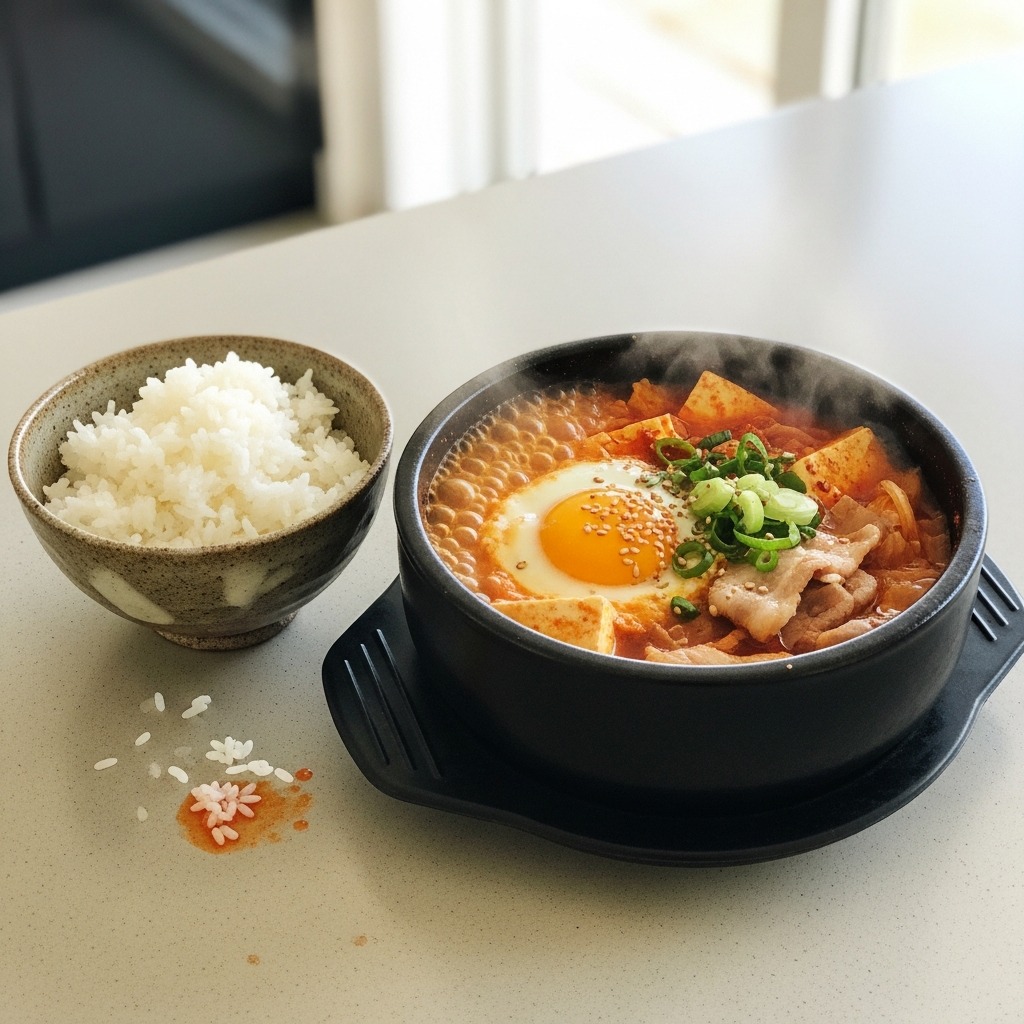
I’ll never forget the first time I tried real, bubbling-hot sundubu jjigae. My husband, bless his heart, had dragged me to a tiny hole-in-the-wall Korean restaurant on a dreary, rainy Tuesday. I was skeptical, but the moment that sizzling stone pot arrived at our table, sending up a cloud of spicy, savory steam, I knew I was in for a treat. It was the ultimate comfort food, and I was hooked. I immediately knew I had to recreate this amazing korean tofu soup at home.
Back in my own kitchen, I started playing around with the classic recipe. It was wonderful, but I felt it needed a little something to truly make it sing, a little touch of Southern comfort to meld with those bold Korean flavors. After a few tries, I found the magic combination.
My secret? A pat of good-quality unsalted butter and a teaspoon of brown sugar. The butter adds a subtle, creamy richness that smooths out the heat, while the brown sugar brings a whisper of smoky sweetness that balances the tangy kimchi and savory broth. It’s a small change, but it makes all the difference, turning a delicious stew into something truly special. This is the version my family now requests on every chilly evening.
Why This Korean Tofu Soup Recipe Works
Sundubu Jjigae, or Korean soft tofu stew, is a beloved staple in Korean cuisine, known for its fiery red broth and incredibly soft, custardy tofu. It’s a dish that’s been warming souls for generations, traditionally served piping hot in an earthenware pot called a ttukbaegi. The beauty of this dish lies in its simplicity and its powerful, complex flavors, built from a base of gochugaru (Korean chili flakes), kimchi, and a savory broth.
Its popularity comes from its deeply comforting nature. It’s a quick, satisfying, and relatively inexpensive meal that delivers a huge punch of flavor. The combination of spicy, savory, and tangy notes, along with the silky texture of the sundubu, is just irresistible. It’s the kind of food that feels like a warm hug from the inside out, perfect for a cold day or whenever you need a little pick-me-up.
So, what makes my version of this classic korean tofu soup stand out? It’s all about balance. I found that while the traditional recipe is fantastic, it could sometimes be a little one-dimensionally spicy. By adding unsalted butter and brown sugar, I introduce two key elements that elevate the entire dish. The butter melts into the sesame oil, creating a richer, more luxurious base that tames the heat of the gochugaru without dulling it. It adds a roundness to the flavor profile.
The brown sugar is the other part of the puzzle. Its molasses content provides a deeper, more complex sweetness than white sugar, which beautifully complements the salty soy sauce and fermented funk of the kimchi. This touch of sweetness makes the spicy and savory flavors pop even more. It creates a perfect harmony in the pot, a smoky, sweet, and spicy stew that’s both familiar and excitingly new.
Ingredients for Korean Tofu Soup
The magic of this recipe comes from a handful of key ingredients, each playing a vital role. While many are pantry staples, a few might require a trip to a local Asian market or a well-stocked grocery store. Trust me, it’s worth the effort to get the right stuff. The quality of these ingredients, especially the tofu and chili flakes, will directly impact the final flavor of your stew.
My special twist involves two ingredients you probably already have: unsalted butter and brown sugar. The unsalted butter works alongside the sesame oil to create a rich, flavorful base for the soup, adding a creamy note that beautifully complements the spice. The packed brown sugar introduces a hint of smoky sweetness that balances the heat from the gochugaru and the tang from the kimchi, creating a truly harmonious and addictive broth.
Here’s exactly what you’ll need to make my Smoky & Sweet Korean Tofu Soup:
- 1 tablespoon sesame oil: Use toasted sesame oil for its nutty, aromatic flavor. It’s essential for the base of the soup.
- 1 tablespoon unsalted butter: This is my secret for a richer, smoother broth.
- 1/4 cup finely chopped yellow onion: Adds a foundational sweetness.
- 2 cloves garlic, minced: A must-have for aromatic depth.
- 1 green onion, white and green parts separated and thinly sliced: The whites are for sautéing, the greens for a fresh garnish.
- 1-3 teaspoons gochugaru (Korean chili flakes): This is crucial. Use Korean coarse chili flakes, not fine powder or other chili powders. Its flavor is fruity and smoky, not just pure heat. Adjust the amount based on your spice tolerance.
- 1 tablespoon soy sauce: For that essential salty, umami kick.
- 1 teaspoon brown sugar, packed: My other secret for balancing all the bold flavors.
- 4 ounces pork belly or shoulder, thinly sliced (optional): Adds a wonderful richness and savory flavor. You can substitute with other proteins or omit for a vegetarian version.
- 1/2 cup kimchi, chopped, plus 2 tablespoons of kimchi juice: Use well-fermented, sour kimchi for the best flavor. The juice is liquid gold and adds so much depth.
- 2 cups anchovy stock, vegetable broth, or water: Anchovy stock is traditional and adds a deep umami flavor, but a good vegetable broth works wonderfully too.
- 1 (12-14 ounce) tube of sundubu (extra soft silken tofu): This is the star. It must be the tube-style extra soft silken tofu. It’s custardy and delicate, and nothing else will give you the right texture.
- 1 large egg: Cracked into the soup at the end, it adds richness and creaminess as it cooks in the hot broth.
- Salt and black pepper to taste: For final seasoning adjustments.
- Toasted sesame seeds for garnish: Adds a final nutty touch and a bit of texture.
Step-by-Step Instructions For Making Korean Tofu Soup
Making this soup is a surprisingly quick process, but the key is in the layering of flavors at each step. Don’t rush it. Let each ingredient have its moment to contribute to the final masterpiece. If you have a ttukbaegi, the traditional Korean stone pot, I highly recommend using it. It holds heat exceptionally well, meaning your soup will arrive at the table still bubbling furiously, which is part of the whole experience. A small, heavy-bottomed saucepan will also work just fine.
Step 1: Build Your Flavor Base
In your stone pot or saucepan, heat the sesame oil and my secret ingredient, the butter, over medium heat. Once the butter is melted and sizzling, add the finely chopped yellow onion and the white parts of the sliced green onion. Sauté them for a few minutes, stirring occasionally. You’re looking for them to soften and turn translucent, releasing their sweet aroma. This initial step is all about creating a sweet, aromatic foundation for the bolder flavors to come.
Step 2: Bloom the Spices
Next, stir in the minced garlic and the gochugaru. This is a critical step called “blooming” the spices. Cooking them in the hot fat for about a minute unleashes their full flavor and deep red color. Be careful not to burn the garlic or the chili flakes, which can happen quickly. Keep stirring and enjoy the incredible fragrance that fills your kitchen. It should smell nutty, spicy, and deeply aromatic.
Step 3: Add Sweet & Savory Elements
Now, pour in the soy sauce and sprinkle in the packed brown sugar. Stir constantly for about 30 seconds. The mixture will bubble and thicken slightly as the sugar dissolves and begins to caramelize. This creates a sweet and savory glaze that will coat the other ingredients and form the heart of your broth’s flavor profile. If you’re using pork, add the thinly sliced pieces now. Cook, stirring frequently, until the pork is lightly browned and cooked through. The rendered fat from the pork will add another layer of delicious flavor.
Step 4: Incorporate the Kimchi
Time for the kimchi! Add the chopped kimchi and the all-important kimchi juice to the pot. Stir everything together and let it cook for another two to three minutes. This step melds the caramelized base with the tangy, fermented flavor of the kimchi, creating a truly complex and irresistible combination. The kimchi will soften slightly and absorb some of the other flavors in the pot.
Step 5: Simmer the Stew
Pour in your anchovy stock, vegetable broth, or water, and bring the whole mixture to a rolling boil. Once it’s bubbling, it’s time for the star of the show. Carefully squeeze the sundubu from its tube directly into the pot. Use a spoon to gently break the tofu into large, custardy chunks. Don’t overmix it, you want to keep those lovely, silky pieces intact. Reduce the heat to a steady simmer and let it cook for about 5 to 7 minutes. This gives the tofu time to heat through and soak up all the delicious flavors of the broth. Give it a taste and season with salt and pepper if needed.
Step 6: The Finishing Touch
Just before you’re ready to serve, crack the fresh egg directly into the center of the gently bubbling stew. Don’t stir it in. Let it sit right on top. Immediately remove the pot from the heat. The residual heat from the soup and the stone pot will continue to cook the egg. Garnish with the fresh green parts of the sliced green onion and a sprinkle of toasted sesame seeds. Serve it immediately while it’s still sizzling.
How To Serve Korean Tofu Soup
Serving this korean tofu soup is just as much a part of the experience as making it. The presentation is key to capturing that authentic, comforting feeling. This dish is meant to be served volcanically hot, bubbling right up to the moment you take your first spoonful. That’s why using a stone pot (ttukbaegi) is so traditional, it retains heat like nothing else.
The absolute classic, non-negotiable accompaniment is a bowl of steamed, short-grain white rice. The rice serves as the perfect canvas for the intensely flavorful soup. The common way to eat it is to take a spoonful of the spicy broth and silky tofu, pour it over a bite of rice, and enjoy the wonderful mix of flavors and textures. The fluffy, slightly sticky rice provides a wonderful contrast to the soupy stew and helps to temper the spice.
To turn this single dish into a complete and traditional Korean meal, serve it with a few banchan, or small side dishes. These sides provide contrasting flavors and textures that cleanse the palate between fiery spoonfuls of soup. Some of my favorite banchan to serve alongside are:
- Seasoned Spinach (Sigeumchi Namul): A simple dish of blanched spinach seasoned with garlic, soy sauce, and sesame oil.
- Spicy Cucumber Salad (Oi Muchim): Refreshing, crunchy cucumbers in a light, spicy dressing.
- Seasoned Soybean Sprouts (Kongnamul Muchim): A crunchy, nutty side dish that provides a great textural contrast.
- Extra Kimchi: Because you can never have too much kimchi!
For a more modern, casual weeknight dinner, you can simply serve the soup on its own or with just the rice. It’s a complete meal in a bowl, after all. The combination of protein from the tofu, egg, and optional pork, along with the vegetables, makes it incredibly satisfying. Just be sure to have a spoon and a big appetite ready to go.
How To Store & Reuse Korean Tofu Soup Leftovers
While this korean tofu soup is undeniably best when served fresh and bubbling straight from the pot, leftovers can still be incredibly delicious. The key is to store and reheat it properly to preserve as much of the original texture and flavor as possible. The delicate, silky tofu is the main thing to consider, as it can break down if handled too roughly.
First things first, let the soup cool down to room temperature before storing. Transfer any leftovers into an airtight container. I find that glass containers work best as they don’t stain or absorb the strong aromas of kimchi and gochugaru. Store the container in the refrigerator, where it will keep well for up to 3 days. The flavors will actually continue to meld and deepen overnight, so you might find your day-two soup is even more flavorful.
When you’re ready to enjoy your leftovers, here’s the best way to bring them back to life:
- Stovetop Reheating (Recommended): Gently pour the leftover soup into a small saucepan or, if you have one, back into your ttukbaegi. Heat it over medium-low heat. Avoid boiling it vigorously, as this can cause the soft tofu to break apart completely. A gentle simmer is all you need to heat it through.
- Add a Fresh Egg: To really revive your leftover soup and make it feel like a fresh meal, I highly recommend cracking a new, fresh egg into the soup as it’s simmering. Let it cook for a minute or two until the white is just set.
- Garnish Anew: Freshen things up with another sprinkle of sliced green onions and some toasted sesame seeds before serving. This little step makes a huge difference.
I would advise against using a microwave to reheat this soup. The intense, uneven heat of a microwave can ruin the delicate, custardy texture of the sundubu, making it rubbery and causing the broth to separate. A few extra minutes on the stovetop is well worth it to properly enjoy your delicious leftovers.
Substitutions & Variations For Korean Tofu Soup
One of the things I love most about cooking is making a recipe my own, and this korean tofu soup is wonderfully adaptable. Whether you need to accommodate dietary restrictions or just want to use what you have on hand, there are plenty of simple swaps and fun variations you can try. This recipe is a fantastic starting point for your own culinary creativity.
The core flavor profile is robust enough to handle a variety of changes. Don’t be afraid to experiment a little to find your perfect combination. You can easily adjust the spice level, switch up the protein, or even make it completely vegetarian or vegan with a few simple tweaks. The goal is to make a version that you and your family will absolutely love.
Here are some of my favorite substitutions and variations:
- Protein Swaps: The thinly sliced pork belly is delicious, but you can easily substitute it. Try using thinly sliced beef (like ribeye or sirloin), ground pork, or chicken. For a fantastic seafood version, add a handful of clams, mussels, or shrimp during the last few minutes of simmering.
- Make it Vegetarian or Vegan: To make this soup vegetarian, simply omit the pork. For extra flavor and texture, add sliced shiitake or enoki mushrooms when you would normally add the pork. To make it vegan, omit the pork and the egg, and be sure to use vegetable broth instead of anchovy stock. Also, double check that your kimchi is vegan (some brands contain fish sauce or shrimp paste).
- Broth Options: While traditional anchovy stock provides a deep umami flavor, you can use other bases. A high-quality vegetable broth is an excellent choice, especially for a vegetarian version. Chicken or beef broth will also work well and add their own unique savory notes to the soup.
- Adjusting the Spice: The heat level is entirely up to you. My recipe calls for 1-3 teaspoons of gochugaru. If you’re sensitive to spice, start with just 1 teaspoon. If you’re a true spice lover, feel free to add more! You can also add a few slices of a spicy pepper, like a serrano, along with the onion for an extra kick.
Smoky & Sweet Korean Tofu Soup (Sundubu Jjigae)
Description: A rich, comforting, and spicy Korean soft tofu stew with a special twist of butter and brown sugar for a perfectly balanced smoky and sweet flavor.
Yield: 2 servings | Category: Soup | Cuisine: Korean
Prep Time: 10 minutes | Cook Time: 15 minutes
Ingredients
- 1 tablespoon sesame oil
- 1 tablespoon unsalted butter
- 1/4 cup finely chopped yellow onion
- 2 cloves garlic, minced
- 1 green onion, white and green parts separated and thinly sliced
- 1-3 teaspoons gochugaru (Korean chili flakes)
- 1 tablespoon soy sauce
- 1 teaspoon brown sugar, packed
- 4 ounces pork belly or shoulder, thinly sliced (optional)
- 1/2 cup kimchi, chopped, plus 2 tablespoons of kimchi juice
- 2 cups anchovy stock, vegetable broth, or water
- 1 (12-14 ounce) tube of sundubu (extra soft silken tofu)
- 1 large egg
- Salt and black pepper to taste
- Toasted sesame seeds for garnish
Instructions
- In a small stone pot or saucepan, heat sesame oil and butter over medium heat. Add onion and the white parts of the green onion; sauté for 2-3 minutes until softened.
- Stir in garlic and gochugaru; cook for 1 minute until fragrant.
- Add soy sauce and brown sugar, stirring for 30 seconds.
- If using, add pork and cook until lightly browned.
- Stir in chopped kimchi and kimchi juice. Cook for 2-3 minutes.
- Pour in stock and bring to a boil.
- Carefully add the soft tofu, breaking it into large chunks with a spoon.
- Reduce heat and simmer for 5-7 minutes. Season with salt and pepper.
- Crack the egg into the center of the soup.
- Remove from heat, garnish with green onion tops and sesame seeds, and serve immediately.
Notes
For the best experience, serve in the stone pot (ttukbaegi) it was cooked in. Be sure to use extra soft, silken tofu (sundubu) that comes in a tube for the authentic silky, custardy texture.
Servings: 2 | Calories: 450kcal | Fat: 30g | Carbohydrates: 15g | Protein: 25g
5 FAQs About Korean Tofu Soup
Here are some straightforward answers to the most common questions I receive about this Smoky & Sweet Korean Tofu Soup recipe.
What is sundubu and can I use regular tofu for this korean tofu soup?
This is probably the most important question, because the type of tofu you use is absolutely critical to the success of this dish. Sundubu is an extra-soft, uncurdled silken tofu. It has a very high water content, which gives it a uniquely custardy, pudding-like texture that melts in your mouth. It typically comes packaged in a plastic tube, and you just snip the end and squeeze it out. This delicate texture is what allows it to break apart into silky clouds that absorb the flavorful broth so beautifully.
You really cannot substitute regular tofu, whether it’s soft, firm, or extra-firm, and expect the same result. Block tofu has been pressed to remove water, which gives it a much denser, spongier texture. While delicious in other dishes like stir-fries or crispy baked tofu recipes, it just doesn’t work here. Using block tofu would result in a stew with firm cubes rather than a silky, integrated soup. The name of the dish itself, Sundubu Jjigae, literally translates to “soft tofu stew.” So for an authentic and delicious korean tofu soup, you must seek out the tube of sundubu at your local Asian market or a well-stocked grocery store.
Is korean tofu soup healthy?
Generally speaking, yes, Korean tofu soup can be a very healthy and nutritious meal. The star ingredient, tofu, is a fantastic source of plant-based protein, and it’s also low in calories and fat. The soup is packed with vegetables like onions and garlic, and the kimchi adds a wonderful dose of probiotics, which are great for gut health, along with vitamins and fiber. The broth itself is hydrating and full of flavor from wholesome ingredients.
However, the overall healthiness can depend on the specific ingredients you choose. For instance, using a leaner protein like chicken or shrimp instead of pork belly will reduce the saturated fat content. The sodium level can also be on the higher side due to the soy sauce and kimchi, so if you are watching your sodium intake, you might want to use a low-sodium soy sauce and be mindful of how much salt you add at the end. My version adds a little butter and brown sugar, which contribute a small amount of fat and sugar, but in the context of the entire dish, it’s quite minimal. Overall, it’s a wonderfully balanced and satisfying meal.
Where can I buy gochugaru for my tofu soup?
Gochugaru, or Korean chili flakes, is another non-negotiable ingredient for this recipe. It has a unique flavor profile that is smoky, slightly sweet, and fruity, with a vibrant red color that is different from other types of chili powder or crushed red pepper flakes. Using something like cayenne or standard red pepper flakes will result in a soup that is just spicy, without the characteristic depth and color of authentic sundubu jjigae. Look for flakes that are coarse, not a fine powder.
The best place to find gochugaru is at a Korean or pan-Asian grocery store. You’ll usually find it in large bags in the spice aisle. It’s very affordable and a bag will last you a long time in your pantry. If you don’t have a local Asian market, many larger, well-stocked supermarkets are now carrying it in their international foods section. And of course, you can easily find dozens of brands available for purchase online. It’s a wonderful staple to have in your pantry for all sorts of Korean cooking, from making kimchi to seasoning meats.
Why is my korean tofu soup broth not red?
The iconic, fiery red color of a good korean tofu soup comes from the gochugaru. If your broth is looking pale or brownish rather than a vibrant red, there are a couple of likely reasons. The most common cause is not using enough gochugaru. My recipe suggests 1 to 3 teaspoons, but authentic recipes often call for a tablespoon or more. The color is directly related to the quantity of chili flakes you use. Don’t be shy with it, as high-quality gochugaru provides more flavor and color than pure, searing heat.
The second reason could be the technique. It’s very important to “bloom” the gochugaru in the hot oil and butter mixture at the beginning of the cooking process. Sautéing the chili flakes for a minute or so in the fat helps to release their color and deepen their flavor, infusing the entire oil base with that beautiful red hue. If you simply add the gochugaru to the liquid broth later on, it won’t have the same effect. So, make sure you’re giving the chili flakes that initial sizzle in the hot fat to guarantee a rich, red, and flavorful broth.
Can I make this korean tofu soup vegan?
Absolutely! This soup is very easy to adapt for a completely vegan diet, and it’s just as delicious. You’ll just need to make a few simple substitutions. First, obviously omit the optional pork belly. To replace that savory depth, I highly recommend adding about a cup of sliced shiitake mushrooms. Sauté them after the onions until they are browned and fragrant before you proceed with the rest of the recipe. They add a wonderful meaty texture and umami flavor.
Next, you will need to omit the egg at the end. The soup is still wonderfully rich and satisfying without it. The most important swap is the broth, you must use a good-quality vegetable broth instead of the traditional anchovy stock. Finally, you need to ensure your kimchi is vegan. Many commercially available brands of kimchi contain fish sauce or fermented shrimp paste for flavor. However, it’s becoming much easier to find vegan kimchi at grocery stores, or you can even make your own at home. With these simple tweaks, you can enjoy a fantastic, plant-based version of this comforting stew.
Try These Recipes Next
If you loved the bold and savory flavors in this recipe, I have a few other Korean-inspired dishes that I think you’ll really enjoy.
- Quick and Easy Korean Ground Beef: This is one of my go-to weeknight meals. It’s incredibly fast, full of flavor, and a huge hit with the whole family.
- Easy Ground Beef Bulgogi: Get that classic sweet and savory bulgogi flavor you love, but in a fraction of the time using ground beef. Perfect over a bowl of rice.
- Sweet and Spicy Gochujang Ground Beef and Broccoli: This dish combines sweet, spicy, and savory notes with tender broccoli for a complete and satisfying one-pan meal.
I hope you have fun exploring these simple and delicious recipes in your own kitchen!