
Crispy Roast Duck with Orange Glaze and a Savory Miso Twist
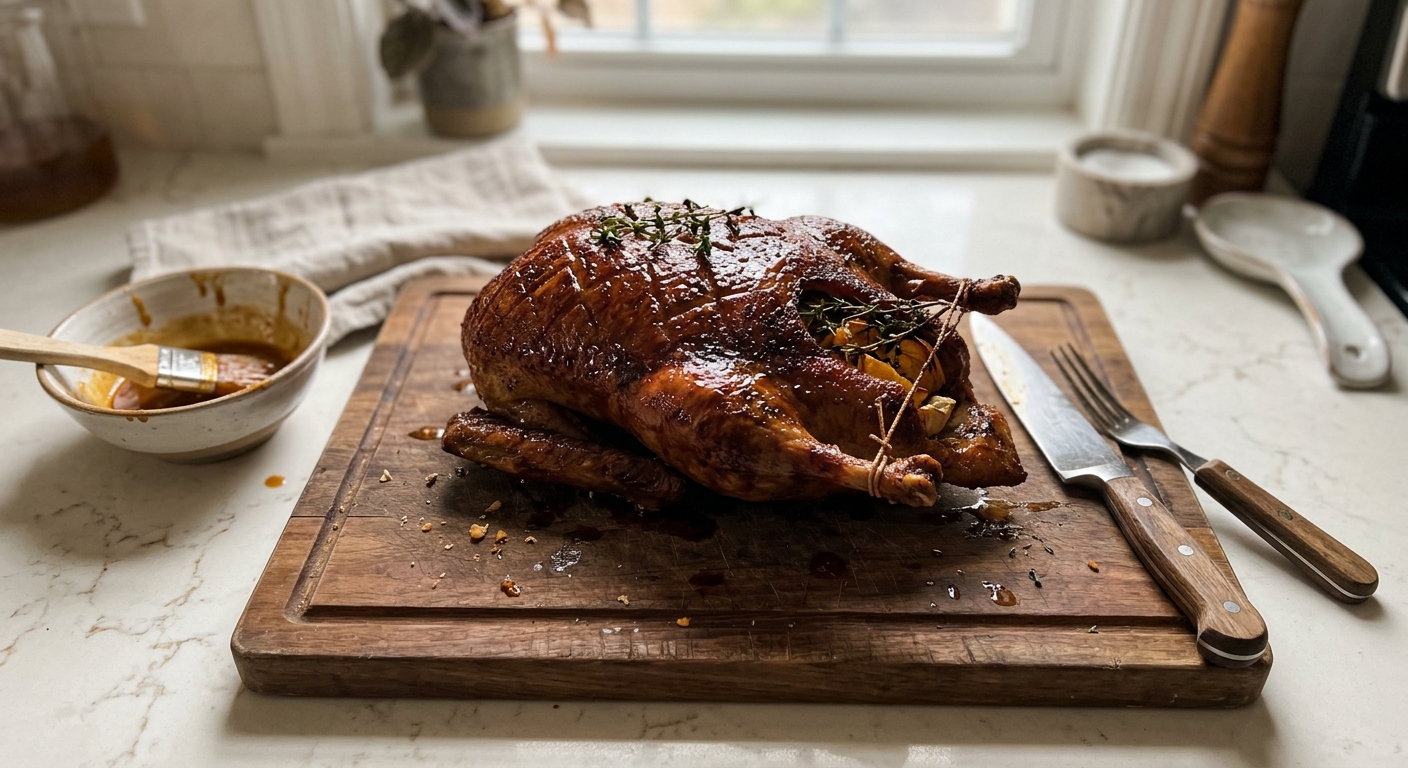
The very first time I ordered duck at a fancy anniversary dinner years ago, I expected to be swept off my feet. Instead, what arrived on the table was a plate swimming in a syrupy, cloying sauce that tasted like pancake topping poured over greasy poultry. I knew right then that I wanted to master an authentic Roast Duck with Orange Glaze at home, but on my own terms.
Traditional duck à l’orange has a reputation for being fussy, intimidating, and often way too sweet. Duck naturally carries a rich, thick layer of flavorful fat that demands bright acidity and savory depth, rather than a sugar bomb. I spent weeks testing rendering techniques in my home kitchen until the skin shattered like glass with every bite.
My secret weapon for this recipe is stirring a spoonful of savory white miso paste directly into the citrus reduction. That gentle, fermented umami balances the honey and fresh orange juice, anchoring the bright fruit flavors so they complement the savory dark meat perfectly. It turns an intimidating Sunday project into a foolproof dinner party showstopper that will leave your guests talking for months.
Why This Roast Duck with Orange Glaze Recipe Works
Classic duck à l’orange earned its place in culinary history through French fine dining, becoming an iconic centerpiece of mid-century entertaining. People fell in love with the classic combination of citrus and rich poultry because duck breast is closer in texture and richness to red meat than chicken. However, older recipes frequently relied on heavy caramel sauces that masked the bird’s natural flavor.
This modern version works because it addresses the two biggest complaints home cooks have with waterfowl: soggy skin and overly sweet sauce. By combining an overnight dry-brine with a slow rendering process, the duck sheds its excess grease while keeping the meat juicy and tender. A touch of baking powder changes the surface pH of the skin, promoting rapid browning and an irresistible crunch.
The true genius of this recipe lies in the addition of white miso paste to the orange glaze. Miso delivers a salty, fermented richness that cuts through the waterfowl fat and tempers the sweetness of honey and orange juice. Instead of tasting like candy, the glaze coats the crisp skin in a glossy, savory-tart lacquer that elevates every single slice.
Ingredients for Roast Duck with Orange Glaze
High-quality poultry makes a tremendous difference in how smoothly your dinner comes together. Look for a fresh or fully thawed Pekin duck with intact, unblemished skin and a firm breast. Fresh citrus is equally non-negotiable here, as bottled orange juice lacks the essential oils and punchy acidity found in fresh fruit.
- 1 whole duck (approx. 5 to 6 lbs): excess neck skin and cavity fat trimmed
- 1 tablespoon kosher salt: essential for drawing out surface moisture during the dry brine
- 1 teaspoon baking powder: draws out moisture for shattering, crisp skin
- 1/2 teaspoon freshly cracked black pepper: adds mild warmth to the seasoning rub
- 1 orange, halved: perfumes the interior of the cavity as the duck roasts
- 4 cloves garlic, smashed: infuses the meat with savory aroma from the inside out
- 3 sprigs fresh thyme: brings an earthy, herbal note to the pan drippings
- 2 whole star anise: adds a subtle, warm spiced note that pairs naturally with citrus
- 1 cup fresh orange juice (about 3 oranges): creates the bright, fruity foundation for the reduction
- 1 tablespoon finely grated orange zest: provides fragrant citrus oils that deepen the glaze flavor
- 2 tablespoons white (shiro) miso paste: the twist that adds rich, savory umami depth, cuts the gamey fat, and prevents the citrus glaze from tasting cloying
- 3 tablespoons clover honey: offers natural floral sweetness and helps the glaze caramelize
- 2 tablespoons sherry vinegar: provides clean, sharp acidity to balance the sweetness
- 1 tablespoon freshly grated ginger: delivers a peppery, aromatic zing to the glaze
- 1 tablespoon Grand Marnier or Cointreau (optional): lends sophisticated warmth and orange essence
- 1 tablespoon unsalted butter: whisked in at the end to create a glossy, velvet finish
Pay close attention to your miso paste when shopping. White miso, also labeled shiro miso, is milder, sweeter, and less salty than darker red varieties, making it ideal for delicate glazes.
Step-by-Step Instructions For Roast Duck with Orange Glaze
Roasting waterfowl is an exercise in patience and proper technique. Using a heavy roasting pan with a sturdy V-rack keeps the bird elevated so it roasts rather than boils in its own drippings. Keep an accurate digital meat thermometer nearby to ensure you hit the target temperatures without drying out the breast.
1. Prep and Score the Duck
Pat the duck completely dry inside and out using plenty of paper towels. Moisture is the number one enemy of crisp skin, so take your time with this step. Using the tip of a very sharp paring knife held at a 45-degree angle, lightly score a diamond pattern across the breast fat. Prick the fatty areas around the thighs and base of the neck, taking great care to pierce only the skin and fat layers without cutting into the meat underneath.
2. Season and Dry-Brine
Combine the kosher salt, baking powder, and black pepper in a small bowl. Rub this seasoning mixture evenly across every inch of the skin and inside the cavity. Place the duck breast-side up on a wire rack set over a rimmed baking sheet. Refrigerate it uncovered for 8 to 24 hours to dry out the skin thoroughly, or leave it at room temperature for at least 1 hour if you are short on time.
3. Stuff and Truss
Preheat your oven to 325°F (165°C). Stuff the cavity with the orange halves, smashed garlic cloves, fresh thyme sprigs, and whole star anise. Tie the legs snugly together with butcher’s twine, and tuck the wing tips neatly underneath the body to prevent them from burning during the long roast.
4. Slow Roast and Render
Set the bird breast-side up on a roasting rack set inside a deep roasting pan. Pour 1/2 cup of water into the bottom of the pan, which prevents the dripping fat from smoking and scorching. Roast at 325°F for 1 hour and 45 minutes to 2 hours. Carefully pour off the accumulated duck fat into a clean glass jar every 45 minutes, saving this liquid gold for your roasted vegetables later in the week.
5. Simmer the Orange-Miso Glaze
While the bird slowly roasts, combine the fresh orange juice, orange zest, clover honey, sherry vinegar, grated ginger, and Grand Marnier in a small saucepan over medium heat. Bring the mixture to a gentle boil and simmer until reduced by half, which takes roughly 8 to 10 minutes. Remove the saucepan from the heat and whisk in the white miso paste and unsalted butter until smooth, glossy, and lightly thickened.
6. Glaze and Crisp
Increase the oven temperature to 400°F (200°C) to get the fat bubbling. Generously brush the duck with one-third of the orange-miso glaze using a silicone pastry brush. Roast for 10 minutes, brush with another third of the glaze, and roast for an additional 8 to 10 minutes until the skin turns a deep mahogany-bronze and crisp. Check that the thickest part of the breast reads 165°F (74°C) and the thigh registers 175°F (80°C) on an instant-read thermometer.
7. Rest, Carve, and Serve
Transfer the bird from the oven to a sturdy cutting board. Allow it to rest uncovered for 15 to 20 minutes so the juices redistribute throughout the meat. Gently reheat the remaining orange-miso glaze over low heat, carve the bird into portions, and spoon the warm glaze over the meat right at the table.
How To Serve Roast Duck with Orange Glaze
Presenting a whole glazed bird makes an unforgettable impression on your guests, especially for holiday dinners or Sunday suppers. I love carving the meat tableside and arranging the crispy breast slices and tender legs on a warm ceramic platter garnished with extra thyme sprigs and thinly sliced orange wheels.
Pairing sides with this rich entree requires a balance of starch to soak up the sauce and acidity to cleanse the palate. Here are several fantastic accompaniments that complete the meal:
- Duck Fat Roasted Potatoes: Toss Yukon Gold wedges in some of the rendered pan fat and roast until shatteringly crisp on the outside and fluffy inside.
- Wild Rice Pilaf: A nutty wild rice blend studded with pecans and dried cranberries complements the earthy poultry flavors.
- Sautéed Bitter Greens: Cooked kale, Swiss chard, or broccolini with a splash of lemon juice cuts through the rich glaze effortlessly.
- Braised Red Cabbage: A classic sweet and sour cabbage preparation brings traditional warmth and vibrant color to the plate.
For wine pairings, pour a medium-bodied Pinot Noir or a bright dry Riesling. The red fruit notes and lively acidity in these wines balance the umami notes in the miso glaze without overwhelming the delicate poultry.
How To Store & Reuse Roast Duck with Orange Glaze Leftovers
Properly storing your leftover duck guarantees you can enjoy every last bite of this luxurious meal. Let the carved meat cool completely to room temperature before packing it away. Store the duck meat in an airtight container in the refrigerator for up to four days, and keep any extra orange glaze in a small glass jar nearby.
Repurposing cooked waterfowl is one of the greatest pleasures of home cooking because the meat holds onto its flavor so well. Here are some of my favorite ways to turn leftovers into brand-new meals:
- Crispy Duck Fried Rice: Dice cold duck meat and toss it into a smoking hot wok with jasmine rice, scallions, and a splash of soy sauce.
- Shredded Duck Tacos: Warm shredded meat in a dry skillet and serve in warm corn tortillas topped with pickled red onions and fresh cilantro.
- Bistro-Style Duck Salad: Toss cold, shredded duck with frisée, sliced pears, toasted walnuts, and a sharp mustard vinaigrette.
- Savory Duck Ragu: Simmer shredded meat gently with crushed tomatoes and herbs, then spoon over broad pappardelle pasta.
When reheating pieces on their own, avoid the microwave at all costs because it turns the skin rubbery and tough. Instead, arrange the pieces on a baking sheet and reheat in a 350°F (175°C) oven or toaster oven for 10 to 12 minutes until warmed through and crisp.
Substitutions & Variations For Roast Duck with Orange Glaze
Cooking at home should always fit your pantry and dietary preferences. If you want to put your own creative spin on this showpiece, you can tweak the glaze ingredients or the cavity aromatics while keeping the core roasting technique intact.
Small adjustments allow you to adapt the flavors to match different seasonal produce or cultural flavor profiles:
- Citrus Swaps: Replace the standard oranges with blood oranges for a dramatic crimson glaze, or use Meyer lemons for a brighter, more floral acidity.
- Alcohol-Free Version: Skip the Grand Marnier or Cointreau entirely and replace it with an extra tablespoon of fresh orange juice or a splash of chicken broth.
- Vinegar Options: If you do not have sherry vinegar in your pantry, unseasoned rice vinegar or apple cider vinegar works nicely to provide that sharp counterpoint.
- Soy Sauce Alternative: While white miso paste provides the best creamy umami balance, two teaspoons of low-sodium soy sauce or tamari can step in if needed.
Remember that changing the sugar content in your glaze affects how quickly it browns in the oven. Keep a watchful eye through the oven door during those final ten minutes of roasting to ensure the honey does not darken too fast.
Roast Duck with Orange Glaze
Description: A stunning roast duck featuring shatteringly crisp skin, tender juicy meat, and a savory-sweet orange reduction enriched with white miso paste.
Yield: 4 servings | Category: Main Course | Cuisine: French-Inspired American
Prep Time: 25 minutes (plus chilling time) | Cook Time: 2 hours 15 minutes
Ingredients
- 1 whole duck (approx. 5 to 6 lbs), excess neck skin and cavity fat trimmed
- 1 tablespoon kosher salt
- 1 teaspoon baking powder
- 1/2 teaspoon freshly cracked black pepper
- 1 orange, halved
- 4 cloves garlic, smashed
- 3 sprigs fresh thyme
- 2 whole star anise
- 1 cup fresh orange juice (about 3 oranges)
- 1 tablespoon finely grated orange zest
- 2 tablespoons white (shiro) miso paste
- 3 tablespoons clover honey
- 2 tablespoons sherry vinegar
- 1 tablespoon freshly grated ginger
- 1 tablespoon Grand Marnier or Cointreau (optional)
- 1 tablespoon unsalted butter
Instructions
- Pat duck completely dry. Score breast fat in a diamond pattern and prick fatty areas, taking care not to pierce the meat.
- Combine kosher salt, baking powder, and pepper. Rub all over skin and cavity. Chill uncovered on a wire rack for 8 to 24 hours.
- Preheat oven to 325°F (165°C). Stuff cavity with orange halves, garlic, thyme, and star anise. Truss legs and tuck wing tips.
- Place duck breast-side up on a rack in a roasting pan with 1/2 cup water. Roast for 1 hour 45 minutes to 2 hours, siphoning off rendered fat every 45 minutes into a jar.
- Simmer orange juice, zest, honey, vinegar, ginger, and liqueur in a saucepan until reduced by half. Remove from heat; whisk in miso paste and butter.
- Increase oven heat to 400°F (200°C). Brush duck with glaze, roast 10 minutes, brush again, and roast 8 to 10 minutes until deep mahogany and crisp (165°F breast, 175°F thigh).
- Rest for 15 to 20 minutes before carving. Reheat remaining glaze and drizzle over sliced meat to serve.
Notes
Do not skip pricking the skin, as this allows the thick fat cap to render away completely. Pour off the rendered duck fat periodically to prevent smoke, and store it in your fridge for cooking potatoes.
Servings: 4 | Calories: 685 | Fat: 48g | Carbohydrates: 18g | Protein: 44g
5 FAQs About Roast Duck with Orange Glaze
Here are some straightforward answers to the most common questions I receive about this roast duck with orange glaze recipe.
Why is my roast duck with orange glaze skin rubbery instead of crispy?
Rubbery duck skin usually happens when moisture remains trapped on the surface or the fat underneath does not have an exit path. Duck skin contains a much thicker layer of subcutaneous fat than chicken or turkey. If you do not score the fat and prick the skin before cooking, that fat gets trapped against the meat and steams the skin from below.
Another common culprit is skipping the dry-brining step in the refrigerator. Leaving the bird uncovered on a wire rack allows cold refrigerator air to circulate around the bird and draw out surface moisture. That dry surface, combined with the baking powder, creates the perfect environment for crisp browning.
Can I make roast duck with orange glaze ahead of time for a dinner party?
You can complete most of the prep work well before your guests arrive, but roasting and glazing should happen close to dinner. You can score the skin, apply the salt rub, and dry-brine the duck up to 24 hours in advance. You can also prepare the orange-miso glaze earlier in the afternoon and keep it covered on the counter.
Plan your cooking schedule so the duck finishes roasting about 20 minutes before you want to serve dinner. This built-in resting window allows the meat juices to settle, giving you plenty of time to carve without losing the crisp texture of the skin.
What internal temperature should I look for when making roast duck with orange glaze?
Unlike chicken, which must be cooked completely well-done throughout, commercial duck breast is often served medium-rare to medium. However, for a whole roast bird where the legs need to become fork-tender, targeting an internal temperature of 165°F (74°C) in the thickest part of the breast and 175°F (80°C) in the inner thigh yields the best balance of juicy breast meat and tender dark meat.
Make sure your instant-read digital thermometer probe does not touch bone when checking temperatures, as bone conducts heat and gives false high readings. Resting the bird for 15 minutes allows carryover cooking to finish bringing the meat to temperature smoothly.
How do I prevent the orange glaze from burning on my roast duck?
The honey and natural citrus sugars in the glaze can burn quickly under high heat, which is why the glaze goes on only during the final 20 minutes of cooking. The slow, two-hour roast at 325°F does the heavy lifting of rendering fat and cooking the meat gently without any sugar on the skin.
When you crank the heat to 400°F and apply the glaze, keep a close watch on your oven. If your oven has hot spots and one side of the bird browns faster than the other, rotate the roasting pan halfway through. If the skin begins to turn very dark before the time is up, loosely tent a piece of aluminum foil over the top.
What should I do with the leftover duck fat from roasting?
Never discard the rendered fat that collects in your roasting pan, because duck fat is one of the most flavorful cooking fats available. Strain the warm liquid fat through a fine-mesh sieve lined with cheesecloth into a clean glass mason jar, leaving behind any pan juices or water.
Seal the jar tightly and store it in your refrigerator, where it will solidify into a clean, creamy white fat that lasts for up to six months. Use spoonfuls of this liquid gold to roast potatoes, fry eggs, sauté mushrooms, or make flaky homemade biscuits.
Try These Recipes Next
If you loved making this show-stopping dinner, here are three more fantastic poultry recipes from the blog to inspire your next kitchen adventure:
- Easy Roast Duck Recipe With Glaze: A streamlined, beginner-friendly duck recipe that delivers tender meat and crispy skin with simple pantry ingredients.
- Easy Homemade Panda Express Orange Chicken Copycat Recipe: Crispy fried chicken bites tossed in a sweet and tangy orange sauce that beats takeout any night of the week.
- Oven Roasted Turkey Recipe: My foolproof method for roasting juicy, herb-seasoned turkey with golden skin for family gatherings and holidays.
Give one of these delicious meals a try this weekend, and do not forget to save that wonderful pan fat for your side dishes!