
The Secret to the Richest Turkey Gravy Is a Spoonful of White Miso
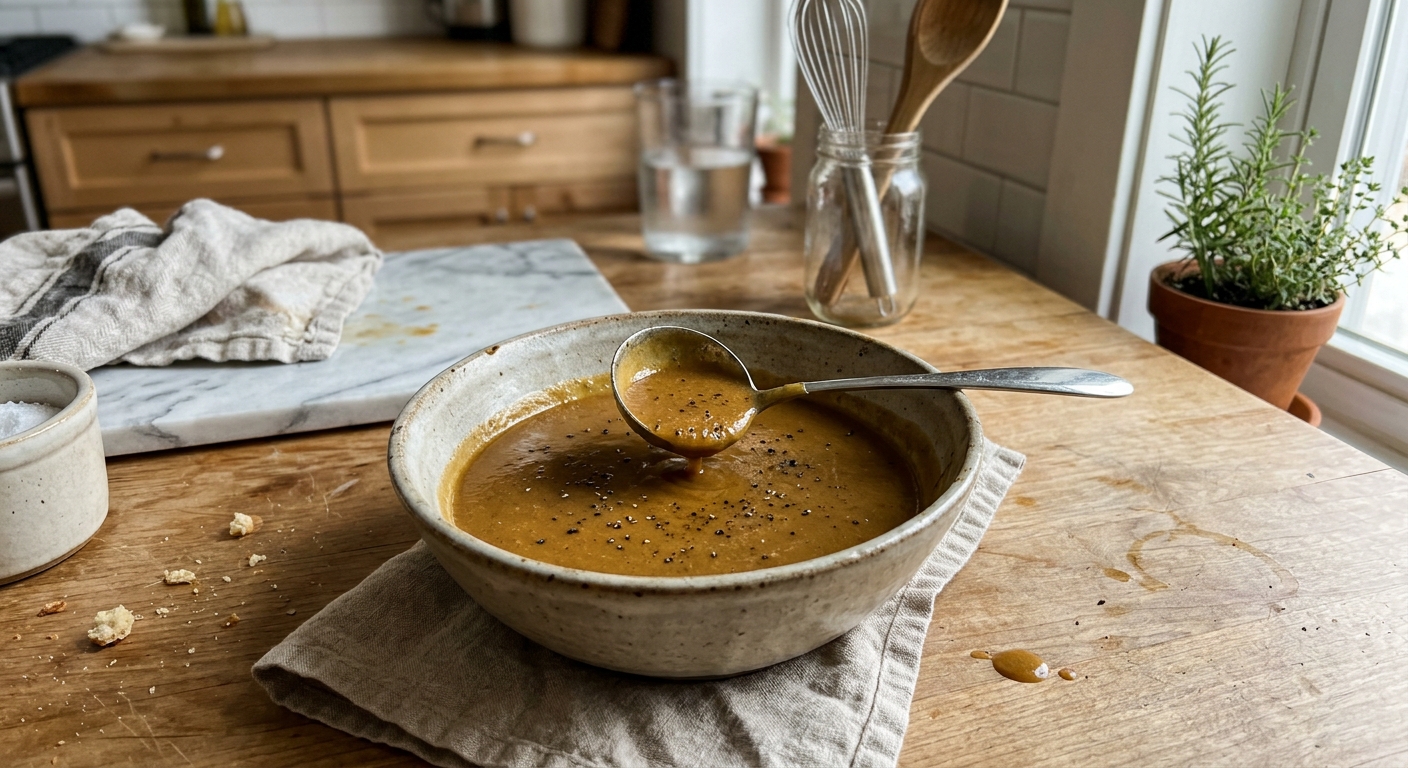
Growing up in the South, Thanksgiving dinner was practically treated like an Olympic sport. Gravy duty always belonged to my grandmother, who stood over the stove with a flat wooden spoon, guarding the roasting pan juices with her life. When I finally inherited the family holiday menu years later, I felt the immense pressure to deliver that same soulful comfort to our dinner table.
My first solo attempt at homemade turkey gravy turned out decent, but it lacked that deep, savory punch that makes everyone ask for seconds. I wanted a sauce with genuine depth that could pull together everything on the plate. Looking into my refrigerator for inspiration, my eyes landed on a tub of mild white miso paste.
Whisking that fermented soybean paste into the hot turkey drippings completely changed my holiday cooking. It added an earthy richness and subtle sweetness that standard pan juices simply cannot achieve alone. Once my family tasted that velvety, golden sauce poured over their dressing, there was no going back to plain broth.
This upgraded gravy recipe has been my quiet kitchen triumph ever since. It delivers all the nostalgic warmth of a classic Southern feast with an irresistible, savory finish that keeps people talking long after the dishes are cleared.
Why This Turkey Gravy Recipe Works
Gravy has anchored holiday tables and Sunday family suppers for generations. Historically, making gravy was a practical way for resourceful home cooks to stretch every drop of flavor from an expensive roasted bird. It remains a beloved culinary staple because it unites moist sliced turkey, fluffy dressing, and creamy potatoes under one savory blanket.
Traditional gravies rely strictly on pan drippings and roasted flour to build their flavor foundation. While delicious, modern store-bought turkeys often yield drippings that can taste thin or overly watery. That is where our secret weapon changes the game completely.
White miso paste introduces a profound boost of natural umami to the saucepan. Because it is naturally fermented, miso adds a complex, sweet and salty foundation that deepens the poultry flavor without making the gravy taste like Japanese soup. It rounds out the sharp edges of the roasted bird drippings seamlessly.
Deglazing the pan with a touch of dry sherry cuts right through the heavy turkey fat. The subtle acidity lifts the entire sauce, keeping it rich rather than cloying. Together with fresh garden herbs, these ingredients create a glossy, balanced sauce with an unforgettable depth of flavor.
Ingredients for Turkey Gravy
To create a truly magnificent gravy, every ingredient in your saucepan should pull its own weight. The quality of your base liquid and your cooking fat sets the stage for the entire dish.
- 1/4 cup turkey fat (skimmed from roasting pan drippings) or unsalted butter: Rendered turkey fat carries the deep, roasted essence of your bird. If your pan drippings yield mostly lean juices, high-fat European unsalted butter is an excellent alternative.
- 1/4 cup all-purpose flour: Standard unbleached all-purpose flour provides the ideal starch structure to thicken the gravy evenly without turning gluey.
- 1 1/2 tablespoons white miso paste: This is our star twist ingredient. Mild white miso, also known as shiro miso, adds rich umami, mellow sweetness, and savory complexity that rounds out the poultry flavor.
- 2 tablespoons dry sherry or dry white wine: A splash of fortified wine deglazes the pan and balances the rich animal fat with bright, nutty acidity.
- 3 1/2 cups warm low-sodium turkey or rich chicken broth (combined with defatted roasting pan juices): Warm liquid prevents the roux from seizing. Using a low-sodium version helps you manage the salt balance, especially with the added miso.
- 2 sprigs fresh thyme: Earthy and floral, whole fresh thyme sprigs infuse bright aromatics directly into the simmering sauce.
- 1 small sprig fresh rosemary: A modest amount of fresh rosemary delivers piney, holiday aroma without overpowering delicate pan juices.
- 1 fresh sage leaf: Sage is the quintessential poultry herb, bringing timeless comfort and classic flavor to every bite.
- 1/2 teaspoon freshly cracked black pepper: Coarsely cracked black pepper adds gentle warmth and beautiful flecks throughout the pale golden sauce.
- Kosher salt, to taste: Always hold off on salting until the end, as pan drippings and miso both bring natural sodium to the pan.
Using fresh herbs instead of dried varieties makes an enormous difference in brightness. Dried herbs can turn bitter during the simmering stage, while whole fresh sprigs infuse clean flavors and are easily plucked out before serving.
Step-by-Step Instructions For Turkey Gravy
Making smooth gravy is a calm, rhythmic process that rewards patience. Grab a heavy-bottomed saucepan and a sturdy balloon whisk before you begin.
Step 1: Prepare the pan juices
Pour your warm turkey roasting drippings through a fat separator into a heatproof bowl. Let the mixture settle for a couple of minutes so the clear, golden fat floats to the top.
Measure out 1/4 cup of the rendered fat to build your roux. Combine the remaining lean juices with enough warm low-sodium broth to measure 3 1/2 cups, and keep this liquid warm on the stove.
Step 2: Make the roux
Set a medium saucepan over medium heat and add your reserved turkey fat or butter. Once the fat melts and begins to bubble gently, scatter the flour evenly across the surface.
Whisk constantly for 3 to 4 minutes. You want the flour to lose its raw pasty flavor and turn a nutty, light golden-brown shade without letting it burn along the pan edges.
Step 3: Incorporate the miso
Scoop the white miso paste directly into the warm roux. Keep your whisk moving quickly, working the paste into the flour mixture so it melts into a smooth, fragrant paste.
Let the miso cook for 45 to 60 seconds until lightly caramelized. This brief cooking step softens the fermented bite and unlocks its mellow, savory sweetness.
Step 4: Deglaze the saucepan
Pour the dry sherry into the pan, whisking rapidly as it hits the hot surface. The liquid will sizzle and steam immediately, lifting any caramelized bits sticking to the metal.
Simmer the mixture for about 30 seconds until the alcohol smell dissipates and the liquid mostly evaporates into the roux base.
Step 5: Add the warm liquid
Begin pouring your warm broth mixture into the pan in a slow, pencil-thin stream with one hand while whisking vigorously with the other. Adding cold broth can shock the fat and cause stubborn lumps.
Continue whisking until all 3 1/2 cups of liquid are completely incorporated. Your mixture should look uniform, glossy, and entirely lump-free.
Step 6: Simmer and infuse
Drop the fresh thyme sprigs, rosemary, and the single sage leaf into the saucepan. Increase the heat to medium-high just until the liquid starts to bubble gently around the perimeter.
Immediately drop the heat back down to medium-low. Let the gravy simmer uncovered for 8 to 10 minutes, whisking occasionally, until it thickens enough to coat the back of a wooden spoon.
Step 7: Finish and season
Pull the saucepan off the heat and set it on a trivet. Use kitchen tongs or a fork to fish out and discard the spent herb sprigs.
Whisk in the cracked black pepper. Dip a spoon into the sauce to taste it before adding any kosher salt, adjusting only if your pan drippings were exceptionally mild, and serve hot.
How To Serve Turkey Gravy
A good sauce brings the entire plate alive, serving as the delicious bridge between meats, starches, and vegetables. When serving a crowd, presentation and temperature are everything.
Always warm your ceramic gravy boat with hot tap water before pouring the hot gravy inside. This simple step keeps the sauce pourable and piping hot throughout an extended family meal.
- Over carved poultry: Ladle generous ribbons across sliced turkey breast and dark meat to restore moisture and lock in juicy tenderness.
- Atop mashed potatoes and dressing: Create that classic well in your buttery mashed potatoes, or let the rich sauce soak into cornbread stuffing.
- On breakfast biscuits: Split fresh buttermilk biscuits in half the next morning and drown them in warm gravy alongside sunny-side-up eggs.
- Over open-faced sandwiches: Pile leftover turkey onto thick crusty sourdough bread and ladle hot gravy generously over the top for a comforting lunch.
- Holiday poutine: Smother crispy roasted potato wedges and fresh cheese curds with hot gravy for an unforgettable holiday weekend snack.
Keep extra chopped fresh herbs nearby so guests can sprinkle a pop of green color over their plated gravy. It gives your dining table an elegant, thoughtful touch.
How To Store & Reuse Turkey Gravy Leftovers
Holiday leftovers are half the joy of hosting, and extra gravy is like liquid gold in your refrigerator. Storing it properly ensures it maintains its velvety consistency and rich taste for days to come.
Allow the gravy to cool completely at room temperature, but do not leave it out for longer than two hours. Transfer the sauce into a clean, airtight glass container or wide-mouth mason jar.
- Refrigeration: Keep your gravy in the coldest section of your refrigerator for up to 4 days. A harmless gel-like texture is normal once chilled, as natural gelatin from the bones sets up in the cold.
- Freezing: Pour cooled gravy into silicone ice cube trays and freeze until solid. Pop the frozen cubes into a zip-top freezer bag for up to 3 months, pulling out individual portions whenever needed.
- Stovetop reheating: Reheat the sauce gently in a small saucepan over medium-low heat. Whisk in a tablespoon of warm water or low-sodium broth to loosen the texture as it warms.
- Microwave reheating: Place a portion in a microwave-safe dish and heat in 30-second bursts, whisking thoroughly between intervals to prevent the sauce from separating.
Never boil leftover gravy vigorously during the reheating process. Gentle heat keeps the emulsified fat and flour smoothly integrated without turning oily or splitting.
Substitutions & Variations For Turkey Gravy
Every home kitchen has unique pantry constraints and dietary preferences to navigate. This versatile recipe welcomes thoughtful modifications without losing its trademark richness.
Whether you need to accommodate specific dietary requirements or simply want to experiment with different flavor profiles, these dependable swaps keep your sauce delicious.
- Gluten-free version: Replace the 1/4 cup of all-purpose flour with an equal amount of a dependable 1-to-1 gluten-free baking blend, or whisk 2 tablespoons of cornstarch into cold broth before heating.
- Alcohol-free deglazing: Skip the dry sherry and use two tablespoons of extra broth mixed with a teaspoon of fresh lemon juice to achieve that pleasant acidity.
- Butter-only base: If you are roasting a very lean turkey breast with little rendered fat, four tablespoons of unsalted butter work wonderfully to build your roux.
- Herb variations: Swap out the rosemary for a fresh bay leaf, or add a pinch of fresh marjoram if your family prefers a milder, sweeter herbal finish.
Feel free to adjust the quantities slightly to suit your family’s personal tastes. Cooking should always be an adaptable adventure that reflects what brings comfort to your home.
Savory Miso Turkey Gravy
Description: A rich, velvety homemade turkey gravy infused with fresh herbs and a spoonful of white miso paste for an unforgettable umami twist.
Yield: 3 cups | Category: Sauce | Cuisine: American
Prep Time: 10 minutes | Cook Time: 20 minutes
Ingredients
- 1/4 cup turkey fat (skimmed from roasting pan drippings) or unsalted butter
- 1/4 cup all-purpose flour
- 1 1/2 tablespoons white miso paste
- 2 tablespoons dry sherry or dry white wine
- 3 1/2 cups warm low-sodium turkey or rich chicken broth (combined with defatted roasting pan juices)
- 2 sprigs fresh thyme
- 1 small sprig fresh rosemary
- 1 fresh sage leaf
- 1/2 teaspoon freshly cracked black pepper
- Kosher salt, to taste
Instructions
- Separate roasting drippings into rendered fat and lean juices, combining juices with broth to yield 3 1/2 cups of warm liquid.
- Melt turkey fat in a saucepan over medium heat, whisk in flour, and cook for 3 to 4 minutes until light golden-brown.
- Whisk the white miso paste directly into the roux and cook for 45 to 60 seconds until fragrant.
- Pour in the dry sherry, whisking rapidly to release browned bits from the pan bottom.
- Gradually pour in the warm broth mixture in a steady stream, whisking constantly until smooth.
- Add fresh thyme, rosemary, and sage, bring to a gentle bubble, then simmer over medium-low heat for 8 to 10 minutes until thickened.
- Remove from heat, discard herb sprigs, whisk in black pepper, taste, and season with kosher salt as needed.
Notes
Always taste the gravy before adding extra salt, because both the pan drippings and the miso paste naturally carry seasoning. If the sauce gets thicker than you like, whisk in a splash of warm broth.
Servings: 12 | Calories: 55 | Fat: 4g | Carbohydrates: 3g | Protein: 1g
5 FAQs About Turkey Gravy
Here are some straightforward answers to the most common questions I receive about this turkey gravy recipe.
Can I make this turkey gravy ahead of time?
You can make this turkey gravy up to two days before your big holiday meal. Making it early saves precious stovetop space and eliminates last-minute scramble when the turkey comes out of the oven.
To prepare it in advance, use high-quality store-bought or homemade chicken broth combined with unsalted butter instead of fresh roasting pan drippings. Follow the recipe completely, allow it to cool, and store it tightly covered in the refrigerator.
When you are ready to serve, reheat the sauce gently over medium-low heat on the stovetop. If you have fresh pan drippings from your freshly roasted bird, skim the fat and whisk those hot juices right into the warm sauce to refresh the flavor.
How do I fix lumpy turkey gravy?
Lumpy turkey gravy happens when cold broth hits hot roux too quickly, or if the flour was not whisked continuously during the pouring stage. Do not panic if you see flour clusters forming in your pot, because it is an easy fix.
The simplest solution is to pour the finished sauce through a fine-mesh wire sieve set over a clean bowl. Use the back of a ladle or spoon to push the liquid through, leaving any flour lumps trapped in the strainer.
Alternatively, you can transfer the lumpy sauce into a countertop blender or use an immersion blender right in the saucepan. Blend on high speed for twenty seconds until the sauce transforms into a glossy, perfectly smooth emulsion.
What can I do if my turkey gravy is too salty?
Excessive saltiness in turkey gravy usually occurs when using pre-salted broths or heavily brined turkey pan drippings. Because miso paste also contains sodium, holding back on added salt until the very end is your best defense.
If your finished sauce tastes overly salty, immediately dilute it by whisking in more unsalted liquid. A splash of water, unsalted chicken stock, or even heavy cream will help soften the aggressive sodium levels without ruining the texture.
You can also peel a raw potato, drop the halves into the simmering sauce, and let them cook for ten minutes. Potatoes naturally absorb some excess liquid and salt, after which you can fish them out and discard them before serving.
Can I make this turkey gravy without pan drippings?
You can create a sensational turkey gravy without relying on roasting pan drippings. This is ideal if you are deep-frying your turkey, grilling it outside, or simply preparing your sauce days in advance.
Substitute an equal amount of unsalted butter in place of the rendered turkey fat to make your roux. For the liquid base, pick up a rich, low-sodium store-bought turkey bone broth or high-end chicken stock.
The addition of white miso paste and fresh herbs supplies plenty of savory depth, compensating for the missing roasting juices. Your guests will never know the difference once it is ladled over their plates.
How do I thicken turkey gravy if it turns out too thin?
If your turkey gravy does not coat the back of a spoon after ten minutes of simmering, give it a few extra minutes over low heat to reduce. Moisture evaporates naturally as it cooks, concentrating flavors and body over time.
If you need faster results, make a quick cornstarch slurry by mixing one tablespoon of cornstarch with one tablespoon of cold water until smooth. Never add dry starch directly to hot gravy or it will clump instantly.
Whisk the slurry slowly into the simmering sauce and let it bubble for one full minute to activate the starch. Alternatively, knead equal parts softened butter and flour into a paste and whisk small bits into the sauce until thick.
Try These Recipes Next
Explore these delicious recipes from the kitchen to complete your holiday menu and master comforting homemade sauces.
- Easy Turkey Gravy Recipe: A classic, foolproof poultry gravy that comes together quickly using simple kitchen staples and flavorful pan drippings.
- Oven Roasted Turkey Recipe: Tender, juicy roasted turkey with golden crispy skin that produces the most flavorful drippings for your homemade sauces.
- Easy Sausage Gravy Recipe: A rich and creamy Southern breakfast favorite packed with savory seasoned pork sausage and black pepper.
I hope these homestyle recipes bring warmth, comfort, and delicious memories to your family table this season.