
Rich and Savory Miso Mushroom Duck Soup
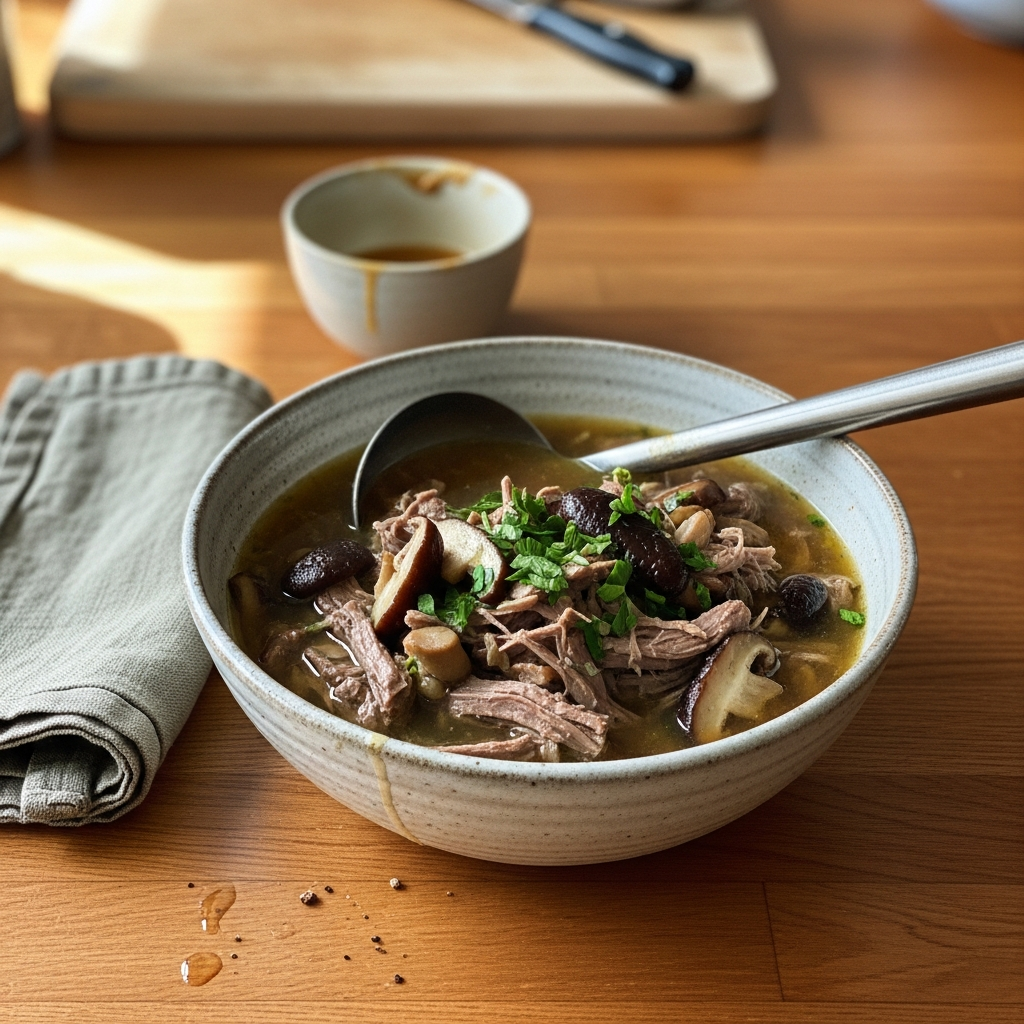
The first time I ever had real, honest to goodness duck soup was not in some fancy French bistro, but at a friend’s hunting cabin deep in the woods. It was rustic, hearty, and simmered for hours over a wood stove. The flavor was incredible, so deep and comforting, and I knew right then I had to create my own version for my kitchen back home.
That classic soup was my starting point, but you know me, I can never leave well enough alone. I wanted to take that rich, soulful flavor and make it truly unforgettable. I started playing with ingredients that could complement the duck without overpowering it.
After a few attempts, I landed on the perfect secret weapon. A spoonful of white miso paste. It sounds a little unexpected, I know, but trust me on this. It adds this incredible, savory depth, a background note of umami that makes the whole pot of soup sing. It transforms a simple, classic duck soup into something truly special, a dish that feels both timeless and modern all at once. This is the soup I make when the weather turns crisp and I want to impress without spending all day in the kitchen.
It’s pure comfort with a sophisticated twist.
Why This Duck Soup Recipe Works
Duck soup is a timeless classic, beloved for its incredibly rich and flavorful broth. Traditionally, it’s a way to use every part of the bird, creating a deeply satisfying meal from what might otherwise be overlooked. The fat from the duck renders down slowly, infusing the entire soup with a luxurious, silky texture and a taste you just can’t get from chicken or beef.
This recipe builds on that wonderful tradition and elevates it. The magic starts with searing the duck legs. This simple step creates a gorgeously crisp skin and, more importantly, leaves behind browned bits in the bottom of the pot. We call that “fond,” and it’s pure flavor gold. Deglazing the pot with white wine lifts all that goodness right into the broth.
What makes my duck soup recipe stand out is the careful layering of umami flavors. We don’t just stop with the rich duck. The combination of earthy dried porcini mushrooms and their potent soaking liquid, fresh shiitakes, and a touch of soy sauce builds a complex savory base. The real showstopper, however, is the white miso paste stirred in at the end.
This final addition provides a subtle, savory sweetness that rounds out all the other flavors. It brightens the broth and adds a creamy, complex dimension that is absolutely irresistible. It’s this blend of classic French technique with a touch of Japanese-inspired umami that makes every spoonful a true experience.
Ingredients for Duck Soup
Gathering the right ingredients is the first step to a truly spectacular soup. While the list might look a little long, each component plays a vital role in building the layers of flavor that make this dish so special. Don’t be intimidated, it all comes together beautifully.
The undisputed star of this duck soup is, of course, the duck. I call for duck legs specifically because they are full of flavor and connective tissue that breaks down into tender, succulent meat after a slow simmer. If you can find duck stock, it will add another layer of richness, but a high quality chicken stock works wonderfully too.
Our secret weapon for an unforgettable broth is white miso paste. This fermented soybean paste adds a subtle sweetness and a powerful umami punch that elevates the entire soup. Be sure to use white (or shiro) miso, as it is milder and won’t overpower the delicate flavors. You can usually find it in the refrigerated section of most larger grocery stores.
- 4 duck legs
- 1 tablespoon olive oil
- 1 large yellow onion, chopped
- 2 carrots, peeled and diced
- 2 celery stalks, diced
- 8 cups duck or chicken stock
- 1 cup dry white wine
- 4 cloves garlic, minced
- 1 bay leaf
- 1 teaspoon dried thyme
- Salt and freshly ground black pepper to taste
- 1 cup shiitake mushrooms, sliced
- 1/2 cup dried porcini mushrooms, rehydrated in 1 cup of hot water
- 2 tablespoons white miso paste
- 1/4 cup chopped fresh parsley
- 1 tablespoon soy sauce
- 1 teaspoon grated fresh ginger
A final note on the mushrooms. Using both dried porcini and fresh shiitake is intentional. The porcinis provide an intense, woodsy depth, especially when you use their soaking liquid. The shiitakes offer a lovely, meaty texture to the finished soup. It’s a combination that truly works wonders.
Step-by-Step Instructions For Making Duck Soup
This soup is all about building flavor in layers, and that process starts right from the first step. We’ll take our time to develop a rich, complex broth that will be the perfect foundation for our tender duck and earthy mushrooms. A heavy-bottomed pot or Dutch oven is your best friend here, as it distributes heat evenly and helps prevent scorching.
1. Sear the Duck Legs
First, pat your duck legs completely dry with a paper towel. This is a crucial step for getting that skin beautifully golden and crisp. Season them generously all over with salt and pepper. Heat the olive oil in your Dutch oven over medium-high heat. Once it shimmers, place the duck legs skin-side down. You should hear a satisfying sizzle. Let them sear without moving for about 5 to 7 minutes. You’re looking for a deep golden-brown color. Flip them and sear for another 3 to 4 minutes on the other side before removing them to a plate.
2. Sauté the Aromatics
Lower the heat to medium. There will be a good amount of rendered duck fat in the pot, which is liquid gold. Add your chopped onion, carrots, and celery, the classic mirepoix, right into that fat. Cook, stirring occasionally, until they have softened and the onion is translucent, about 5 to 7 minutes. Use your wooden spoon to gently scrape up any of those tasty browned bits from the bottom of the pot as the vegetables release their moisture.
3. Deglaze the Pot
Add the minced garlic and cook for just one more minute until you can smell its wonderful aroma. Now, pour in the dry white wine. This will cause a lot of steam, which is exactly what you want. Continue scraping the bottom of the pot to release all that concentrated flavor. Let the wine simmer and bubble away until it has reduced by about half. This cooks off the raw alcohol flavor and leaves behind a beautiful essence.
4. Simmer the Soup
Return the seared duck legs to the pot. Pour in the duck or chicken stock and add the bay leaf and dried thyme. Bring the liquid to a gentle simmer, then immediately reduce the heat to low. You want to see just a few lazy bubbles breaking the surface. Cover the pot and let it simmer for at least 1.5 to 2 hours. This long, slow cook is what makes the duck meat fall-off-the-bone tender.
5. Prepare the Final Ingredients
While the soup is simmering, shred the tender duck meat from the bones, discarding the skin and bones, and set it aside. Carefully strain the liquid from the rehydrated porcini mushrooms through a fine-mesh sieve or a coffee filter into the soup. This adds incredible flavor but catches any grit. Chop the porcinis and add them to the pot along with the fresh shiitakes and the shredded duck meat. Let this simmer for another 15 minutes.
6. Finish with Umami
This is the final touch that makes the soup truly special. In a small bowl, place the two tablespoons of white miso paste. Ladle about a half-cup of the hot soup broth into the bowl and whisk until the miso is completely dissolved and smooth. Pour this mixture back into the main pot. This process, called tempering, prevents the miso from clumping. Stir in the soy sauce, fresh ginger, and parsley. Give it a taste and add more salt and pepper if you think it needs it. Serve immediately and enjoy.
How To Serve Duck Soup
Serving this duck soup is just as much fun as making it. The rich, amber broth filled with tender duck and meaty mushrooms is a beautiful sight in a bowl. You can certainly serve it as is for a wonderfully comforting meal, but adding a few simple touches can make it feel like a truly special occasion.
My favorite way to serve this soup is in wide, shallow bowls to show off all the delicious ingredients. A piece of crusty, rustic bread on the side is non-negotiable in my house. It’s absolutely perfect for sopping up every last drop of that incredible broth. A simple side salad with a light vinaigrette can also be a nice, fresh contrast to the richness of the soup.
If you want to get a little more creative, here are a few of my go-to ideas for dressing up a bowl of this duck soup:
- Add Some Grains or Noodles: For a heartier, more substantial meal, ladle the soup over a scoop of cooked wild rice, quinoa, or farro. It also becomes a fantastic noodle soup when served over cooked soba, udon, or egg noodles.
- Garnish Generously: A sprinkle of fresh herbs like chives or extra parsley adds a pop of color and freshness. For a little heat, a drizzle of chili oil or a few red pepper flakes works beautifully. A dollop of sour cream or crème fraîche can also add a lovely tangy creaminess.
- Wine Pairing: Since we already used a dry white wine in the recipe, a glass of that same wine, like a Sauvignon Blanc or a dry Pinot Grigio, makes for a perfect pairing. It cuts through the richness of the duck and complements the broth.
No matter how you choose to serve it, this soup is designed to be savored. It’s the kind of meal that encourages you to slow down, relax, and enjoy the simple pleasure of a well-made dish.
How To Store & Reuse Duck Soup Leftovers
One of the best things about making a big pot of soup is that the leftovers are often even better the next day. As this duck soup sits overnight, the flavors have more time to meld together, deepening and becoming even more complex. Storing it properly is key to enjoying it for days to come.
First, always let the soup cool down to room temperature before you store it. Placing a large, hot pot directly into the refrigerator can raise the internal temperature and put other foods at risk. Once cooled, transfer the soup to an airtight container. It will keep beautifully in the refrigerator for up to four days.
For longer storage, this soup freezes exceptionally well. I like to portion it out into individual freezer-safe containers or bags. This makes it so easy to pull out a single serving for a quick lunch or dinner. It will maintain its best quality in the freezer for up to three months.
- Reheating: The best way to reheat the soup is gently on the stovetop over medium-low heat. This allows it to warm through evenly without the risk of boiling, which can make the duck meat tough. Avoid reheating it in the microwave if you can, as it can create hot spots and affect the texture.
- Reuse as a Base: The leftover broth is incredibly flavorful and can be used as a fantastic base for other dishes. You could strain out the solids and use the broth to make a delicious risotto or as the cooking liquid for grains like farro or barley.
- Create a Stew: To transform the leftover soup into a heartier stew, simply create a slurry with a tablespoon of cornstarch and a little cold water. Stir it into the simmering soup and cook for a few minutes until it thickens. This is wonderful served over creamy mashed potatoes or egg noodles.
Having a container of this delicious soup in the fridge or freezer feels like such a luxury. It’s the perfect solution for those busy weeknights when you want something wholesome and comforting without any fuss.
Substitutions & Variations For Duck Soup
While I believe this recipe is perfect as written, I know that sometimes you need to work with what you have on hand or cater to different tastes. The good news is that this duck soup recipe is quite flexible. You can make several swaps and additions without sacrificing the soul of the dish.
The most important element is the rich, slow-cooked poultry. If you can’t find duck legs, don’t worry. You can achieve a similarly rich result with other cuts of poultry. Just be mindful that cooking times may need to be adjusted to ensure the meat is perfectly tender.
Here are some reliable substitutions and fun variations you can try to make this soup your own:
- Protein Swaps: Two large chicken leg quarters or four chicken thighs can be used in place of the duck legs. For a holiday twist, this is a fantastic way to use leftover turkey, especially the dark meat from the legs and thighs.
- Vegetable Additions: Feel free to add other root vegetables to the mirepoix. A diced parsnip would add a lovely sweetness, and a finely chopped leek (the white and light green parts) could stand in for the yellow onion for a milder flavor.
- Mushroom Varieties: If you can’t find shiitake or porcini, you can substitute them with other mushrooms. Cremini mushrooms would be a great fresh alternative, and other dried mushroom varieties can also be used, though the flavor profile will change slightly.
- A Creamy Version: For an extra-luxurious soup, stir in about a quarter cup of heavy cream at the very end, after you’ve added the miso. Just be sure not to let the soup boil after adding the cream.
- For a Spicy Kick: If you enjoy a bit of heat, add a pinch of red pepper flakes along with the garlic or serve with a drizzle of your favorite chili oil.
Don’t be afraid to experiment. Cooking should be fun, and adapting recipes is a great way to discover new flavor combinations you love. The core technique of building a flavorful broth will ensure your soup is delicious, no matter what little tweaks you make along the way.
Hearty Duck Soup with Miso and Mushrooms
Description: A rich and comforting duck soup made with slow-simmered duck legs, earthy mushrooms, and a secret ingredient, white miso, for an unforgettable umami depth. This is a classic soup with a sophisticated, modern twist.
Yield: 6-8 servings | Category: Soup | Cuisine: American, French
Prep Time: 20 minutes | Cook Time: 2 hours 30 minutes
Ingredients
- 4 duck legs
- 1 tablespoon olive oil
- 1 large yellow onion, chopped
- 2 carrots, peeled and diced
- 2 celery stalks, diced
- 8 cups duck or chicken stock
- 1 cup dry white wine
- 4 cloves garlic, minced
- 1 bay leaf
- 1 teaspoon dried thyme
- Salt and freshly ground black pepper to taste
- 1 cup shiitake mushrooms, sliced
- 1/2 cup dried porcini mushrooms, rehydrated in 1 cup of hot water
- 2 tablespoons white miso paste
- 1/4 cup chopped fresh parsley
- 1 tablespoon soy sauce
- 1 teaspoon grated fresh ginger
Instructions
- Pat duck legs dry and season with salt and pepper. Sear skin-side down in olive oil in a Dutch oven over medium-high heat until golden brown, about 5-7 minutes. Flip and sear 3-4 minutes more. Remove duck and set aside.
- Reduce heat to medium, add onion, carrots, and celery to the pot and cook until softened, about 5-7 minutes. Add garlic and cook for 1 minute.
- Deglaze the pot with white wine, scraping up browned bits, and simmer until reduced by half.
- Return duck legs to the pot. Add stock, bay leaf, and thyme. Bring to a simmer, then reduce heat to low, cover, and cook for 1.5 to 2 hours until duck is tender.
- Remove duck legs. When cool, shred the meat, discarding bones and skin.
- Strain the reserved porcini soaking liquid into the soup. Add shredded duck, chopped porcinis, and sliced shiitakes. Simmer for 15 minutes.
- In a small bowl, whisk miso paste with a ladle of hot broth until smooth. Stir the miso mixture back into the soup.
- Stir in soy sauce, ginger, and parsley. Season to taste with salt and pepper and serve hot.
Notes
Ensure you strain the porcini mushroom liquid through a fine-mesh sieve or coffee filter to remove any grit. Do not boil the soup after adding the miso paste, as high heat can destroy its delicate flavor and beneficial probiotics.
Servings: 8 | Calories: 450 kcal | Fat: 28g | Carbohydrates: 12g | Protein: 35g
5 FAQs About Duck Soup
Here are some straightforward answers to the most common questions I receive about this duck soup recipe.
What part of the duck is best for duck soup?
For a soup like this, where you want tender, shreddable meat and a rich broth, the duck legs are absolutely the best choice. This includes both the thigh and the drumstick. Duck legs are a harder-working muscle, which means they are packed with deep, rich flavor and a good amount of connective tissue. During the long, slow simmering process, that connective tissue breaks down into gelatin, which gives the soup a wonderfully silky, full-bodied texture that is hard to achieve with other cuts.
While you could technically make soup from a whole duck carcass after roasting, using fresh duck legs allows you to build flavor from the very first step by searing the skin. This rendering of the fat and browning of the skin creates a foundation of flavor in the pot that is essential to the final dish. Duck breasts, on the other hand, are much leaner and are best cooked quickly to a medium-rare, so they would become dry and tough in a slow-simmered soup.
Can I make this duck soup in a slow cooker?
Yes, you can definitely adapt this duck soup recipe for a slow cooker, and it’s a great option for a more hands-off approach. You will still need to perform the first few steps on the stovetop, as they are crucial for developing the soup’s deep flavor. First, sear the duck legs in a skillet as directed, and set them aside. Then, sauté the mirepoix and garlic in the same skillet and deglaze with the white wine.
Once you’ve done that, you can transfer everything to your slow cooker. Add the seared duck legs, the sautéed vegetable mixture, the stock, bay leaf, and thyme to the slow cooker crock. Cover and cook on low for 6 to 8 hours, or on high for 3 to 4 hours, until the duck is completely tender. Then, you can proceed with the final steps: remove and shred the duck, add the mushrooms and shredded meat, and finish with the miso, soy sauce, and herbs right before serving.
Why is my duck soup greasy and how can I fix it?
Duck is naturally a very fatty bird, which is part of what makes it so delicious. However, this also means that the soup can sometimes end up with a layer of grease on top. There are a couple of easy ways to manage this. The first and simplest method is to let the finished soup cool completely in the refrigerator. The fat will rise to the top and solidify, making it very easy to spoon off and discard before reheating.
If you want to serve the soup right away and find it’s a bit too greasy, you can use a wide, shallow ladle to skim the fat from the surface while it’s still hot. Tilt the pot slightly to help the fat pool in one area, making it easier to remove. Searing the duck and rendering much of the fat at the beginning of the cooking process helps control the greasiness from the start, but some fat will always cook into the broth, so skimming is a common and necessary step for a perfectly balanced duck soup.
Is duck soup healthy?
Duck soup can certainly be part of a healthy diet, offering some great nutritional benefits. Duck meat itself is a fantastic source of high-quality protein, which is essential for muscle repair and overall body function. It’s also rich in minerals like iron, which is vital for carrying oxygen in the blood, and selenium, a powerful antioxidant. The broth, especially if simmered for a long time with the bones, contains collagen and gelatin, which are beneficial for joint, skin, and gut health.
This recipe is also packed with vegetables like carrots, celery, and onions, which provide vitamins and fiber. However, it’s important to remember that duck is higher in fat compared to chicken. As mentioned, skimming excess fat is a good way to manage the calorie and saturated fat content. Ultimately, like most foods, it’s about balance and moderation. This soup is a wholesome, nutrient-dense, and deeply satisfying meal, perfect for enjoying as a comforting treat.
What does miso add to this duck soup recipe?
The addition of white miso paste is the secret twist that truly elevates this duck soup from great to exceptional. Miso is a traditional Japanese seasoning produced by fermenting soybeans. It adds a flavor known as “umami,” which is often described as a savory, brothy, or meaty taste. It is considered the fifth basic taste alongside sweet, sour, salty, and bitter. In this soup, the miso provides a complex, savory depth that perfectly complements the rich flavor of the duck without overpowering it.
I specifically call for white miso (shiro miso) because it’s the mildest variety, with a slightly sweet and nutty flavor profile. It seamlessly blends into the broth, adding a creamy texture and a roundness that ties all the other ingredients together. It’s stirred in at the very end of cooking because boiling can destroy its delicate flavors and beneficial probiotics. This final touch is what makes the broth so incredibly satisfying and gives the soup its unique, memorable character.
Try These Recipes Next
If you loved the rich, comforting flavors of this duck soup, I think you’ll enjoy these other recipes from my kitchen.
- Easy Roast Duck Recipe with Glaze – A perfect centerpiece for a special occasion, this recipe walks you through how to get crispy skin and juicy meat every time.
- 25 Favorite Slow Cooker Soup Recipes – For more easy and delicious soup inspiration, check out this roundup of my favorite set-it-and-forget-it recipes.
- Easy Chicken Soup Recipe – When you’re craving a classic, this simple and soulful chicken soup is like a warm hug in a bowl.
Happy cooking, y’all!